 hubvault77
Esports, short for electronic sports, has grown from a niche hobby into a global entertainment and professional industry. What began as casual gaming competitions among friends has evolved into a structured, multi-billion-dollar ecosystem with professional players, franchised teams, large-scale tournaments, and millions of spectators worldwide. Esports now rivals traditional sports in terms of audience engagement, sponsorship, and cultural influence. The combination of strategy, skill, teamwork, and technology has made esports a unique form of competition that captivates audiences and creates opportunities for players and organizations alike.
In this blog, we will explore the history, growth, and impact of esports. We will examine its origins, key games that defined the industry, the development of professional players and teams, the influence of streaming and media, economic factors, cultural significance, challenges, and the future of competitive gaming.
The Origins of Competitive Gaming
The origins of esports can be traced to the late 1970s and early 1980s when video games first became popular. Early arcade games like Space Invaders and Pac-Man encouraged competition through high-score leaderboards. Players competed to earn recognition and prestige, turning casual gameplay into competitive challenges. Arcades became early social hubs for gaming, fostering communities and rivalries.
The rise of home consoles and personal computers in the 1980s and early 1990s expanded the reach of video games. Competitions emerged around popular titles such as Donkey Kong and Galaga. Gaming magazines and newsletters hosted contests and challenges, encouraging players to compete at regional and national levels. These early competitions highlighted the potential for structured competitive gaming and laid the foundation for esports as an organized activity.
By the mid-1990s, multiplayer PC games such as Doom, Quake, and Warcraft III introduced networked competition through local area networks. LAN parties became popular, allowing players to compete in real-time while building communities around shared interests. These events emphasized skill, strategy, and teamwork, establishing the groundwork for professional esports.
The Internet Revolution and Global Connectivity
The advent of the internet in the late 1990s and early 2000s revolutionized competitive gaming. Online multiplayer games enabled players from different regions and countries to compete against one another, creating the first truly global gaming communities. Titles like StarCraft, Counter-Strike, and Warcraft III became staples of competitive gaming, with online tournaments and prize pools attracting serious players.
South Korea emerged as a leader in the professionalization of esports. The country embraced competitive gaming, establishing televised leagues, dedicated internet cafes, and training facilities. Players gained celebrity status, and professional gaming became a legitimate career path. The innovations in coaching, team management, and tournament organization developed in South Korea influenced esports globally, setting professional standards for the industry.
In the United States and Europe, esports expanded through organizations such as Major League Gaming and DreamHack. These organizations created structured leagues, standardized rules, and ranking systems. The combination of internet connectivity, professional infrastructure, and growing fan engagement created an environment ripe for the global expansion of esports.
Iconic Games That Defined Esports
Certain games have played a pivotal role in shaping the esports industry. StarCraft, particularly the Brood War expansion, was foundational to the development of professional esports in South Korea. Its complex strategies, fast-paced gameplay, and balance between skill and decision-making made it ideal for competitive play. Televised leagues and large-scale tournaments helped establish a fan base and professional ecosystem.
Counter-Strike, a tactical first-person shooter, emphasized teamwork, communication, and precision. Its international tournaments attracted players worldwide and established long-lasting competitive communities. Counter-Strike remains central to esports today, demonstrating its enduring appeal.
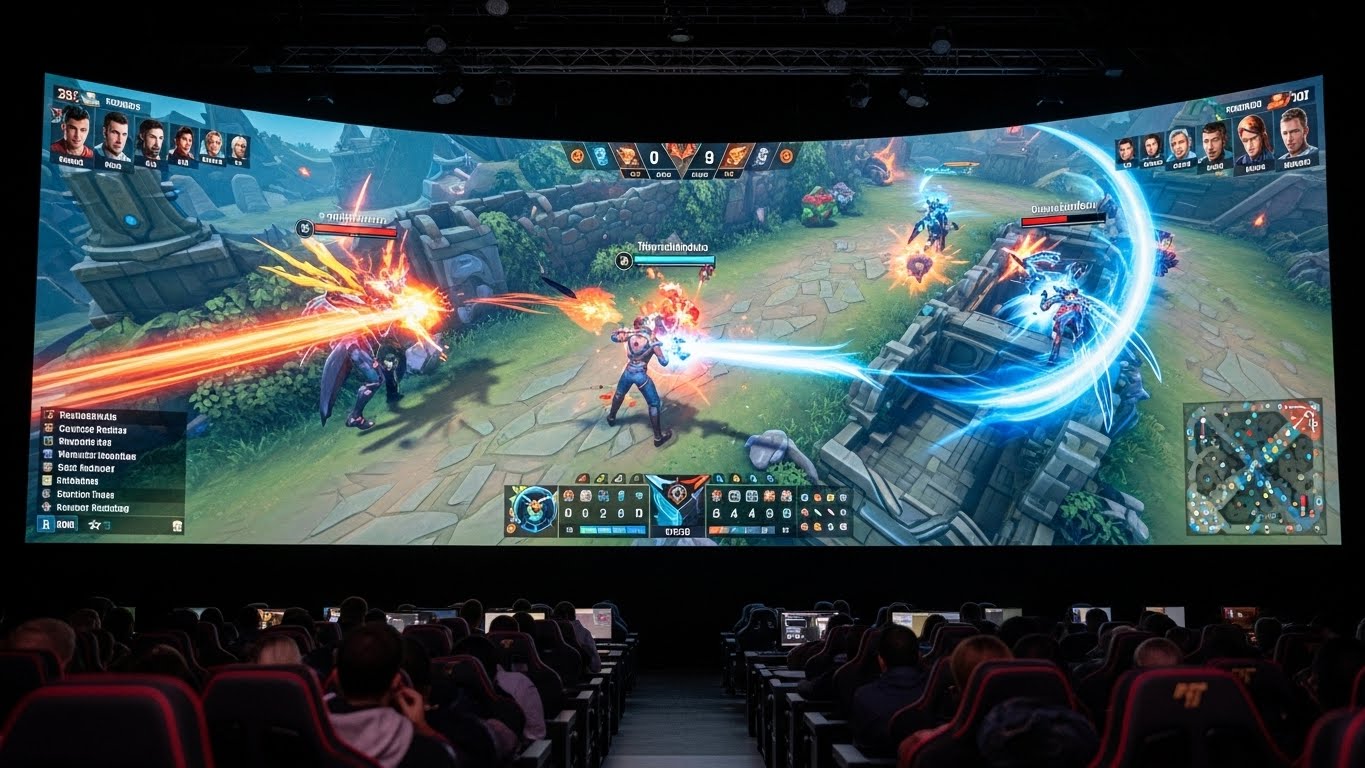
Other major titles include League of Legends, Dota 2, Overwatch, and Fortnite. League of Legends popularized the franchised league model with seasonal competitions and global championships. Dota 2 became famous for The International, offering record-breaking prize pools and attracting international talent. Overwatch introduced hero-based team gameplay with professional leagues, while Fortnite popularized the battle royale genre and brought esports to younger audiences.
These games have created diverse competitive ecosystems, drawing in millions of players and fans worldwide. They demonstrate that esports is not limited to one genre but encompasses strategy, shooters, multiplayer online battle arenas, and battle royale formats.
Professional Players and Teams
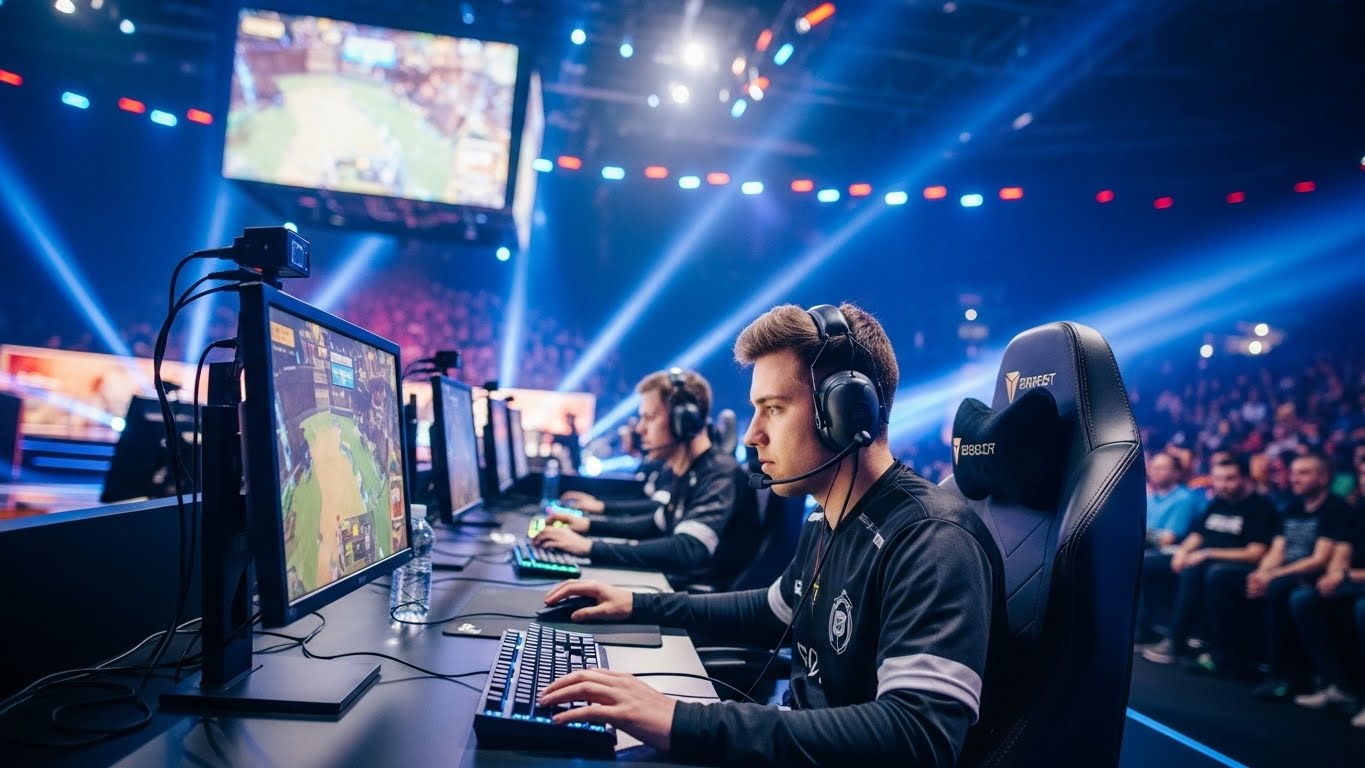
Professional players are central to esports’ growth and popularity. They dedicate significant time and effort to refining their skills, developing strategies, and studying opponents. Many teams employ coaches, analysts, nutritionists, and psychologists to optimize performance and ensure player well-being.
Professional gamers have become celebrities within the gaming community. Icons such as Faker in League of Legends, s1mple in Counter-Strike: Global Offensive, and N0tail in Dota 2 are celebrated for their skill, dedication, and influence. Beyond tournament winnings, players build personal brands through streaming, social media engagement, and merchandise, creating long-term career opportunities.
Esports training parallels traditional sports, emphasizing teamwork, strategy, mental resilience, and physical conditioning. Professionalization has elevated esports to a level comparable with conventional sports, highlighting the discipline and commitment required to excel.
Major Esports Tournaments
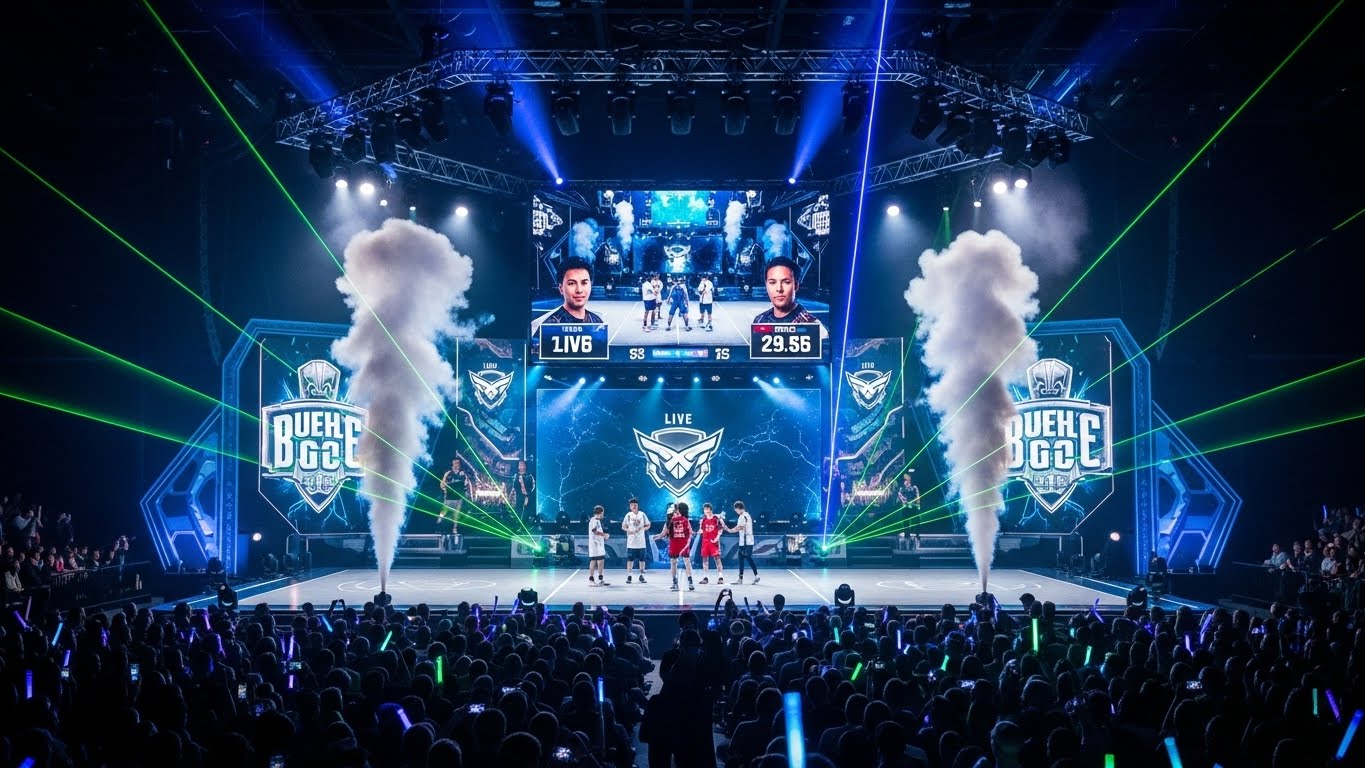
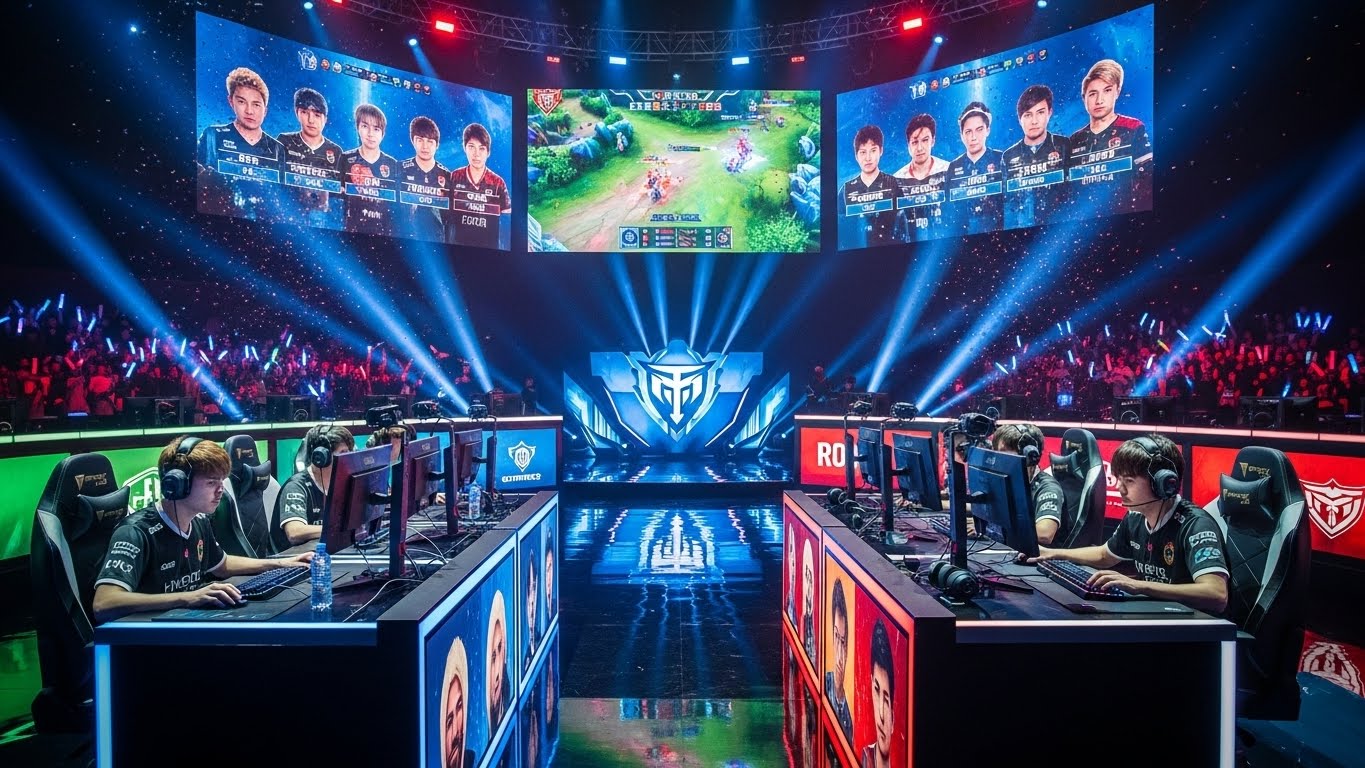
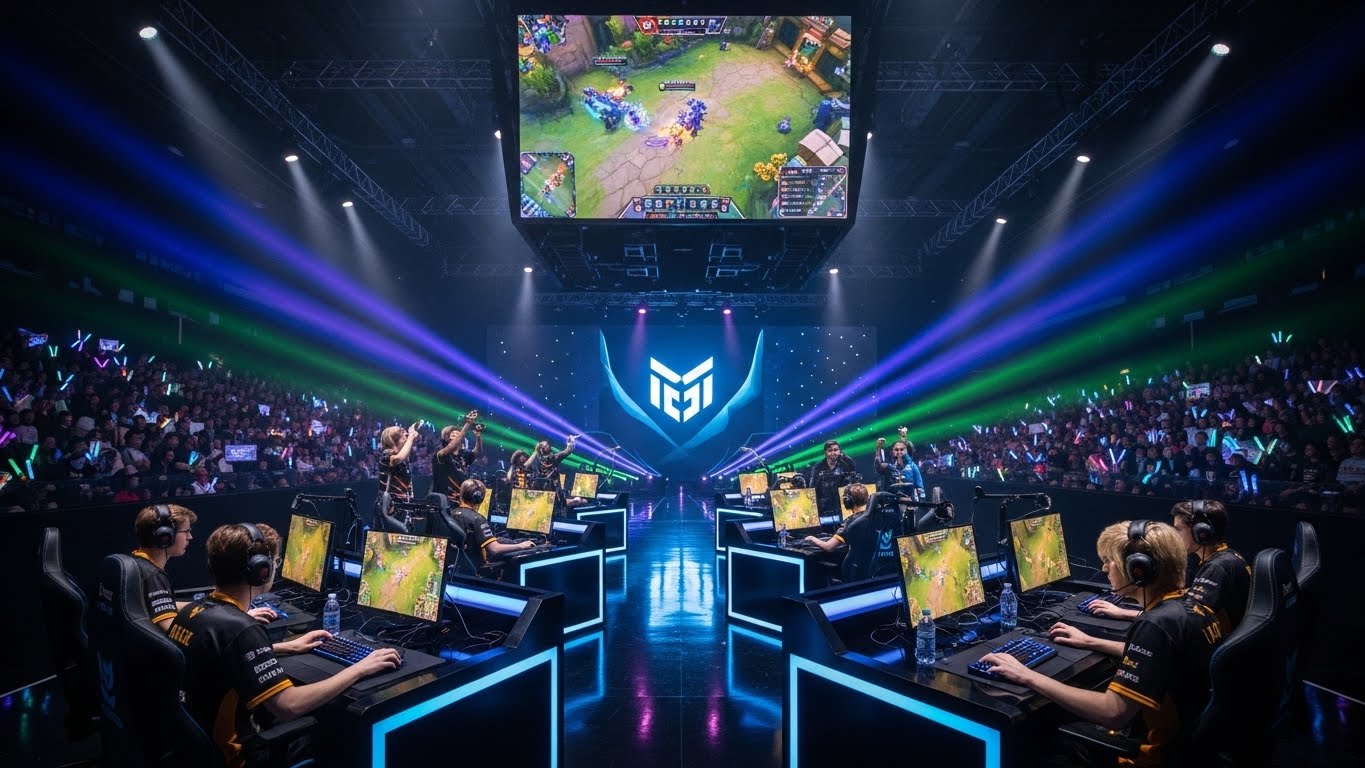
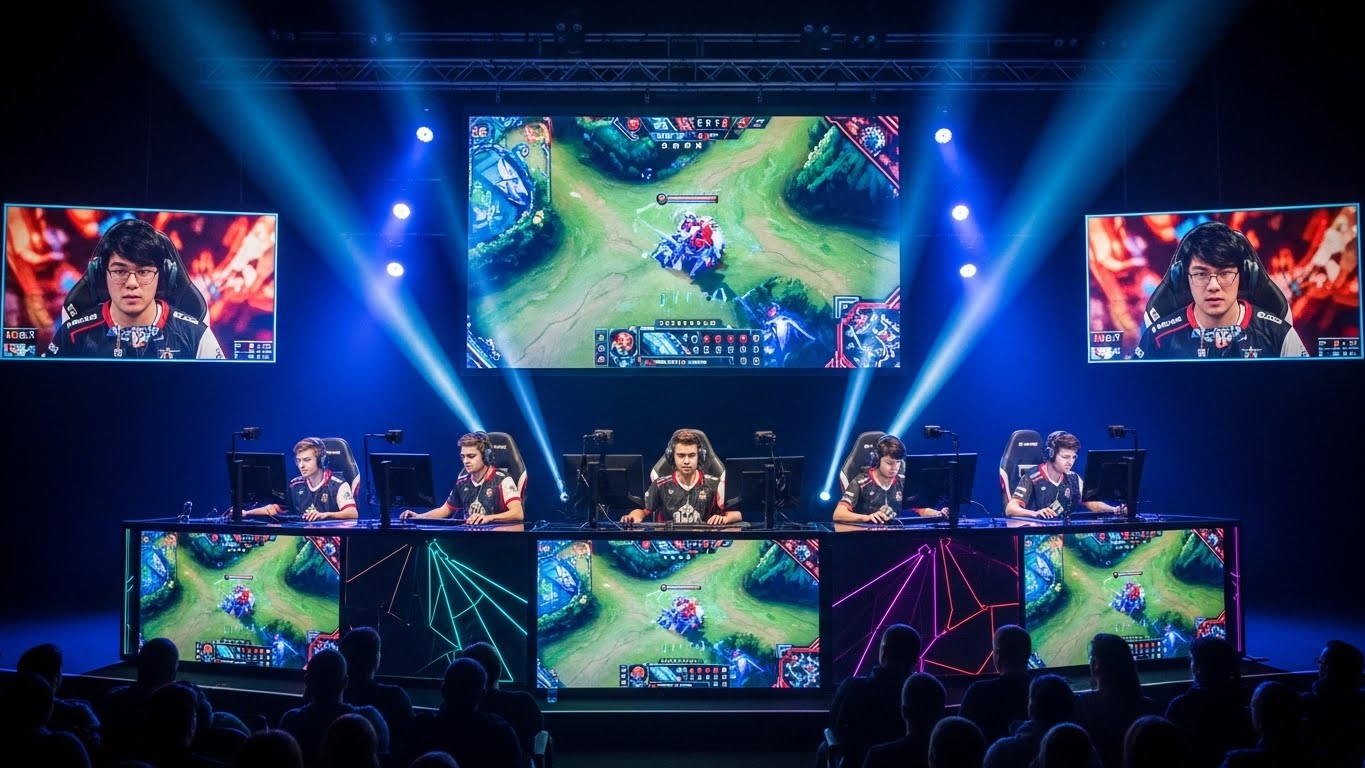
Tournaments are the lifeblood of esports, attracting global audiences and providing platforms for professional competition. The International for Dota 2, the League of Legends World Championship, and the Fortnite World Cup are among the most prestigious events. These tournaments feature high production values, professional commentary, live broadcasts, and multimillion-dollar prize pools.
Regional leagues feed into international competitions, offering structured pathways from amateur to professional play. Franchised league systems, such as the League of Legends Championship Series, ensure stability for teams, consistent competition for players, and engaging content for fans. Tournaments also generate economic opportunities, including ticket sales, merchandise, broadcasting rights, and sponsorships, contributing to esports’ economic impact.
The growth of tournaments has transformed esports into a spectator-driven industry. Fans attend live events, follow matches online, and engage with communities through social media and streaming platforms, creating a dynamic ecosystem that extends beyond gameplay.
Streaming Platforms and Audience Engagement
Streaming platforms have revolutionized how esports is consumed. Twitch, YouTube Gaming, and Facebook Gaming allow fans to watch live matches, interact with players, and participate in online communities. This accessibility has transformed esports into a globally connected and interactive entertainment medium.
Streaming enhances engagement by providing commentary, analysis, and storytelling. Fans follow players’ journeys, learn strategies, and interact during live matches. The participatory nature of streaming distinguishes esports from traditional sports, creating an immersive viewer experience.
Professional players also benefit from streaming as a source of revenue through subscriptions, donations, and sponsorships. This supplementary income allows players to focus on competition while building personal brands and expanding their influence.
Sponsorships and Economic Growth
Esports has developed into a highly profitable industry. Sponsorships, advertising, media rights, merchandise, and ticket sales generate billions of dollars annually. Brands recognize the opportunity to reach a young, tech-savvy, and globally connected audience through esports partnerships.
Major companies such as Intel, Nike, Coca-Cola, and Red Bull invest in teams, tournaments, and players. Sponsorships provide financial stability, allowing organizations to fund player salaries, event production, and marketing campaigns. In-game monetization and merchandise sales further diversify revenue streams, creating a sustainable ecosystem for teams, players, and organizers.
The economic growth of esports has transformed it from a hobby into a professional and commercially viable industry. Players, organizations, and event organizers can pursue long-term careers, reflecting esports’ legitimacy and global impact.
Cultural and Social Influence
Esports has had a significant cultural and social impact. It challenges traditional perceptions of sports by emphasizing mental acuity, strategy, and teamwork. Esports also fosters global communities, connecting players, fans, and content creators across borders.
The industry has influenced fashion, music, and mainstream media. Merchandise, branded collaborations, and content creation contribute to a culture that intersects with traditional entertainment. Educational institutions have established esports programs, competitive leagues, and scholarships, providing opportunities for youth engagement and career development.
Esports also promotes diversity, inclusivity, and accessibility. Initiatives encourage participation across gender, nationality, and socioeconomic background, ensuring esports grows as an equitable global platform. Competitive gaming has become a cultural movement that unites people, educates, and inspires.
Challenges Facing Esports
Despite its rapid growth, esports faces challenges. Player burnout, mental health concerns, and career longevity are critical issues. Intense practice schedules, high-pressure competition, and public scrutiny can affect player well-being, requiring organizations to implement support programs and balanced training regimens.
Regulatory and ethical challenges exist as well. Ensuring fair play, combating cheating, standardizing rules, and resolving intellectual property disputes are essential for maintaining credibility. Cultural perceptions of esports vary globally, with some countries officially recognizing it while others still view it as casual gaming. Overcoming skepticism is crucial for mainstream acceptance.
The Future of Esports
The future of esports is promising, with continued growth and technological innovation. Virtual reality, augmented reality, and cloud gaming will create more immersive and accessible experiences. Artificial intelligence and analytics will enhance training, strategy, and performance evaluation.
Education and youth programs will expand, with schools and universities offering structured esports pathways. Globalization will connect players, teams, and fans, fostering international tournaments and cross-cultural collaboration. Inclusivity, diversity, and ethical standards will shape the industry’s next phase, ensuring sustainable growth.
Esports will continue integrating with mainstream media and entertainment, providing interactive viewing experiences and expanding audience engagement. The combination of competitive excellence, entertainment value, and cultural relevance will define the future of esports.
Conclusion
Esports has evolved from arcade competitions and small LAN gatherings into a global industry with professional players, franchised teams, and international tournaments. It has created career opportunities, fostered communities, and influenced culture and technology. Professional players have become celebrities, tournaments attract millions of viewers, and streaming platforms provide immersive experiences that engage global audiences.
The rise of esports demonstrates the power of technology, creativity, and human connection. It is a form of entertainment that transcends borders, promotes skill and strategy, and celebrates teamwork. Esports is more than gaming; it is a professional pursuit, a cultural movement, and a reflection of modern society. Its growth will continue to shape entertainment, competition, and global culture for years to come.
Esports represents the intersection of technology, skill, and culture, making it one of the most influential forms of entertainment in the contemporary world.