 hubvault77
Introduction
In the last two decades, the gaming industry has undergone a profound transformation. Once seen as a pastime for a niche audience, competitive gaming has grown into a multi-billion dollar global industry that rivals traditional sports in terms of viewership, sponsorship, and community engagement. Esports, the organized form of competitive gaming, has established itself as one of the most exciting and rapidly growing sectors of the entertainment industry. With professional tournaments, live-streaming platforms, and a new generation of athletes and fans, esports is no longer a subculture; it’s a cultural force.
In this blog post, we’ll explore how esports has evolved from humble beginnings to become a dominant player in the entertainment world. We’ll look at its growth, impact on culture, and what the future holds for competitive gaming.
The Emergence of Esports: From Casual Play to Global Phenomenon
Esports as we know it today didn’t appear overnight. Its roots can be traced back to the early days of gaming, when local competitions in arcade centers and gaming conventions laid the foundation for what would become a global phenomenon. Titles like StarCraft and Counter-Strike began to form the building blocks of competitive gaming, attracting players who wanted to prove their skills against others. These games weren’t just about casual fun; they required skill, strategy, and practice, creating the early seeds for esports.
In the late 1990s and early 2000s, internet access allowed gamers from different parts of the world to connect and compete. The advent of online gaming platforms like Battle.net (for games like Warcraft and StarCraft) and Steam (for games like Counter-Strike and Dota 2) helped bring together a global community of players. Gamers no longer had to be in the same physical space to compete, and this shift accelerated the rise of esports.
The first major esports tournaments took place in the early 2000s, but it wasn’t until the 2010s that esports gained mainstream attention. Events like The International (a Dota 2 tournament) and League of Legends World Championship showcased the potential of esports as a legitimate form of entertainment. These events attracted millions of viewers, both online and in person, and introduced competitive gaming to a broader audience.
Professionalization of Esports: From Hobby to Career
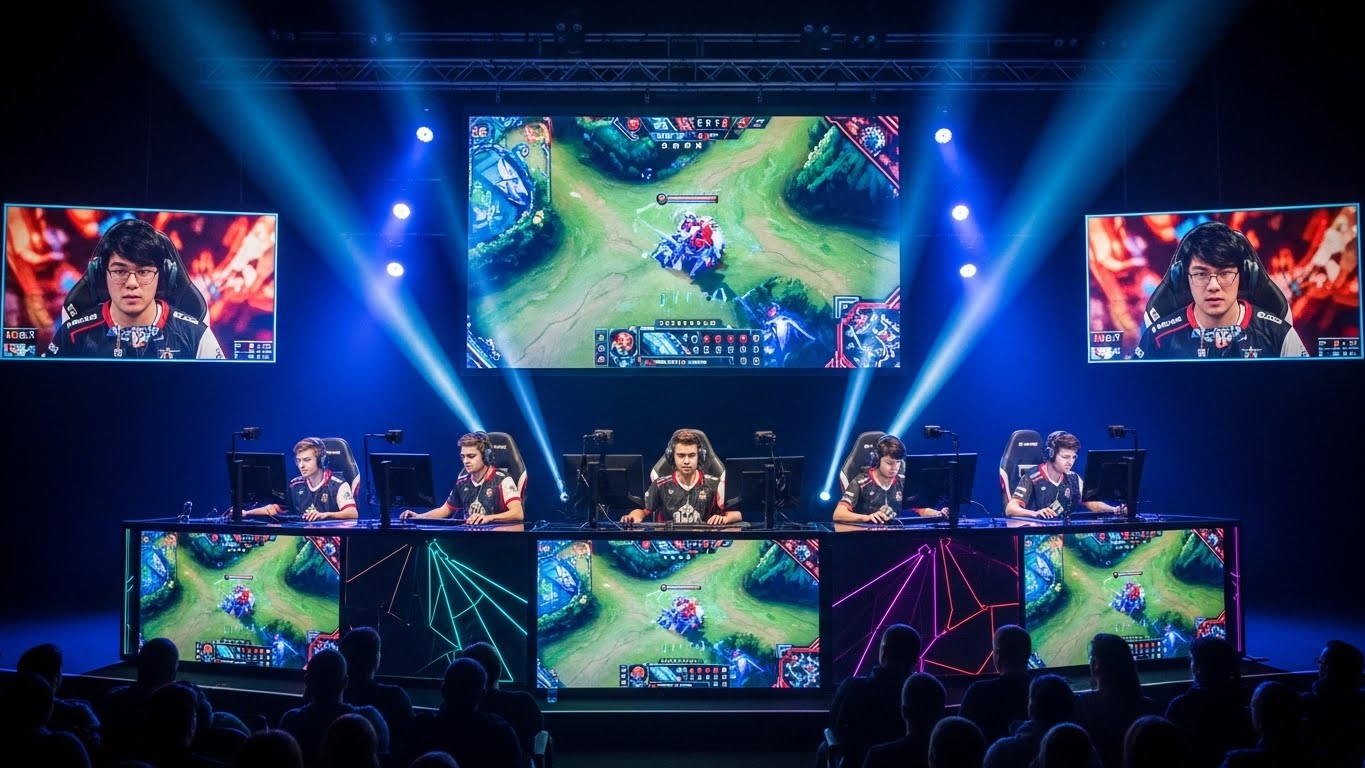
As esports grew in popularity, it also began to mature as an industry. What was once a hobby or a side activity for gamers began to evolve into a full-fledged career path. Teams, coaches, analysts, and other support staff emerged as integral parts of esports organizations. Players started to take their training and competition seriously, dedicating hours every day to refining their skills, analyzing strategies, and studying their opponents.
In the early days, esports tournaments were often small-scale events with limited sponsorship and modest prize pools. However, as the industry gained traction, corporate sponsorships and media partnerships became more common, leading to larger prize pools, better production value, and professional league structures. Esports organizations, such as Team Liquid, Fnatic, and Cloud9, began to form, creating professional teams that competed in various games and even expanded into other areas like content creation, merchandising, and streaming.
The rise of live-streaming platforms like Twitch and YouTube Gaming further accelerated the professionalization of esports. These platforms allowed fans to watch live matches, interact with players, and engage in a real-time conversation about their favorite games and teams. For many players, streaming became an additional revenue stream and a way to build a personal brand, leading to the rise of gaming influencers who could now monetize their skills and personalities.
Esports as a Global Spectacle
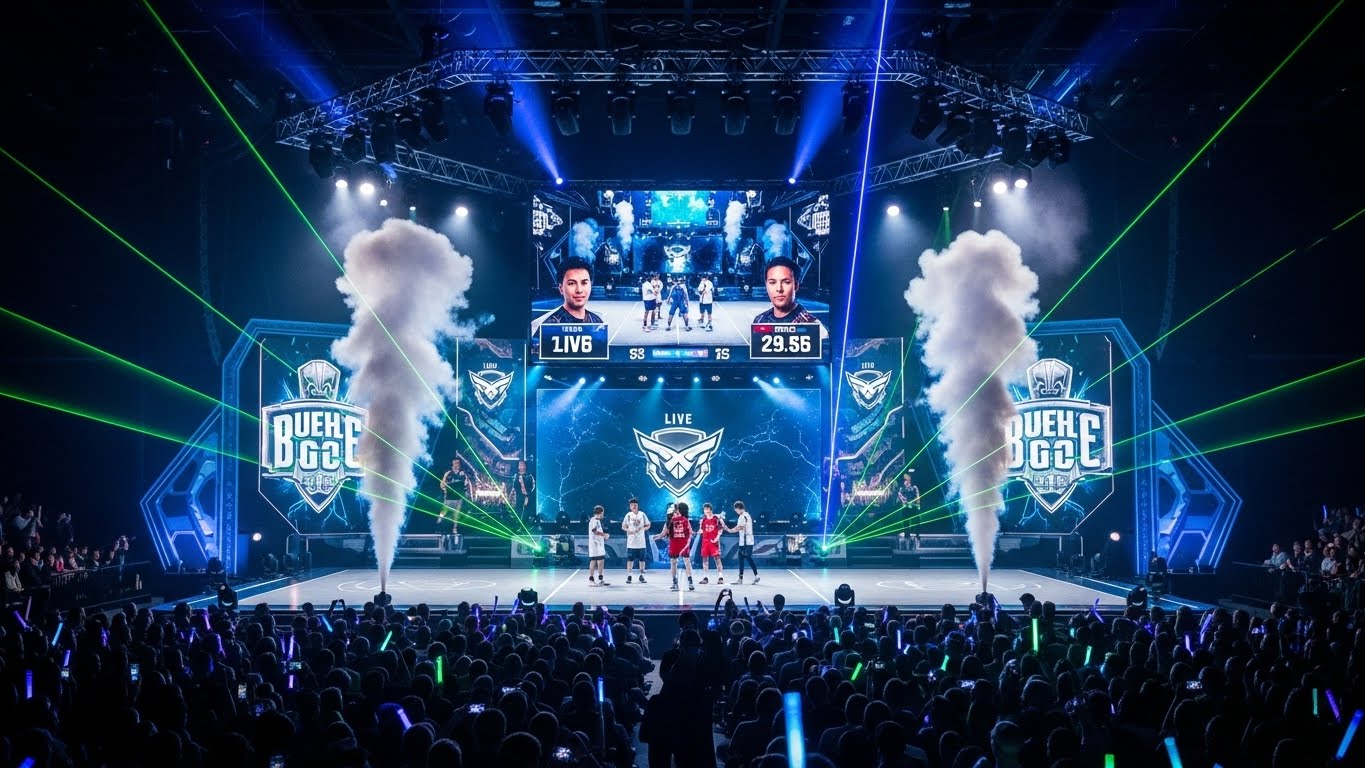
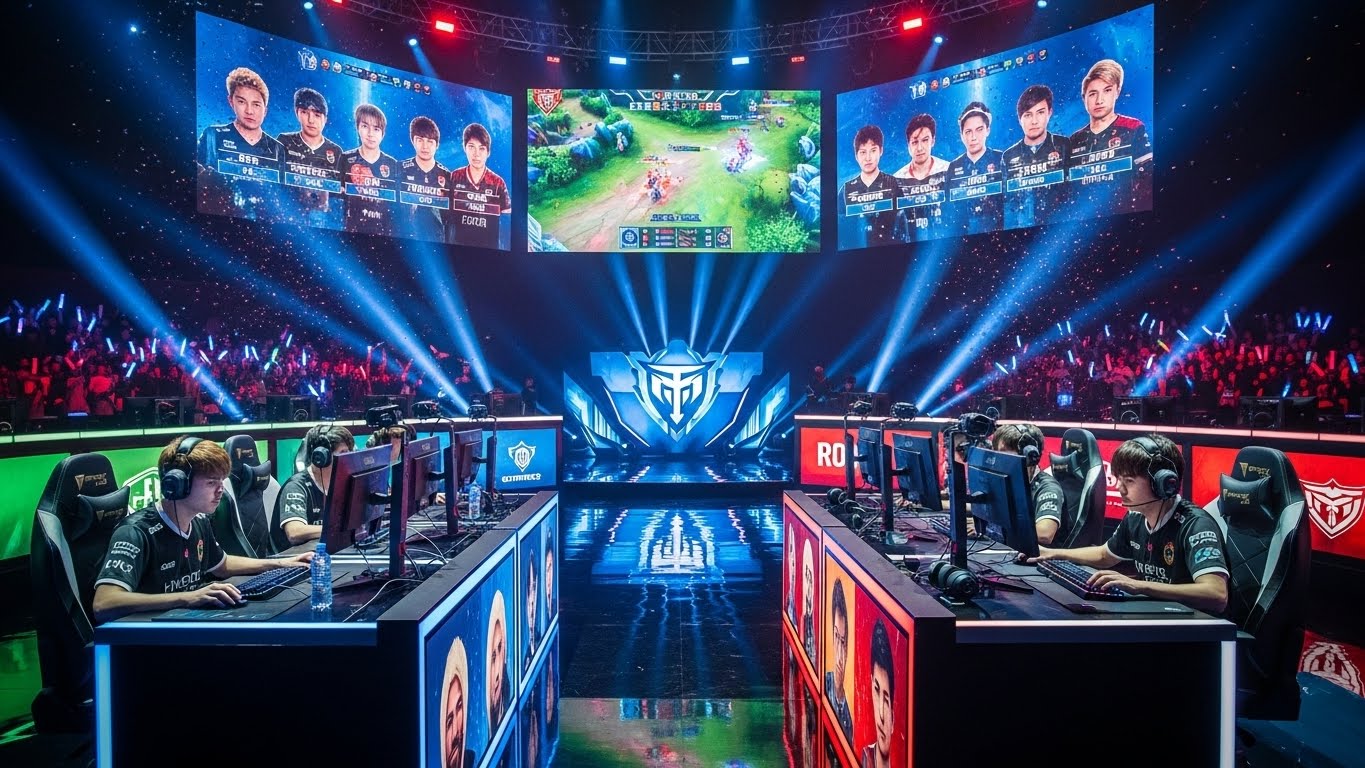
Esports isn’t just about the games themselves; it’s about the spectacle, the fan experience, and the community that surrounds it. As esports grew, it began to resemble traditional sports in many ways, from the production values of tournaments to the size of the audiences. Major events such as The International, League of Legends World Championship, and Overwatch League Finals attract not just players and fans, but corporate sponsors, media networks, and a global audience.
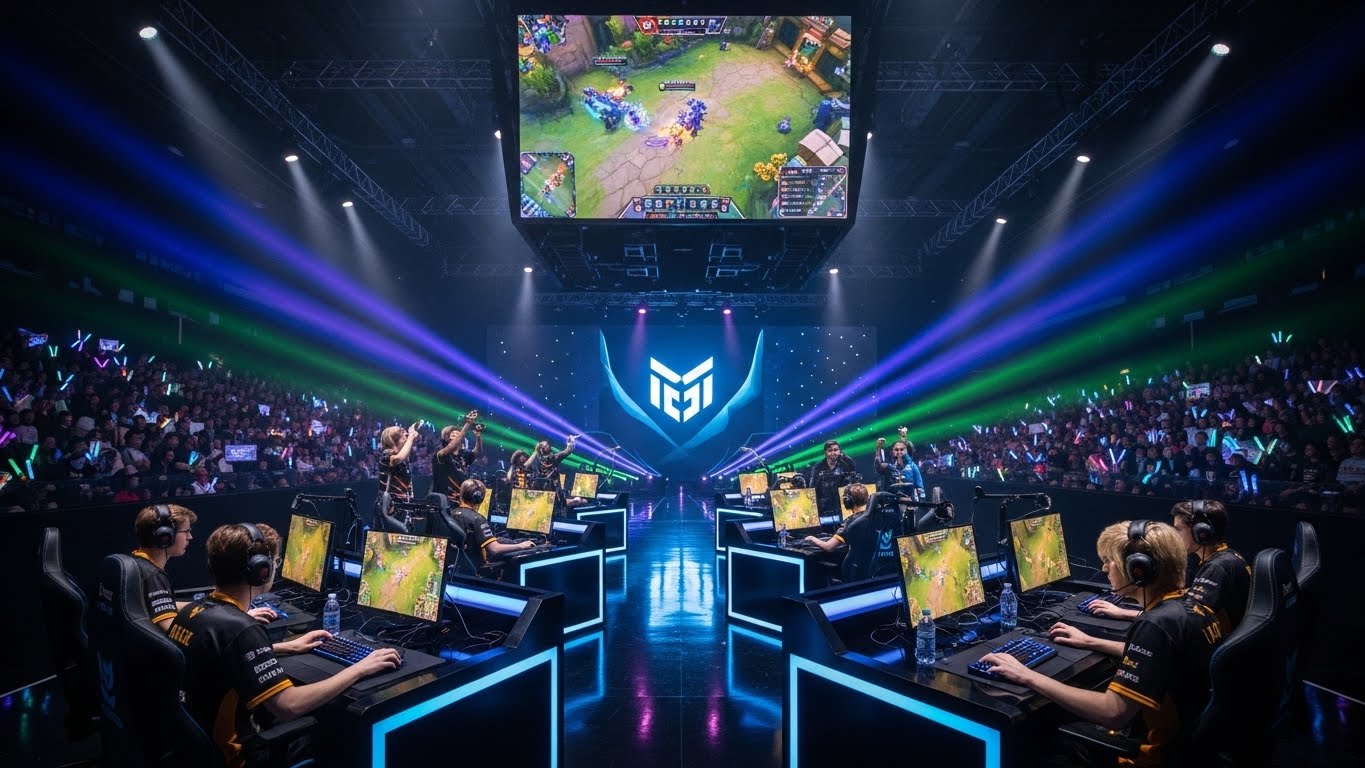
The large-scale tournaments are often held in massive arenas, filled with fans who cheer for their favorite teams and players. These events are broadcast live on various platforms, reaching millions of viewers around the world. For example, the League of Legends World Championship has attracted more viewers than some of the most-watched sporting events, such as the Super Bowl. The global appeal of esports is a testament to its ability to transcend borders and connect people from all walks of life.
One of the key factors in this global appeal is the accessibility of esports. Unlike traditional sports that require specific infrastructure, such as stadiums or playing fields, esports can be played and watched anywhere with an internet connection. This makes it particularly attractive to younger generations who are more digitally connected and have grown up with video games as a part of their daily lives.
The Esports Athlete: Skill, Strategy, and Dedication
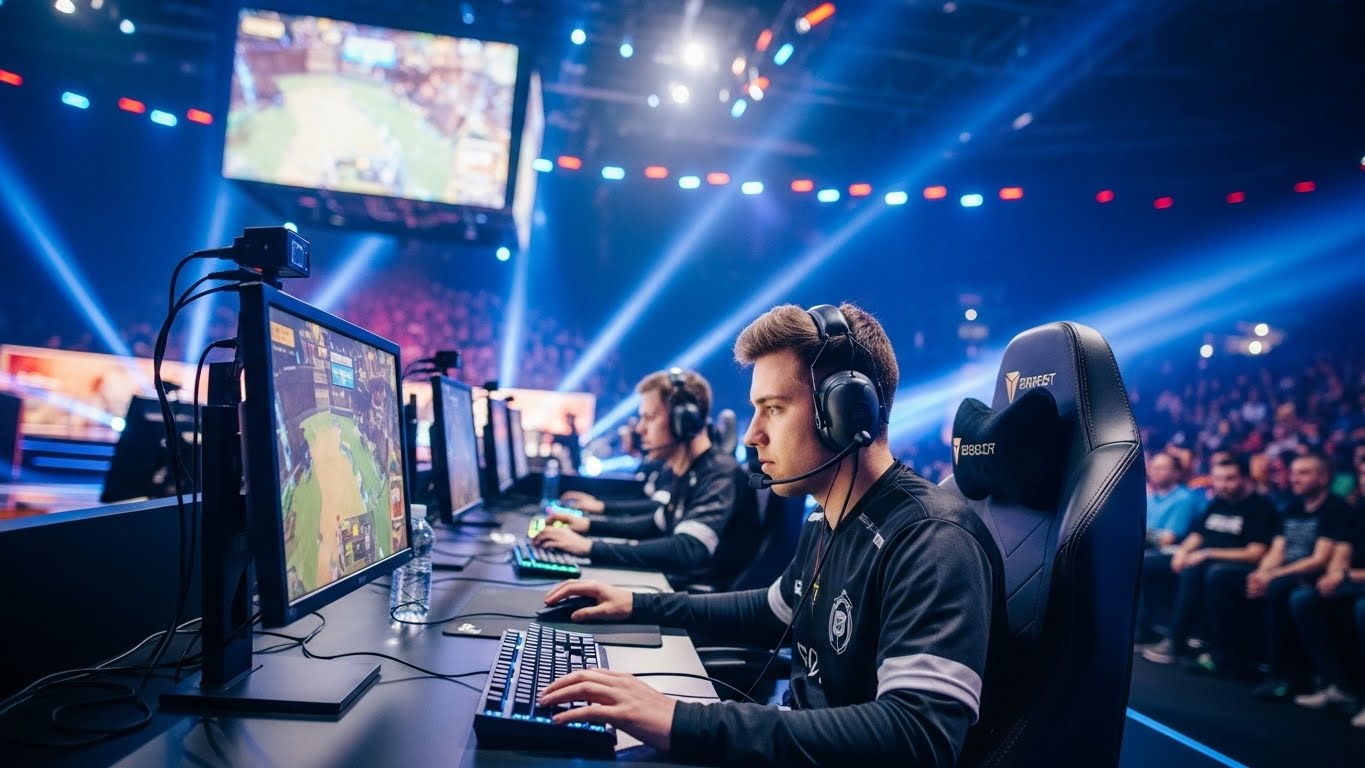
At the heart of esports is the player. Professional esports athletes are highly skilled individuals who spend countless hours training, practicing, and competing to reach the top of their respective games. While they may not be running marathons or lifting weights like traditional athletes, esports players require a different set of physical and mental attributes to succeed.
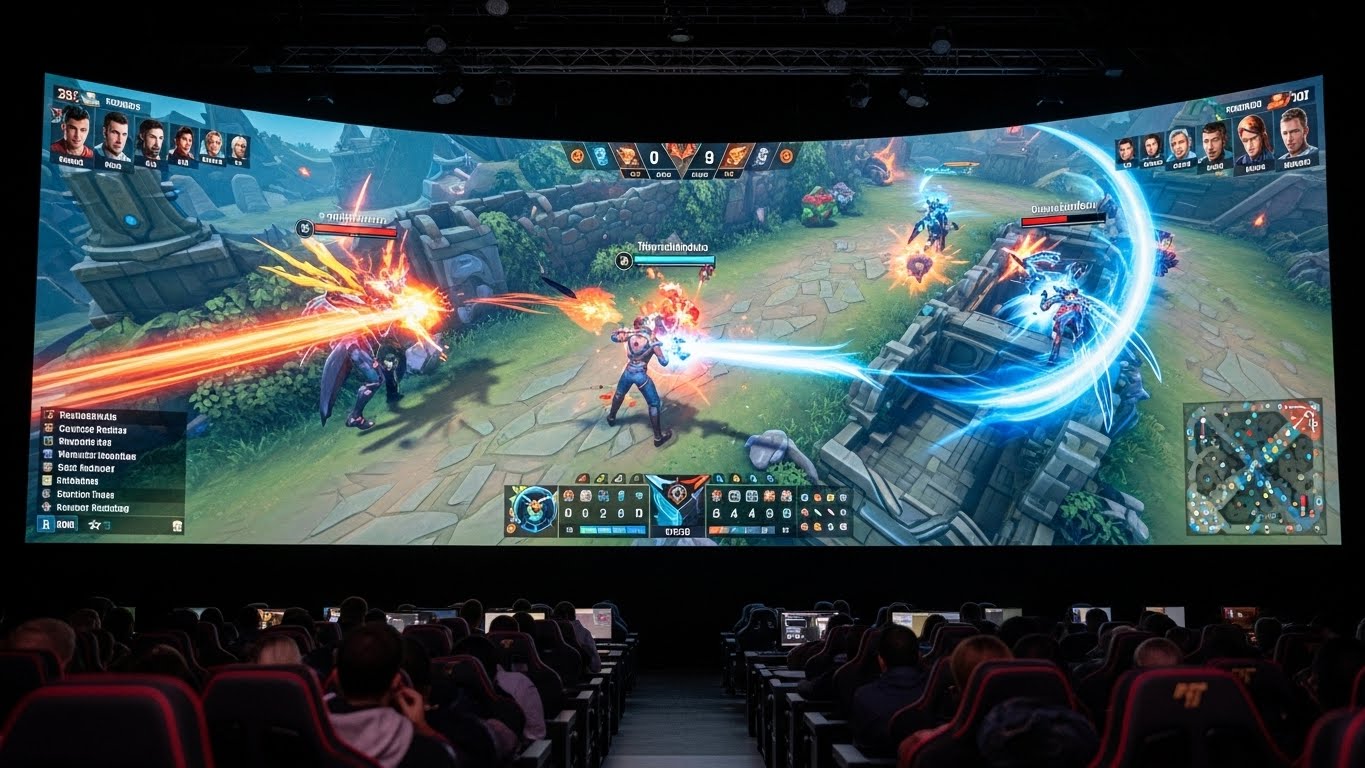
Esports players must have exceptional hand-eye coordination, quick reflexes, and the ability to think strategically under pressure. In many competitive games, players need to process a massive amount of information in real-time, from tracking the positions of multiple opponents to managing resources and making split-second decisions. In games like League of Legends, Dota 2, and Counter-Strike: Global Offensive, the margins between victory and defeat are razor-thin, and every move can have a profound impact on the outcome of a match.
The training regimens of professional players are intense. Many players practice for hours each day, analyzing past matches, refining their strategies, and competing in practice scrims (simulated matches). Just like traditional athletes, esports players need to maintain their physical and mental health, as burnout and stress are common issues in the industry. Some teams even have psychologists and performance coaches to help players deal with the pressures of competition.
Esports as a Cultural Movement
Esports is more than just a form of entertainment; it’s a cultural movement that has captured the imagination of millions around the world. For many, esports is a way to connect with others, share experiences, and be part of something bigger than themselves. Communities form around games and teams, with fans coming together to discuss strategies, share memes, and support their favorite players.
In addition to fostering global communities, esports has also become a platform for self-expression and identity. Players and fans alike embrace gaming culture through cosplay, fan art, and other forms of creative expression. Esports tournaments are not just about the competition; they’re about celebrating the culture that has grown around gaming.
The rise of esports has also blurred the lines between traditional sports and digital entertainment. Many professional sports teams and organizations have invested in esports, forming their own teams and sponsoring esports events. This crossover between traditional and digital sports has helped further legitimize esports in the eyes of mainstream audiences and has paved the way for new types of entertainment experiences.
The Future of Esports: Expanding Horizons
As esports continues to grow, its potential seems limitless. The industry is on track to become one of the biggest sectors in entertainment, with new technologies, expanded global reach, and an ever-expanding audience. There are several exciting trends and developments on the horizon for esports.
One of the most exciting possibilities is the integration of virtual reality (VR) and augmented reality (AR) into competitive gaming. VR could revolutionize esports by offering immersive, 360-degree experiences that blur the line between the digital and physical worlds. Imagine watching a Counter-Strike match from the perspective of a player or experiencing the excitement of a League of Legends battle firsthand.
Additionally, the rise of mobile esports is expected to continue, especially in regions like Asia, where smartphones dominate the gaming market. Mobile gaming titles like PUBG Mobile and Arena of Valor have already attracted massive player bases, and mobile esports tournaments are becoming increasingly popular.
Another exciting development is the potential for esports to become an official part of the Olympic Games. Discussions about the inclusion of esports in the Olympics have been ongoing for years, and some believe it’s only a matter of time before esports becomes a medal event. This would further solidify esports as a legitimate form of competition and attract even more mainstream attention.
Conclusion
Esports has come a long way from its humble beginnings. What started as casual competitions in arcades and online gaming forums has now grown into a global industry that attracts millions of fans and players. From the professionalization of players to the rise of massive tournaments and live-streaming platforms, esports has firmly established itself as a dominant force in entertainment. As the industry continues to evolve and innovate, it’s clear that esports is not just a passing trend—it’s the future of competitive entertainment. Whether you’re a casual gamer or a die-hard esports fan, one thing is certain: the digital revolution is here to stay.