 hubvault77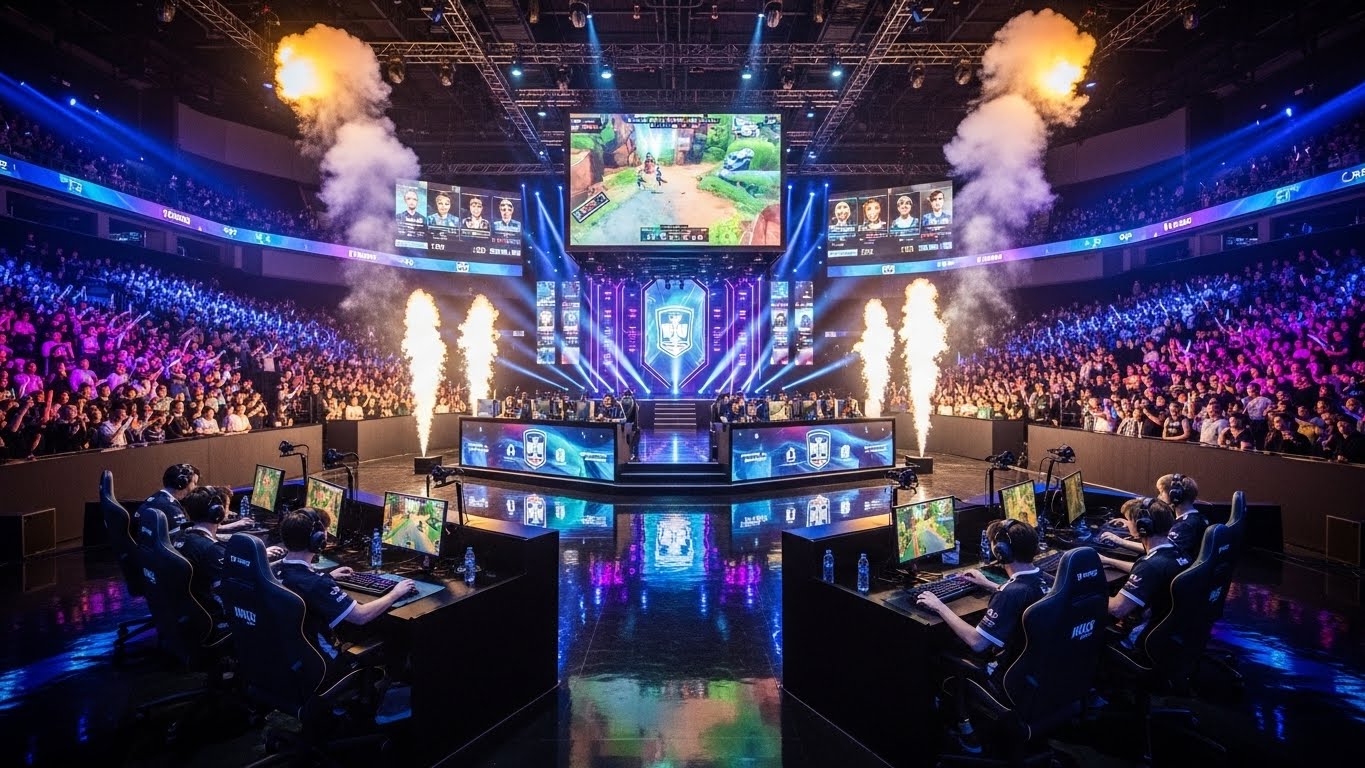
Introduction: Esports – A New Age of Competition
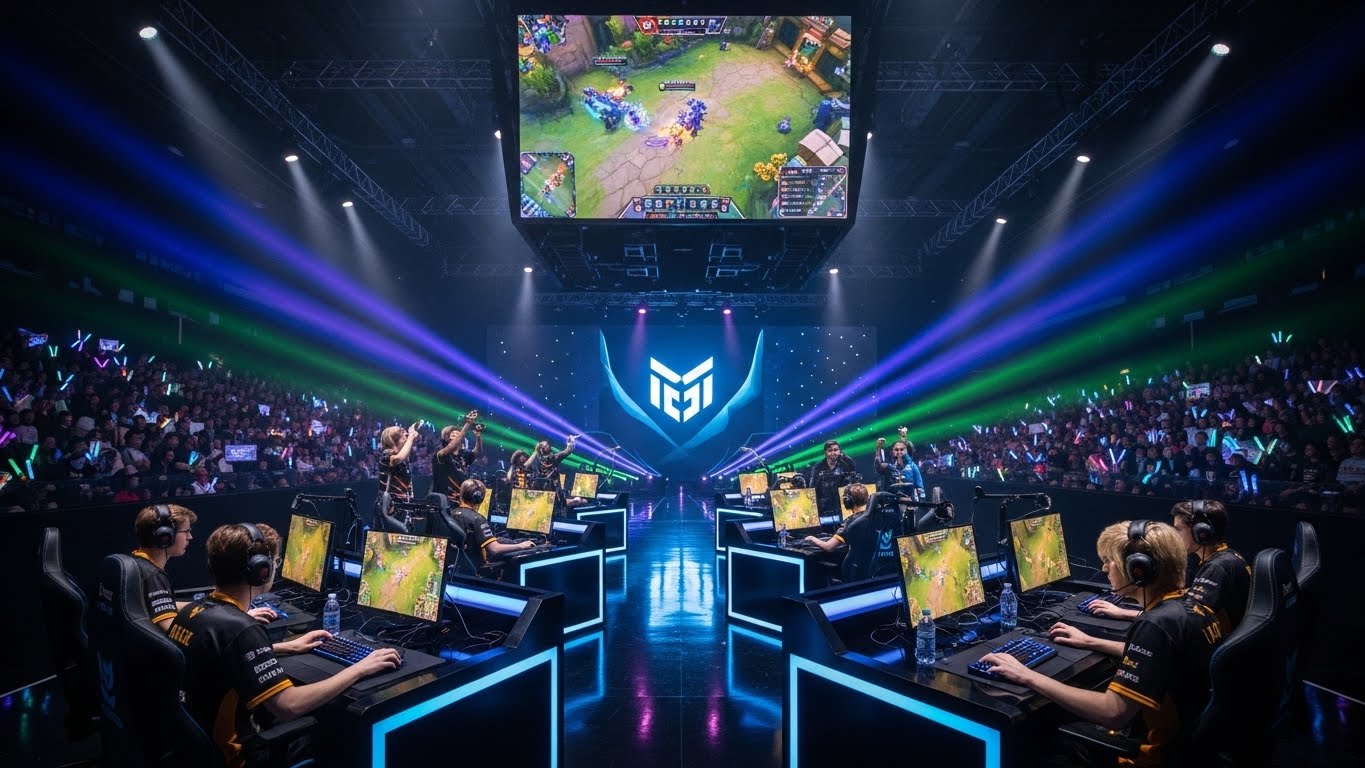
In the past few decades, sports have evolved, taking on new forms and exciting new audiences. From the early days of playing sports for fun to organized, professional competitions on a global stage, the world of athletics has undergone significant changes. Among the most prominent developments is the rise of esports—a digital form of competition played through video games. Esports has experienced exponential growth, quickly moving from casual, basement competitions to worldwide spectacles watched by millions. Esports isn’t just about playing games; it’s a cultural phenomenon that has redefined the meaning of sports and entertainment in the digital age. In this blog, we will explore the evolution of esports, its global impact, its business potential, and its exciting future.
The Evolution of Esports: From Arcade Games to Global Championships
Esports didn’t start as the massive industry it is today. The roots of competitive gaming trace back to the early 1970s, when the first arcade games were released. While these games were primarily designed for single-player entertainment, some like Space Invaders and Pong introduced the concept of competition, even if just for high scores. The real leap toward esports began in the 1990s with the development of multiplayer games, particularly online multiplayer games, where players could interact in real time from different locations.
Games like Warcraft, StarCraft, Counter-Strike, and Quake helped lay the foundation for organized online competitions. These games required skill, strategy, and teamwork, traits that became central to esports. The first official esports tournament took place in 1997, when Red Annihilation, a Quake tournament, was held at the Electronic Entertainment Expo (E3), attracting hundreds of players and spectators. From there, the esports scene grew rapidly, with major events like the World Cyber Games (WCG) in 2000 and the Electronic Sports World Cup (ESWC) that helped solidify esports as a serious form of competition.
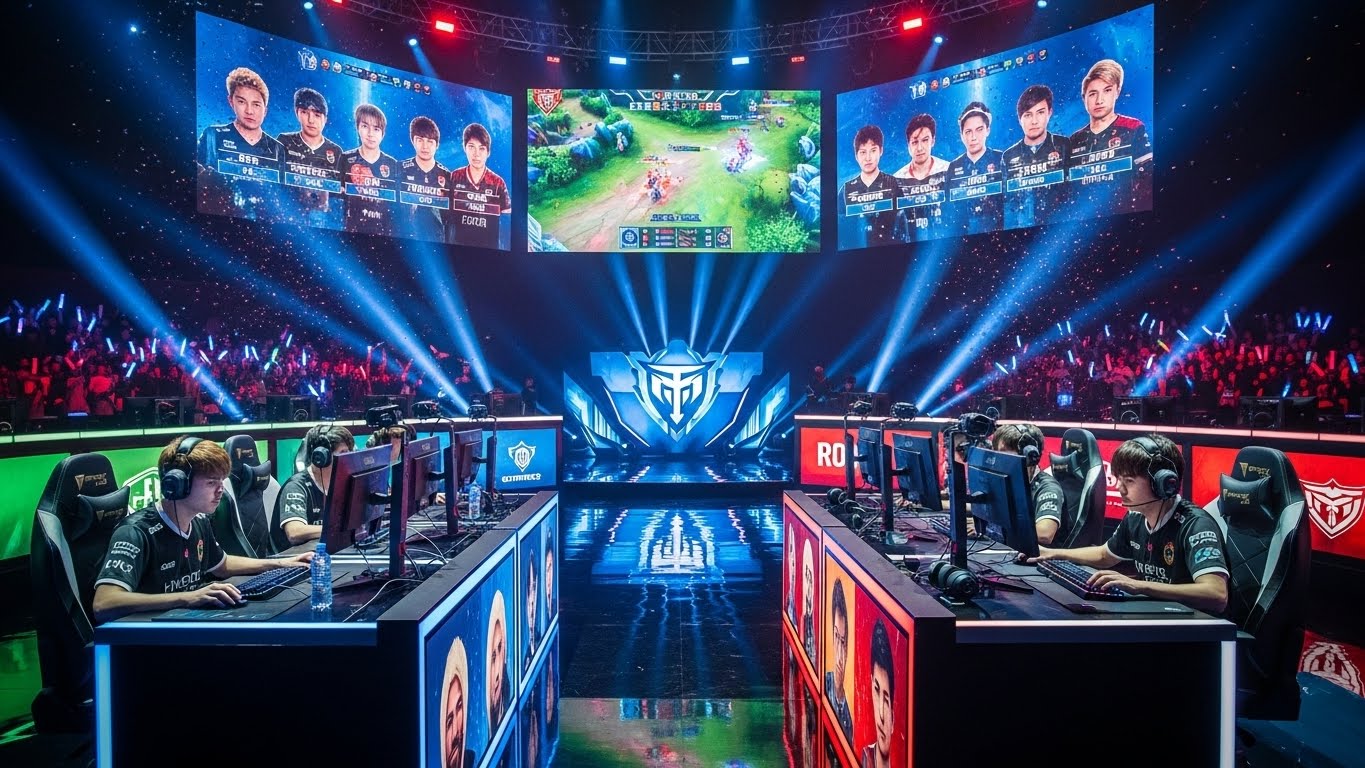
As internet speeds improved and gaming became more accessible, esports flourished. The early 2000s saw the rise of major professional leagues and tournaments, such as the World of Warcraft Arena Championship, and a few years later, the League of Legends World Championship in 2011. The rapid growth of these events marked the arrival of esports as a legitimate, organized, and global sport.
What Makes Esports So Popular?
Esports has become a cultural and entertainment force, drawing millions of fans worldwide. The reasons for its immense popularity are manifold. First and foremost, the accessibility of gaming is a significant factor. Unlike traditional sports that require physical space, equipment, and sometimes a team, esports requires only a computer or gaming console and an internet connection. With the proliferation of gaming consoles and PCs, nearly anyone can participate in or watch esports, regardless of location or financial status.
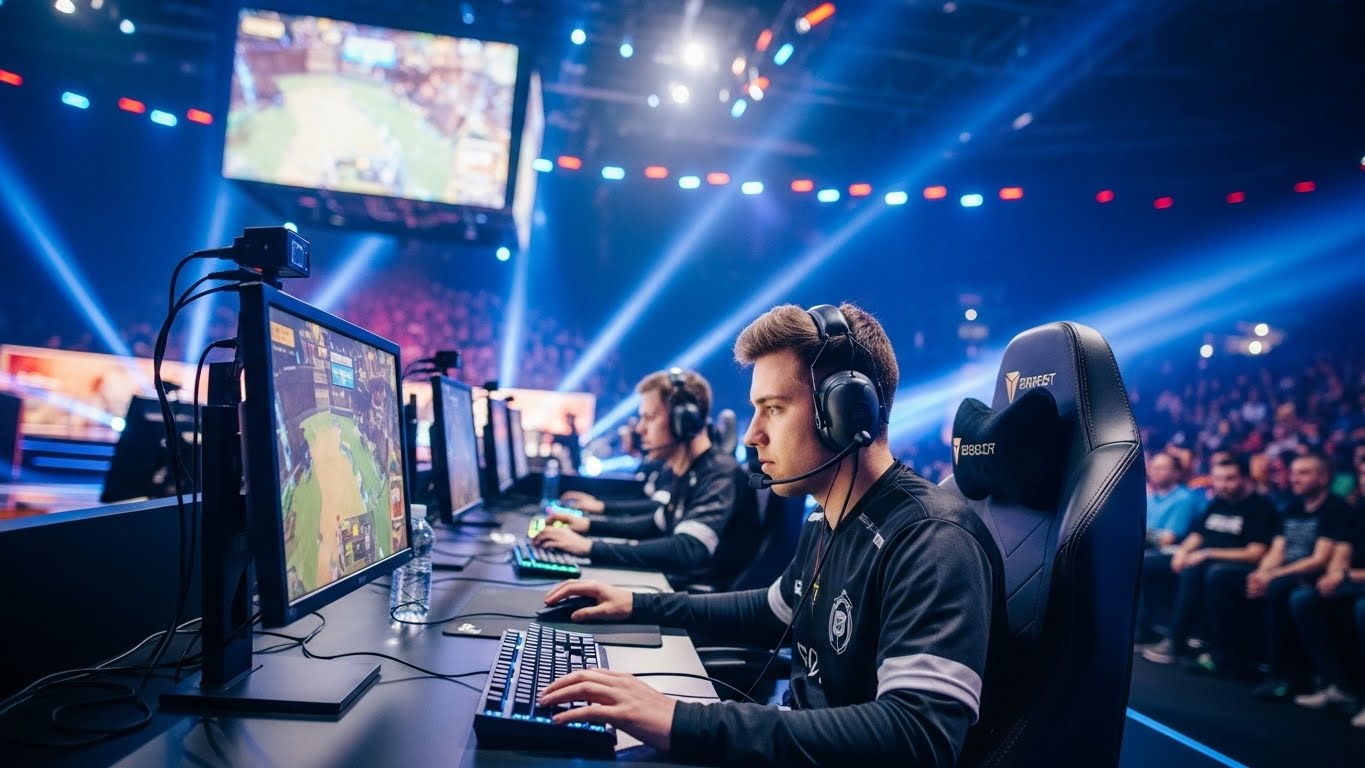
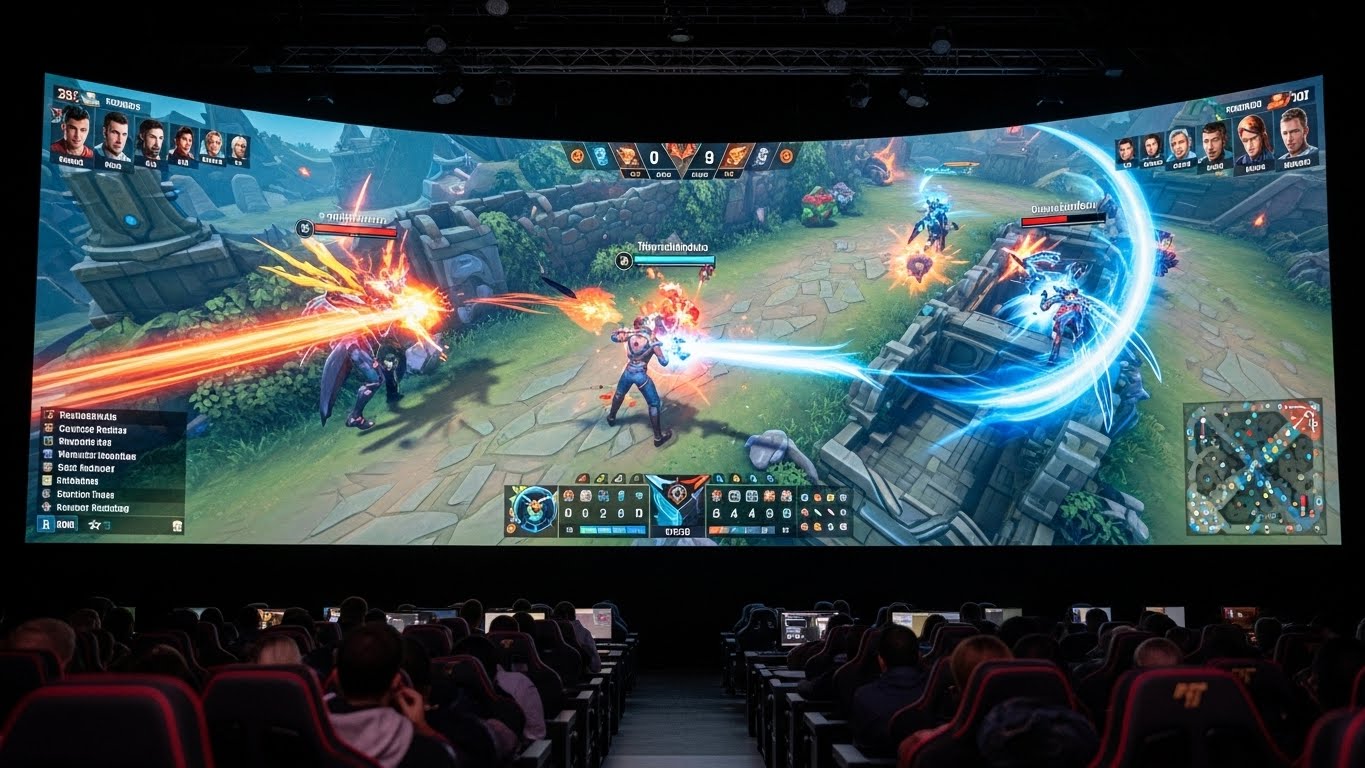
Another driving factor is the sheer excitement and skill involved. Esports tournaments feature games that require not only raw talent but also exceptional strategic thinking, communication, and coordination among teams. The speed of these games and the high level of competition keep fans engaged and on the edge of their seats. Whether it’s the fast-paced action of Overwatch, the strategy of Dota 2, or the teamwork of CS:GO, esports offers something for everyone. Spectators are not just watching players; they’re watching athletes push their mental and physical limits, which makes for compelling entertainment.
Furthermore, esports enjoys a strong sense of community. Fans connect with their favorite players, teams, and games in meaningful ways. The rise of streaming platforms like Twitch and YouTube Gaming has allowed gamers to interact with their fans in real-time, creating a sense of intimacy and personal connection that traditional sports may lack. Esports also enables people from all over the world to connect, share their experiences, and support their favorite players, which strengthens its global appeal.
The Business of Esports: A Billion-Dollar Industry
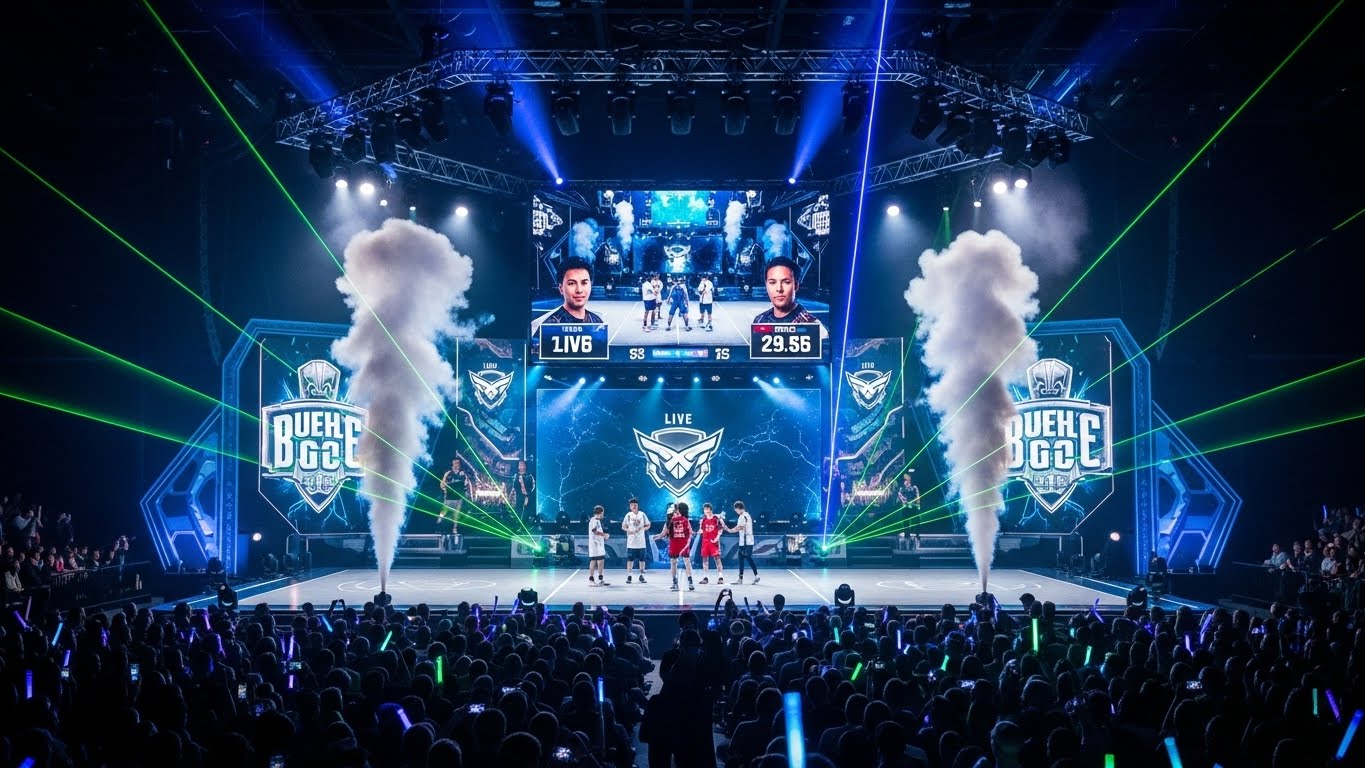
Esports is no longer a niche hobby; it’s a multi-billion-dollar industry. According to recent reports, the global esports market is expected to surpass $1 billion in revenue, with sponsorships, media rights, advertising, merchandise, and ticket sales driving this immense financial growth. Sponsorships are particularly lucrative, with major brands in sectors like technology, automotive, food, and apparel flocking to esports for marketing opportunities. Companies like Intel, Coca-Cola, Nike, and Mercedes-Benz have all signed major deals with esports teams and events, tapping into the lucrative young and tech-savvy demographic that makes up the bulk of esports’ audience.
The commercial viability of esports has led to significant investment from both traditional sports organizations and entertainment giants. In 2016, MSG Ventures (the parent company of Madison Square Garden) and Axioma jointly invested in esports organizations like Team Liquid and Echo Fox. This influx of investment helped boost the legitimacy and sustainability of esports as a professional and business venture.
Esports has also seen the rise of major media networks and streaming platforms, which broadcast competitions and offer extensive coverage. Networks like ESPN, TBS, and Fox Sports have all aired esports events, while streaming platforms like Twitch have become the go-to places for live esports content. This exposure has helped increase esports’ mainstream appeal, bridging the gap between digital gaming culture and traditional sports fans.
The Professionalization of Esports Players
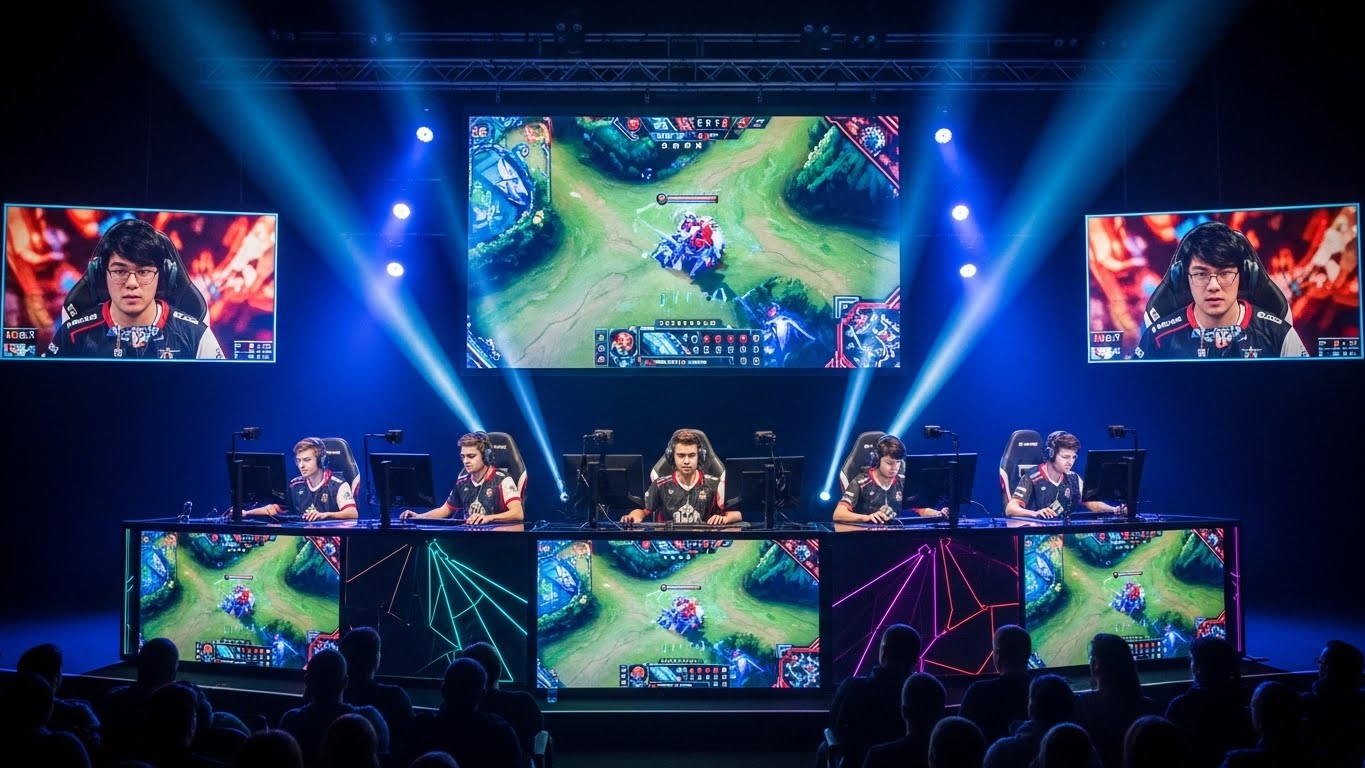
While esports began as a hobby for many, it has transformed into a career for hundreds, if not thousands, of players worldwide. Esports athletes are treated like traditional sports professionals, with sponsorships, dedicated training regimens, and travel schedules. Players train for hours each day, perfecting their skills and strategies, with the goal of reaching the top of their game. Many professional esports players are now regarded as stars, earning income not only from tournament winnings but also from sponsorships, streaming, and merchandise sales.
The life of an esports athlete, however, is not without challenges. The intense pressure to perform and the grueling practice schedules can lead to burnout and mental health struggles. Many professional players face anxiety, depression, and stress, due to the high expectations placed on them by fans and organizations. The physical toll of sitting for long hours and the repetitive nature of the gameplay can also cause strain. As esports continues to mature as an industry, there is a growing awareness of the need for better mental health support and physical well-being programs for players.
Esports as a Social and Cultural Phenomenon
Esports has evolved into much more than just a sport; it is a cultural force that brings together diverse communities. The growth of fan bases, influencers, and streamers has created a vibrant ecosystem where players, fans, and content creators collaborate and share experiences. This sense of community extends beyond gameplay, as fans engage in social media discussions, watch parties, and other forms of interaction.
Moreover, esports has become a platform for social change and inclusion. With players and fans coming from diverse backgrounds, esports has created a more inclusive space than many traditional sports. Gender equality and the fight against discrimination are becoming important conversations within the esports world, with initiatives aimed at supporting women in gaming, promoting diversity, and creating safer spaces for everyone.
The Future of Esports: What Lies Ahead?
As esports continues to grow, its potential seems limitless. The rise of virtual reality (VR) and augmented reality (AR) gaming could take esports to new heights, offering more immersive experiences and interactive competitions. The expansion of 5G technology will make gaming and streaming even more seamless, allowing for smoother gameplay and lower latency in online competitions. In addition, the integration of blockchain technology and NFTs could further revolutionize how esports players, teams, and fans engage with the industry.
Esports will likely continue to expand into new regions, with emerging markets in Asia, Latin America, and the Middle East already showing significant interest. The future may also see the creation of more formalized esports leagues, similar to traditional sports leagues like the NFL or NBA, with franchises, salaries, and long-term career opportunities for players.
Esports may also continue to gain recognition as an official sport in more countries, leading to Olympic inclusion, much like other activities such as chess and karate. As esports evolves, it will likely play a larger role in the cultural landscape, influencing not only how we view sports but also how we engage with technology and entertainment.
Conclusion: Esports and the Changing Face of Sports Entertainment
Esports has transformed from a niche hobby into a global industry that rivals traditional sports in terms of revenue, viewership, and influence. It is reshaping the way we think about competition, entertainment, and digital culture. As technology continues to advance and the esports community grows, we can expect even greater innovations and opportunities within the industry. Whether you’re a player, a fan, or simply an observer, there’s no doubt that esports is here to stay, and its future is more exciting than ever before.
The digital age has created a new type of sports competition that transcends physical boundaries and connects people across the world in ways that were once unimaginable. Esports is the sport of the future, and its impact on entertainment, culture, and business will only continue to expand.