 hubvault77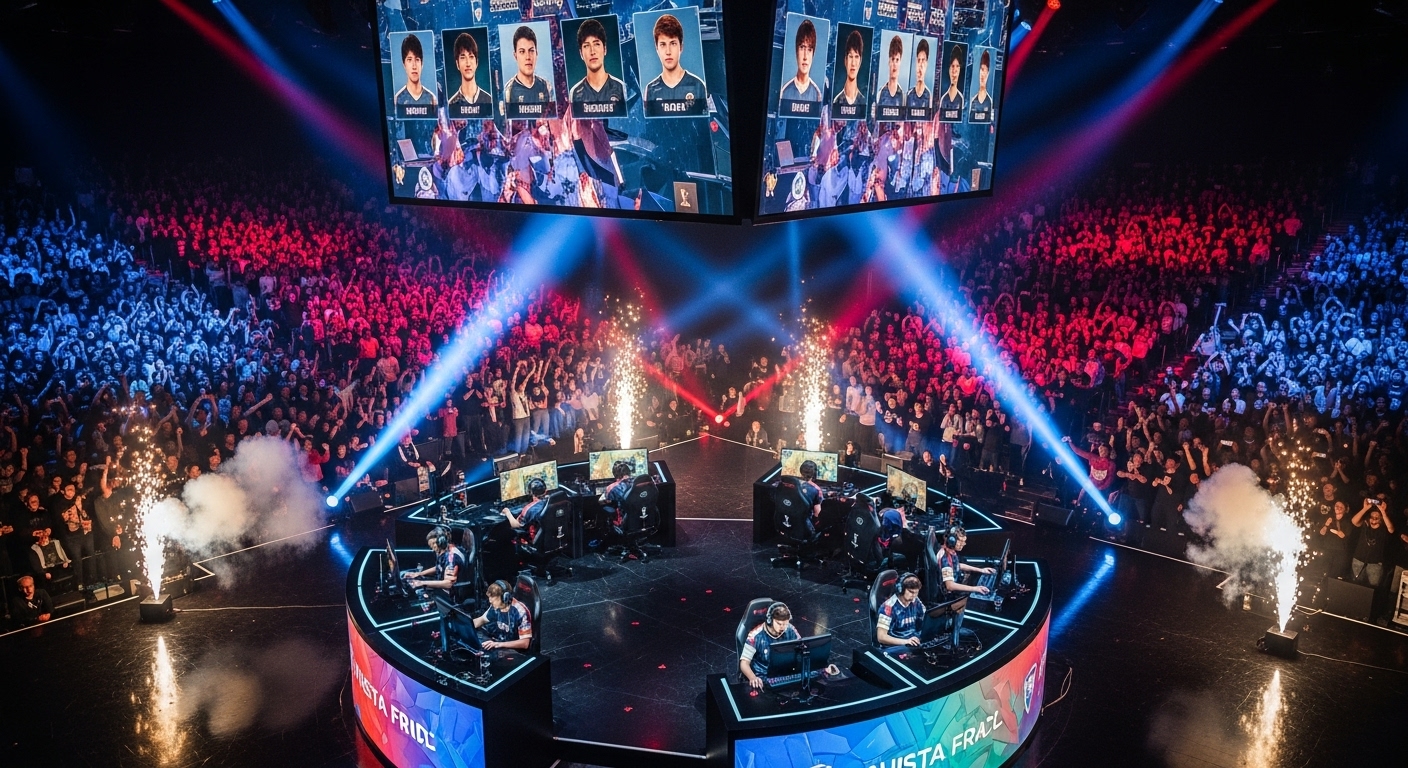
Introduction
Esports, short for electronic sports, has transformed from a casual hobby into one of the fastest-growing industries in the world. It combines competitive gaming, entertainment, technology, and culture in a way that appeals to millions of people globally. Unlike traditional sports, esports allows players to compete in virtual arenas, engage with fans online, and pursue careers entirely within digital landscapes.
Over the past few decades, esports has evolved from small tournaments in university labs to stadium-filling events with professional teams, sponsorships, and global audiences. This blog explores the history, growth, technology, culture, and future of esports, highlighting how it has become a mainstream phenomenon that rivals traditional sports in influence and popularity.
The Origins of Esports
The origins of esports can be traced back to the 1970s and 1980s when arcade competitions became popular. Players competed for high scores in games such as “Space Invaders” and “Pac-Man,” marking the first organized attempts at competitive gaming. These competitions were primarily local, but they sparked the idea that gaming could be more than casual entertainment.
With the advent of personal computers and local area networks in the 1990s, competitive gaming began to expand. Games like “Doom,” “Quake,” and “Warcraft” allowed players to compete in multiplayer settings. Small tournaments were organized in schools, colleges, and gaming clubs, laying the foundation for professional competition.
The rise of the internet enabled global competition. Players could connect and compete online, forming communities and fostering rivalries that transcended local boundaries. This period marked the beginning of esports as a serious competitive and cultural phenomenon.
The Growth of Competitive Gaming
The late 1990s and early 2000s saw the rise of multiplayer online games that became the cornerstone of esports. Games like “StarCraft,” “Counter-Strike,” and “Warcraft III” introduced high-level strategy, teamwork, and skill-based gameplay. Competitive leagues and tournaments began offering cash prizes, sponsorship deals, and recognition for top players.
South Korea played a pivotal role in shaping professional esports. “StarCraft” competitions in South Korea became televised events, with professional players treated like athletes. Esports training facilities emerged, and players followed rigorous schedules similar to traditional sports athletes. This professionalization set a benchmark for esports worldwide.
The popularity of esports spread across Asia, Europe, and North America, with tournaments gaining global audiences. The creation of organized leagues and professional teams marked the shift from casual gaming to a structured, professionalized industry.
Major Esports Titles
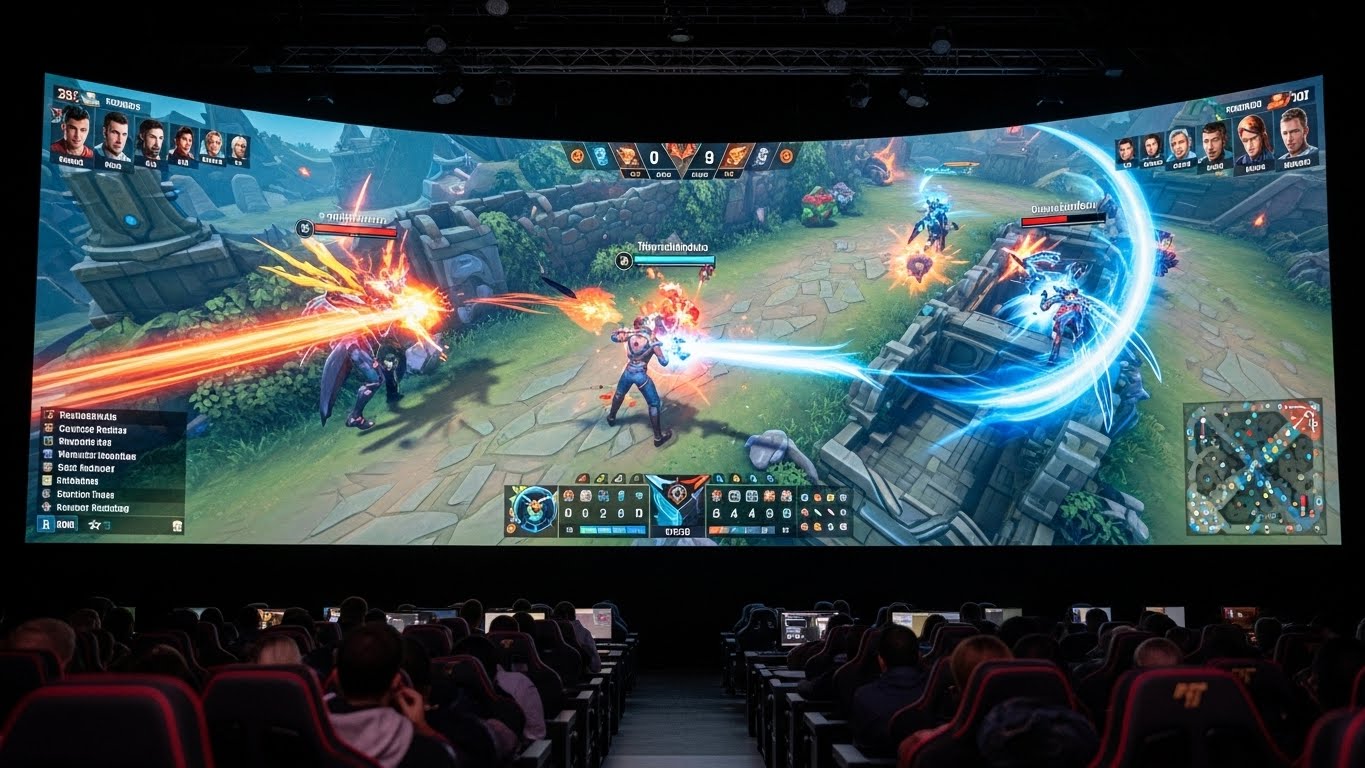
Esports encompasses a wide range of game genres, each with its competitive scene and audience. Multiplayer online battle arena (MOBA) games like “League of Legends” and “Dota 2” have some of the largest player bases and tournament prize pools. Their strategic depth and team-based gameplay make them a favorite for professional competition.
First-person shooters (FPS) such as “Counter-Strike: Global Offensive” and “Call of Duty” emphasize precision, strategy, and fast reflexes. These games have robust competitive scenes with global tournaments and professional teams. Battle royale titles like “Fortnite” and “PUBG” offer dynamic gameplay and mass appeal, attracting younger audiences and casual players.
Other genres, including fighting games, real-time strategy, and sports simulations, have also contributed to the diversity of esports. Each title requires a unique combination of skill, strategy, and adaptability, providing endless opportunities for competition and innovation.
The Rise of Esports Tournaments
Esports tournaments have evolved from small local events to massive international spectacles. Early tournaments featured limited cash prizes and small audiences, often restricted to online streaming.
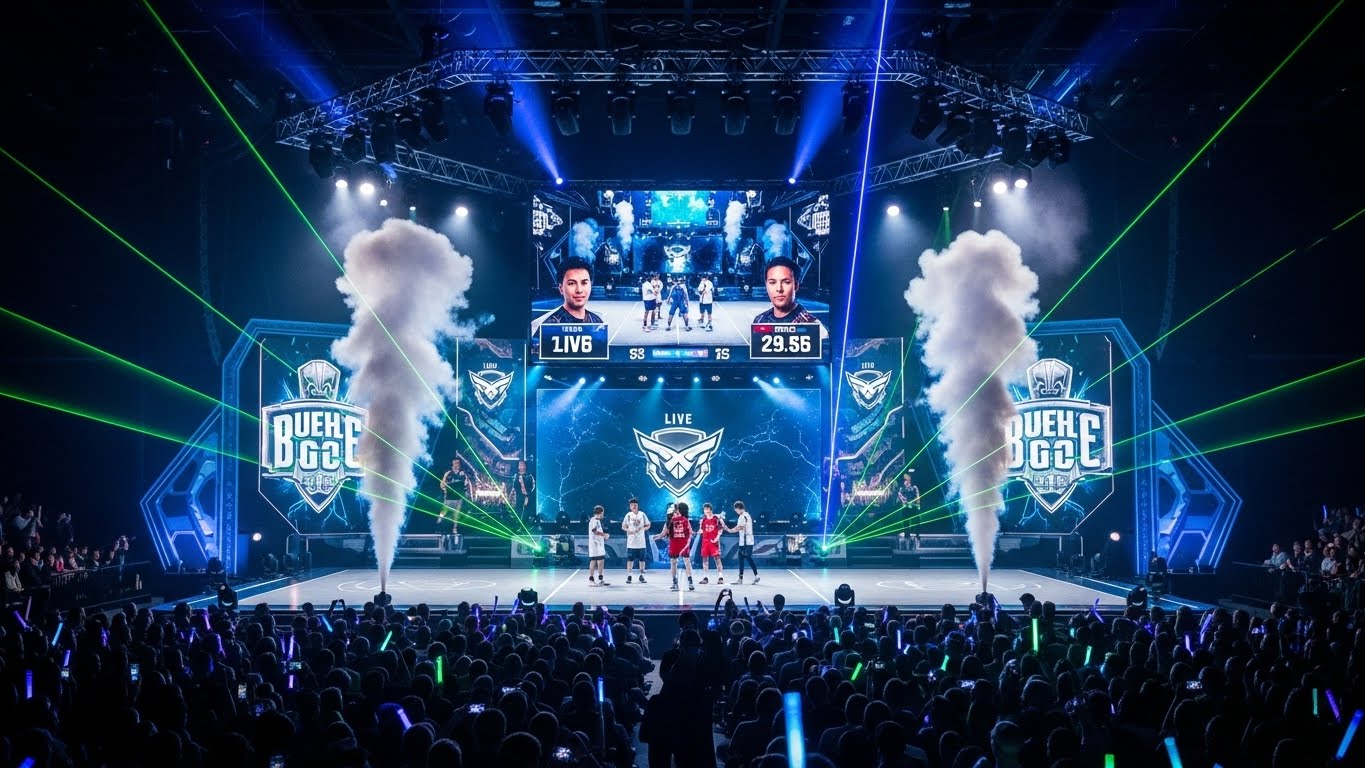
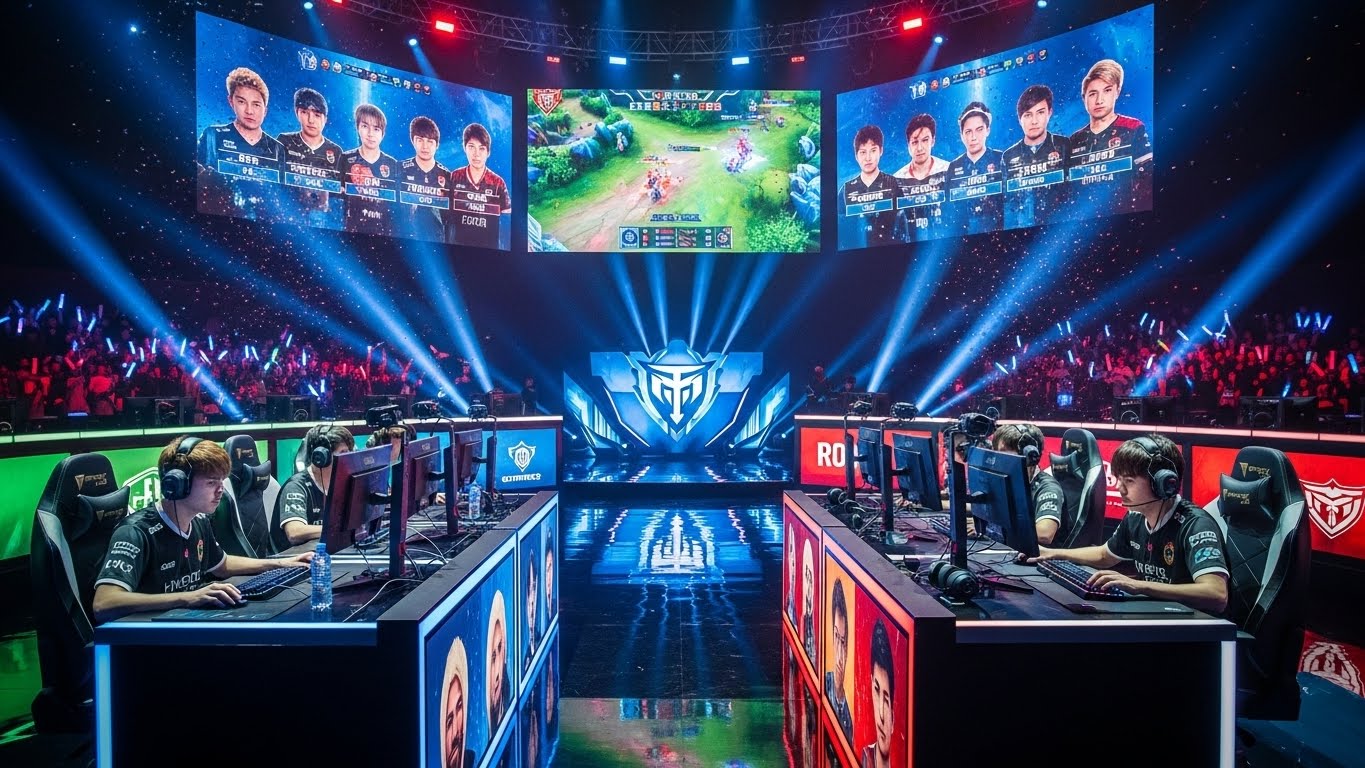
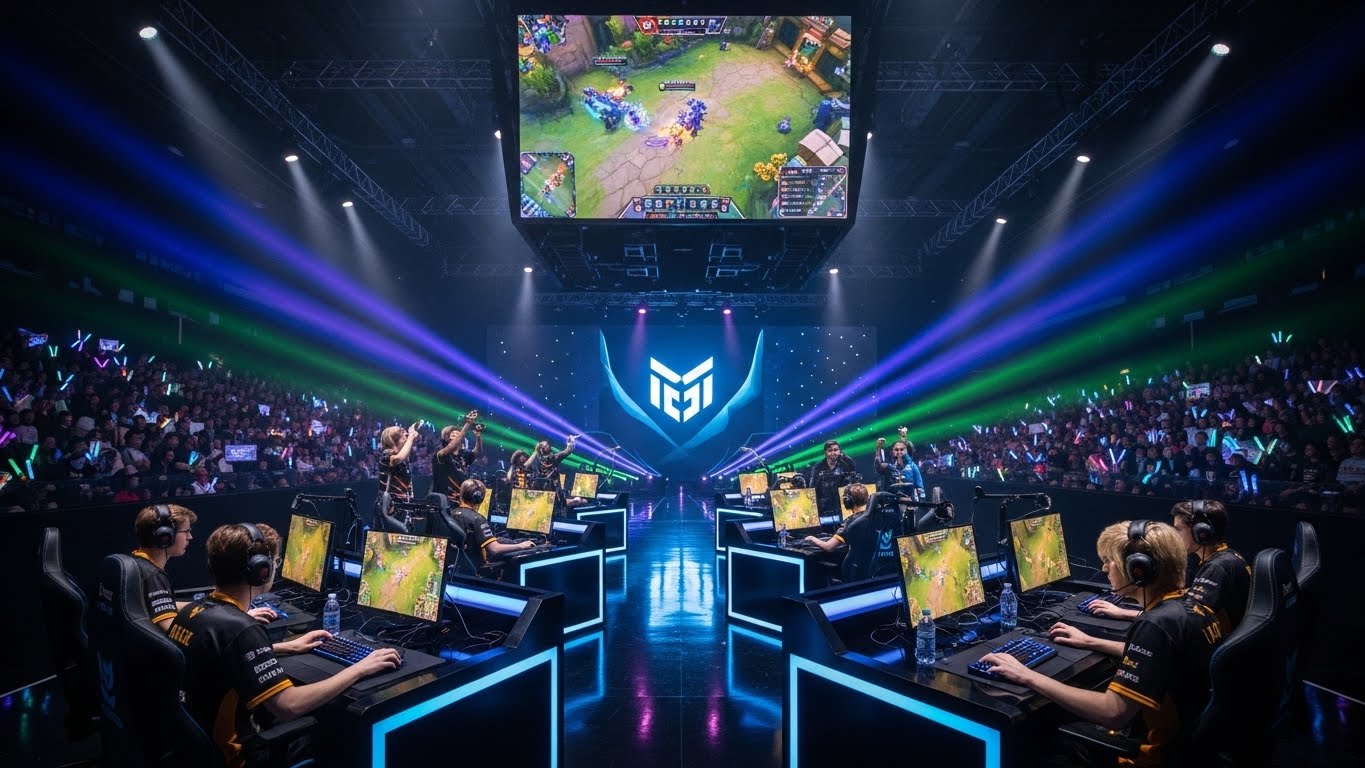
Today, tournaments like “The International” for Dota 2, the “League of Legends World Championship,” and the “Fortnite World Cup” offer multimillion-dollar prize pools and attract millions of viewers globally. These events are held in stadiums, broadcast on streaming platforms, and supported by global sponsors.
Streaming platforms play a critical role in the growth of esports tournaments. Platforms like Twitch and YouTube Gaming allow fans to watch live competitions, interact with players, and experience the excitement in real time. The combination of live events and streaming has transformed esports into a spectator-driven industry.
Esports as a Professional Career
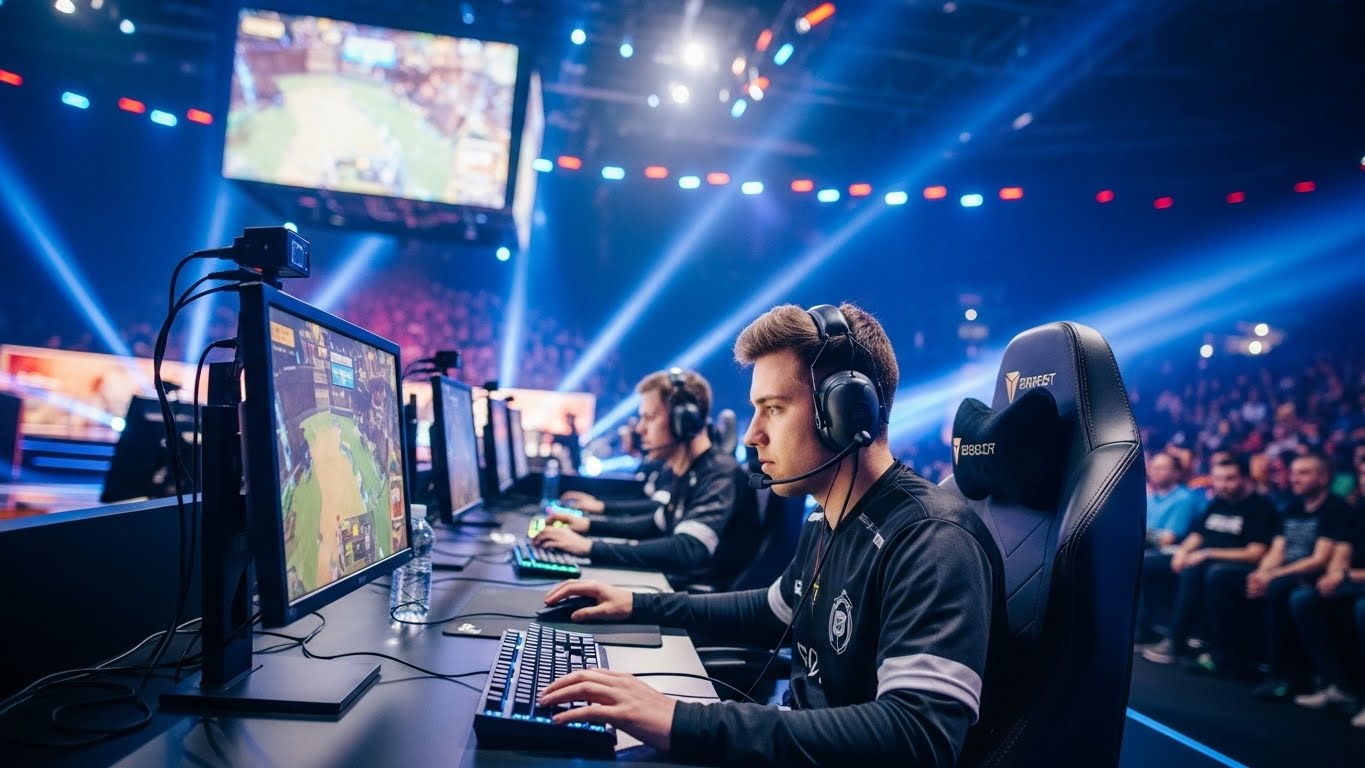
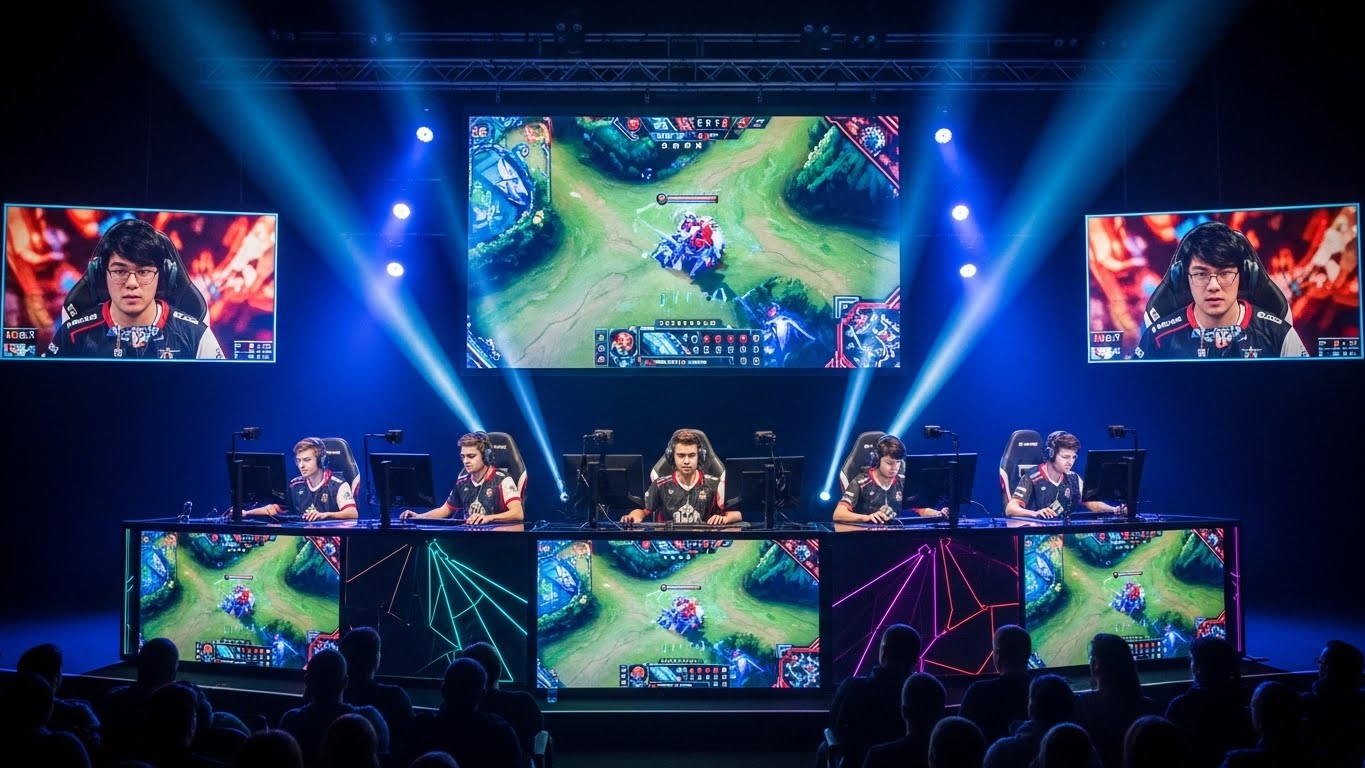
Esports has become a viable career path for players, coaches, analysts, and support staff. Professional players follow strict training regimens, often practicing six to ten hours daily to maintain competitive performance. Teams employ coaches to develop strategies, analysts to study opponents, and nutritionists and psychologists to optimize performance.
Salaries for top esports players can rival those of traditional athletes. Sponsorship deals and tournament winnings provide additional income, making professional gaming a sustainable career. The industry also offers opportunities beyond playing professionally, including game development, broadcasting, content creation, and event management.
The professionalization of esports has established a structured ecosystem, where players, teams, leagues, and sponsors work together to maintain competitiveness, entertainment value, and global reach.
Technology Driving Esports
Technology is the backbone of esports. High-speed internet, powerful gaming hardware, and advanced software enable competitive gameplay at the highest level. Spectator modes, replay analysis, and data analytics enhance both player performance and fan engagement.
Artificial intelligence is increasingly used to study gameplay, predict strategies, and provide personalized recommendations for players. Virtual reality and augmented reality offer the potential to create immersive esports experiences that bridge the gap between virtual and physical competition.
Cloud gaming is another transformative technology, allowing players to compete on powerful servers without needing expensive hardware. This expands accessibility and enables more players to participate in competitive esports.
The Economics of Esports
Esports is a multibillion-dollar industry with diverse revenue streams. Major sources of income include tournament winnings, sponsorships, advertising, media rights, and in-game purchases. Brands recognize esports as a powerful marketing tool to reach a young, digitally engaged audience.
Companies invest in esports teams, tournaments, and streaming content to gain visibility and connect with fans. Game developers benefit from long-term engagement with players, while streaming platforms monetize viewership through subscriptions, advertisements, and donations.
The global esports economy continues to grow, attracting investment from technology companies, media conglomerates, and venture capital. Its expansion demonstrates the legitimacy and profitability of esports as a modern entertainment industry.
Esports and Global Culture
Esports has become a cultural phenomenon that transcends borders. Fans from diverse backgrounds unite to celebrate shared interests, participate in online communities, and attend live events. Esports influences music, fashion, media, and lifestyle, creating a distinct culture around competitive gaming.
Traditional sports have embraced esports, with professional leagues creating esports divisions and athletes investing in competitive gaming teams. Colleges and universities offer esports scholarships, recognizing the skills and dedication required to compete at a high level.
Streaming culture also contributes to esports’ global influence. Players and content creators share gameplay with millions of followers, creating interactive entertainment experiences that combine competition, education, and community engagement.
Challenges in Esports
Despite its rapid growth, esports faces several challenges. Regulatory issues vary across countries, affecting tournament organization, betting, and player rights. Mental and physical strain on professional players can lead to burnout, health issues, and short career spans.
Maintaining fair play is another challenge. Cheating, match-fixing, and performance-enhancing software threaten the integrity of competitions. Industry stakeholders address these issues through strict rules, monitoring systems, and anti-cheating technologies.
Balancing commercial interests with player welfare, ethical practices, and community engagement remains essential for the sustainable development of esports.
The Future of Esports
The future of esports promises further expansion and innovation. Emerging technologies such as virtual reality, artificial intelligence, and 5G connectivity will enhance gameplay, spectator experiences, and global accessibility.
Esports will continue to integrate with traditional sports, entertainment, and education, creating hybrid events and global tournaments. Mobile esports and cloud-based platforms will expand access, allowing more players to compete regardless of hardware limitations.
Responsible gaming, inclusivity, and ethical standards will shape the industry, ensuring sustainable growth. Communities will evolve through virtual and physical experiences, combining social interaction with competitive entertainment.
The professional ecosystem will expand, providing more opportunities for players, coaches, analysts, content creators, and event organizers. Esports is poised to become an even more integral part of the global entertainment and cultural landscape.
Conclusion
Esports has evolved from modest beginnings in arcades and small tournaments into a global entertainment powerhouse. It combines technology, competition, culture, and community in a unique and dynamic way.
Professional leagues, international tournaments, streaming platforms, and global fan communities have transformed esports into a mainstream phenomenon. The industry offers career opportunities, fosters innovation, and unites people across the globe.
As technology advances and the industry matures, esports will continue to shape entertainment, culture, and digital interaction. Its growth demonstrates the potential of competitive gaming to redefine what it means to play, compete, and connect in the modern era.
Esports is more than a pastime—it is a cultural movement, a professional pursuit, and a testament to the transformative power of technology and human creativity. The future of esports promises even more immersive experiences, global accessibility, and lasting impact on the world of entertainment.