 hubvault77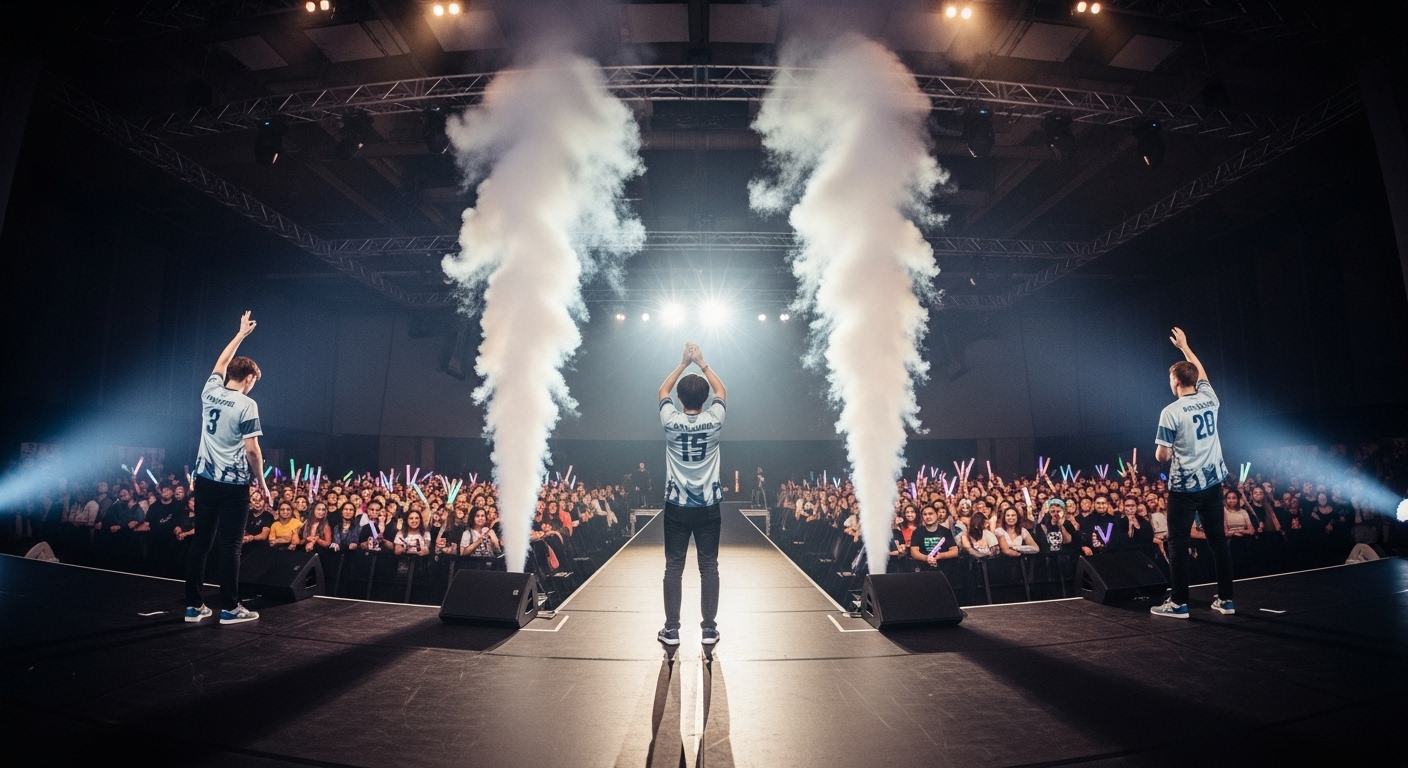
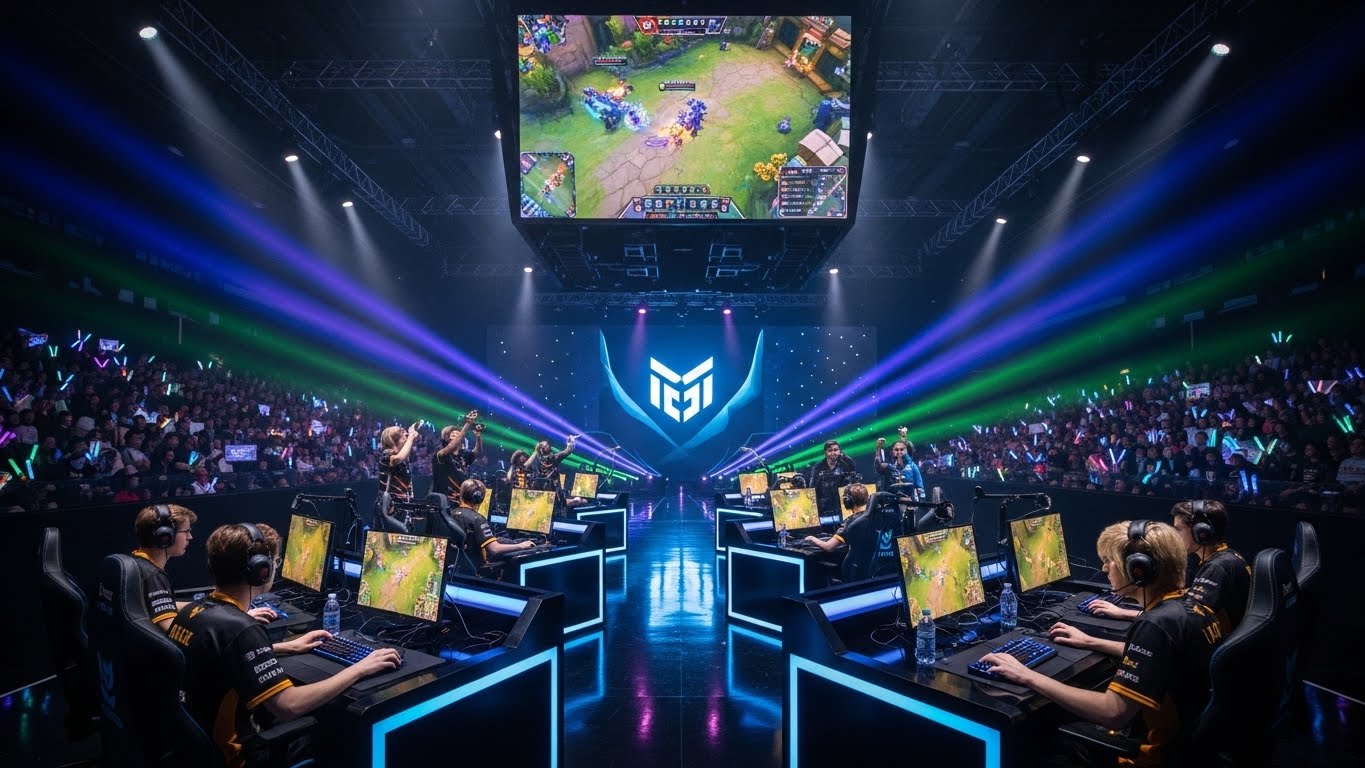
Esports, once a niche subculture within the gaming community, has grown to become a global phenomenon that reshapes the way we view sports and entertainment. From the early days of competitive gaming in the 1990s to the multi-billion-dollar industry it is today, esports has revolutionized the intersection of gaming, technology, and competition. This blog explores the history, growth, and future of esports, diving deep into its cultural significance, business potential, and the challenges it faces as it continues to evolve.
The Origins of Esports: From LAN Parties to Global Competitions
Early Days of Competitive Gaming
Esports has its roots in the early days of computer and console gaming. In the 1990s, players competed in LAN (Local Area Network) parties, where groups of friends would gather to play multiplayer games like Doom, Quake, and Warcraft. These LAN events were some of the earliest forms of competitive gaming, albeit informal, where players faced off in head-to-head matches for bragging rights or small prizes.
The concept of organized gaming competitions began to take shape in the late 1990s. The first major esports tournaments were held, drawing large crowds and media attention, particularly for games like StarCraft and Quake. These early events were often held at conventions or specialized gaming arenas, but they were still relatively small compared to what would come in the future.
The Evolution of Esports: The 2000s and the Birth of Esports Leagues
By the early 2000s, competitive gaming was becoming more structured. Esports leagues and tournaments began to emerge, such as the World Cyber Games (WCG) and the Electronic Sports World Cup (ESWC). These events attracted players from all over the world, with some tournaments offering significant cash prizes. This marked the beginning of professional esports as we know it today.
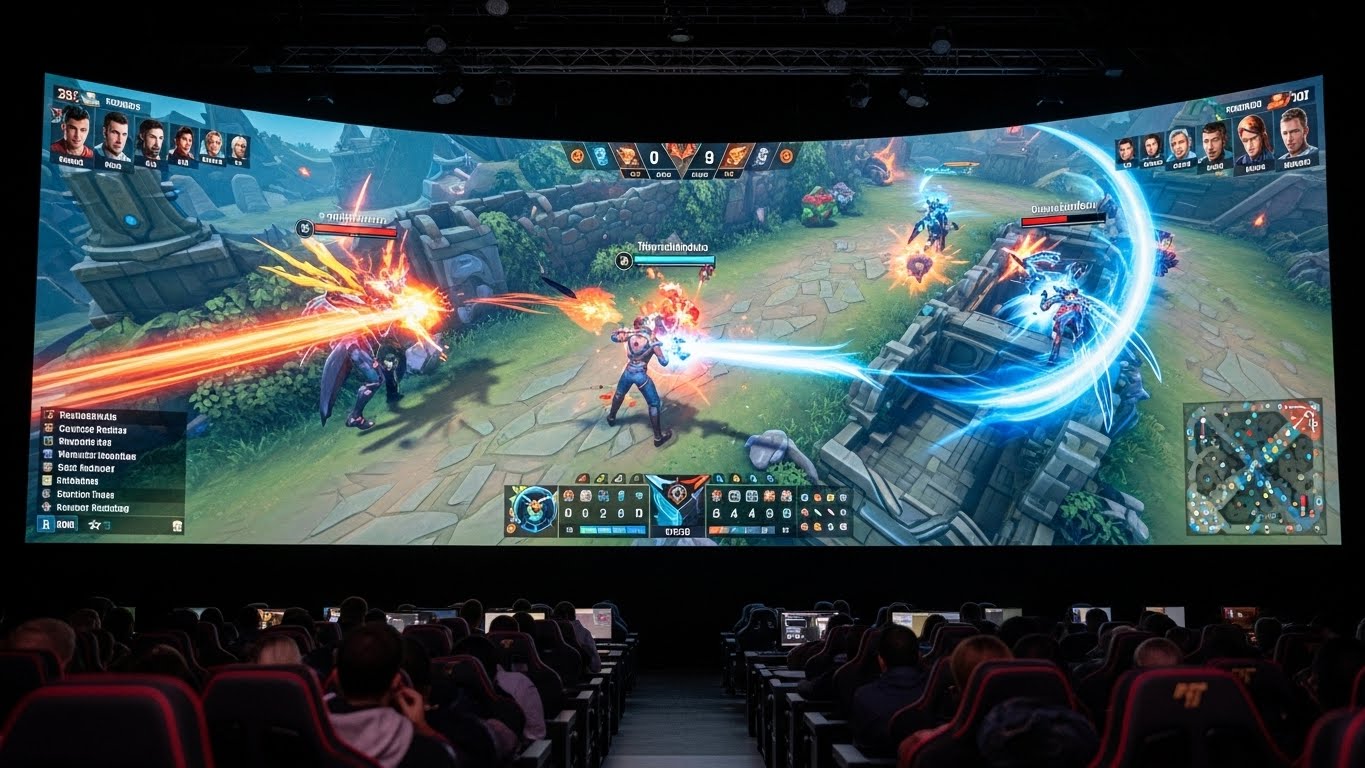
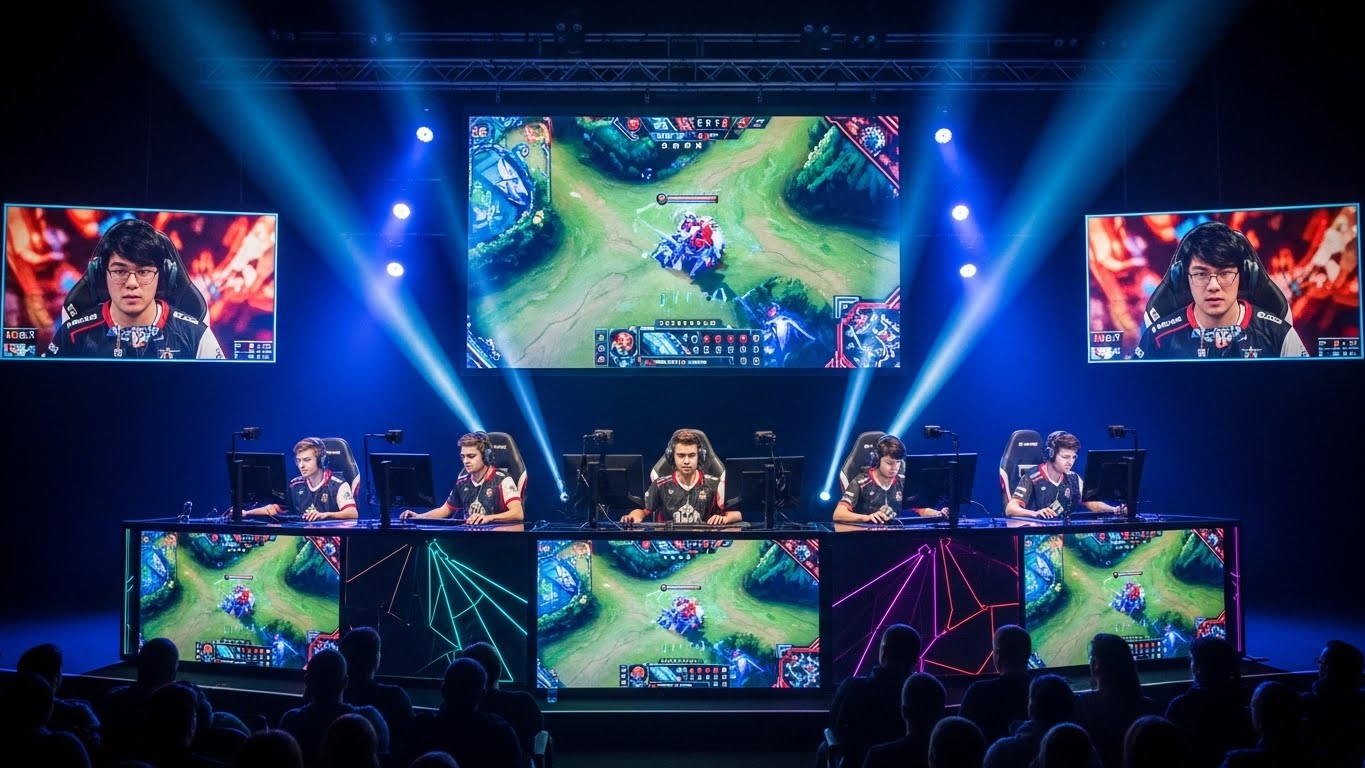
The launch of League of Legends (LoL) in 2009 marked a significant turning point in esports history. LoL quickly became one of the most popular multiplayer online battle arena (MOBA) games, and its developer, Riot Games, played a crucial role in turning competitive gaming into a legitimate sport. The creation of the League of Legends World Championship in 2011, which attracted millions of viewers globally, proved that esports could draw massive attention and support.
The Growth of Esports: A Global Industry
The Explosion of Viewership and Streaming Platforms
As esports began to grow, so did its audience. The rise of streaming platforms such as Twitch and YouTube has played a pivotal role in bringing esports into mainstream culture. Twitch, launched in 2011, revolutionized how gamers and fans engaged with esports by allowing anyone with an internet connection to stream their gameplay live. This opened up a new avenue for fans to watch professional gamers compete in real time, often with commentary and analysis similar to traditional sports broadcasts.
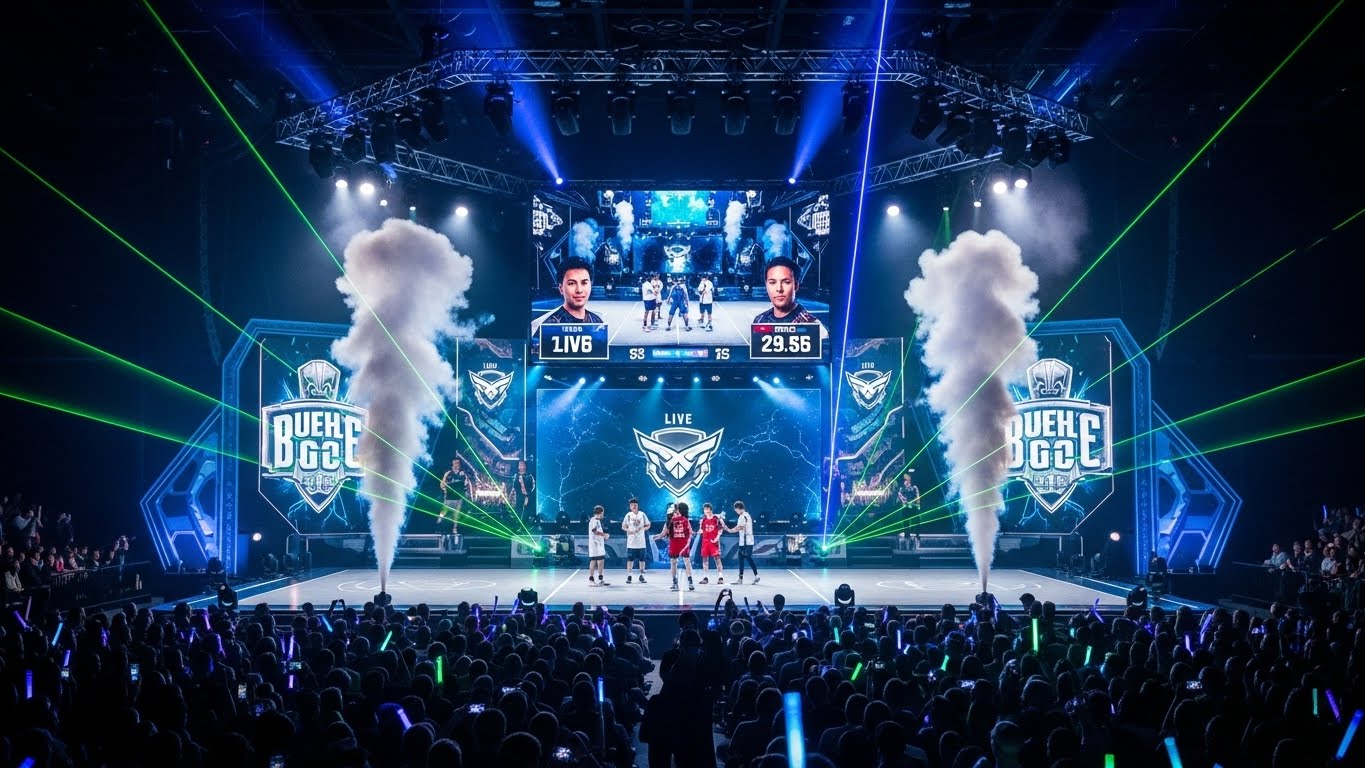
In addition to Twitch, YouTube’s live streaming capabilities further solidified esports’ presence in the digital world. Today, esports tournaments are streamed on multiple platforms, allowing for a global audience to tune in, no matter where they are. This easy access to live esports content has turned gaming into a spectator sport, attracting millions of viewers who follow their favorite teams and players.
Esports as a Professional Career
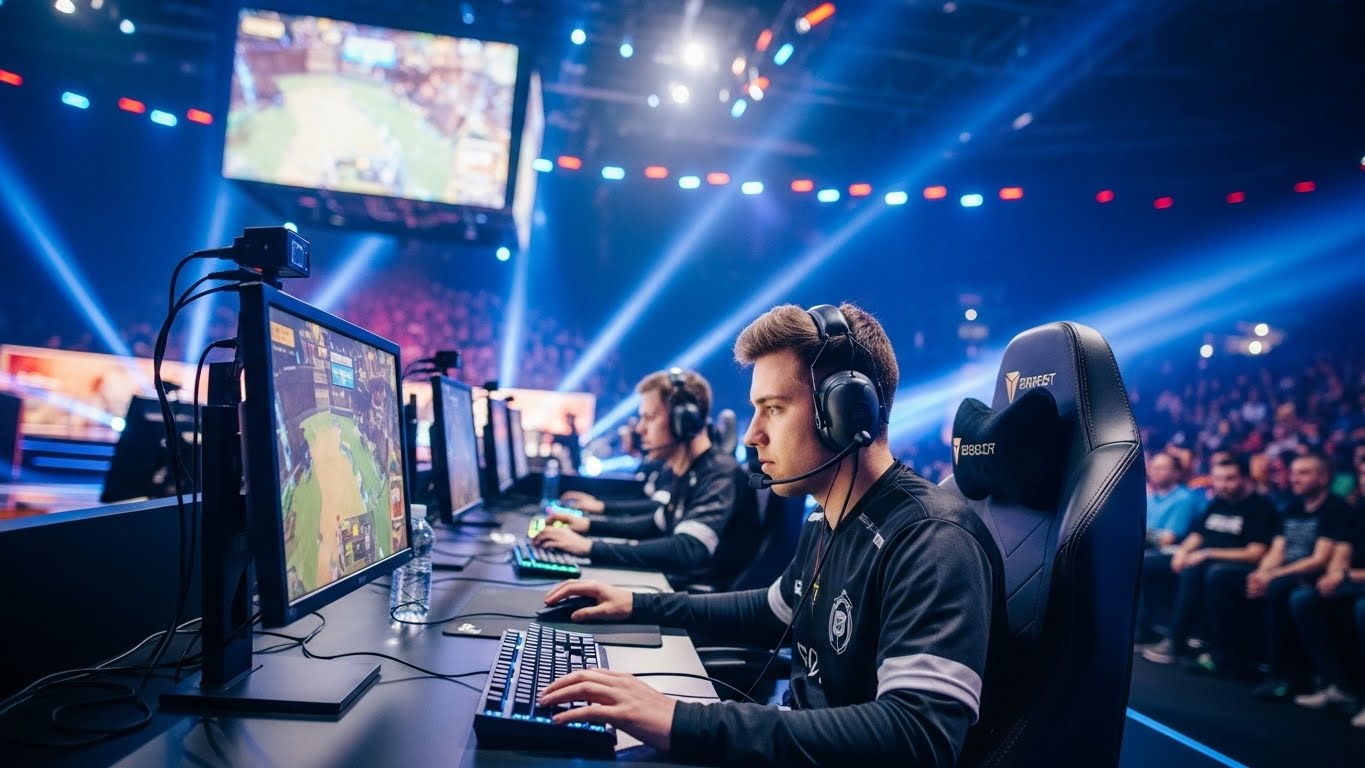
In the past, competitive gaming was largely seen as a hobby or passion project. However, as esports grew, it became a legitimate career option for many gamers. Professional players can now make a living from esports through tournament winnings, sponsorship deals, and streaming revenue. Some players even sign multi-million dollar contracts with esports organizations, competing for prestigious titles in games like Dota 2, Counter-Strike: Global Offensive (CS:GO), Overwatch, and Fortnite.
Esports organizations, such as Team Liquid, Fnatic, and Cloud9, have become household names in the gaming world. These organizations not only recruit top-tier players but also invest in training facilities, coaching staff, and player development programs. As the industry matures, esports organizations are adopting more traditional sports management practices, such as player salaries, performance bonuses, and even player health initiatives to ensure the well-being of their teams.
The Role of Sponsorship and Media Rights
Sponsorships and media rights have played a crucial role in the financial success of esports. Major brands from outside the gaming industry have recognized the value of partnering with esports leagues and teams. Companies like Coca-Cola, Intel, and Mercedes-Benz have invested heavily in esports sponsorships, while tech giants like Alienware and Razer have become key partners in providing players with high-performance equipment.
The rise of esports broadcasting deals has also opened up new revenue streams. Networks such as ESPN, TBS, and the BBC have aired major esports tournaments, showcasing the growing legitimacy of esports in mainstream media. Media companies are now paying significant amounts to secure broadcasting rights for popular esports events, further solidifying the financial backbone of the industry.
Esports as a Global Cultural Phenomenon
Esports and the Rise of Gaming Culture
Esports has significantly impacted global gaming culture. What started as a niche interest has now become a dominant force in the entertainment landscape. Gaming has evolved from something largely seen as a solitary activity to a shared cultural experience that connects people across the globe. Esports tournaments serve as an arena for players, fans, and content creators to interact, share experiences, and celebrate their mutual passion for gaming.
The phenomenon of gaming culture has also transcended the competitive scene. The creation of esports content, such as gameplay videos, commentary, and team vlogs, has given rise to a new wave of online content creators. Many streamers and influencers have built massive followings by sharing their expertise and experiences with their audiences. Popular figures like Ninja, PewDiePie, and Shroud have become global icons, blurring the lines between gaming, entertainment, and mainstream media.
The Social Impact of Esports
Esports has become more than just a form of entertainment—it has also become a way for people to connect. Communities surrounding popular esports titles have formed on platforms like Reddit, Discord, and Twitter, where fans engage in discussions, share memes, and support their favorite teams. The rise of esports has fostered a sense of belonging for individuals who may not have had a platform to connect with others who share their passion.
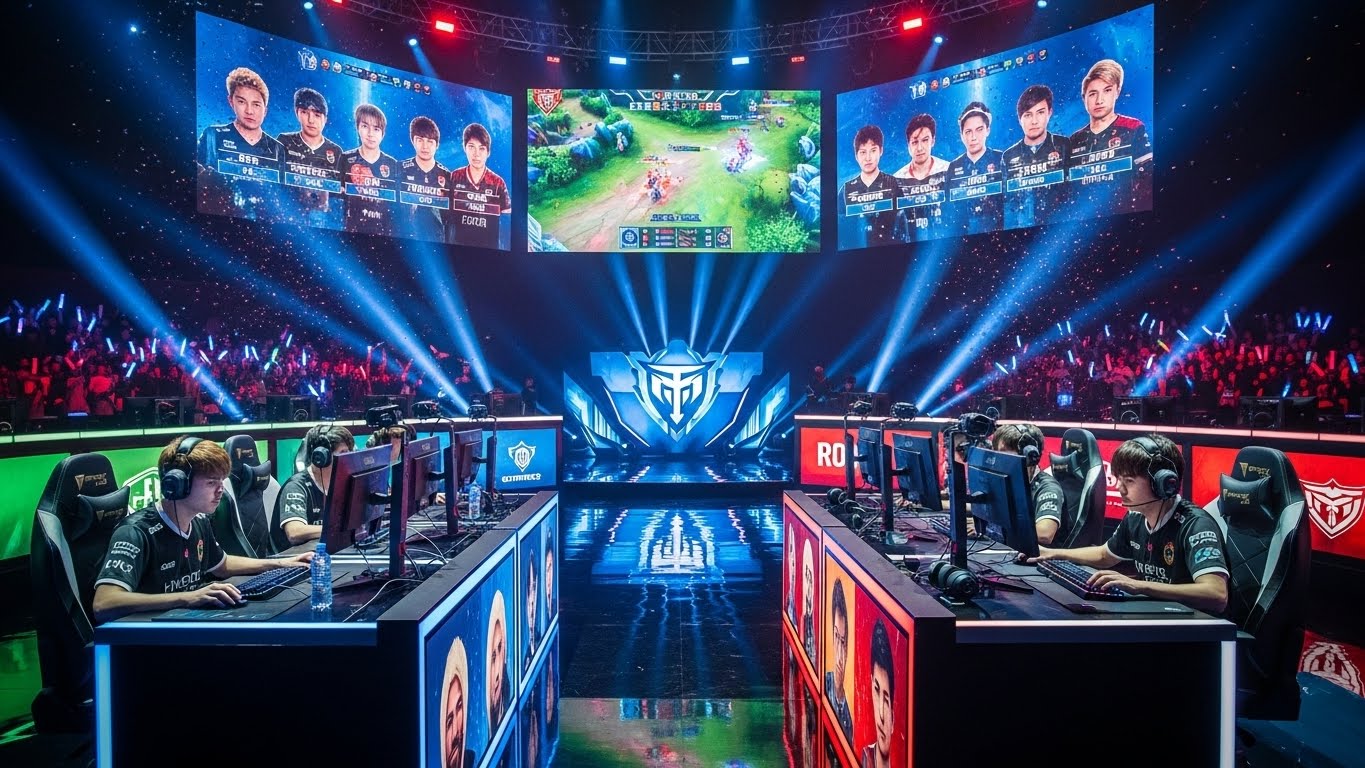
Furthermore, esports has helped break down social barriers, with players from different countries, backgrounds, and cultures coming together to compete and celebrate their love for gaming. Major tournaments, such as The International (Dota 2’s World Championship) and the League of Legends World Championship, feature players from diverse global regions, making esports one of the most inclusive forms of entertainment.
The Integration of Esports in Mainstream Sports and Education
Esports has found its place within traditional sports institutions and educational settings. Many universities around the world now offer esports scholarships, allowing students to pursue their academic and gaming passions simultaneously. These scholarships have contributed to the growth of esports at the collegiate level, with universities forming teams and hosting tournaments.
Additionally, some professional sports teams have entered the esports arena, forming their own esports divisions. For example, traditional football clubs like FC Barcelona and Paris Saint-Germain have invested in esports teams to compete in games such as FIFA and League of Legends. This crossover between traditional sports and esports highlights how deeply ingrained esports has become in the fabric of modern entertainment.
The Future of Esports: Challenges and Opportunities
The Growing Popularity of Mobile Esports
One of the biggest opportunities for esports lies in the mobile gaming market. As smartphones become more powerful, mobile esports is rapidly growing. Games like PUBG Mobile, Free Fire, and Arena of Valor have become popular choices for competitive play, especially in regions like Southeast Asia and India, where mobile phones are the primary gaming platform.
Mobile esports offers an entry point for gamers who may not have access to high-end PCs or consoles, leveling the playing field and allowing for greater inclusivity. As mobile gaming continues to improve in terms of graphics, performance, and connectivity, it is expected that mobile esports will play an increasingly significant role in the global esports ecosystem.
Mental Health and Well-being of Esports Athletes
As esports continues to grow in prominence, one of the most pressing challenges is the mental health and well-being of its players. Esports athletes, like their counterparts in traditional sports, experience immense pressure to perform at the highest level. The long hours of training, constant competition, and high-stakes tournaments can lead to burnout, anxiety, and other mental health issues.
Esports organizations are beginning to address these concerns by implementing mental health support systems, hiring sports psychologists, and offering wellness programs for their players. It is crucial that as esports continues to grow, the industry remains proactive in ensuring that players’ mental health is prioritized.
The Integration of Virtual Reality and Augmented Reality
Looking further into the future, the integration of virtual reality (VR) and augmented reality (AR) into esports could revolutionize the way competitive gaming is played and experienced. VR technology allows players to immerse themselves in fully virtual environments, while AR enhances real-world environments with digital overlays. Games like Beat Saber and Pokémon GO have shown the potential for VR and AR in gaming, and it’s only a matter of time before esports embraces these technologies.
Esports could evolve into an entirely new form of entertainment, blending the lines between the physical and virtual worlds. VR and AR could open up new competitive formats, such as team-based VR games or hybrid physical-digital tournaments, offering a completely new spectator experience.
Conclusion
Esports has come a long way since its early days in LAN parties and small-scale tournaments. Today, it is a global industry, encompassing professional players, massive audiences, and multi-billion-dollar sponsorships. As esports continues to grow and evolve, it will undoubtedly face new challenges and opportunities. With its rich cultural impact, financial potential, and the rise of mobile and immersive gaming, esports is poised to remain a dominant force in the entertainment industry for years to come.
As the lines between gaming, entertainment, and sports continue to blur, one thing is certain: esports is here to stay, and its influence will only continue to grow. The future of gaming has arrived, and esports is leading the charge.