 hubvault77
Esports has come a long way from its early days as a niche hobby for tech enthusiasts. Today, competitive gaming has transformed into a multi-billion-dollar industry with millions of fans and professional players. What started as a small, underground subculture is now a global entertainment phenomenon that rivals traditional sports in terms of viewership, sponsorships, and cultural impact. But how did esports evolve from a casual pastime to a professional industry? Let’s explore its journey.
The Humble Beginnings of Competitive Gaming
The concept of competitive gaming dates back to the early days of video games in the 1970s. However, it wasn’t until the ’90s that gaming tournaments began to take shape. Early examples of competitive gaming events include tournaments for games like Doom, Quake, and Street Fighter. These were small-scale, local gatherings, often hosted in arcades or private homes.
Although these competitions lacked the structure and scale of today’s esports events, they sparked a passion for gaming as a competitive activity. The real breakthrough for esports came with the rise of online gaming in the late ’90s and early 2000s. As internet access became more widespread, it opened the door for gamers to connect across the globe, laying the foundation for larger, more organized tournaments.
The Professionalization of Esports
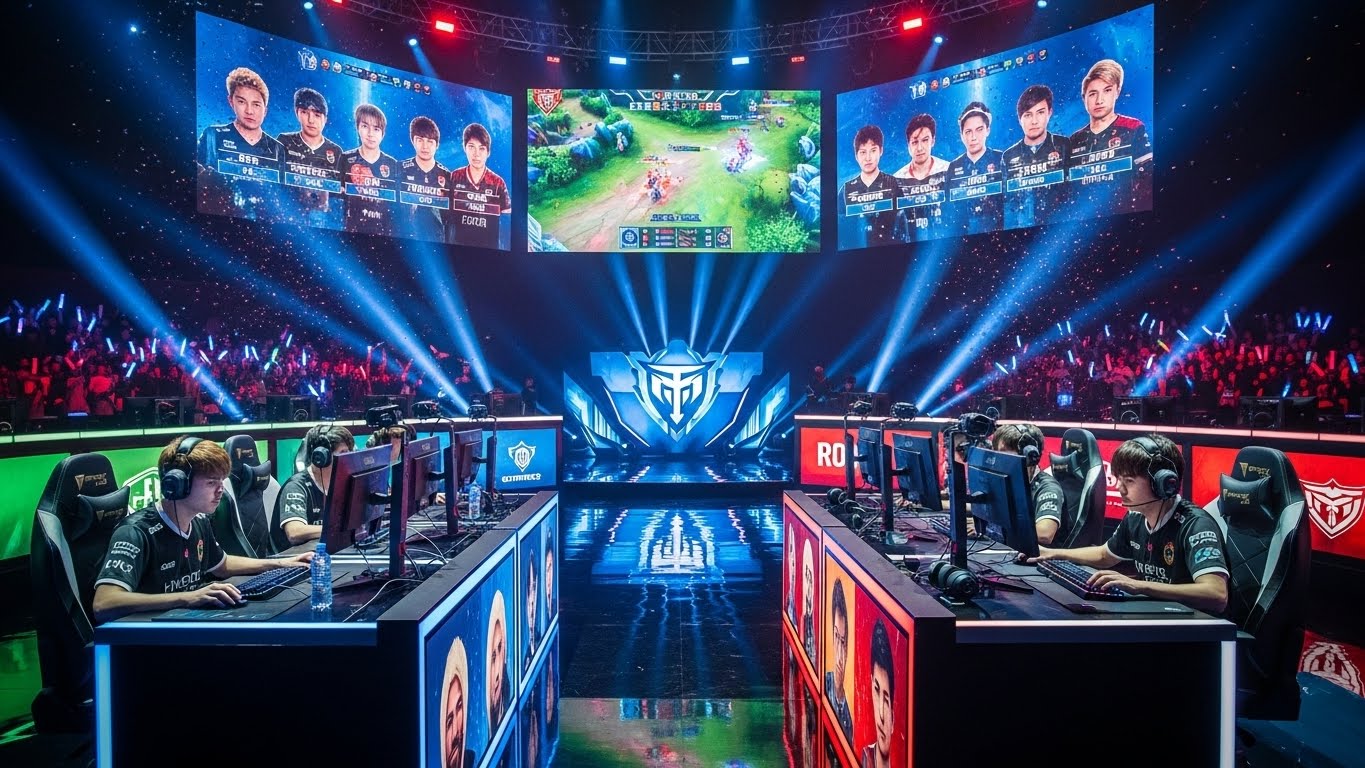
In the mid-2000s, competitive gaming began to evolve from a hobby to a professional pursuit. With the rise of games like StarCraft, Warcraft III, and Counter-Strike, esports tournaments started to attract more serious competitors and larger audiences. Major esports leagues and organizations, such as the Electronic Sports League (ESL) and Major League Gaming (MLG), began to host large-scale tournaments with significant prize money.
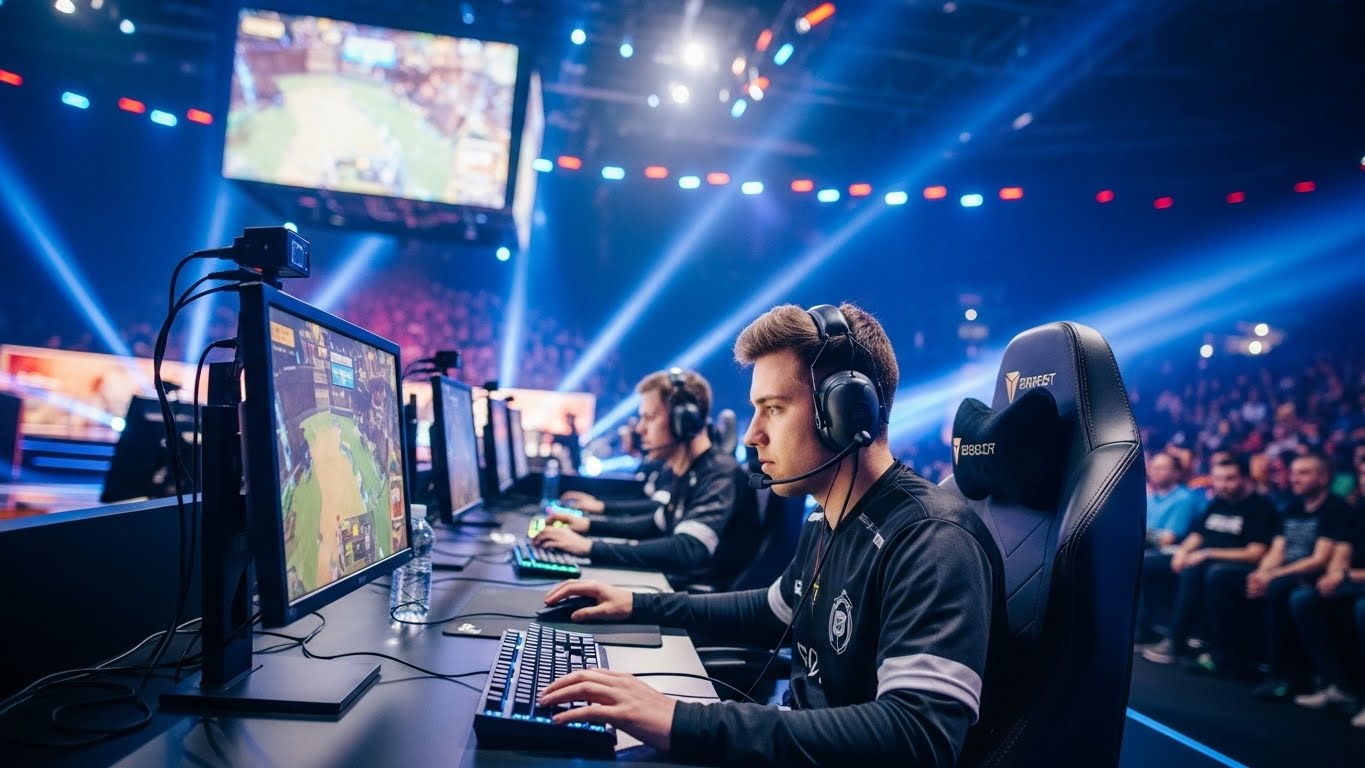
This professionalization of esports created new opportunities for players. Instead of just playing for fun or small prizes, players could now earn substantial salaries from sponsorships, tournament winnings, and streaming platforms. Esports teams were formed, complete with coaches, analysts, and support staff, creating an infrastructure similar to traditional sports teams. What was once an underground hobby had now become a legitimate career path for talented gamers.
The Rise of Streaming Platforms
The growth of esports was heavily influenced by the rise of streaming platforms. In 2011, Twitch was launched, and it quickly became the go-to platform for live-streaming video games. Twitch allowed gamers to broadcast their gameplay to a global audience, giving them the chance to build fan bases and interact with viewers in real-time.
This shift in how gaming content was consumed allowed esports to reach an entirely new audience. People no longer had to attend physical tournaments to watch their favorite players and teams in action—they could simply tune in from the comfort of their own homes. Streaming also introduced the concept of esports personalities, with players, commentators, and analysts becoming influential figures within the gaming community.
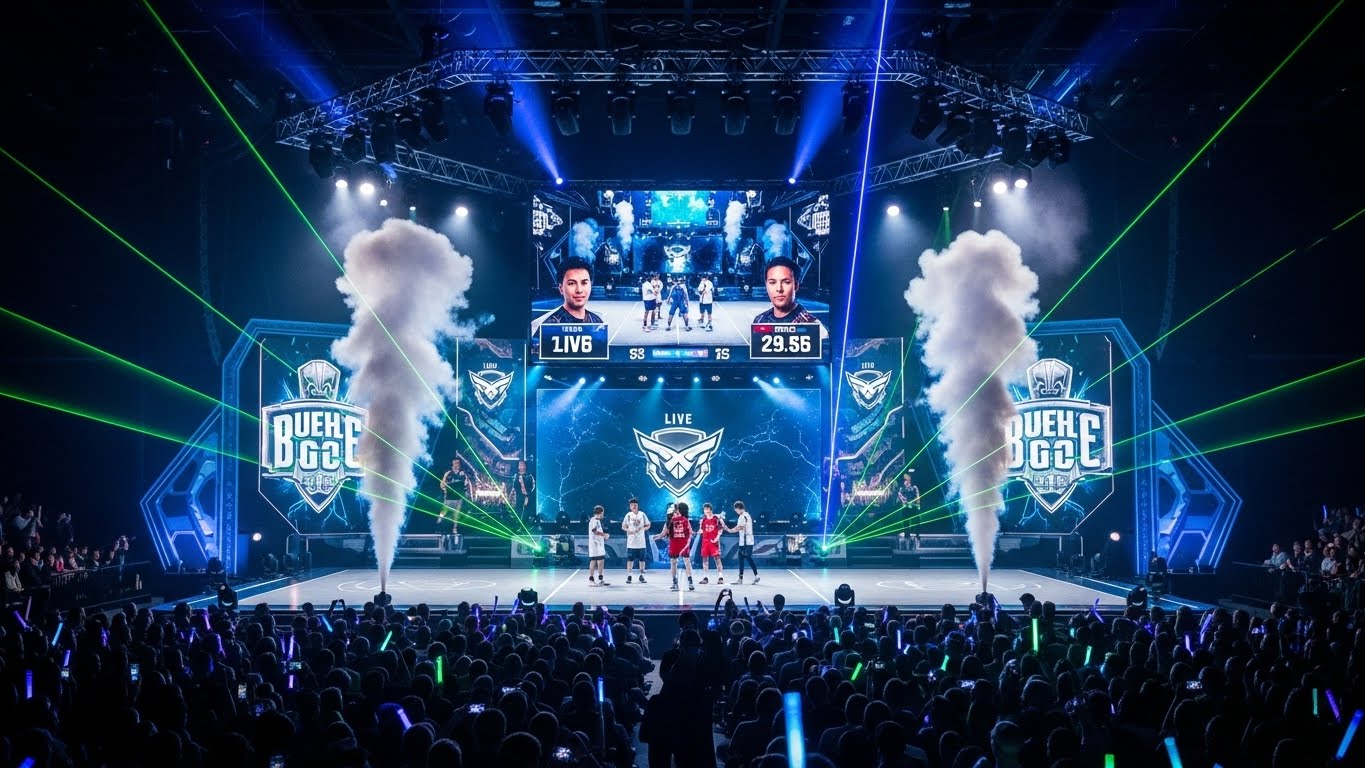
Twitch’s integration with other platforms like YouTube further expanded the visibility of esports, turning it into a mainstream form of entertainment. Today, esports tournaments like The International (Dota 2) and the League of Legends World Championship attract millions of live viewers, both on streaming platforms and in person at massive arenas.
Global Expansion of Esports
One of the most remarkable aspects of esports is its global nature. While competitive gaming initially found a stronghold in regions like South Korea, the popularity of esports has since spread across the globe. The United States, China, Europe, and Southeast Asia are now home to vibrant esports scenes, each with its own top-tier players, teams, and tournaments. The rise of mobile gaming has further accelerated this global expansion, introducing esports to players in regions where console gaming was previously less common.
In countries like China and South Korea, esports is considered a mainstream form of entertainment, with dedicated esports arenas, state-sponsored training programs, and government-backed initiatives. These regions have set the standard for how esports can be integrated into society. In the West, the rise of esports has led to partnerships with traditional sports organizations, such as the NBA and NFL, which are exploring ways to incorporate esports into their business models.
The Business of Esports: Big Money and Big Brands
Esports has transformed into a multi-billion-dollar industry, attracting investments from some of the biggest companies in the world. Global brands like Coca-Cola, Intel, Nike, and Red Bull have all recognized the potential of esports, investing heavily in sponsorships, advertising, and partnerships with top teams and tournaments.
The financial success of esports is driven by multiple revenue streams, including ticket sales for live events, media rights, sponsorships, and merchandise. In addition, streaming platforms like Twitch and YouTube generate substantial income through ads, subscriptions, and donations, creating a direct link between players, teams, and fans.
Esports betting is also a booming industry, with fans placing bets on tournaments and matches much like they would for traditional sports. This creates additional revenue opportunities and further cements esports as a professional, money-making enterprise.
Esports as a Career Path
As esports continues to grow, so do the opportunities for players and professionals involved in the industry. While professional gaming remains the focal point of esports, there is a growing demand for other roles such as coaches, analysts, event organizers, broadcasters, and content creators. The rise of esports academies and university programs focused on gaming further shows that competitive gaming is no longer just a hobby—it’s a career path.
Players who once started as teenagers playing in their bedrooms can now turn their passion into a full-time job. Top esports athletes can earn a living through tournament prizes, sponsorships, and streaming revenue. In fact, some of the best-known esports athletes, like Faker (Lee Sang-hyeok) in League of Legends or N0tail (Johan Sundstein) in Dota 2, have earned millions of dollars over their careers, further legitimizing esports as a professional career.
The Challenges Ahead for Esports
Despite its rapid growth, esports faces several challenges moving forward. One of the key issues is sustainability. While the industry is booming, it’s still in its early stages and relies heavily on sponsorships and investments. If these sources of revenue dry up, esports could face financial difficulties.
Another major challenge is player health and well-being. Many professional gamers begin their careers at a young age, often spending countless hours practicing, streaming, and competing. This can lead to burnout, physical injuries, and mental health issues. As the industry matures, there will be increasing pressure to implement better health protocols, training schedules, and support systems for players.
Furthermore, the potential for esports to enter the Olympics has sparked debate. While some see it as a natural progression, others argue that esports should remain separate from traditional sports. Regardless of the outcome, the fact that esports is even being considered for Olympic inclusion speaks to its growing significance as a global form of competition.
The Future of Esports
Looking ahead, the future of esports seems bright. The rise of virtual reality (VR) and augmented reality (AR) technologies could introduce new ways for players and spectators to experience competitive gaming, adding an entirely new layer of immersion to esports events. Additionally, esports could continue to see integration with traditional sports, creating hybrid events that combine physical and digital competition.
The continued expansion of esports into schools, universities, and even high schools will nurture the next generation of professional players, coaches, and analysts. As the industry continues to grow, esports may eventually become as ingrained in popular culture as traditional sports like football, basketball, and soccer.
Conclusion
Esports has come a long way from its humble beginnings to become a global, professional entertainment industry. It has created career opportunities for players, content creators, and support staff, and it has attracted major investments from some of the world’s most prominent brands. Despite facing challenges, the industry is poised for even greater success in the years to come. As technology continues to evolve and esports becomes more integrated into global culture, the future of competitive gaming looks incredibly promising.