 hubvault77
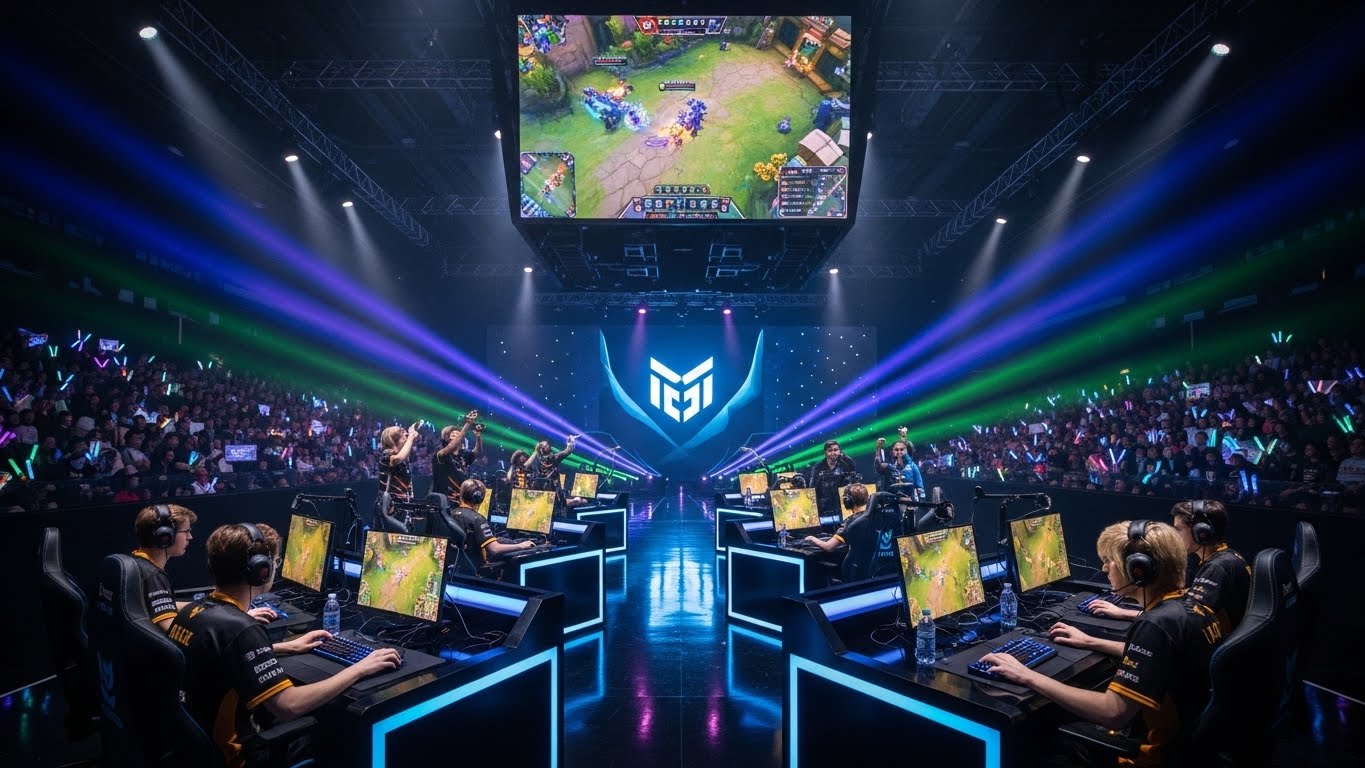
Esports, once seen as a fringe hobby for tech enthusiasts and gamers, has evolved into a massive, global industry with millions of fans and participants worldwide. From small tournaments in basements to multi-million-dollar events streamed to millions, the world of competitive gaming has become a powerhouse in the entertainment industry. This blog post delves into the journey of esports, examining how it has grown, the factors contributing to its rise, and its future potential.
What is Esports?
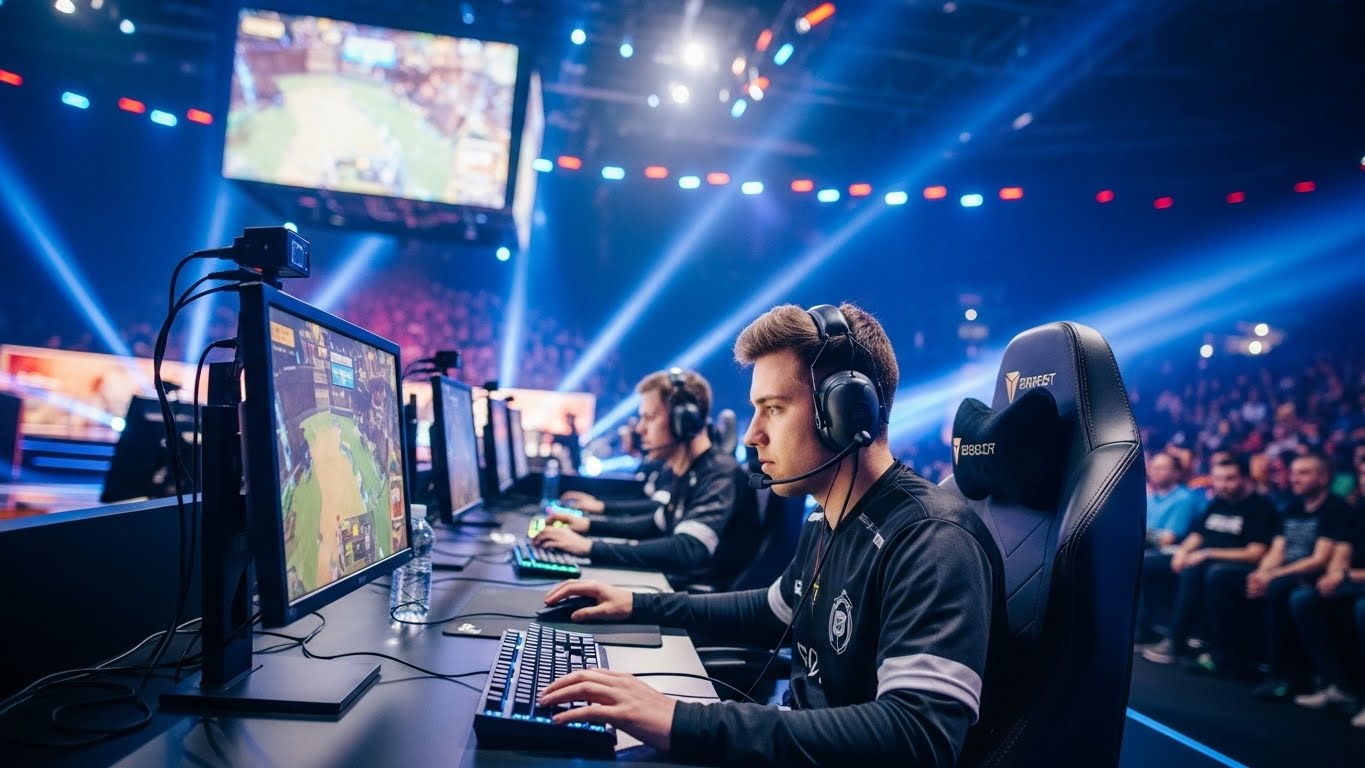
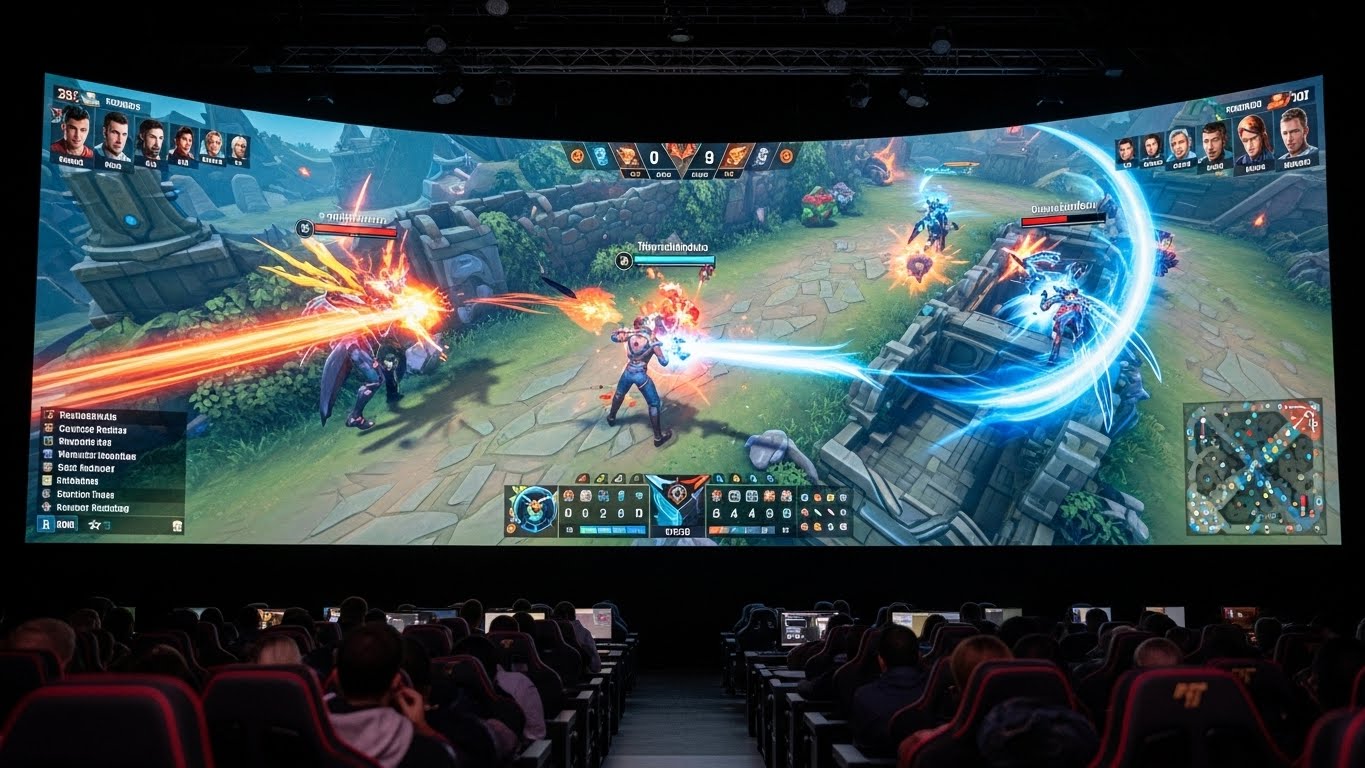
At its core, esports (electronic sports) refers to competitive video gaming. This could involve individuals or teams competing against one another in various video games, often for cash prizes, sponsorships, or the sheer prestige of winning. Esports competitions can span a wide range of genres, including first-person shooters (FPS) like Counter-Strike and Call of Duty, real-time strategy (RTS) games like StarCraft and Warcraft, and multiplayer online battle arena (MOBA) games like League of Legends and Dota 2.
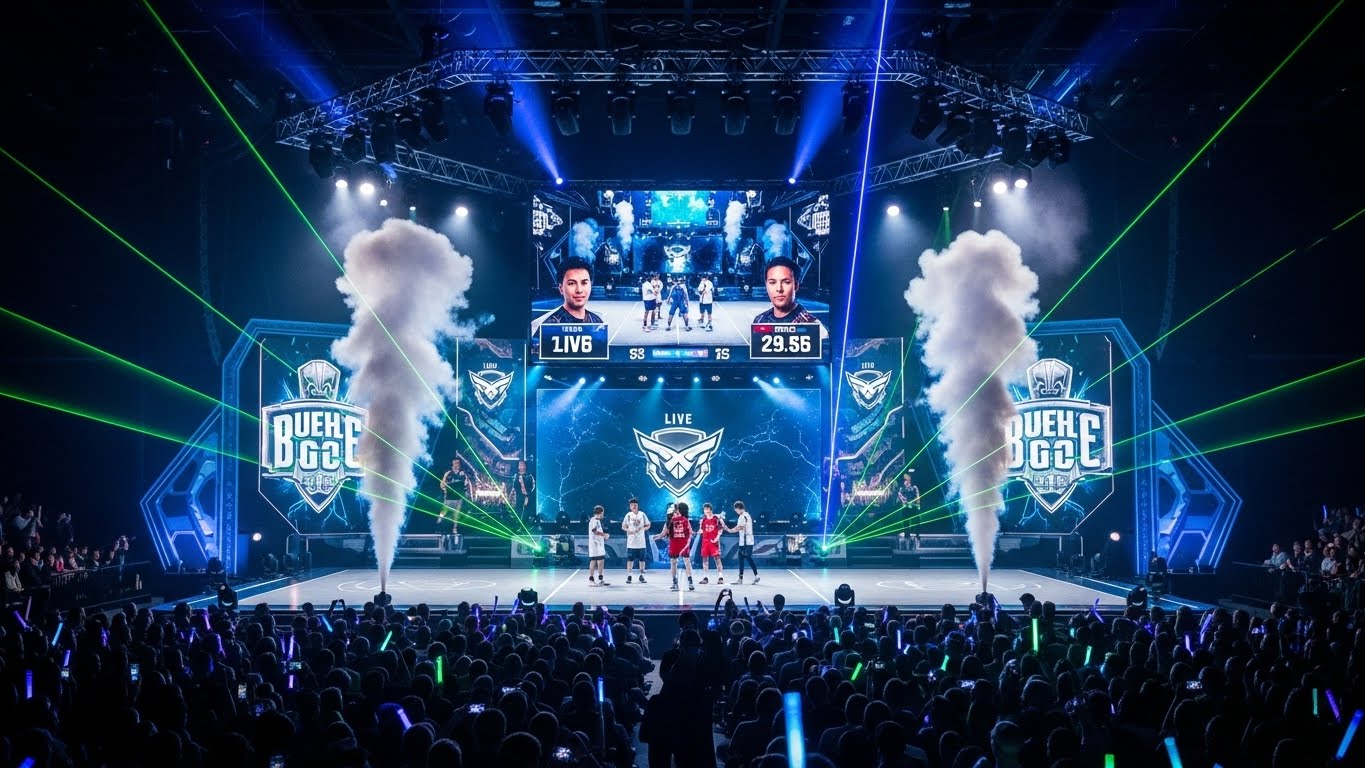
The competitive nature of these games has driven their evolution from casual play to fully professional leagues and international tournaments. These events are often broadcasted live, attracting large audiences both in-person and through online streaming platforms like Twitch and YouTube Gaming.
The Humble Beginnings of Esports
The concept of competitive gaming dates back several decades, with the first known tournament taking place in 1972 at Stanford University. The competition, known as the “Intergalactic Spacewar Olympics,” centered around the game Spacewar, one of the first video games ever created. However, it wasn’t until the late 1990s and early 2000s that esports truly began to take shape as we know it today. The advent of the internet, particularly high-speed broadband, allowed players from across the world to compete in real-time, and tournaments began to emerge.
One of the early milestones in esports was the rise of StarCraft, a game that became hugely popular in South Korea during the late 1990s. The game’s success there led to the creation of dedicated esports TV channels, the establishment of professional gaming leagues, and the emergence of pro gamers as celebrities. This marked the beginning of a trend that would spread globally in the years that followed.
The Growth of Esports in the 21st Century
As internet infrastructure improved globally, so did the accessibility and popularity of online gaming. The introduction of League of Legends in 2009 played a pivotal role in propelling esports into the mainstream. The game’s free-to-play model, engaging gameplay, and the development of competitive tournaments helped it become one of the most popular games in the world.
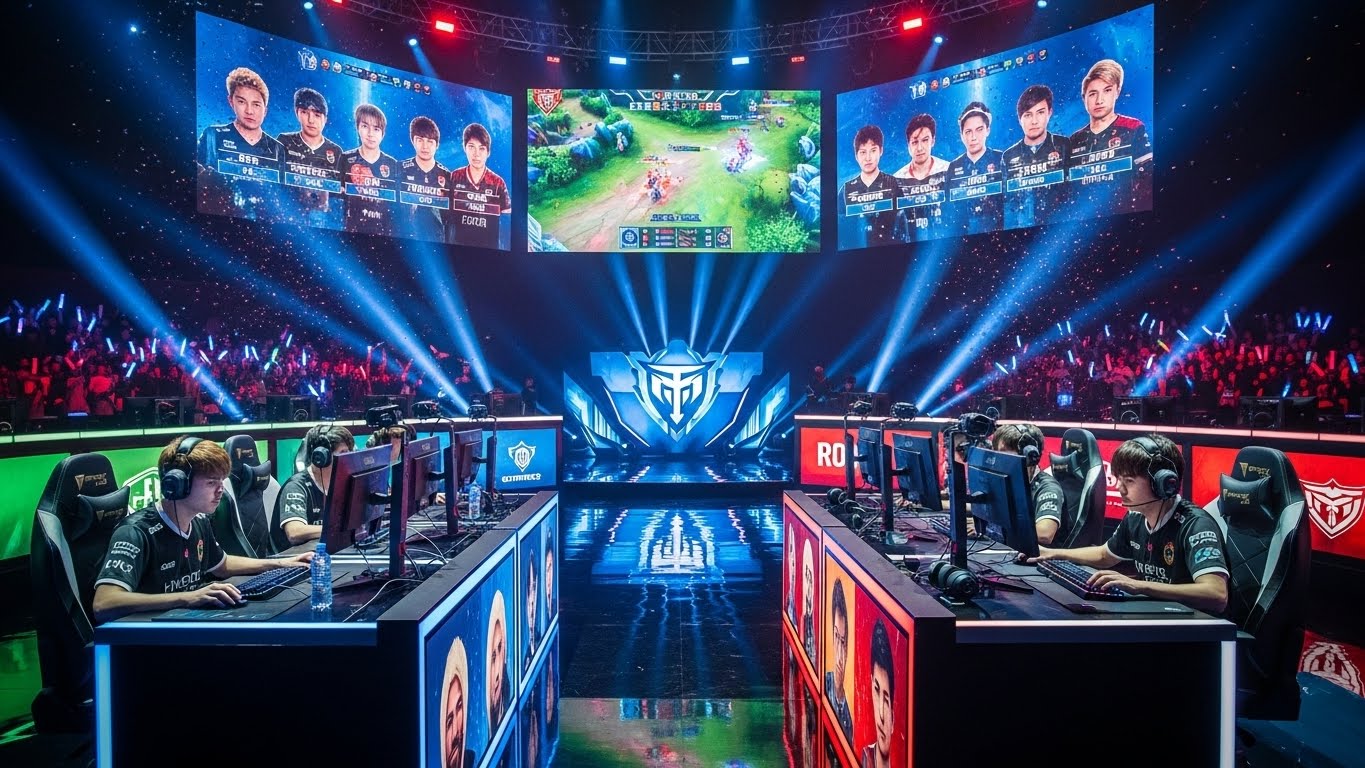
The League of Legends World Championship, often referred to as the “Worlds,” has grown into one of the largest esports events globally, drawing millions of viewers each year. Other games like Dota 2 and Counter-Strike: Global Offensive also gained widespread popularity, each hosting their own prestigious international tournaments with enormous prize pools. These tournaments were broadcast live on streaming platforms, with many reaching an audience of millions.
Another key development that accelerated the growth of esports was the emergence of streaming platforms. Twitch, launched in 2011, became the go-to platform for gamers to broadcast their live gameplay and interact with viewers. In addition to traditional game streaming, esports tournaments began to be broadcasted live, with commentary and analysis, making it more accessible to viewers who may not have been familiar with the games themselves. As more people tuned into these streams, esports grew from a niche interest into a mainstream form of entertainment.
Factors Driving Esports’ Popularity
Several factors have played a key role in driving the rise of esports. The first is the increasing accessibility of gaming itself. With the growth of mobile gaming, anyone with a smartphone can participate in gaming, and many popular mobile games, like PUBG Mobile and Free Fire, now have dedicated esports scenes. This expansion has brought new audiences to esports and provided a platform for young players to showcase their talents.
Additionally, the involvement of big brands and corporate sponsors has helped legitimize esports as a serious business. Companies like Coca-Cola, Intel, and Red Bull have become major sponsors of esports events, and they’ve invested in partnerships with professional esports teams. These sponsorships have provided the financial backing necessary for esports tournaments to grow in scale and professionalism.
The prize money offered in esports tournaments has also reached staggering amounts. For instance, The International, an annual Dota 2 tournament, offered a prize pool exceeding $40 million in 2021, making it one of the largest prize pools in all of esports. These prize pools, along with sponsorships, have made esports an attractive career path for talented players.
Finally, the social aspect of esports has played a significant role in its growth. Many esports fans enjoy not just watching the competitions but also following their favorite players and teams. This fandom is similar to traditional sports, where fans develop loyalty to specific teams or athletes. The interactive nature of platforms like Twitch has allowed fans to engage with players directly, creating a sense of community that has helped fuel the growth of the esports scene.
Esports as a Career
For many years, gaming was considered a hobby or even a waste of time. But as esports has grown, professional gamers and streamers have emerged as legitimate career figures. Players can now earn money not only from tournament prize pools but also from sponsorship deals, streaming, and merchandise sales. Some top-tier players make millions annually, especially in games with large competitive scenes like League of Legends, Fortnite, and Valorant.
Beyond players, esports has also created numerous job opportunities in areas like coaching, analysis, content creation, and event management. Entire careers are now built around esports, from professional casters and analysts who provide commentary during tournaments to marketing and PR professionals who work behind the scenes to promote teams and events.
The growth of collegiate esports has further contributed to the professionalization of gaming. Many universities around the world have begun offering scholarships for esports athletes, and some have even established dedicated esports programs. These programs provide students with the resources they need to compete professionally while also pursuing a degree. This intersection of education and esports is helping to legitimize gaming as a potential career path and provides young gamers with the support they need to turn their passion into a profession.
The Global Impact of Esports
Esports’ rise as a global phenomenon has had a profound impact on the way people consume entertainment. Competitive gaming now attracts millions of viewers worldwide, and esports events often rival traditional sports in terms of viewership. The 2020 League of Legends World Championship, for example, attracted over 100 million unique viewers, surpassing the audience of major sporting events like the Super Bowl.
Additionally, esports has expanded its reach into new markets. While esports has long been dominant in Asia, particularly in South Korea and China, its popularity is growing rapidly in regions like North America, Europe, and Latin America. The growing availability of high-speed internet and affordable gaming hardware has enabled players from diverse backgrounds to participate in esports, broadening the industry’s appeal.
Esports has also been embraced by traditional sports organizations. Major sports leagues such as the NBA and NFL have launched their own esports initiatives, with NBA teams, for example, owning esports franchises in leagues like the NBA 2K League. These collaborations between traditional sports and esports signal that the two industries are increasingly converging and that esports is becoming more integrated into the global entertainment landscape.
The Future of Esports
Looking ahead, the future of esports looks incredibly promising. The continued development of technology, particularly in areas like virtual reality (VR) and augmented reality (AR), could offer even more immersive gaming experiences. VR gaming could take esports to new heights, allowing players to compete in virtual environments where they can physically interact with the game world.
The potential for esports to become an Olympic sport is another exciting prospect. While it has not yet been included in the Olympics, there has been significant discussion about the possibility. The International Olympic Committee has expressed interest in esports, and as more countries embrace competitive gaming, the idea of esports being recognized alongside traditional sports seems increasingly feasible.
Esports will likely continue to diversify as well. New games, new genres, and new types of competitions will emerge, expanding the appeal of esports to a wider audience. As gaming technology advances, so too will the complexity and excitement of esports competitions.
Conclusion
Esports has come a long way since its early days as a niche hobby. Today, it is a multi-billion-dollar industry that spans the globe and offers opportunities for players, fans, and businesses alike. The growth of esports has reshaped how we view competitive gaming, transforming it from a pastime into a legitimate, professional activity. With continued technological advancements, greater mainstream acceptance, and an expanding global audience, esports is poised to remain at the forefront of the entertainment industry for years to come. Whether you’re a casual viewer, an aspiring player, or someone looking to get involved in the industry, one thing is clear: esports is here to stay.