 hubvault77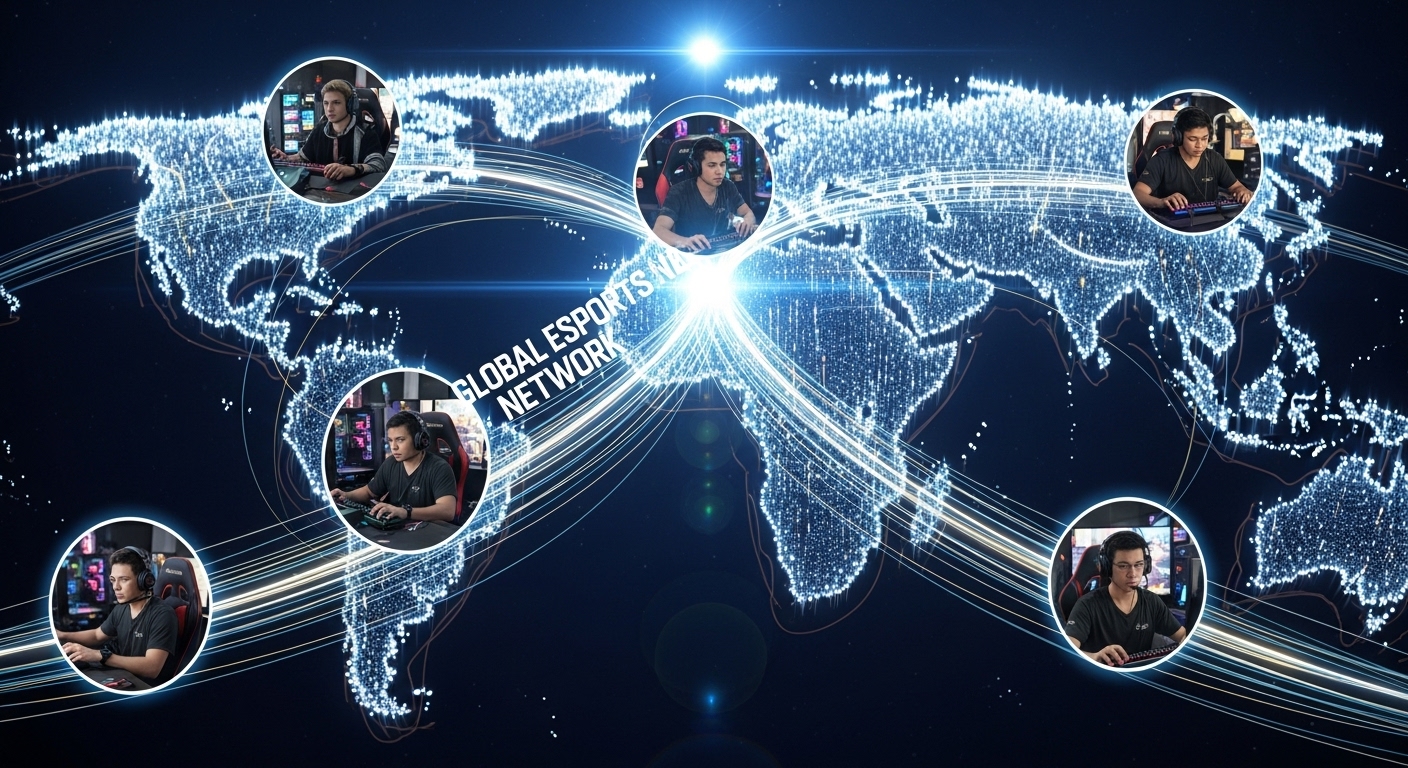
The Rise of Esports
Esports, short for electronic sports, has become one of the most rapidly growing forms of entertainment in the twenty-first century. What started as small gatherings of video game enthusiasts competing for bragging rights has evolved into a billion-dollar global industry. The rise of Esports represents a monumental shift in how people perceive competition, technology, and digital entertainment. Over the past two decades, video games have transformed from simple leisure activities into professional arenas where players demonstrate skill, strategy, and teamwork at the highest level.
The journey of Esports began in the 1970s with games like Space Invaders and Pong, which were played casually in arcades. As technology advanced and personal computers became more powerful, multiplayer games emerged that allowed people to compete against one another directly. The 1990s marked a crucial turning point with the introduction of local area network (LAN) tournaments for games such as Quake, Counter-Strike, and StarCraft. These early competitions laid the foundation for what would later become professional Esports.
From Local Competitions to Global Arenas
The explosion of the internet and streaming technology changed the face of gaming forever. Platforms that allowed players to connect from different countries turned small tournaments into global events. Instead of just a few hundred fans watching in person, millions could now tune in online to watch the best players compete live. The audience for Esports rapidly expanded beyond gaming enthusiasts to include general entertainment consumers.
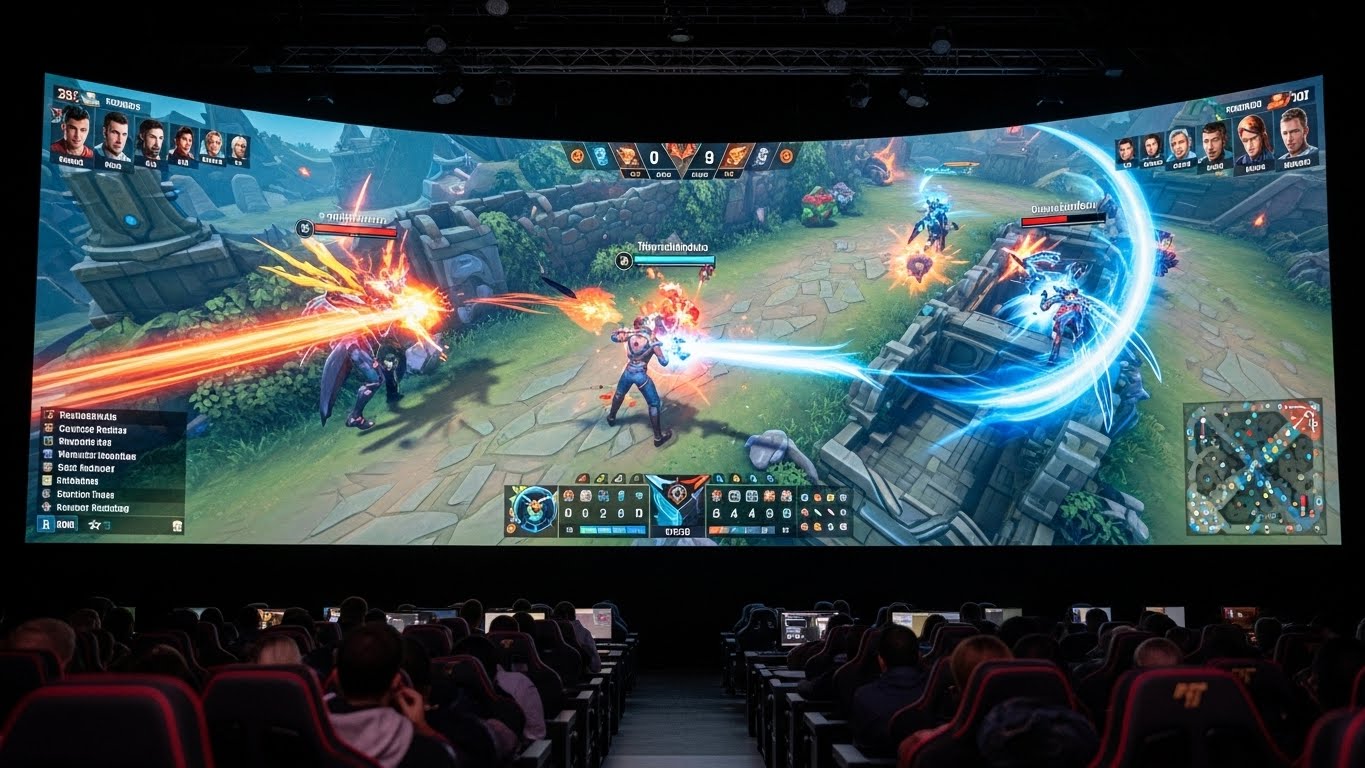
Major tournaments began to emerge, sponsored by large companies and broadcast on global networks. The International, hosted by Valve for the game Dota 2, became one of the most prestigious tournaments in the world with prize pools exceeding tens of millions of dollars. Similarly, games like League of Legends, Fortnite, and Call of Duty established their own competitive leagues, drawing professional teams from every continent.
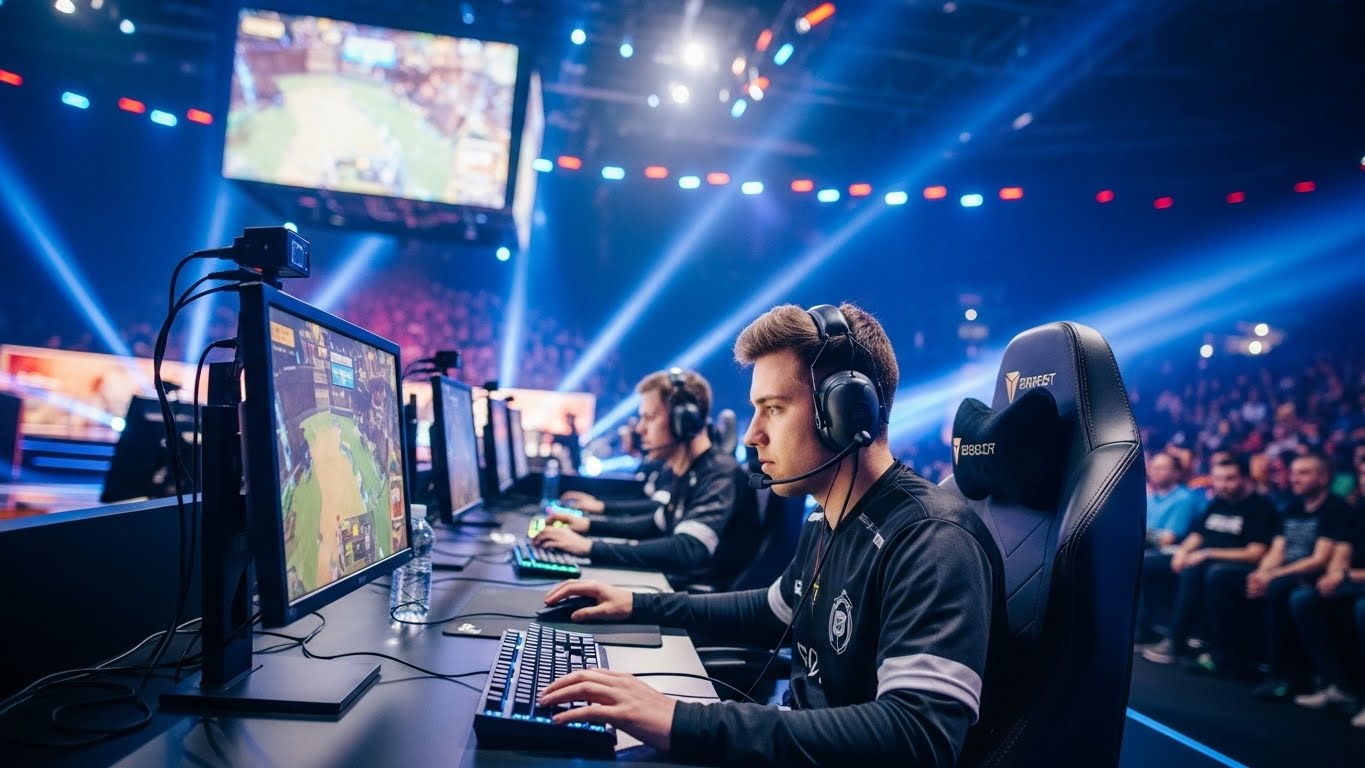
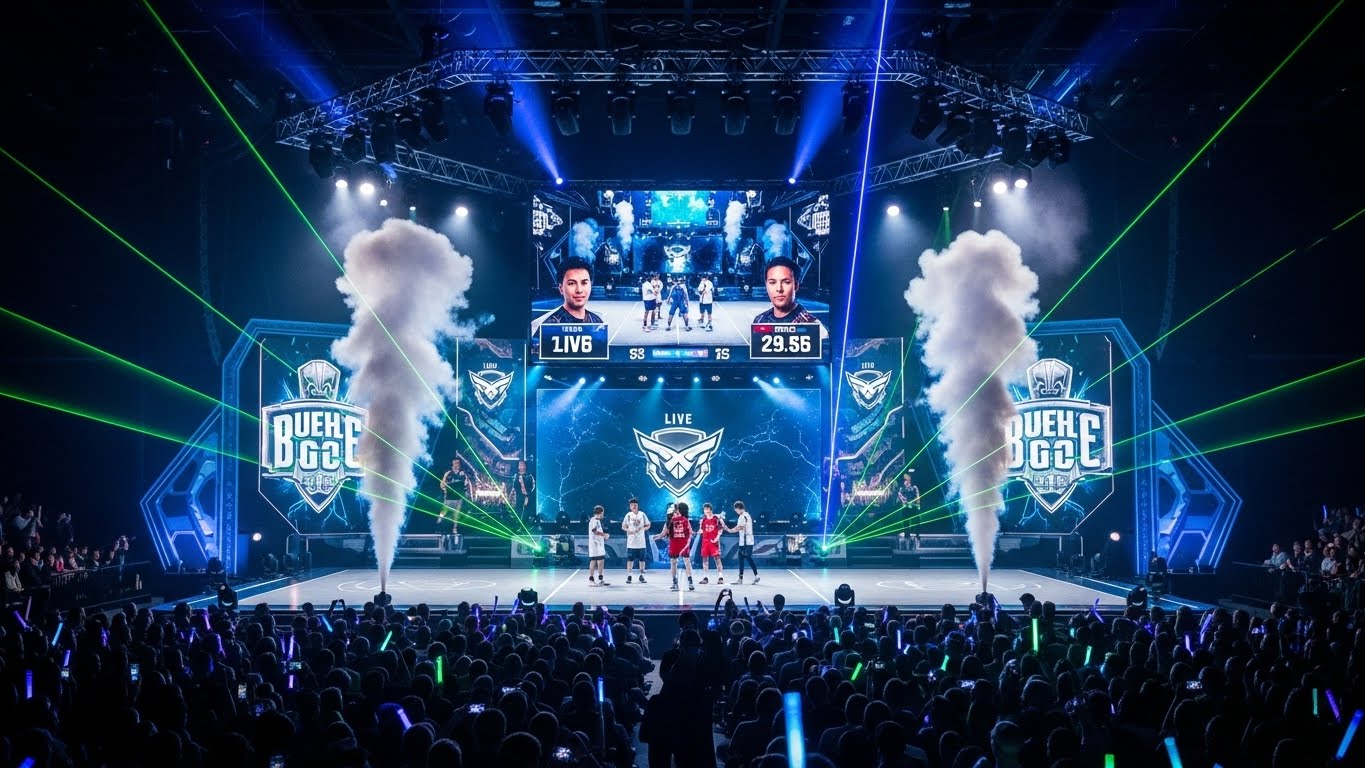
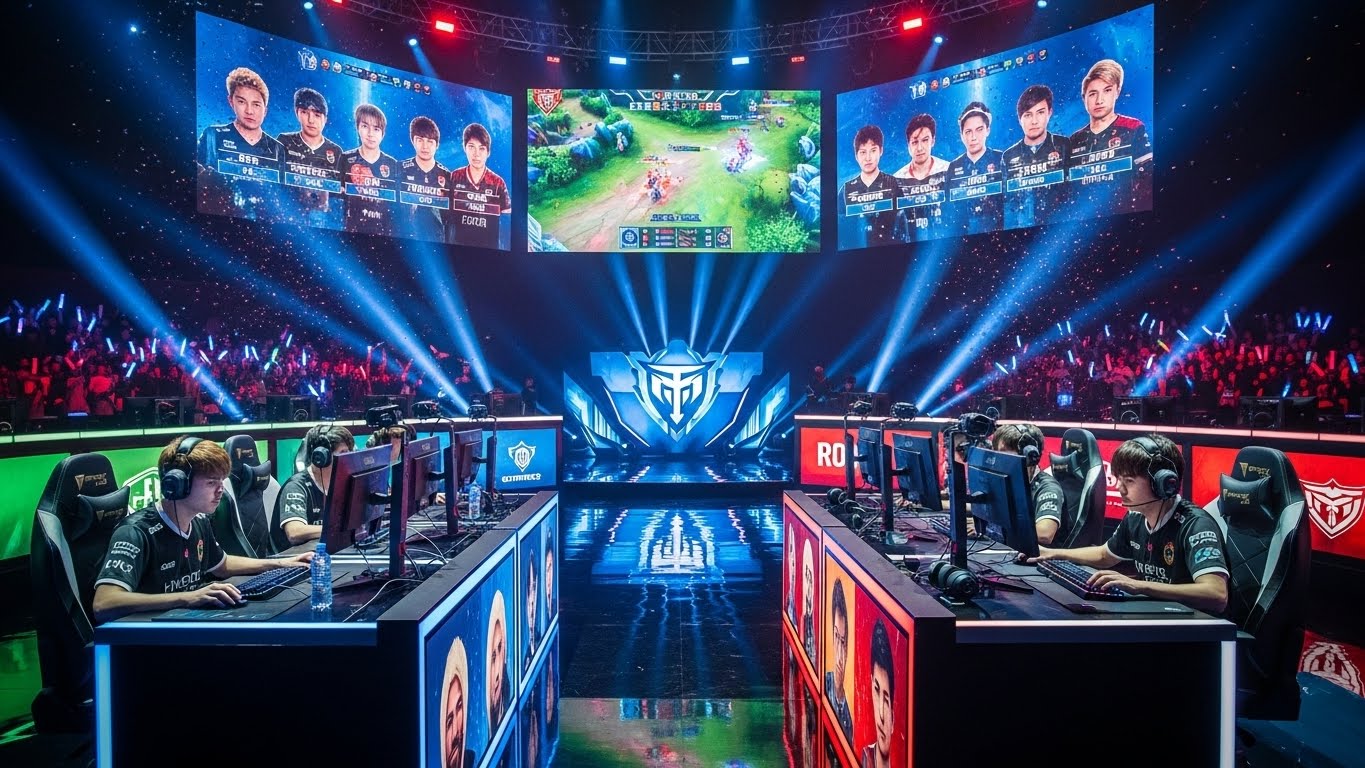
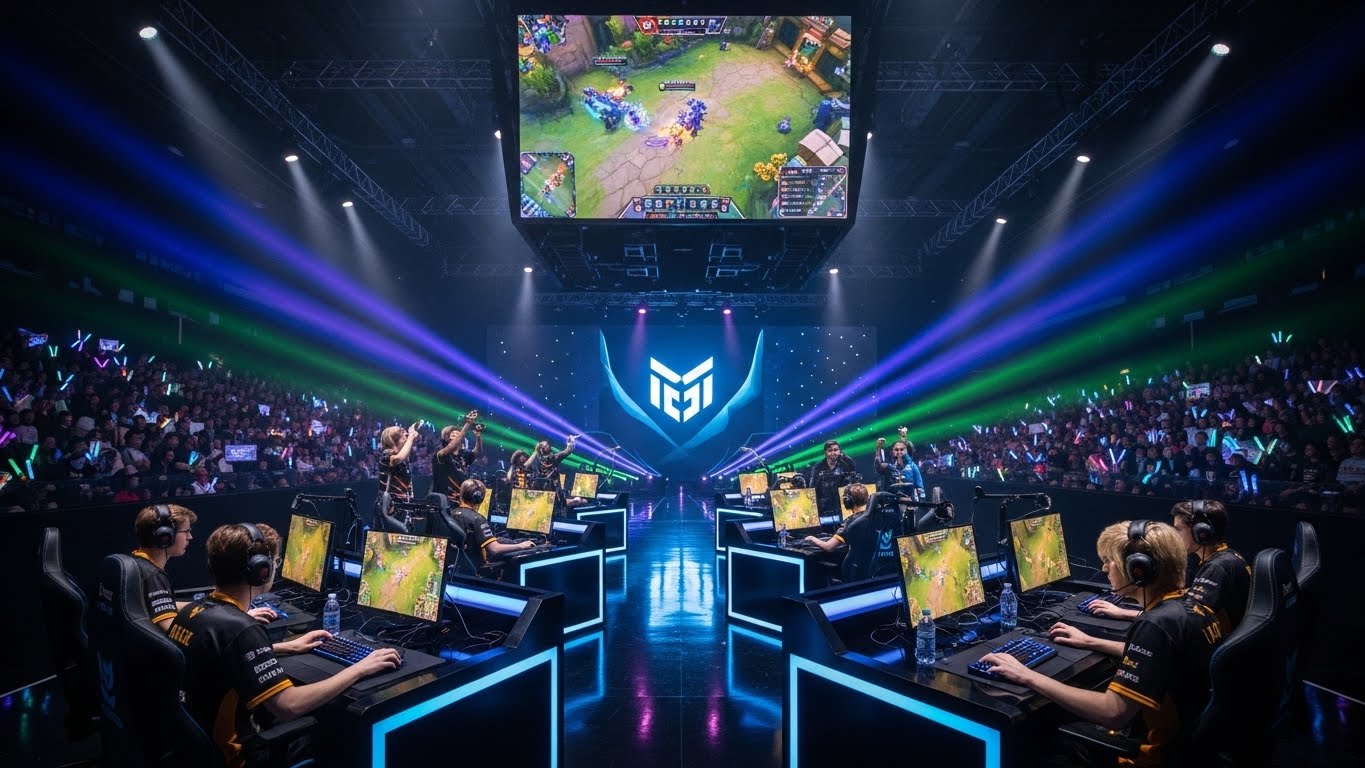
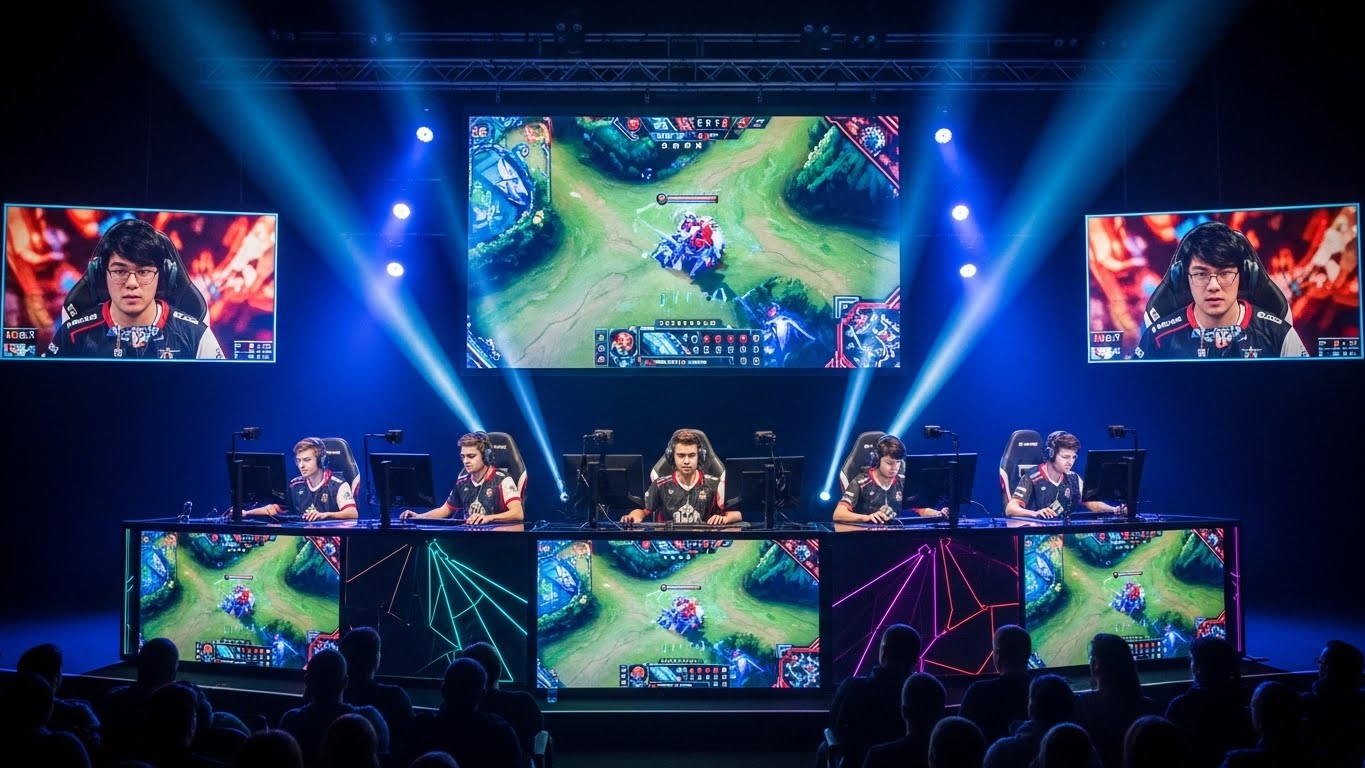
What once seemed like a niche hobby became a mainstream cultural phenomenon. Arenas that once hosted concerts and traditional sports now filled with cheering fans holding banners for their favorite teams and players. The production quality of Esports broadcasts rivaled that of major sports leagues, with professional commentators, instant replays, and in-depth analysis.
The Professionalization of Esports
As Esports gained recognition, it also became more structured and organized. Professional teams formed around specific games, recruiting talented players and coaches to ensure top performance. Training regimens became rigorous, with players practicing up to ten hours a day to refine their skills and strategies. Many organizations established dedicated Esports houses, where players live and train together under the supervision of nutritionists, psychologists, and fitness coaches.
Sponsorships and partnerships with global brands became common. Energy drink companies, tech manufacturers, and even luxury fashion brands saw the marketing potential of Esports audiences. This influx of financial support allowed teams to pay salaries, cover travel expenses, and provide benefits to their players. The result was the transformation of gaming from a pastime into a legitimate career path.
Educational institutions also began to recognize Esports as a viable field. Universities around the world introduced Esports programs, offering scholarships and degrees related to gaming management, game design, and Esports marketing. Students could now pursue professional gaming with the same level of institutional support as traditional athletes.
The Global Reach of Esports
Esports has become a truly global industry, transcending borders and cultures. Different regions have developed their own gaming ecosystems and fan bases. In Asia, countries like South Korea and China dominate the competitive scene, especially in strategy and multiplayer online battle arena (MOBA) games. South Korea’s Esports infrastructure is so advanced that professional gamers enjoy celebrity status similar to pop stars.
In Europe, Esports organizations such as Fnatic, G2 Esports, and Team Vitality have built powerful brands that represent national pride and regional identity. North America has also grown into a significant Esports hub, particularly in games like Overwatch, Valorant, and Call of Duty. Meanwhile, regions like Latin America, the Middle East, and Africa are emerging as new centers of Esports talent and enthusiasm.
The international appeal of Esports lies in its accessibility. Anyone with an internet connection and a gaming device can participate, watch, or even start their journey to becoming a professional. This inclusivity has helped Esports build one of the most diverse and engaged communities in the world.
The Culture of Esports Fandom
Esports fans are among the most passionate and loyal in any entertainment medium. They follow teams, players, and streamers with devotion, often creating online communities to discuss matches, strategies, and player performances. Social media platforms have become vital spaces for fan interaction, where highlights, memes, and discussions keep the excitement alive between tournaments.
Fan engagement in Esports is not limited to watching. Many fans actively participate by playing the same games as their favorite pros, aspiring to reach similar skill levels. The interactive nature of gaming makes the relationship between professional players and their audience unique. Streamers on platforms such as Twitch and YouTube allow fans to communicate directly with them, breaking down the barriers between athletes and spectators that exist in traditional sports.
Esports and Traditional Sports: A Growing Convergence
At first glance, Esports and traditional sports may seem worlds apart. However, they share many fundamental elements such as competition, teamwork, strategy, and discipline. In recent years, the line between the two has blurred significantly. Major sports organizations have started to invest in Esports teams, seeing the potential for growth and engagement with younger audiences.
The National Basketball Association (NBA), for example, launched the NBA 2K League, a professional Esports competition that mirrors the structure of the traditional basketball league. Similarly, football clubs like Paris Saint-Germain, Manchester City, and FC Barcelona have their own Esports divisions. This crossover has helped legitimize Esports in the eyes of traditional sports fans and brought new audiences into the digital arena.
Moreover, Esports has adopted many aspects of traditional sports broadcasting. From pre-match analysis and post-game interviews to professional commentators and sponsorship deals, the structure of modern Esports events mirrors that of established sports industries.
The Economic Impact of Esports
The economic scale of Esports is staggering. Revenue comes from multiple sources, including sponsorships, advertising, ticket sales, merchandise, and media rights. According to various reports, the Esports industry has surpassed the billion-dollar mark in annual global revenue and continues to grow each year.
The demand for Esports content has also fueled the growth of streaming platforms. Millions of hours of Esports content are watched daily, generating substantial advertising income. Esports has also created numerous job opportunities beyond players and coaches, such as commentators, event organizers, analysts, and marketing professionals.
In addition to its direct economic impact, Esports has contributed to the growth of related industries such as computer hardware, peripherals, and gaming accessories. Manufacturers now design equipment specifically tailored for competitive gaming, from high-refresh-rate monitors to precision gaming mice.
The Social and Psychological Aspects of Esports
Beyond entertainment and business, Esports has social and psychological dimensions that make it a fascinating cultural phenomenon. Competitive gaming fosters teamwork, communication, and problem-solving skills. Players learn how to operate under pressure, adapt strategies, and collaborate effectively with teammates.
For many individuals, gaming provides a sense of community and belonging. Online gaming environments bring together people from diverse backgrounds who share a common passion. This social connection can be particularly meaningful for those who struggle to find acceptance in traditional social circles.
However, like all competitive activities, Esports also has its challenges. The intense pressure to perform, long training hours, and constant public scrutiny can lead to stress and burnout. Mental health awareness has become an important topic within the Esports community, with teams and organizations implementing support systems for their players.
The Technological Backbone of Esports
Technology lies at the heart of Esports. High-speed internet, powerful gaming hardware, and advanced software are essential to ensure fair competition and smooth gameplay. Innovations such as cloud gaming, virtual reality, and artificial intelligence are shaping the future of Esports experiences.
Game developers play a crucial role in maintaining competitive integrity. Regular updates, balance patches, and anti-cheating measures ensure that the playing field remains fair and engaging. Esports would not exist without the dedication of these developers who constantly evolve their games to keep the competitive scene alive.
Streaming platforms have also revolutionized how Esports is consumed. Real-time broadcasting allows fans to watch events from anywhere in the world, while interactive features like live chat and viewer polls enhance engagement. The technological infrastructure supporting Esports continues to evolve, making it one of the most innovative industries globally.
The Future of Esports
The future of Esports looks brighter than ever. As technology continues to advance and the global gaming community expands, Esports is poised to reach even greater heights. Virtual reality and augmented reality are expected to introduce new dimensions to competitive gaming, offering more immersive experiences for both players and spectators.
Educational institutions will continue to embrace Esports, producing professionals equipped with the skills to manage, promote, and sustain the industry. The potential inclusion of Esports in major multi-sport events, such as the Olympics, is also under discussion, which could bring unprecedented recognition and legitimacy to the field.
Another promising area is mobile Esports. With the rise of powerful smartphones and accessible internet, competitive mobile gaming has gained tremendous popularity, particularly in regions where traditional gaming PCs or consoles are less common. Games like PUBG Mobile, Free Fire, and Mobile Legends have built enormous communities that rival PC-based Esports scenes.
The Cultural Impact of Esports
Esports is more than just competition; it is a reflection of modern digital culture. It represents creativity, innovation, and the global connectivity of the internet age. Through Esports, people from different languages and cultures come together to celebrate skill, strategy, and entertainment.
It has influenced music, fashion, and media, inspiring collaborations between gaming brands and mainstream artists. The image of the gamer has evolved from a solitary figure to a symbol of modern digital engagement. Esports has given rise to new forms of storytelling and celebrity, where streamers and content creators wield influence comparable to traditional entertainers.
Conclusion
Esports has redefined what it means to compete, entertain, and connect in the digital age. It combines the excitement of traditional sports with the creativity of gaming, resulting in a unique and powerful form of global entertainment. What began as a subculture has now become a central pillar of modern media and youth culture.
The story of Esports is one of passion, innovation, and perseverance. It shows how technology and human ambition can merge to create something extraordinary. As the industry continues to evolve, it will not only shape the future of gaming but also influence how society interacts with technology, competition, and creativity.