 hubvault77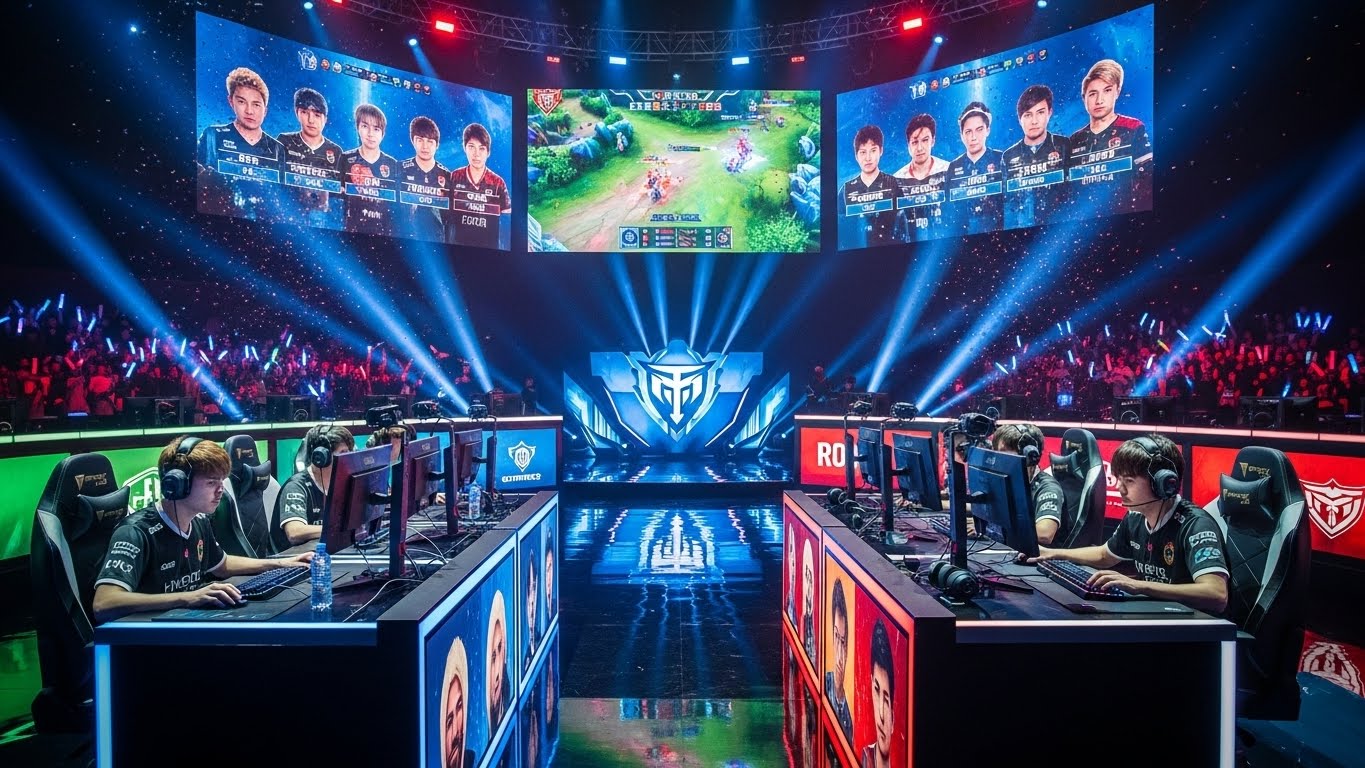
Introduction: Understanding the Esports Revolution
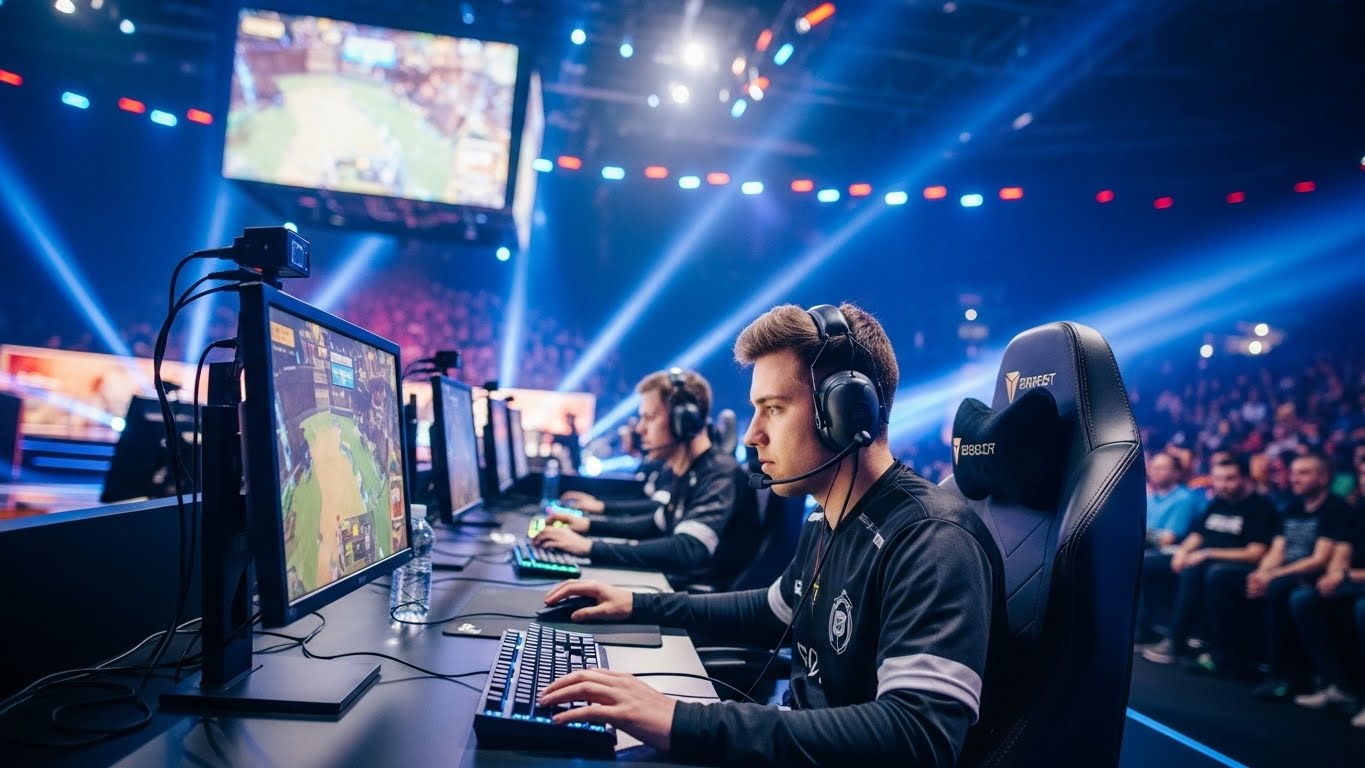
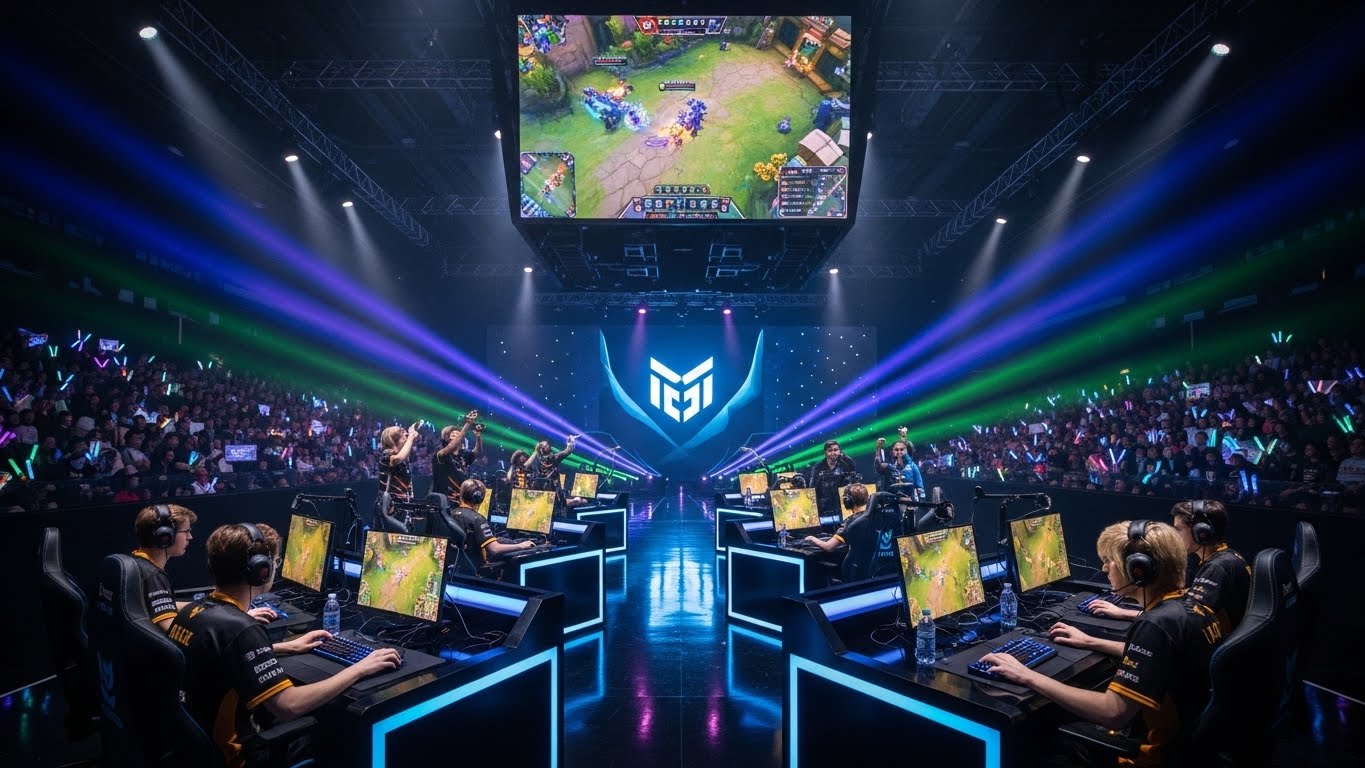
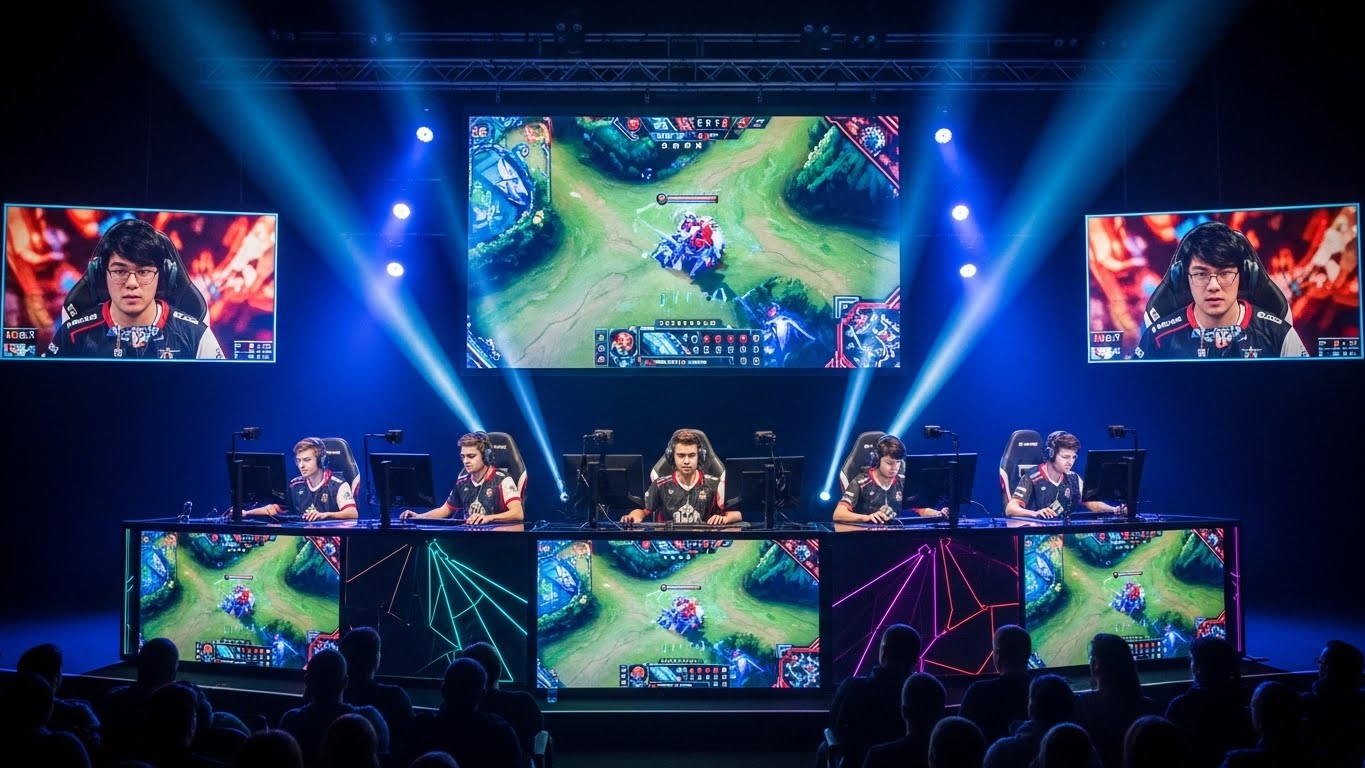
In the last decade, the world of competitive gaming, commonly known as esports, has transformed from a niche hobby into a global phenomenon. What was once considered a pastime for a select group of enthusiasts has now captured the attention of millions, spawning professional leagues, massive tournaments, and lucrative sponsorship deals. Esports is no longer confined to basements and gaming cafes; it has entered mainstream culture, with fans, players, and investors recognizing its immense potential. But what exactly is driving this unprecedented growth, and why has esports emerged as one of the most significant cultural and economic forces of our time?
The Evolution of Competitive Gaming
Competitive gaming has existed in some form for decades, tracing back to arcade tournaments in the 1970s and early computer game competitions in the 1980s. These events were often informal, local gatherings where players showcased their skills for small audiences. With the advent of the internet and multiplayer games in the late 1990s and early 2000s, competitive gaming started to evolve into a more structured ecosystem. Games like StarCraft, Counter-Strike, and Warcraft III laid the foundation for organized competitions and professional gaming careers.
The term “esports” emerged as a way to describe organized, multiplayer video game competitions that mirrored traditional sports in structure and popularity. Unlike casual gaming, esports requires rigorous practice, strategic thinking, teamwork, and mental agility. As internet connectivity improved and streaming platforms became widely available, esports began to capture a global audience, marking the beginning of a cultural and economic revolution.
Major Esports Titles and Genres
Esports encompasses a diverse range of games, each offering unique challenges and attracting different types of players. Some of the most popular genres include:
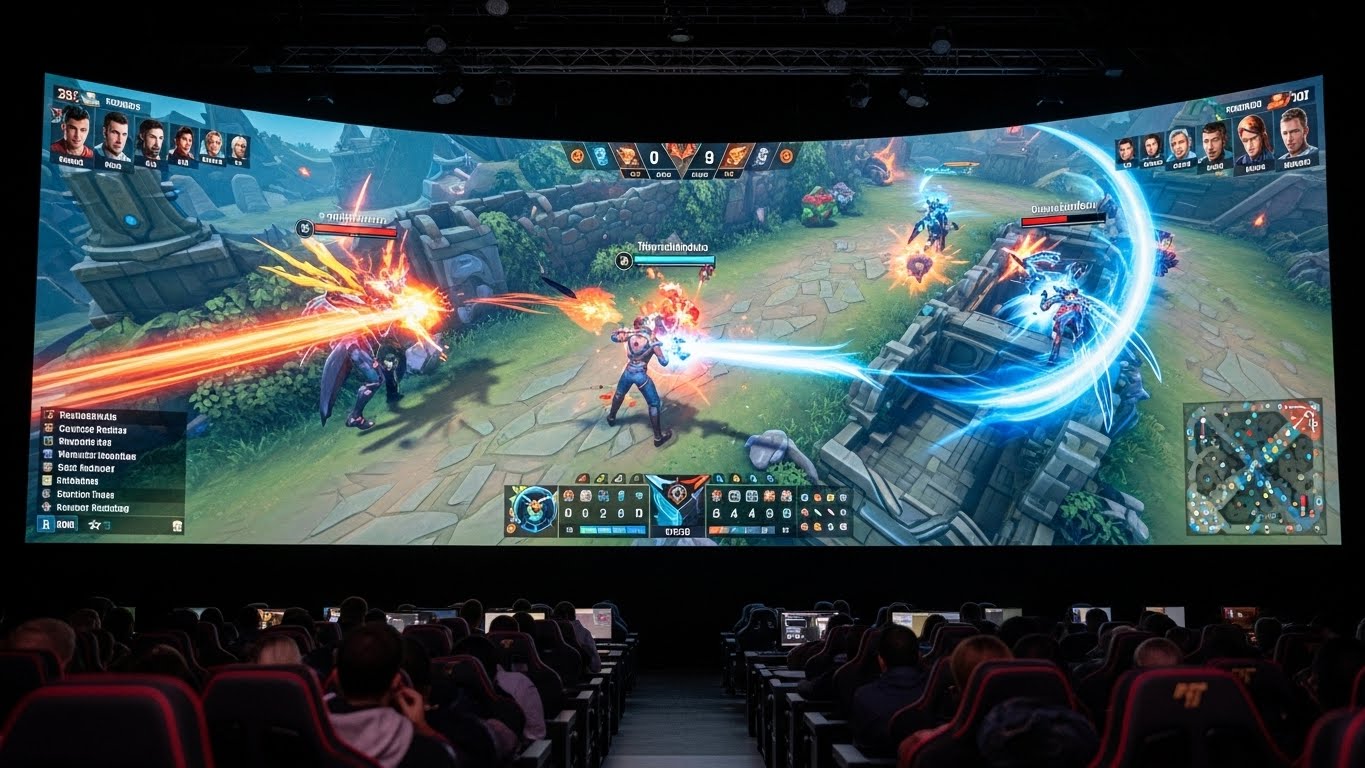
- Multiplayer Online Battle Arena (MOBA): Games like League of Legends and Dota 2 dominate this category, where teams of players compete to destroy the opponent’s base while strategizing around map control and resource management.
- First-Person Shooters (FPS): Titles such as Counter-Strike: Global Offensive and Call of Duty fall under this category, requiring precision, reflexes, and teamwork.
- Battle Royale: Games like Fortnite and PUBG have popularized this genre, where survival and adaptability are key.
- Sports Simulations and Racing: FIFA, NBA 2K, and Formula 1 simulations attract fans of traditional sports who seek a digital experience.
Each game genre fosters its own competitive scene, with dedicated tournaments, leagues, and fan communities, contributing to the overall growth of esports.
The Rise of Streaming and Esports Media
A critical factor in the explosion of esports is the rise of live streaming platforms. Services that allow players to broadcast their gameplay in real time have transformed how audiences consume esports content. Platforms such as Twitch and YouTube Gaming have enabled millions of fans to watch tournaments, follow professional players, and even interact with streamers during live broadcasts.
Streaming has also democratized esports coverage. Whereas traditional sports require television deals and expensive production, esports can thrive online, allowing new games and emerging talents to gain visibility without significant barriers. This accessibility has contributed to the rapid expansion of esports audiences worldwide.
Economic Impact and Career Opportunities
Esports has become a multi-billion-dollar industry, attracting investment from sponsors, advertisers, and media companies. Major tournaments now offer prize pools that rival traditional sports championships, with some reaching tens of millions of dollars. Companies invest in esports for marketing, brand visibility, and audience engagement, creating a symbiotic relationship between gaming companies and corporate sponsors.
The growth of esports has also generated a wide range of career opportunities beyond professional gameplay. These include roles such as team managers, coaches, analysts, content creators, tournament organizers, and commentators. Universities have even started offering esports scholarships, acknowledging the skill and dedication required to excel in competitive gaming. This professionalization of esports has made it a legitimate career path for talented players around the world.
Cultural Significance and Global Reach
Esports has transcended borders, becoming a unifying cultural force for diverse communities. Tournaments are broadcast internationally, and fan bases often span continents. Countries such as South Korea, China, and the United States have established themselves as major hubs of competitive gaming, with extensive infrastructure, professional leagues, and national pride tied to esports achievements.
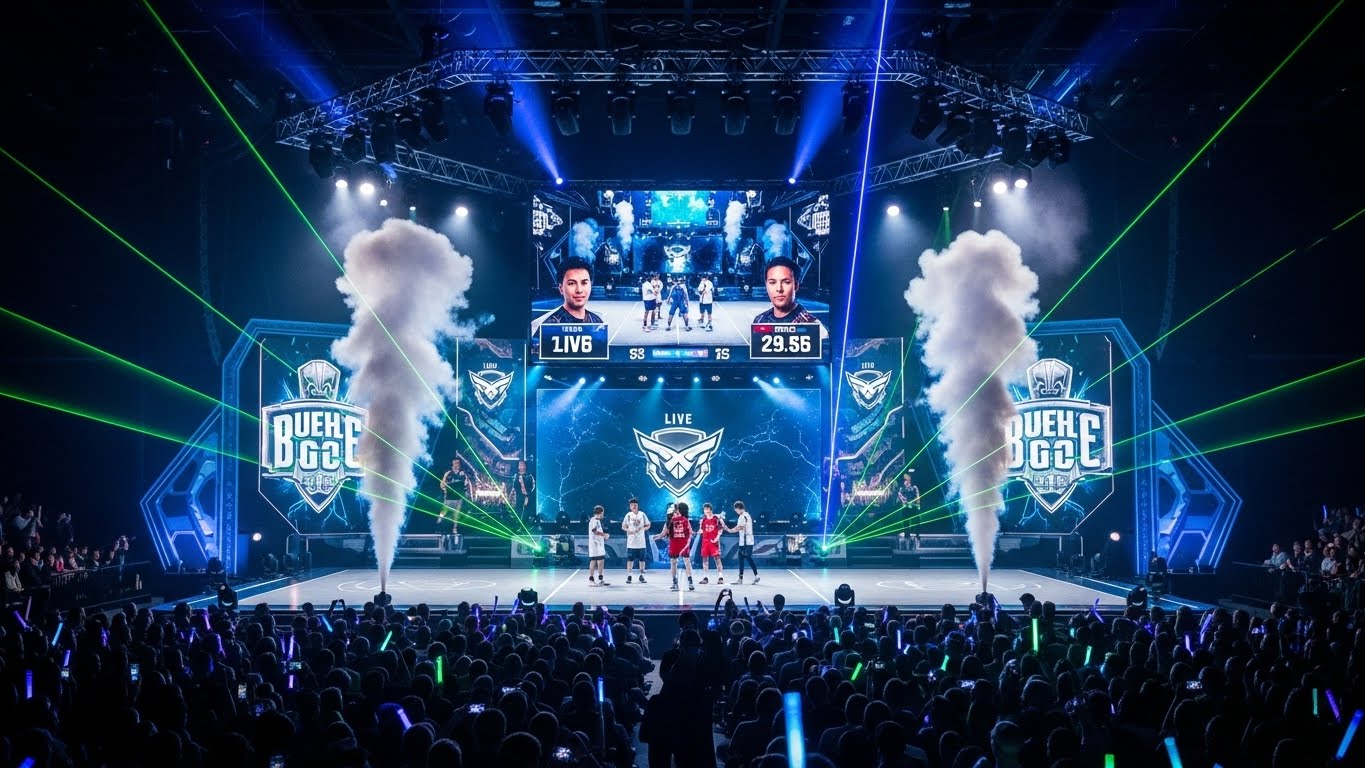
The cultural impact of esports extends beyond gameplay. It has influenced music, fashion, and social media trends, creating a lifestyle around gaming. Major events are now accompanied by live performances, cosplay competitions, and interactive fan experiences. This integration of entertainment and sports has solidified esports’ place in mainstream culture, appealing to audiences beyond traditional gamers.
Challenges and Controversies in Esports
Despite its rapid growth, esports faces several challenges and controversies. One key issue is player well-being. Professional gamers often endure grueling practice schedules, high stress, and physical strain, leading to burnout and health concerns. Organizations are increasingly recognizing the need for support systems, including mental health services and regulated training hours.
Another challenge is ensuring fair competition. Issues like cheating, match-fixing, and doping have emerged as esports gains prominence. Developers and governing bodies have implemented measures to maintain integrity, but these challenges continue to test the credibility of the industry.
Finally, there is the question of sustainability. As esports grows, maintaining audience engagement and competitive balance is crucial. Games rise and fall in popularity, and developers must adapt to evolving trends while preserving the core competitive experience.
The Future of Esports
Looking ahead, the future of esports appears promising. Technological advancements such as virtual reality, augmented reality, and cloud gaming are expected to enhance the immersive experience of competitive gaming. These innovations could redefine how players compete and how audiences engage with content.
Esports is also likely to expand into new markets, reaching regions with growing internet penetration and gaming communities. As traditional sports leagues explore partnerships with esports organizations, hybrid models may emerge, blurring the lines between physical and digital competition.
Moreover, esports education is set to grow. Institutions are increasingly offering programs that combine game design, strategy, and management, preparing a new generation of professionals for careers in the industry. This professionalization ensures that esports will continue to thrive as a legitimate form of entertainment and competition.
Conclusion: More Than Just a Game
Esports has evolved far beyond its origins as casual gaming. It is now a global cultural phenomenon, an economic powerhouse, and a professional career pathway for millions. The industry’s growth is fueled by passionate players, dedicated fans, and technological innovation, creating a dynamic ecosystem that mirrors traditional sports in complexity and impact.
As esports continues to expand, it challenges preconceived notions about what it means to be a sport, a competitor, and an entertainer. It is a testament to the power of digital culture to unite people, create opportunities, and redefine the boundaries of human achievement. For anyone willing to understand, participate, or invest in this growing field, esports represents not just a game, but a revolution in how we play, watch, and connect in the digital age.