 hubvault77
Introduction
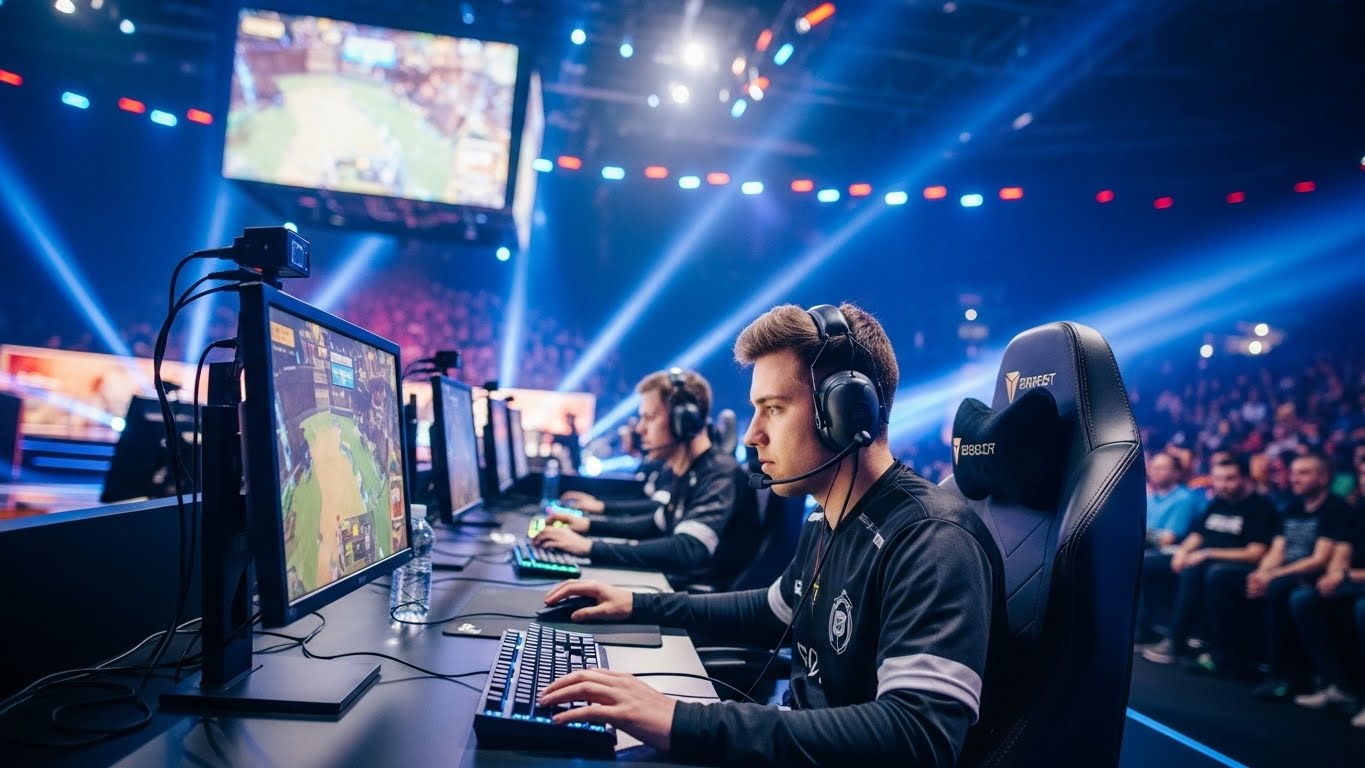
In the digital era, the line between competition and public opinion has blurred. Whether it’s esports athletes, streamers, or professional gamers, players today perform not only in front of their teams but also before millions of online spectators. Social media, streaming platforms, and forums have created a world where every move, strategy, or mistake can be dissected instantly.
Online criticism has become an unavoidable part of gaming culture. Some of it is constructive—offering valuable insights and feedback—but much of it can be harsh, emotional, or even toxic. How players handle this criticism often determines their emotional stability, career longevity, and reputation in the competitive world of esports.
This blog explores the psychological impact of online criticism, how players process it, the strategies they use to manage negativity, and how they turn feedback into fuel for growth.
1. The Reality of Online Exposure
When players step into the spotlight—whether through major tournaments or popular livestreams—they open themselves to massive audiences. With that visibility comes judgment. Every decision, performance, or reaction becomes subject to opinion.
For top-tier players, social media comments, Twitch chats, and Reddit threads can flood with feedback after every match. Some fans express admiration, but others express frustration or disappointment. A single missed shot or bad call can spark waves of memes or negativity within minutes.
Unlike traditional sports, where criticism stays mostly within commentary circles, esports athletes face direct and unfiltered online communication. Anyone can tag, message, or publicly comment on them. The constant exposure can feel overwhelming. Managing this feedback isn’t just about ego—it’s about mental endurance.
2. The Emotional Impact of Online Criticism
Negative feedback affects everyone, regardless of fame or skill. For players who dedicate their lives to perfecting their craft, harsh comments can hit deeply.
Online criticism can trigger emotions such as embarrassment, frustration, or self-doubt. When fans critique performance or question commitment, it can feel personal. Over time, repeated negativity may erode confidence or cause anxiety before public appearances.
The anonymity of the internet often intensifies this issue. Critics online feel freer to express anger or disappointment without empathy. Players must therefore develop emotional resilience to protect their mental health from external negativity.
However, not all criticism is harmful. Many players learn to distinguish between destructive and constructive feedback. This ability marks the difference between emotional burnout and professional growth.
3. Understanding the Source of Criticism
A crucial psychological skill that professional players develop is understanding where criticism comes from. Often, negative comments reveal more about the critic than the target.
Some fans express frustration because they’re emotionally invested in the game. Others may simply vent personal stress or jealousy. Recognizing this helps players detach emotionally. They learn that online criticism is rarely a balanced reflection of their performance—it’s filtered through emotion, perspective, and bias.
By depersonalizing feedback, players maintain control over their mindset. They see criticism as noise rather than truth unless it comes from credible or informed sources, such as coaches or professional analysts.
4. Differentiating Constructive from Destructive Feedback
One of the healthiest habits players adopt is learning to separate helpful insights from toxic remarks.
Constructive criticism is focused on performance and improvement. For example, a fan suggesting better coordination or strategy timing may provide value. Destructive criticism, on the other hand, attacks personality or worth—insults, mockery, or unfair generalizations.
Professional players often use this distinction to manage their mental boundaries. They listen to useful observations while tuning out irrelevant negativity. This selective attention helps them maintain motivation without internalizing toxicity.
Esports coaches and team psychologists frequently train players to process feedback through this mental filter. Over time, players become emotionally immune to hate while staying receptive to learning opportunities.
5. The Role of Emotional Intelligence
Handling online criticism requires more than just willpower—it requires emotional intelligence (EQ).
Emotional intelligence helps players interpret their emotions, respond calmly, and maintain perspective under pressure. High EQ players don’t react impulsively to hate or frustration; they analyze the situation before responding.
When negative comments appear, emotionally intelligent players might pause, breathe, and evaluate the intent. If it’s meant to provoke, they disengage. If it holds a useful point, they note it for later reflection.
EQ also strengthens empathy. Many top players understand that fans express criticism out of passion for the game. This understanding transforms hostility into motivation, bridging the gap between audience and player.
6. Building Mental Resilience
Mental resilience is the ability to stay strong despite adversity. In esports, it’s essential not only for competition but also for enduring public judgment.
Resilient players accept criticism as an inevitable part of success. They focus on what they can control—their performance, preparation, and attitude—rather than trying to please everyone.
Many players build resilience through mindfulness practices, meditation, or sports psychology sessions. These techniques help regulate stress, improve focus, and maintain composure.
Resilience also grows from experience. Over time, repeated exposure to online comments helps players toughen their mental skin. The same criticism that once caused distress becomes background noise.
7. The Importance of Support Systems
Behind every professional player is a network of teammates, coaches, friends, and family who provide emotional support. These people play a vital role in helping players cope with online negativity.
When criticism hits hard, having trusted individuals to talk to prevents isolation. Coaches may offer perspective, reminding players that one poor performance doesn’t define their worth. Teammates share empathy because they experience similar scrutiny.
Some esports organizations even employ mental health specialists to support players. They teach coping strategies, provide therapy, and monitor emotional well-being during high-stress tournaments.
A strong support system acts as a psychological buffer, reminding players that real validation comes from personal growth, not public approval.
8. Controlling Social Media Exposure
Many players manage online criticism by regulating their exposure to it. Constantly reading comments or scrolling through threads can amplify negativity.
To maintain balance, players set healthy boundaries—limiting screen time, muting toxic accounts, or delegating social media management to professionals. Some use tools that filter negative language or block spam automatically.
This doesn’t mean players avoid feedback entirely. Instead, they choose when and how to engage. By controlling exposure, they prevent emotional fatigue and preserve focus for what matters: training and competition.
Taking breaks from social media before or after major matches also allows mental recovery. Digital silence helps players reconnect with reality and detach from online pressure.
9. Turning Criticism into Motivation
Champions in esports and traditional sports alike often share a common trait—they use criticism as motivation. Rather than letting negativity weaken them, they let it fuel determination.
When fans or pundits doubt their abilities, great players respond through action. They work harder, refine strategies, and use criticism as energy to prove themselves. This mental reframing turns hate into drive.
Some players even keep records of harsh comments as reminders of how far they’ve come. Each victory then becomes a personal triumph, not just against opponents but against doubt itself.
This mindset requires discipline and self-belief. It shifts focus from pleasing critics to outperforming expectations, transforming negativity into growth.
10. Maintaining Professionalism in Public Response
How players respond publicly to criticism can define their reputation. Emotional outbursts or defensive comments can escalate conflict and damage credibility.
Experienced players maintain professionalism by choosing calm, measured responses—or none at all. They understand that silence often speaks louder than argument.
When they do respond, they keep communication respectful and constructive. For example, acknowledging a valid point or thanking fans for feedback shows maturity and self-awareness. This earns respect and defuses tension.
Professionalism also extends to body language during livestreams or interviews. Remaining composed even after provocation demonstrates emotional strength, reinforcing a player’s image as a true competitor.
11. The Role of Humor and Positivity
Many players handle online criticism through humor. By laughing at minor jokes or memes about themselves, they show confidence and disarm negativity.
Humor creates relatability. It transforms tension into connection, showing fans that players don’t take every comment personally. This playful attitude builds goodwill and helps turn critics into supporters.
Positive engagement also changes the tone of online interactions. Responding with kindness, encouragement, or self-awareness demonstrates maturity. Some players thank fans for caring enough to comment, even when opinions differ.
By promoting positivity instead of confrontation, players set a cultural example for the gaming community—showing that competition and respect can coexist.
12. Learning from Experienced Mentors
New players entering the professional scene often struggle most with online criticism because it’s a new psychological experience. Mentorship plays a key role in helping them adapt.
Veteran players share strategies for emotional management, explaining that criticism is inevitable and often meaningless. They provide examples of their own mistakes and how they recovered.
Mentors also help younger players focus on long-term development rather than daily opinions. This guidance prevents burnout and encourages emotional maturity.
Through mentorship, new players gain not only tactical knowledge but also psychological armor—the confidence to navigate the public side of competition.
13. The Role of Team Culture in Handling Criticism
A healthy team environment can drastically influence how players respond to online negativity. When a team promotes unity, communication, and mutual respect, criticism becomes easier to handle.
Within such cultures, players support each other after bad games instead of pointing fingers. The group mentality replaces “I failed” with “We’ll improve together.” This collective mindset reduces individual guilt and reinforces emotional safety.
Coaches in strong organizations remind players that public perception fluctuates but internal trust remains constant. This stability helps players recover quickly from negative attention.
A team that protects its members from external pressure cultivates confidence and long-term success.
14. Developing a Balanced Perspective
At the core of handling criticism lies perspective. Players who thrive understand that online comments represent a small portion of the bigger picture.
They recognize that fans criticize because they care about the game. Mistakes are temporary; what truly matters is growth over time.
By viewing criticism as part of the professional landscape rather than a personal attack, players maintain emotional balance. They see both praise and negativity as passing moments, not lasting truths.
This balanced mindset allows them to enjoy success without arrogance and endure failure without despair.
15. The Long-Term Benefits of Handling Criticism Well
While online criticism can be painful, mastering how to handle it can actually enhance a player’s career. Emotional maturity attracts sponsors, builds fan loyalty, and improves team dynamics.
Players who demonstrate grace under pressure become role models within the community. Their calmness inspires fans and teammates alike.
Moreover, handling criticism effectively improves mental health and prevents burnout. It teaches self-control, patience, and communication—skills that benefit life beyond gaming.
Over time, the ability to navigate online negativity with confidence becomes one of a professional player’s greatest assets.
16. The Dark Side: When Criticism Becomes Harassment
While constructive feedback is healthy, some criticism crosses into harassment. Personal attacks, threats, and cyberbullying are unfortunately common in competitive gaming.
Players facing extreme abuse often require professional help or intervention from organizations. Esports teams are increasingly implementing protective policies, moderating chats, and reporting harmful users.
It’s crucial to distinguish between legitimate criticism and harassment. No player should tolerate abuse disguised as feedback. Setting clear boundaries and seeking support helps maintain both safety and dignity.
Raising awareness about this issue also encourages fans to foster a healthier and more respectful online environment.
17. The Evolution of Player-Fan Relationships
Over the years, the relationship between players and fans has matured. While early esports communities were often informal and reactive, today’s professional players engage more strategically with their audiences.
They use transparency, humor, and authenticity to build trust. By sharing behind-the-scenes insights, acknowledging mistakes, and expressing gratitude, they humanize themselves in the eyes of fans.
This openness transforms critics into supporters. When fans see the effort and emotion behind every match, they develop empathy, reducing hostility.
Modern esports culture is shifting toward mutual respect—where feedback becomes dialogue instead of attack.
Conclusion
Handling online criticism has become an essential skill for every professional player. In a world where digital opinion spreads faster than gameplay highlights, mental resilience and emotional intelligence are as vital as mechanical skill.
Players who navigate criticism with grace, perspective, and humor rise above negativity. They transform public scrutiny into personal growth, setting examples for fans and peers alike.
Criticism will never disappear—but how players respond defines their legacy. The champions of tomorrow will not only master their games but also master their minds, proving that true victory is not just about defeating opponents on the screen, but overcoming doubt and noise beyond it.