 hubvault77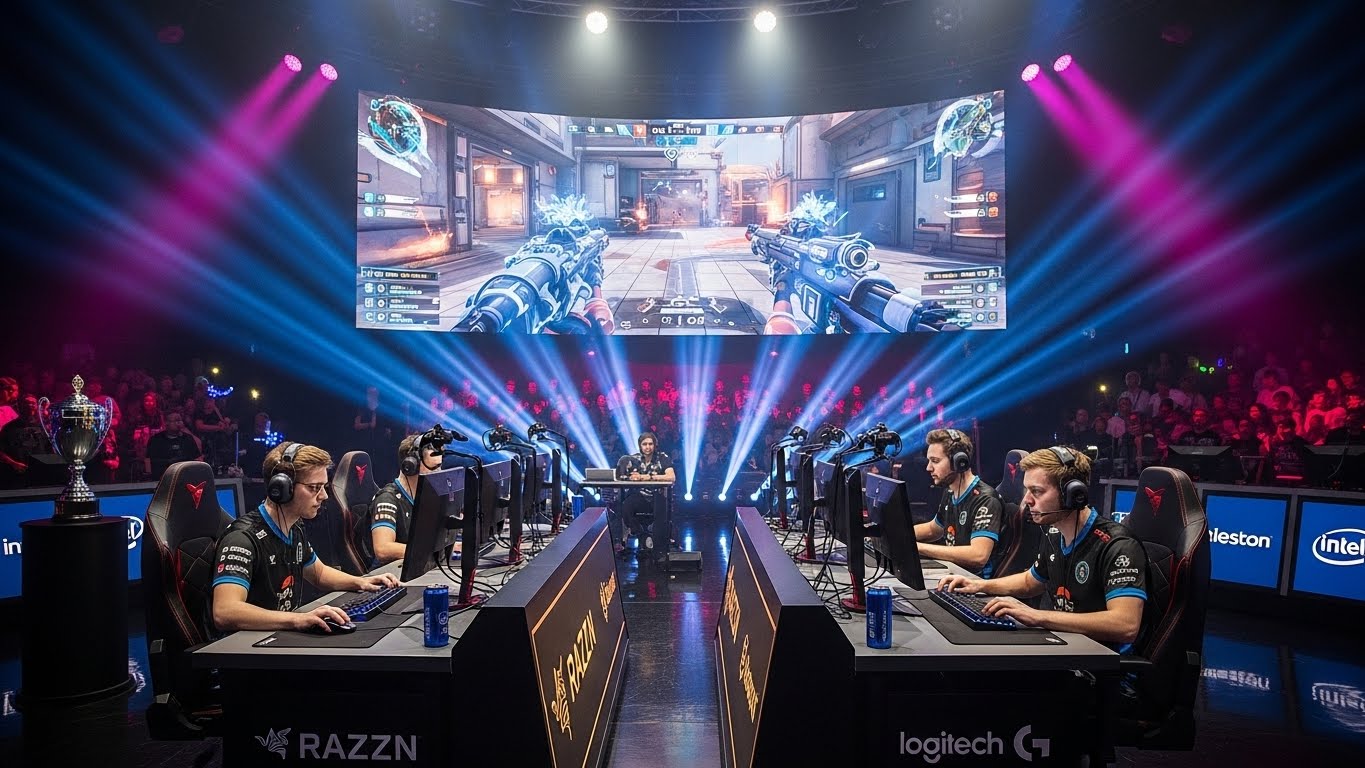
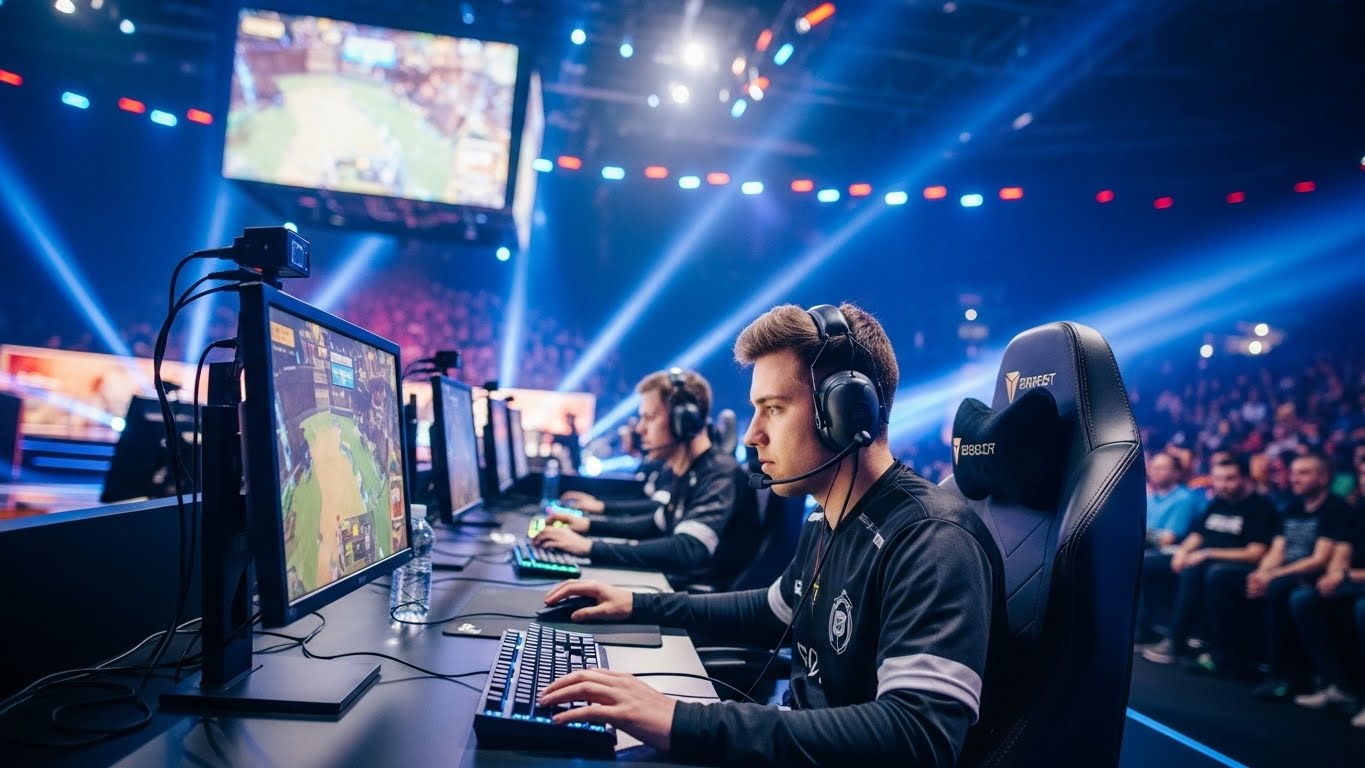
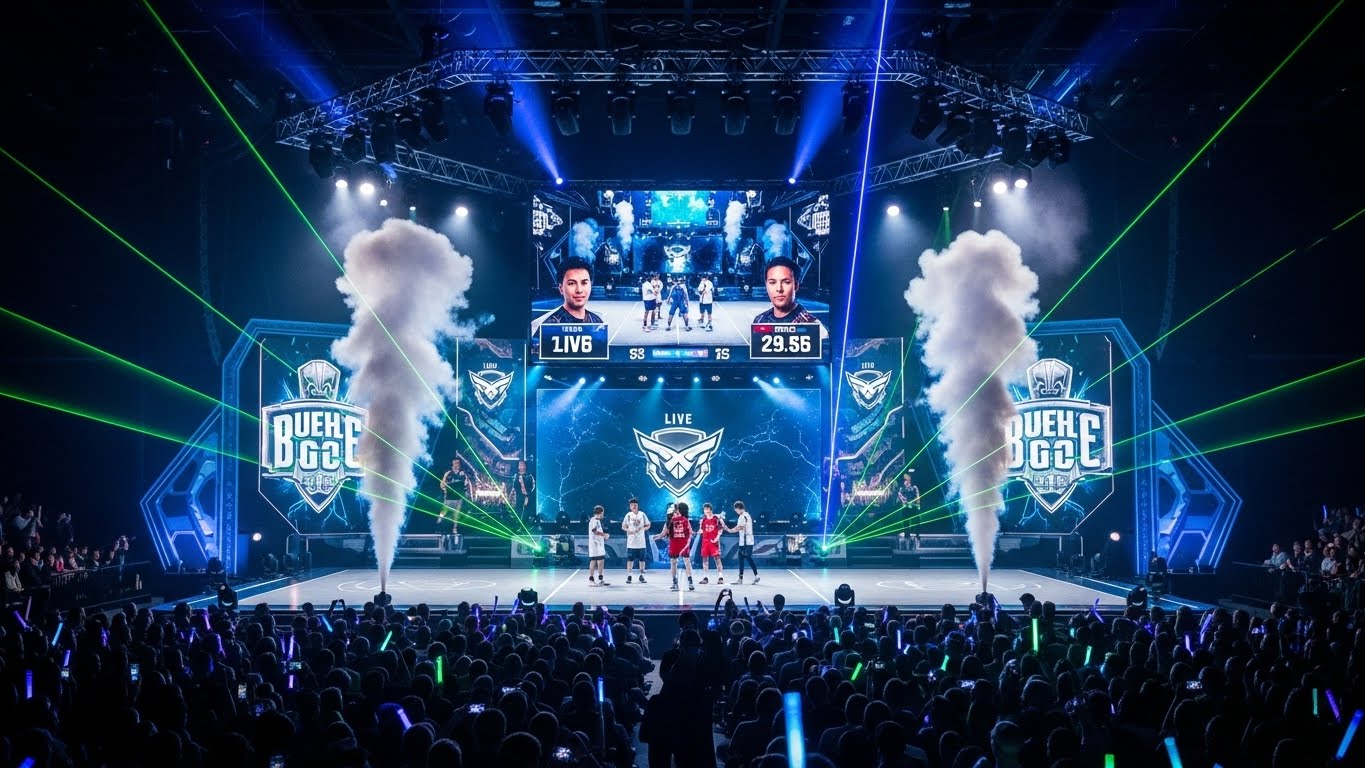
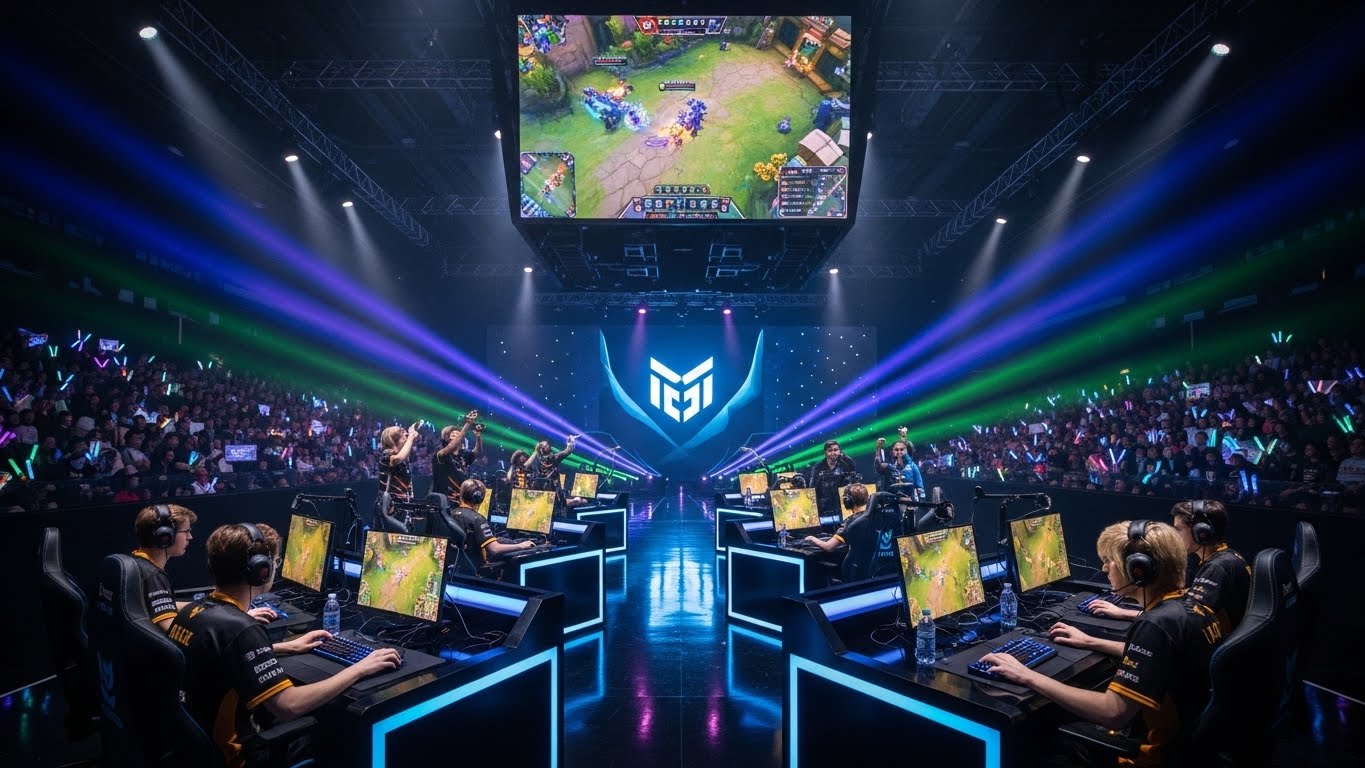
Esports, or electronic sports, is no longer a niche hobby for a select few gamers. It has evolved into a global multi-billion-dollar industry that rivals traditional sports in terms of viewership, engagement, and financial investment. What was once considered a pastime for teenagers has now become a legitimate career path for professional players, a thriving entertainment sector with massive tournaments, and an ever-growing spectator sport that attracts millions worldwide. In this blog post, we’ll explore the rise of esports, its growth into a global phenomenon, and the factors that make it a unique and revolutionary addition to the world of sports.
The Origins of Esports: From Casual Gaming to Competitive Play
Esports has a surprisingly long history, beginning in the early days of digital gaming. The idea of competitive gaming can be traced back to the 1970s when early arcade games like Space Invaders and Pong gained popularity. However, it wasn’t until the 1990s, with the advent of personal computers and online gaming, that esports began to take shape in a more formalized manner.
The 1990s witnessed the first major organized competitions, including Quake tournaments in 1997, which are often considered the beginnings of modern esports. Games like StarCraft and WarCraft III also laid the foundation for professional gaming, with players participating in competitions and leagues, albeit on a smaller scale. These early tournaments were local affairs, often hosted in gaming cafes or convention halls, with small prize pools and limited media coverage. Yet, these events set the stage for a larger esports movement.
By the early 2000s, South Korea emerged as the birthplace of professional esports, driven by the country’s world-class internet infrastructure and the popularity of games like StarCraft. The creation of esports organizations and broadcast channels, including OnGameNet and MBCGame, helped popularize competitive gaming, turning professional gamers into national celebrities. As the internet spread globally, esports began to expand beyond South Korea, laying the groundwork for what would become a global industry.
The Growth of Esports: A Billion-Dollar Industry
Esports as we know it today really began to gain significant traction in the 2010s, fueled by advancements in technology and an increasing audience of both players and spectators. The widespread availability of high-speed internet and the rise of streaming platforms like Twitch, YouTube Gaming, and Facebook Gaming played a key role in this expansion. These platforms allowed fans to watch live streams of competitive games, giving rise to a new form of digital entertainment that blurred the lines between gaming and traditional sports.
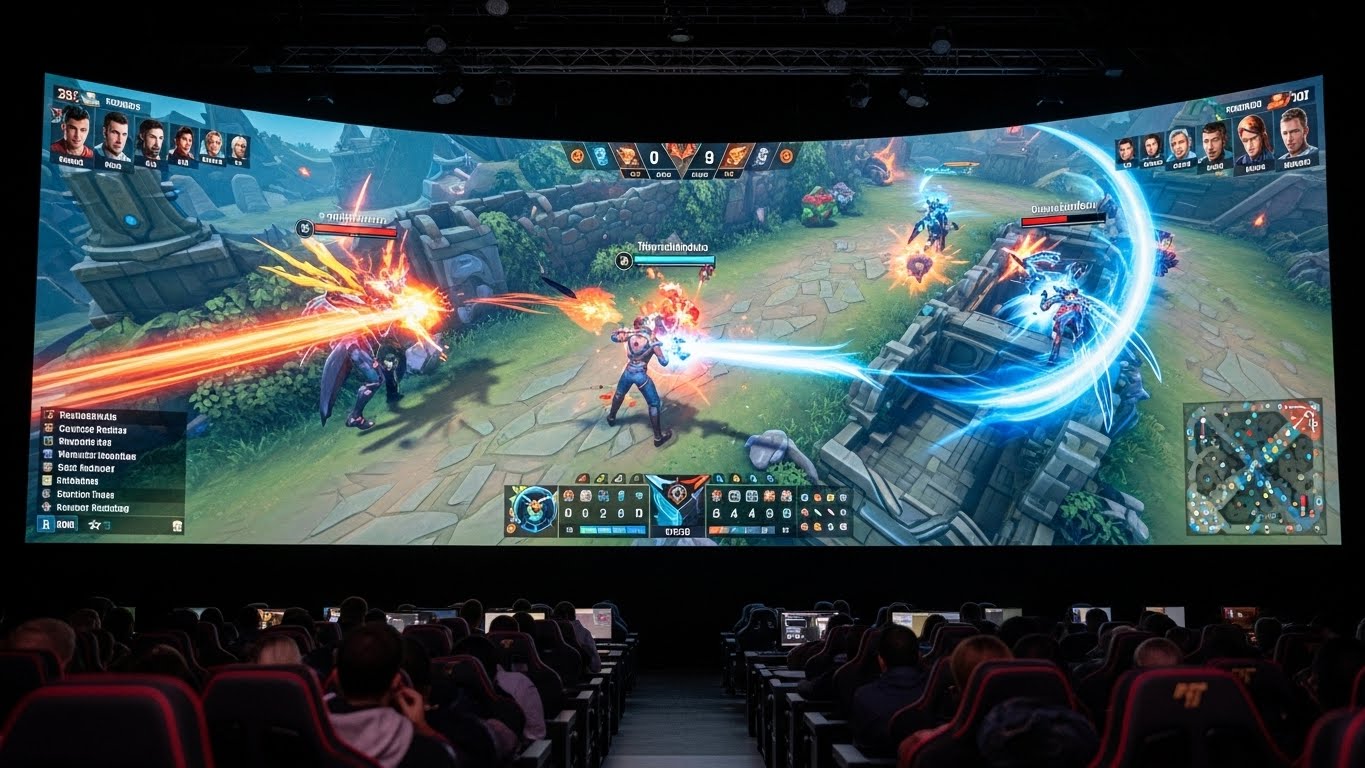
The popularity of League of Legends, Dota 2, Counter-Strike: Global Offensive, and Overwatch marked the beginning of the esports boom. Major tournaments, such as the League of Legends World Championship and The International (the world championship for Dota 2), drew millions of viewers and had prize pools reaching into the tens of millions of dollars. For example, the prize pool for The International 2018 reached an astounding $25 million, a figure that continues to grow each year.
Esports has evolved into a professional, global ecosystem with teams, coaches, analysts, and broadcasters. Top esports organizations such as Cloud9, Team Liquid, Fnatic, and G2 Esports have become global brands, attracting sponsorships from major companies like Coca-Cola, Red Bull, and Intel. In fact, the sponsorships and advertising revenue have become significant revenue streams, helping teams fund their operations and giving players the financial backing to pursue gaming as a full-time career.
As of 2023, the esports industry is estimated to be worth over $1 billion, and this number continues to rise. With lucrative prize pools, advertising, streaming revenue, and merchandise sales, esports has cemented its position as one of the most profitable sectors within the entertainment industry.
Esports Leagues and Teams: A Professional Arena
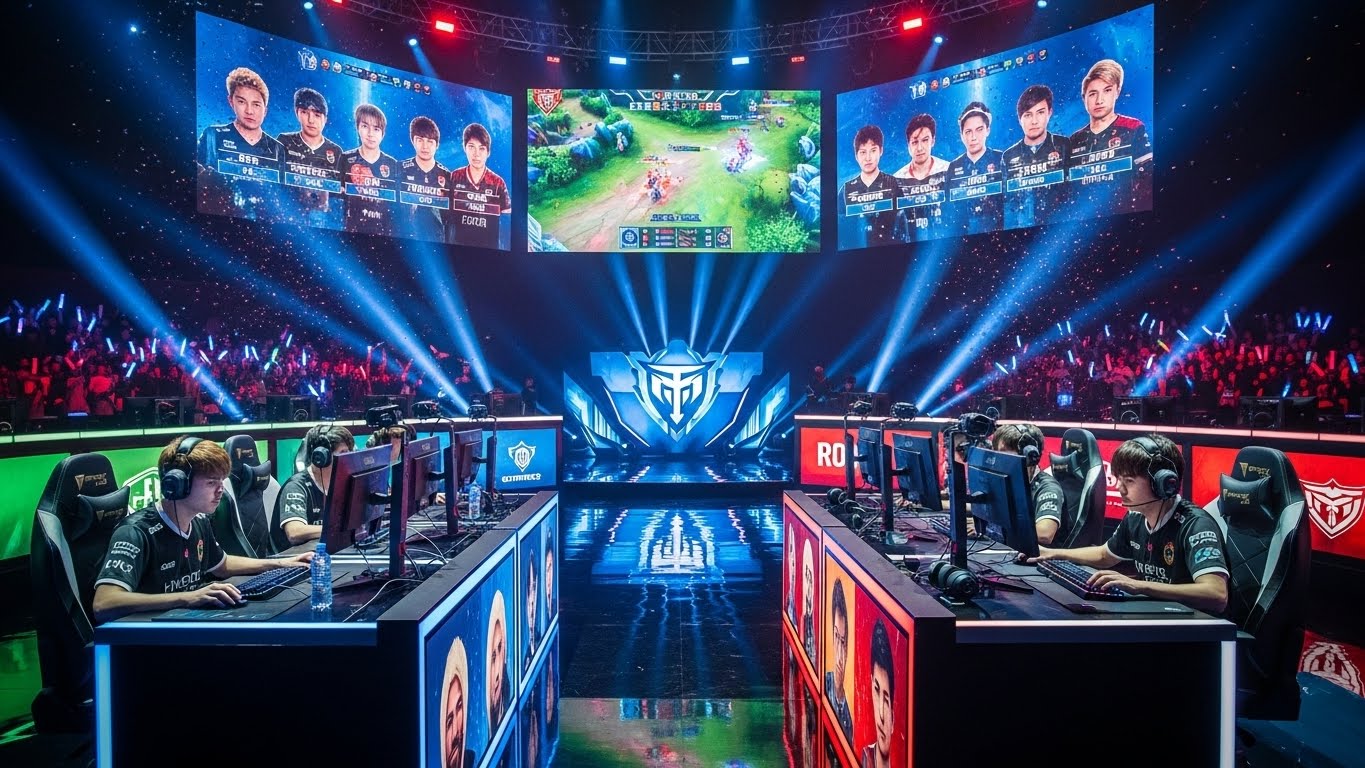
Esports is not just about individual players. Like traditional sports, it revolves around organized teams and leagues that create a competitive structure. Teams often consist of players who specialize in specific games, and they train together to compete at the highest level. These teams have coaches, analysts, and performance staff to help optimize their gameplay, much like professional teams in sports such as basketball, soccer, or football.
One of the most notable developments in esports is the rise of city-based leagues. The Overwatch League, launched in 2018, introduced a franchise-based structure similar to that of traditional sports leagues. Teams represent cities around the world, and players are recruited from across the globe to compete in a variety of tournaments throughout the season. The franchise model has brought more financial stability to the industry, as it allows teams to secure long-term sponsorship deals and broadcast rights.
Other esports games, such as League of Legends, Call of Duty, and Rainbow Six Siege, have also adopted similar league-based systems, giving rise to regional leagues and international competitions. The professionalization of these leagues has not only elevated the level of play but has also made it easier for fans to follow their favorite teams, players, and matches.
Esports teams, much like their counterparts in traditional sports, invest in infrastructure, including training facilities, coaching staff, and marketing strategies. Some of the world’s most successful organizations have even created their own performance centers, where players can practice, undergo physical training, and engage in mental conditioning exercises. These organizations are often supported by investors, sponsorships, and merchandise sales, all of which help sustain the esports ecosystem.
The Role of Streaming Platforms in Esports
One of the most significant factors behind the rise of esports is the development of live streaming platforms. Platforms such as Twitch and YouTube Gaming have been pivotal in making esports accessible to millions of fans worldwide. These platforms provide a space for professional gamers and enthusiasts to broadcast their gameplay, interact with viewers, and showcase tournaments in real-time.
Twitch, which was launched in 2011, has become the leading platform for live streaming esports content. It attracts millions of viewers daily who tune in to watch professional gamers play games like League of Legends, Fortnite, Valorant, and Apex Legends. The platform has also made it possible for amateur streamers to build large followings and turn their passion for gaming into profitable careers. Viewers can interact with streamers through live chat, contributing to the sense of community that defines the esports ecosystem.
Streaming platforms are essential for promoting esports events and increasing visibility. High-profile events, such as The International, League of Legends World Championship, and the Fortnite World Cup, all rely heavily on platforms like Twitch to broadcast their matches to millions of viewers. These platforms have become the modern equivalent of traditional sports broadcasting, providing fans with access to live events, highlight reels, and player interviews.
In addition to live broadcasts, streaming platforms also allow for monetization through advertisements, sponsorships, and fan donations. This has made esports a viable career path for not just professional players but also commentators, streamers, and content creators who contribute to the wider ecosystem.
The Esports Fanbase: A Global and Engaged Audience
One of the most exciting aspects of esports is its ability to attract a diverse and highly engaged fanbase. Esports has no geographical or cultural boundaries. Whether it’s in North America, Europe, Asia, or South America, gaming fans are united by their love of competition, strategy, and the thrill of watching skilled players compete at the highest level.
The global appeal of esports can be seen in its massive audience. The League of Legends World Championship in 2020 attracted a peak concurrent viewership of over 3.8 million people, with the total viewership for the event exceeding 100 million unique viewers. These numbers rival the viewership of major traditional sports events like the Super Bowl or the FIFA World Cup.
Esports fans are not just passive spectators; they are highly engaged with the content they consume. Fans interact with players, teams, and streamers through social media platforms, discuss game strategies in online forums, and even attend live tournaments in person. This level of engagement fosters a sense of community and connection that traditional sports are still striving to replicate in the digital age.
Moreover, the younger demographic that dominates the esports fanbase is highly influential in shaping the future of the entertainment and sports industries. The average age of an esports viewer is typically between 18 and 34 years old, making it a prime target for advertisers and sponsors. As esports continues to grow, brands are increasingly looking to tap into this audience, which is known for its digital savviness and loyalty to the gaming community.
The Future of Esports: A Digital Revolution
Looking ahead, the future of esports is incredibly bright. With the ongoing development of technology, esports is set to continue evolving in exciting ways. Virtual reality (VR) and augmented reality (AR) are expected to play a larger role in esports, potentially transforming how players and spectators experience competitive gaming.
Mobile gaming is another area poised for growth. As mobile phones become more powerful and internet speeds increase, mobile esports tournaments and leagues are becoming increasingly popular. Countries like China, India, and Southeast Asia have a massive mobile gaming population, and the rise of mobile esports could provide an additional layer of competition and engagement.
Esports is also moving closer to becoming an officially recognized part of the Olympic Games. The International Olympic Committee (IOC) has shown interest in including esports in the Olympics, acknowledging the growing influence of digital sports in the global entertainment landscape. While the path to Olympic inclusion is still uncertain, the mere discussion of esports in this context speaks to its legitimacy as a global sport.
In conclusion, esports is no longer a fringe activity—it has become a cornerstone of modern entertainment. With its professional infrastructure, passionate fanbase, and multi-billion-dollar industry, esports has established itself as a legitimate and evolving sector in the world