 hubvault77
Introduction
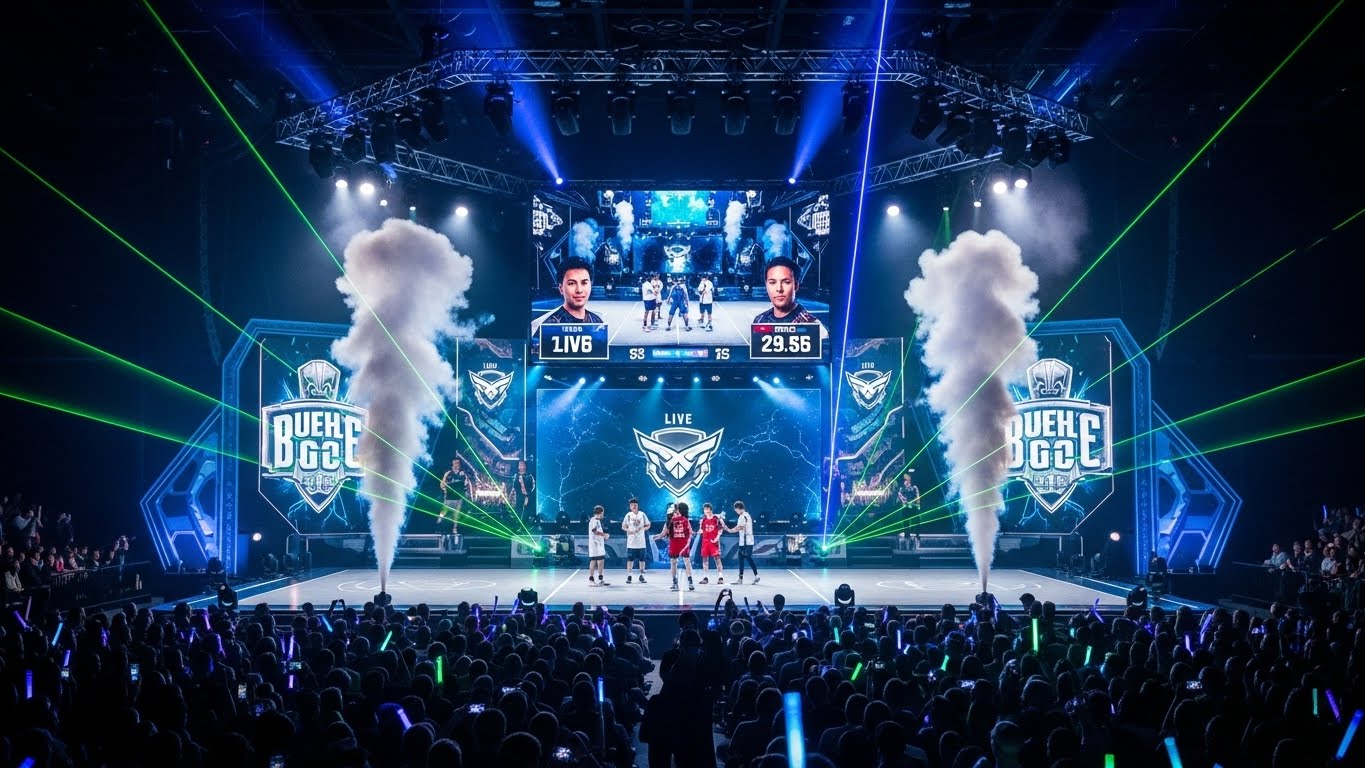
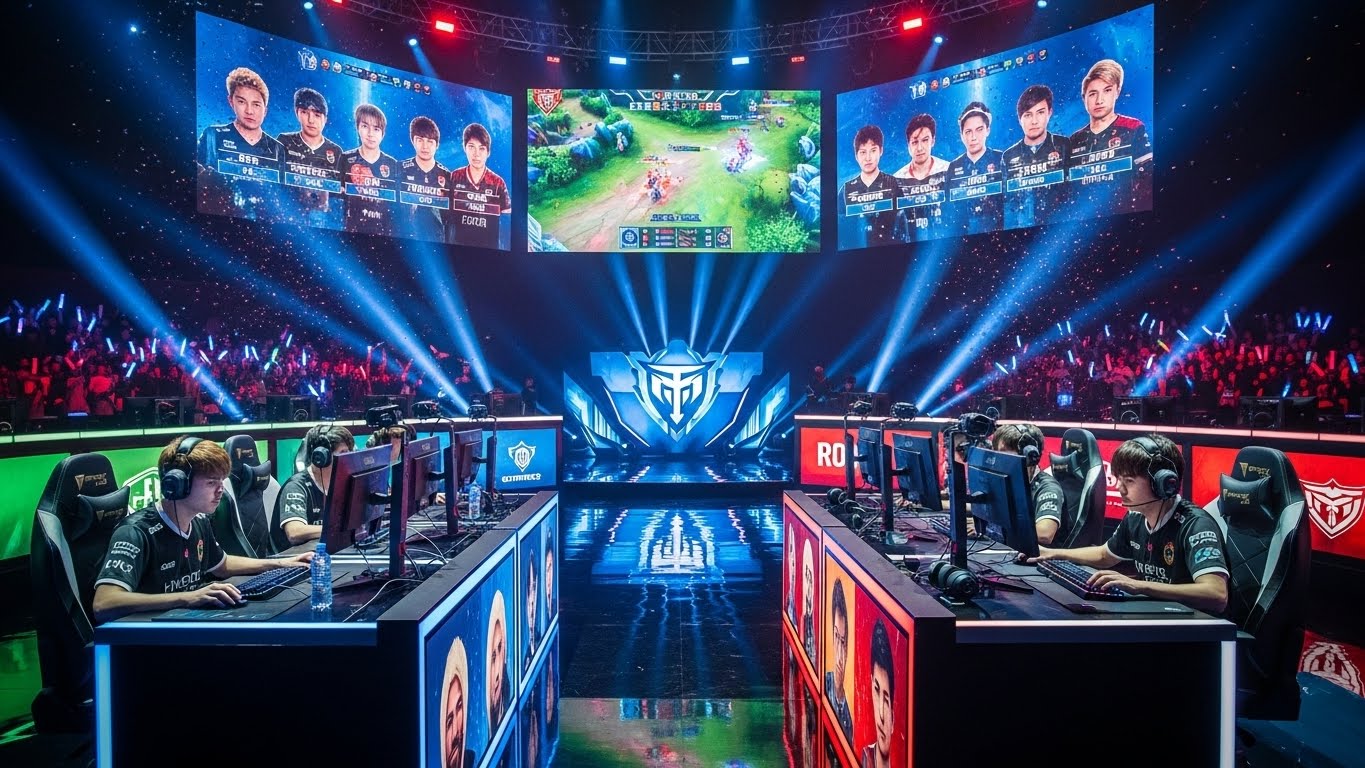
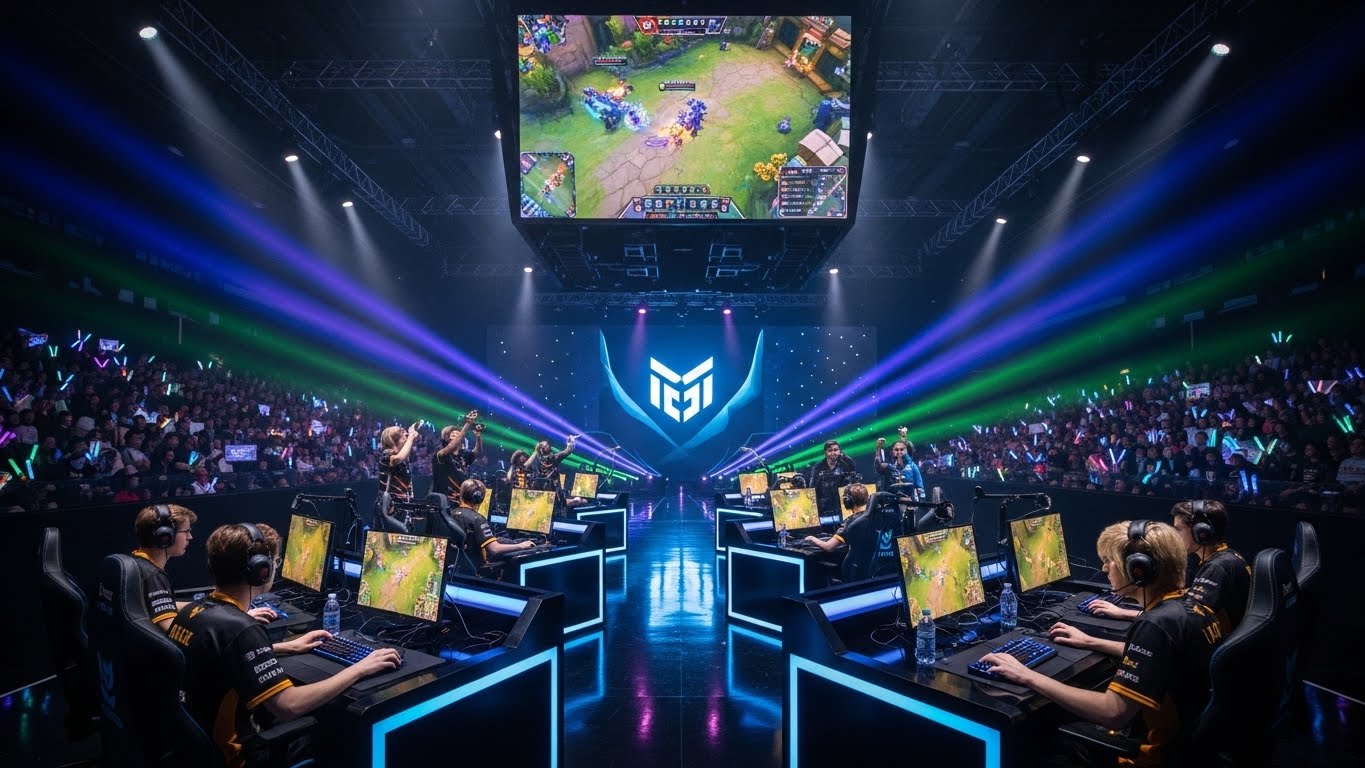
eSports has grown from a niche hobby into a global phenomenon, captivating millions of players and fans worldwide. Competitive gaming is no longer just about entertainment; it has become a professional arena where skill, strategy, and teamwork are celebrated. With high-stakes tournaments, professional teams, and live audiences, eSports is redefining the way we view sports and digital competition.
The Evolution of eSports
The journey of eSports began with local gaming competitions in the 1980s and 1990s. Early tournaments focused on arcade and PC games, attracting small but passionate crowds. With the advent of the internet and online multiplayer games, eSports expanded globally, allowing players to compete in real time across continents. Today, eSports encompasses a wide variety of games, including first-person shooters, multiplayer online battle arenas, sports simulations, and strategy games, drawing massive audiences around the world.
Professional Gaming as a Career
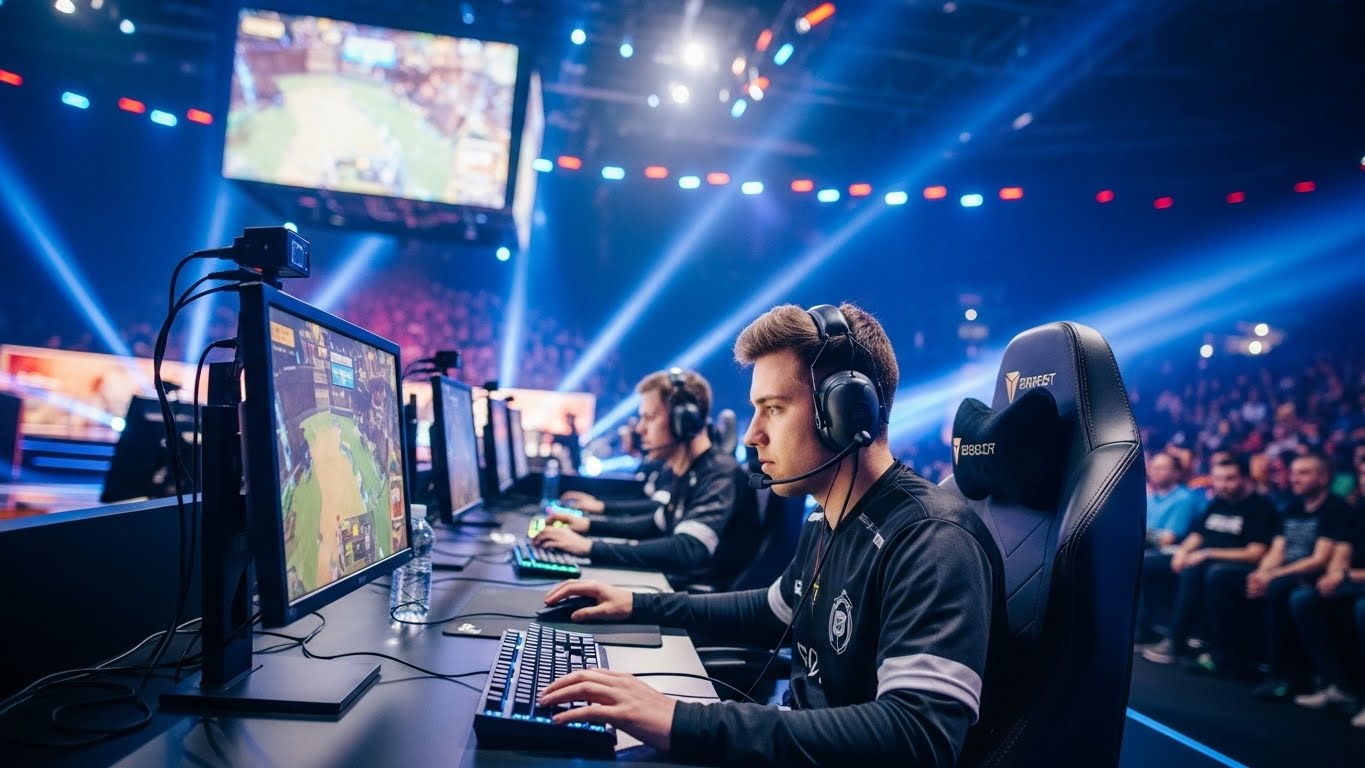
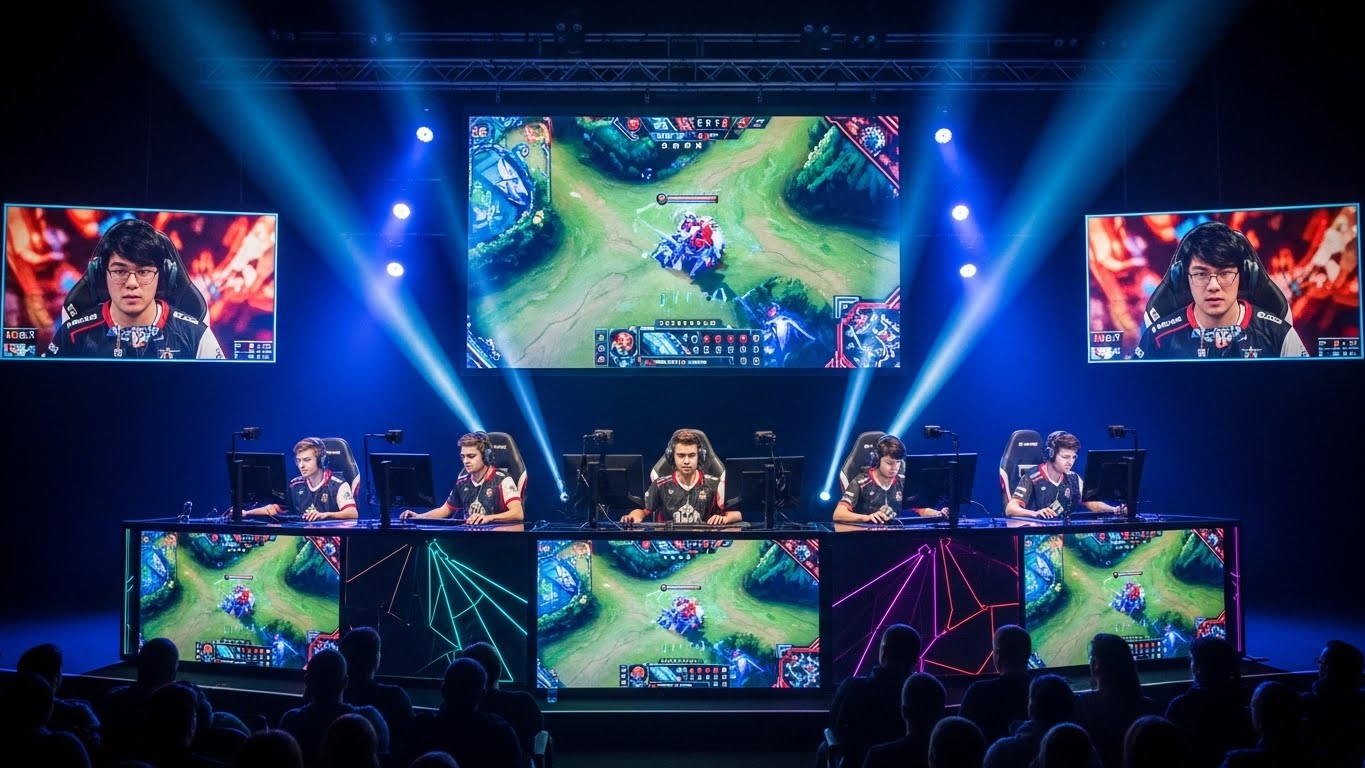
One of the most striking aspects of eSports is the emergence of professional careers. Top players earn income through tournament winnings, sponsorship deals, and streaming content. Professional teams function much like traditional sports organizations, employing coaches, analysts, and support staff to enhance player performance. Dedication, practice, and strategy are essential, and top players often train for several hours a day to maintain competitive excellence.
Technology Driving eSports
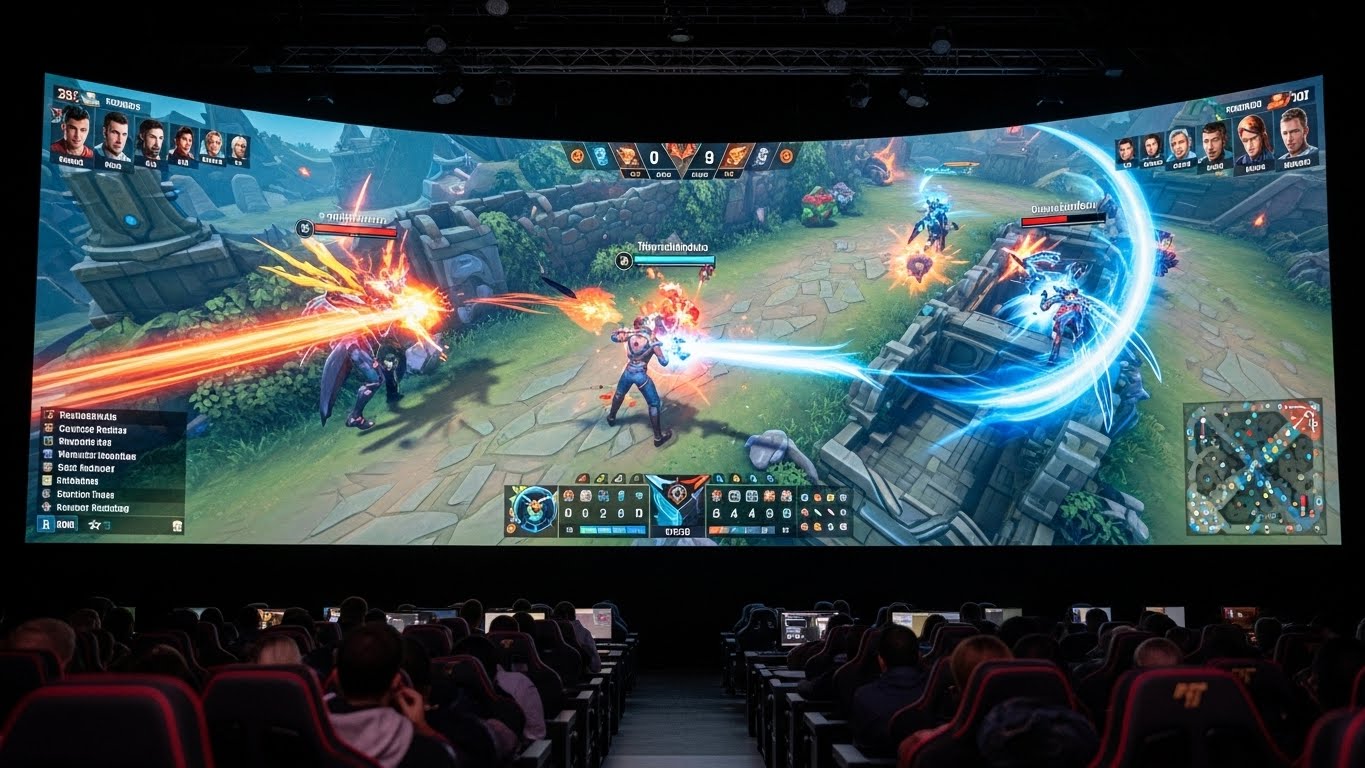
Technology is at the heart of eSports. High-speed internet, powerful gaming hardware, and streaming platforms allow players and fans to connect globally. Spectators can watch live competitions, interact with players, and follow updates in real time. Advanced graphics, realistic sound effects, and immersive environments make the gaming experience engaging for both players and viewers.
Community and Social Interaction
eSports fosters strong communities and social connections. Online forums, social media platforms, and streaming chats bring fans and players together, allowing them to share strategies, highlights, and experiences. These communities promote collaboration, mentorship, and friendship, creating a sense of belonging. eSports is more than a game—it is a culture that connects people from diverse backgrounds worldwide.
Skills and Benefits of eSports
Competitive gaming develops a range of valuable skills. Players improve critical thinking, problem-solving, strategic planning, and communication. Fast-paced games enhance reflexes, focus, and decision-making under pressure. Team-based games teach collaboration, leadership, and adaptability. Beyond entertainment, eSports provides mental stimulation, fosters discipline, and builds resilience.
The Future of eSports
The future of eSports looks promising and innovative. Virtual reality, augmented reality, and artificial intelligence will make gaming experiences more immersive and interactive. Schools and organizations are increasingly integrating eSports programs, and tournaments continue to grow in scale and prestige. eSports will continue to shape the world of digital entertainment, offering new ways to compete, connect, and engage.
Conclusion
eSports has transformed gaming into a professional, competitive, and social phenomenon. It combines skill, strategy, and technology while fostering global communities and providing career opportunities. As the industry evolves, eSports will continue to redefine digital competition, proving that gaming is more than a pastime—it is a dynamic form of modern sport and entertainment.