 hubvault77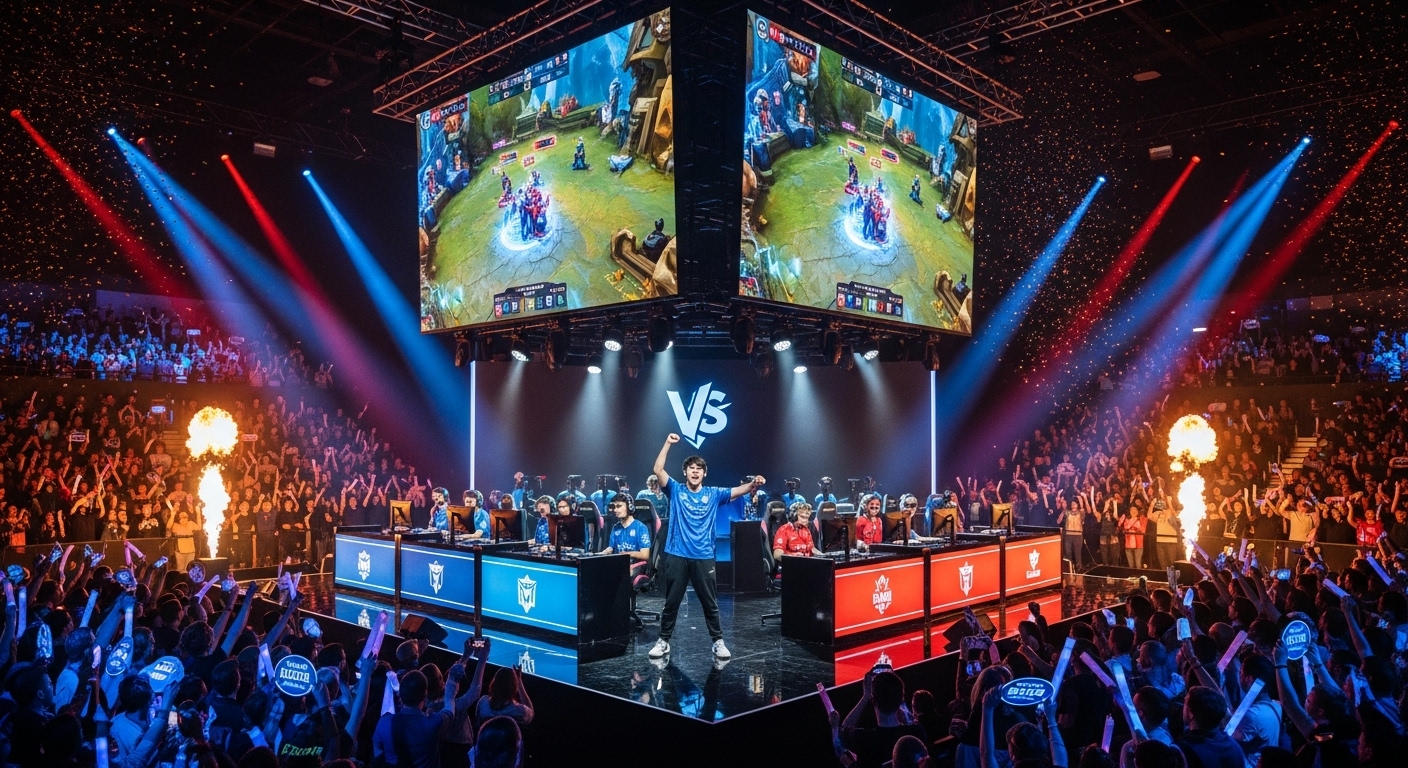
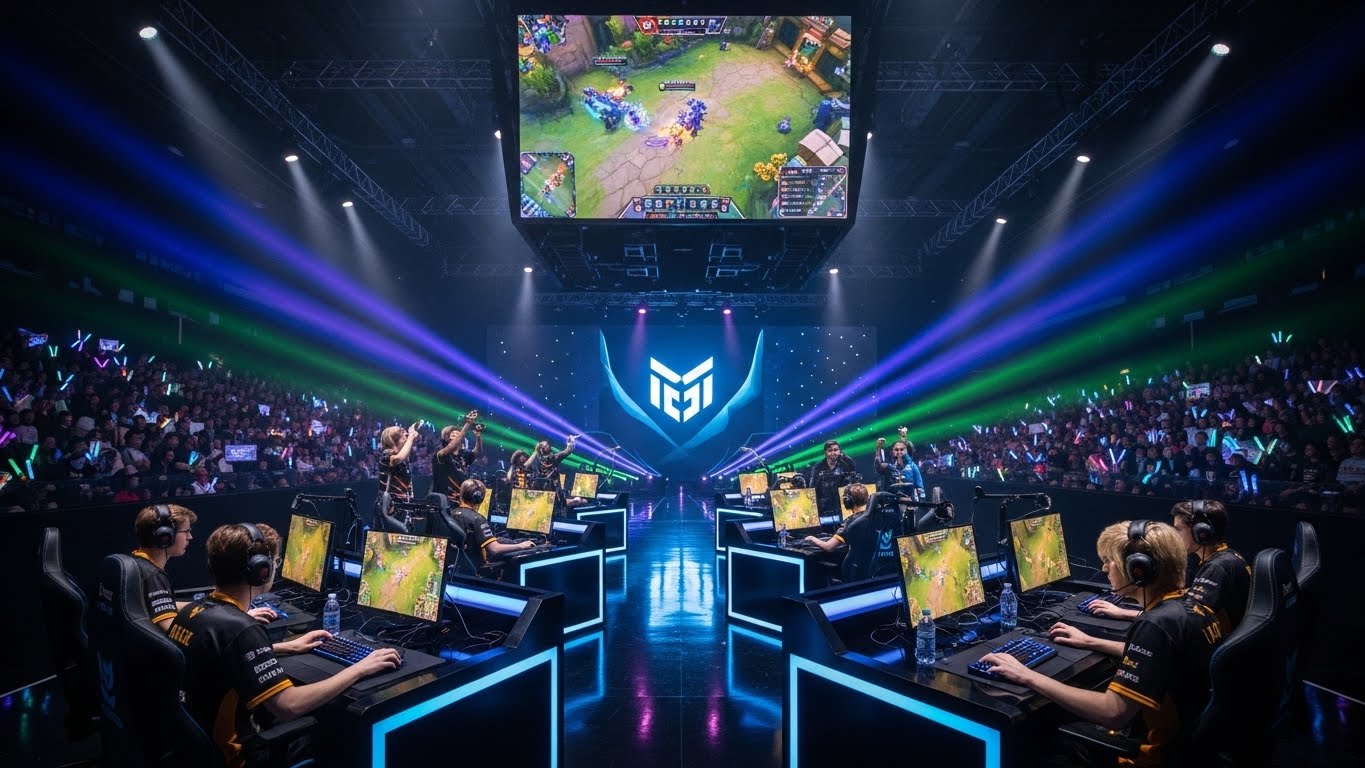
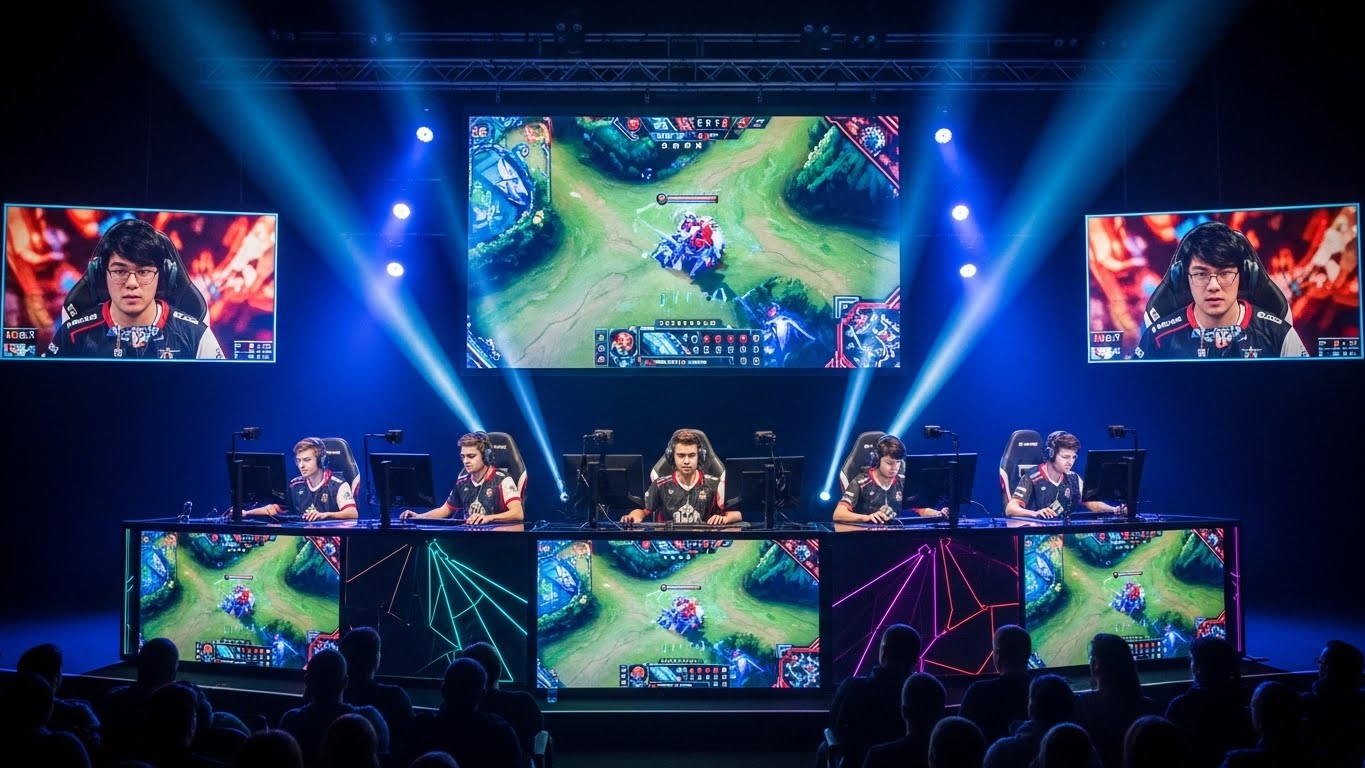
Esports, short for electronic sports, has grown from a niche pastime into a global industry with professional players, millions of fans, and enormous tournaments. Once limited to arcades and small gaming communities, esports now commands international attention, sponsorships, and media coverage comparable to traditional sports. Technology, live streaming platforms, and the increasing accessibility of competitive gaming have propelled esports into mainstream entertainment. This blog delves into the origins of esports, its rise to professionalism, cultural and economic impact, challenges, and its promising future.
The Origins of Competitive Gaming
Competitive gaming has roots dating back to the late 1970s when arcade games such as Pong, Space Invaders, and Pac-Man became popular. Players competed for high scores, often recorded on local leaderboards, fostering friendly rivalries and building small communities of enthusiasts. Arcades became gathering spots where gamers could showcase their skills, exchange strategies, and participate in informal competitions.
With the arrival of home consoles and personal computers in the 1980s and 1990s, competitive gaming moved into living rooms and school clubs. Titles like Street Fighter, Super Mario Kart, and early real-time strategy games offered multiplayer experiences that encouraged competition. Although these tournaments were informal, they laid the groundwork for the structured competitions we now see in professional esports.
Even in these early stages, competitive gaming emphasized skill, strategy, and community—values that continue to define the esports culture today.
The Professionalization of Esports
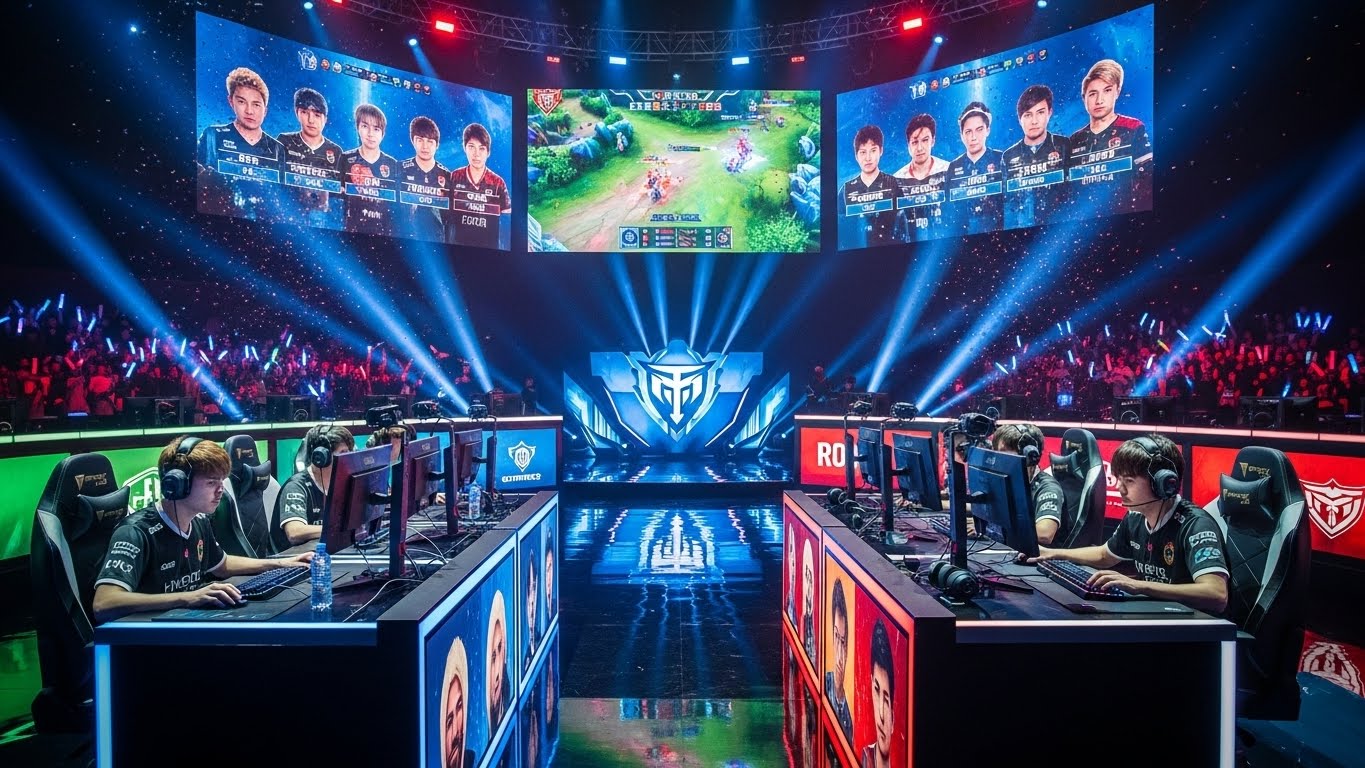
The late 1990s and early 2000s marked a turning point in the professionalization of esports. Games such as StarCraft, Counter-Strike, and DotA gained international attention, leading to organized leagues, sponsorships, and televised tournaments, particularly in countries like South Korea. Dedicated teams began to form, with coaches and structured training sessions similar to traditional sports teams.
Professional players started to earn salaries and compete for substantial prize money. Tournaments became more than casual gatherings; they evolved into high-stakes events requiring strategy, teamwork, and precision. Leagues like the World Cyber Games and Major League Gaming standardized rules, broadcasted competitions, and helped establish a legitimate framework for competitive gaming.
Professionalization validated esports as a serious career path, demonstrating that skill, dedication, and strategy in gaming could provide financial stability and international recognition.
The Role of Technology in Esports
Technology has been the backbone of esports’ growth. Powerful gaming computers, high-speed internet, advanced gaming consoles, and specialized peripherals have enabled players to compete at the highest levels. Latency reduction, graphics enhancements, and precision controls have all contributed to improved gameplay and competitive fairness.
Live streaming platforms have revolutionized esports viewership. Services that allow real-time broadcasting of matches have created global audiences, allowing fans to follow tournaments, interact with players, and experience competitions as if they were in the arena. Analytics software has also transformed training, providing insights into player performance, strategies, and gameplay patterns.
Continuous advancements in gaming engines, graphics, and interactivity have kept the competitive scene dynamic and engaging. Technology ensures that esports is not only competitive but also highly entertaining for viewers worldwide.
Popular Esports Games and Genres
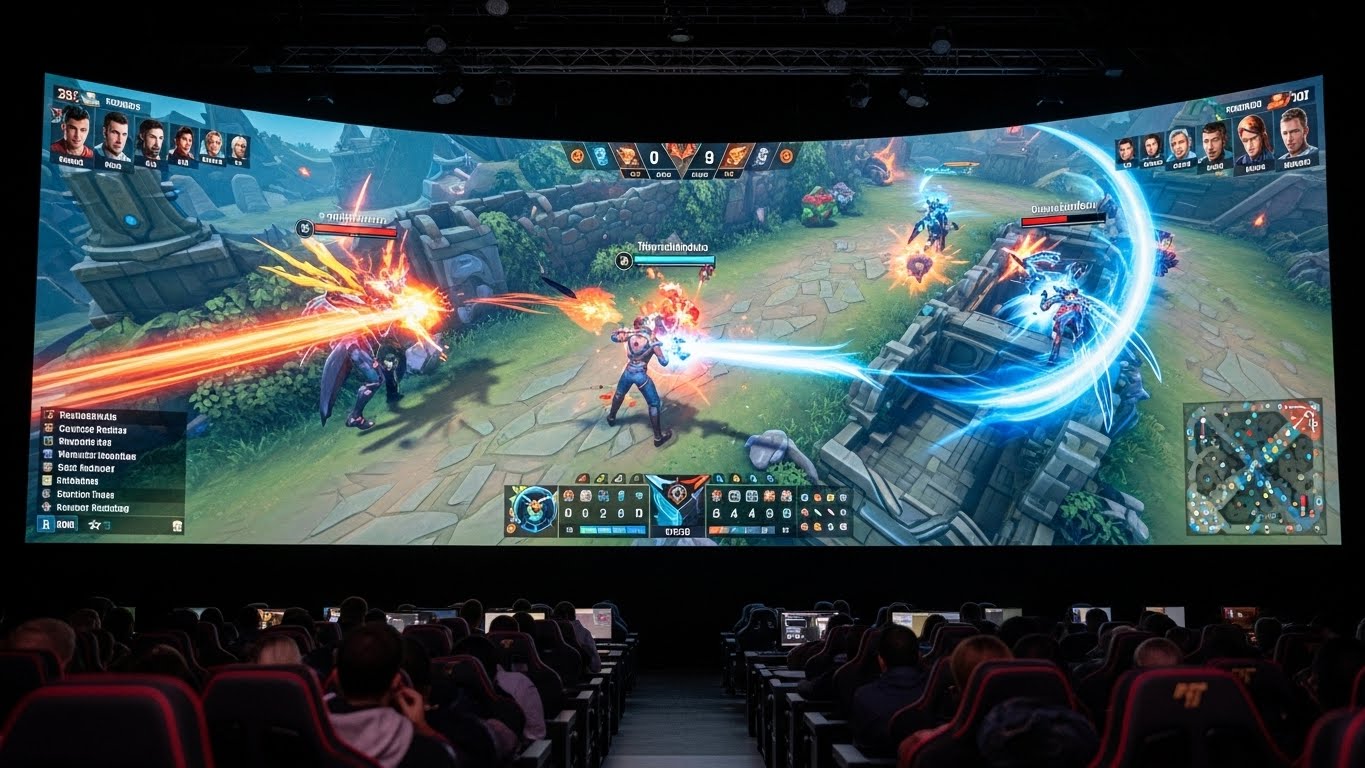
Esports spans multiple genres, each with distinct gameplay mechanics and competitive communities. Multiplayer online battle arena (MOBA) games, such as League of Legends and Dota 2, focus on teamwork, strategic planning, and real-time decision-making. First-person shooters (FPS) like Counter-Strike: Global Offensive and Call of Duty demand fast reflexes, precision, and tactical awareness.
Sports simulations, including FIFA and NBA 2K, allow players to compete in virtual versions of real-world sports, appealing to traditional sports fans. Fighting games, like Tekken and Street Fighter, emphasize reaction speed, timing, and memorization of complex moves. Battle royale titles, including Fortnite and PUBG, combine survival strategy with fast-paced action, attracting diverse global audiences.
The variety of genres ensures that esports appeals to a wide demographic, fostering diverse communities and offering multiple competitive avenues for players and fans alike.
Cultural Significance of Esports
Esports has grown into a cultural phenomenon. Communities of fans, players, and content creators interact daily, transcending geographic and language barriers. Fans form deep attachments to teams and players, similar to traditional sports fandoms, and actively participate in online discussions, fan art, and streaming content.
Esports has also redefined the concept of athleticism. Professional players require stamina, focus, strategic thinking, and teamwork, paralleling the physical and mental demands of traditional athletes. Educational institutions are increasingly recognizing esports, offering scholarships, creating esports programs, and investing in infrastructure to support budding players.
The cultural influence of esports extends beyond gaming, impacting music, fashion, media, and social engagement, making it a significant part of contemporary digital culture.
The Economics of Esports
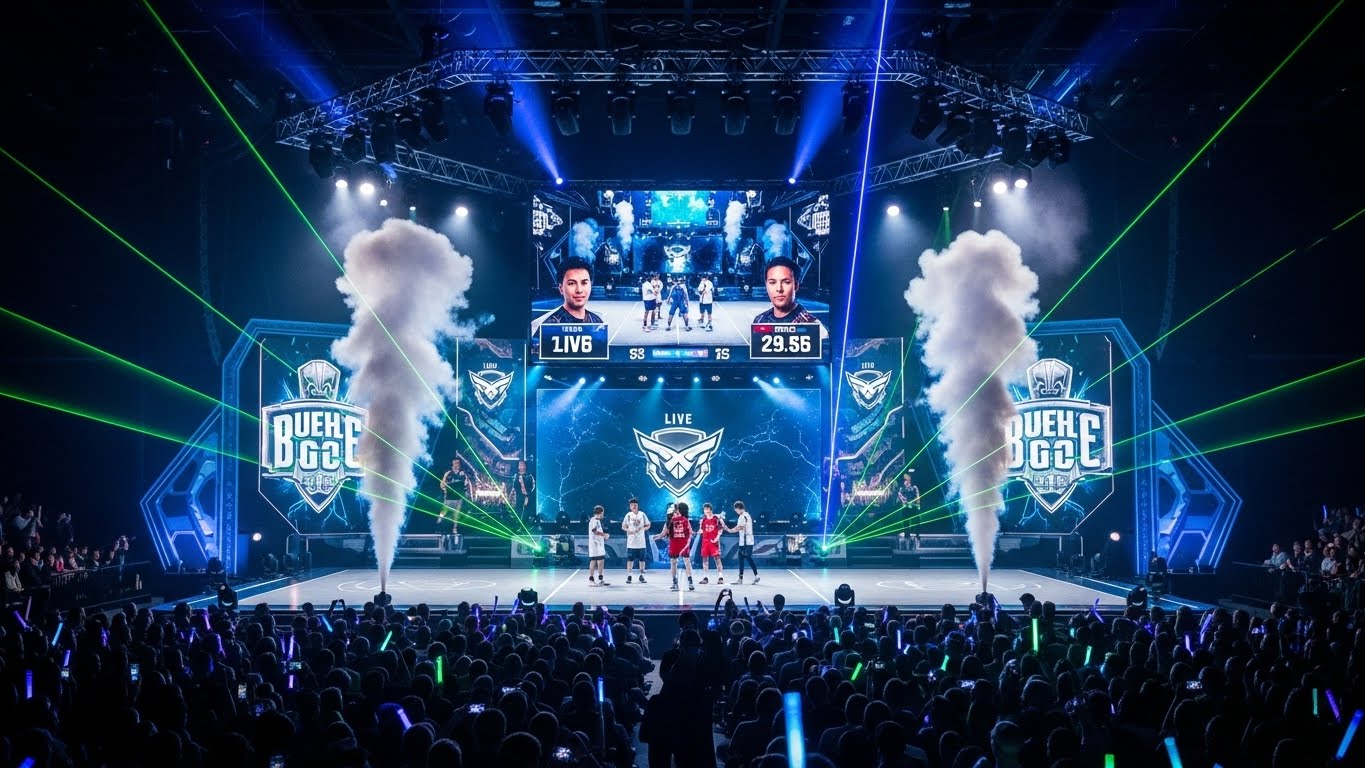
Esports has evolved into a multi-billion-dollar industry. Revenue streams include sponsorships, advertising, media rights, ticket sales, and merchandise. Major corporations invest heavily in tournaments and teams, targeting the highly engaged esports audience.
Professional players can earn income from salaries, tournament prize money, streaming revenue, and endorsements. High-profile events such as the League of Legends World Championship or The International for Dota 2 offer prize pools reaching millions of dollars, highlighting the financial potential within esports.
Beyond players and teams, the esports ecosystem supports careers in event management, content creation, broadcasting, software development, and peripheral manufacturing, contributing to the global economy and driving technological innovation.
The Importance of Streaming Platforms
Live streaming platforms are essential for esports’ global reach. Platforms enable fans to watch tournaments in real time, engage with content, and interact with players. This interactivity makes esports more immersive than traditional sports broadcasts.
Streaming also allows amateur gamers to gain visibility, grow their audiences, and transition into professional careers. Highlight reels, tutorials, and live commentary create additional revenue opportunities, expanding the esports ecosystem.
Through streaming, esports has become a participatory and global entertainment phenomenon, connecting fans, players, and sponsors in real-time.
Training and Player Development
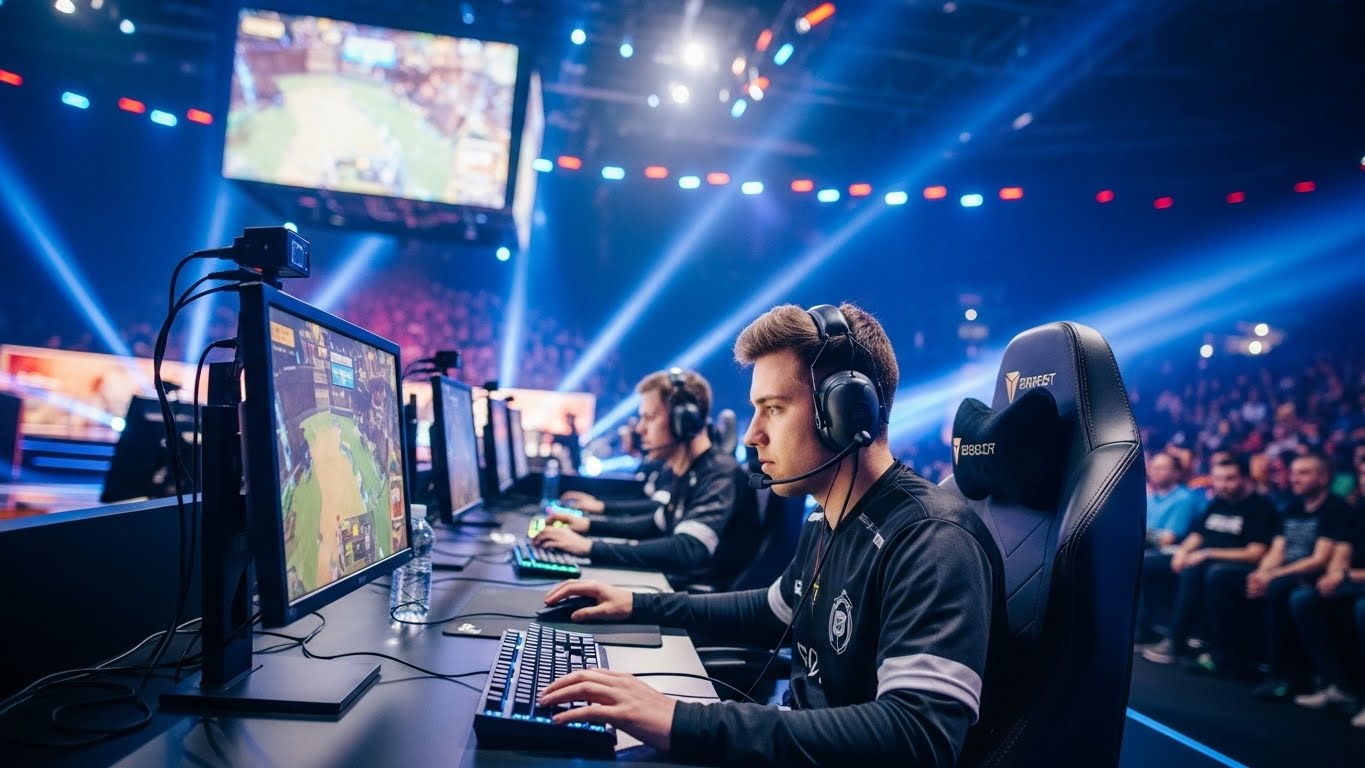
Esports requires rigorous training akin to professional sports. Players dedicate long hours to improving mechanical skills, refining strategies, and enhancing teamwork. Mental toughness, focus, and communication are vital components of high-level performance.
Professional teams employ coaches, analysts, psychologists, and nutritionists to support players’ overall well-being and performance. Dedicated esports houses and training facilities provide environments optimized for focus, practice, and strategy development.
This structured approach demonstrates that esports is more than gaming—it is a profession demanding discipline, skill, and strategic thinking.
Challenges in Esports
Despite its rapid growth, esports faces challenges. Player burnout and mental health concerns are significant, due to long hours, high-pressure tournaments, and constant public exposure. Maintaining wellness programs and sustainable practice schedules is essential.
Integrity and fairness are also concerns. Issues like cheating, doping, and match-fixing can damage credibility. Establishing ethical standards, anti-cheat measures, and fair play regulations is crucial for long-term growth.
Accessibility remains another hurdle. Not all regions have infrastructure, training programs, or sponsorship opportunities for aspiring players. Expanding access is essential for global esports development.
The Future of Esports
The future of esports promises continued growth, innovation, and mainstream acceptance. Virtual reality and augmented reality could create immersive competitive experiences, allowing players and fans to interact in unprecedented ways. Hybrid events that combine live audiences with digital spectators may redefine the tournament experience.
Esports is likely to integrate further with traditional sports, entertainment, and education. More academic programs, training academies, and professional pathways will emerge, supporting the next generation of players. Advanced technologies, including AI-driven analytics and enhanced streaming tools, will refine training and strategy while engaging audiences.
Sustainable growth will rely on mental health awareness, ethical standards, accessibility, and technological innovation, ensuring esports remains a thriving global industry.
Conclusion: Esports as a Defining Digital Era Phenomenon
Esports has evolved from small gaming competitions into a professional, global industry that merges skill, strategy, technology, and entertainment. Beyond the gameplay, esports fosters communities, drives economic growth, and challenges traditional ideas of sports and athleticism.
As technology advances and audiences expand, esports will continue to shape culture, entertainment, and the global economy. It is more than a game—it is a platform for creativity, connection, and competition in the digital age.
Esports illustrates how digital innovation can redefine competition and entertainment. Its rise marks a new era where skill, strategy, and passion converge, offering opportunities for players and fans worldwide. The digital arena has become a stage for talent, ambition, and global recognition, making esports one of the most significant entertainment phenomena of the twenty-first century.