 hubvault77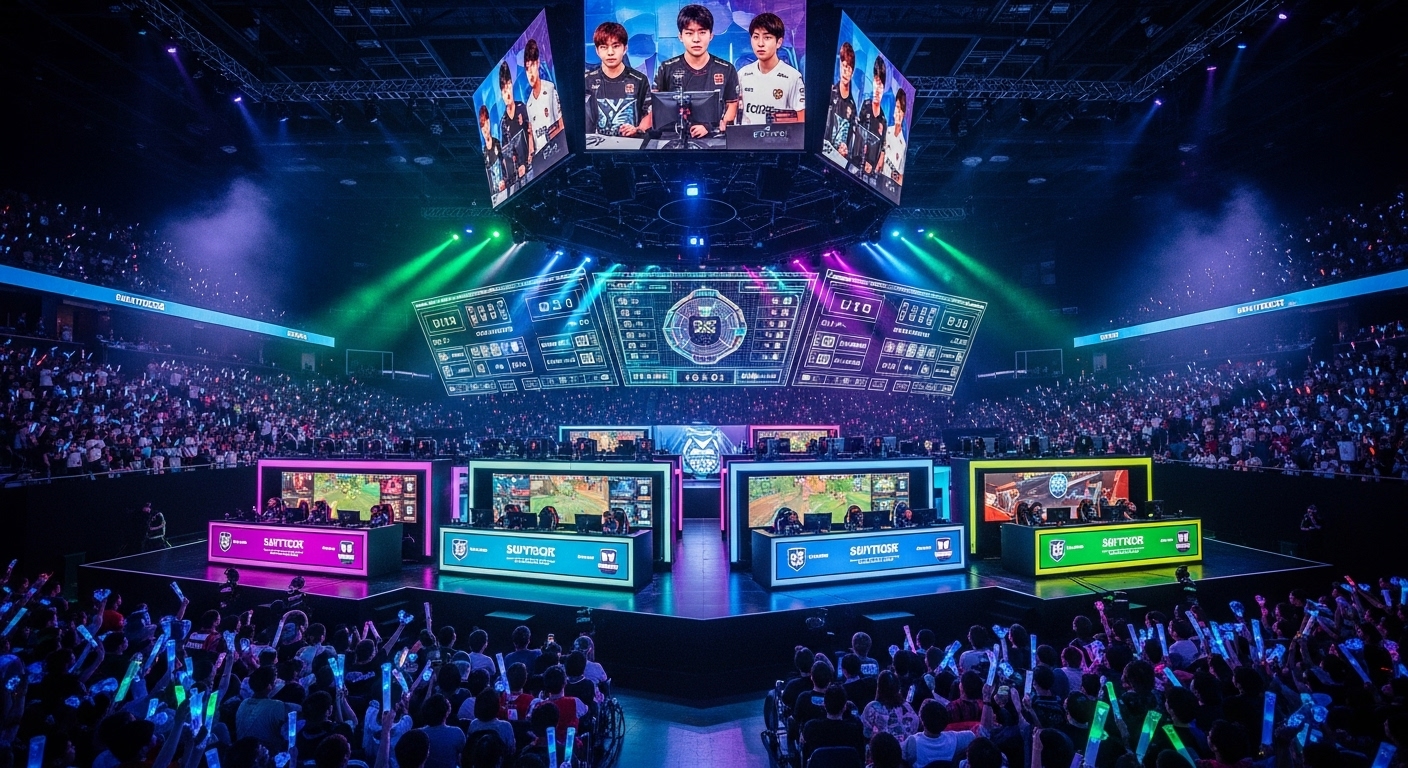
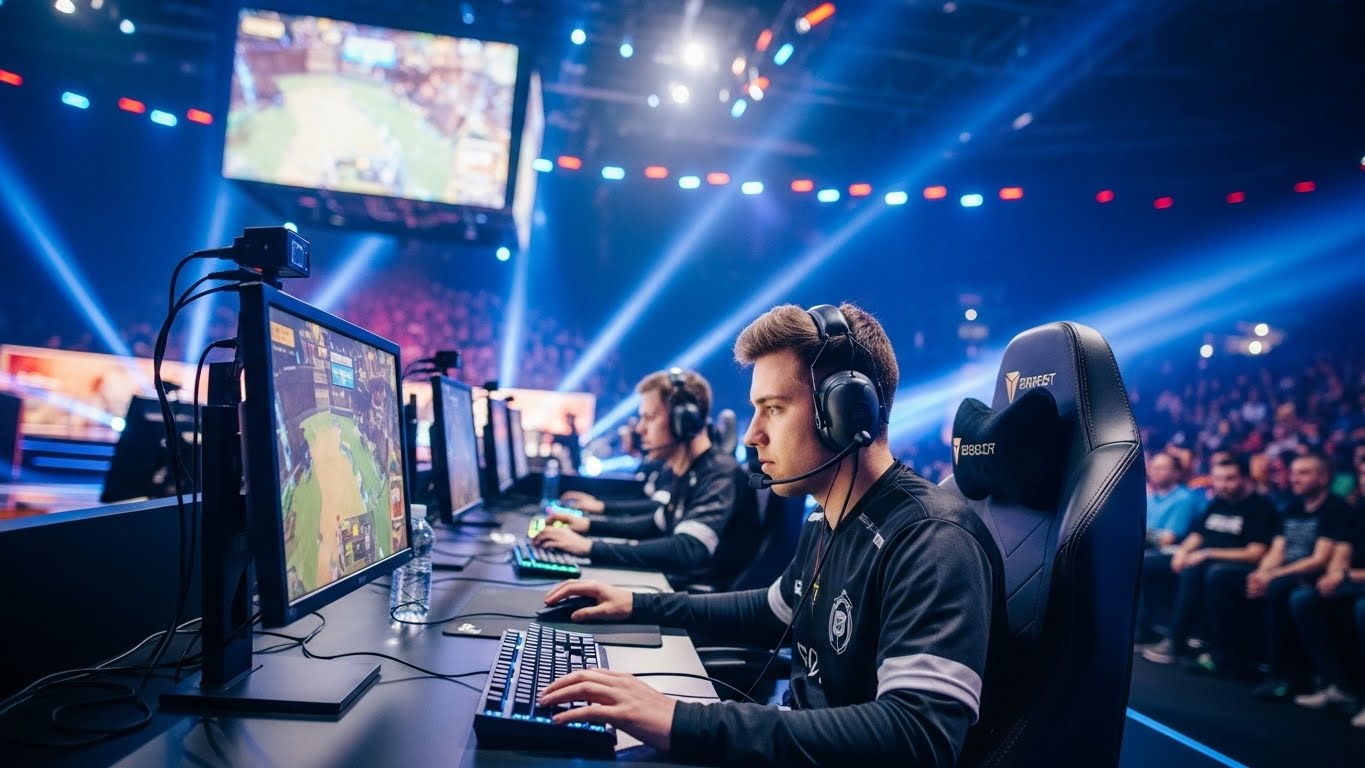
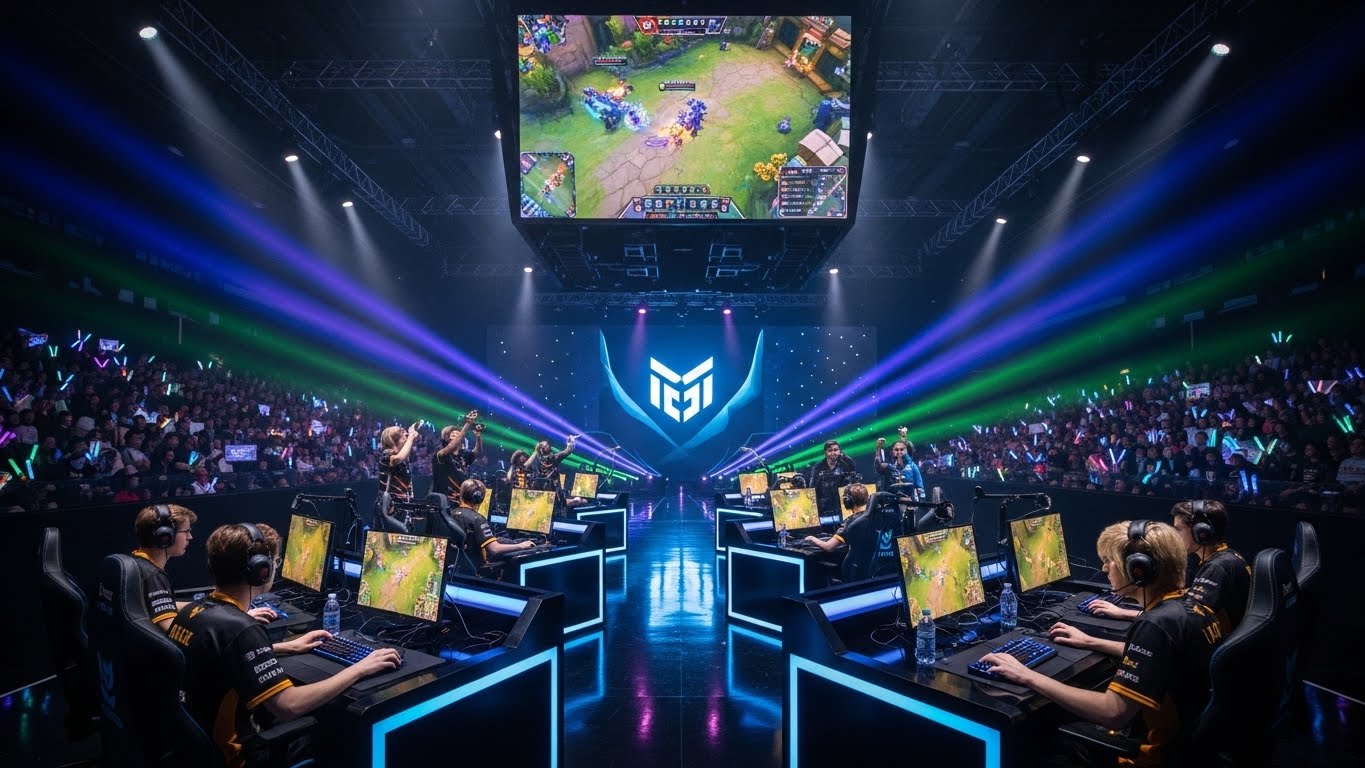
Esports has grown from small gaming competitions into a worldwide entertainment powerhouse. Millions of players, fans, and organizations are now part of a thriving ecosystem where skill, strategy, and teamwork define success. This blog explores the rise of esports, its cultural impact, and why it has become a central part of modern digital entertainment.
The Evolution of Esports
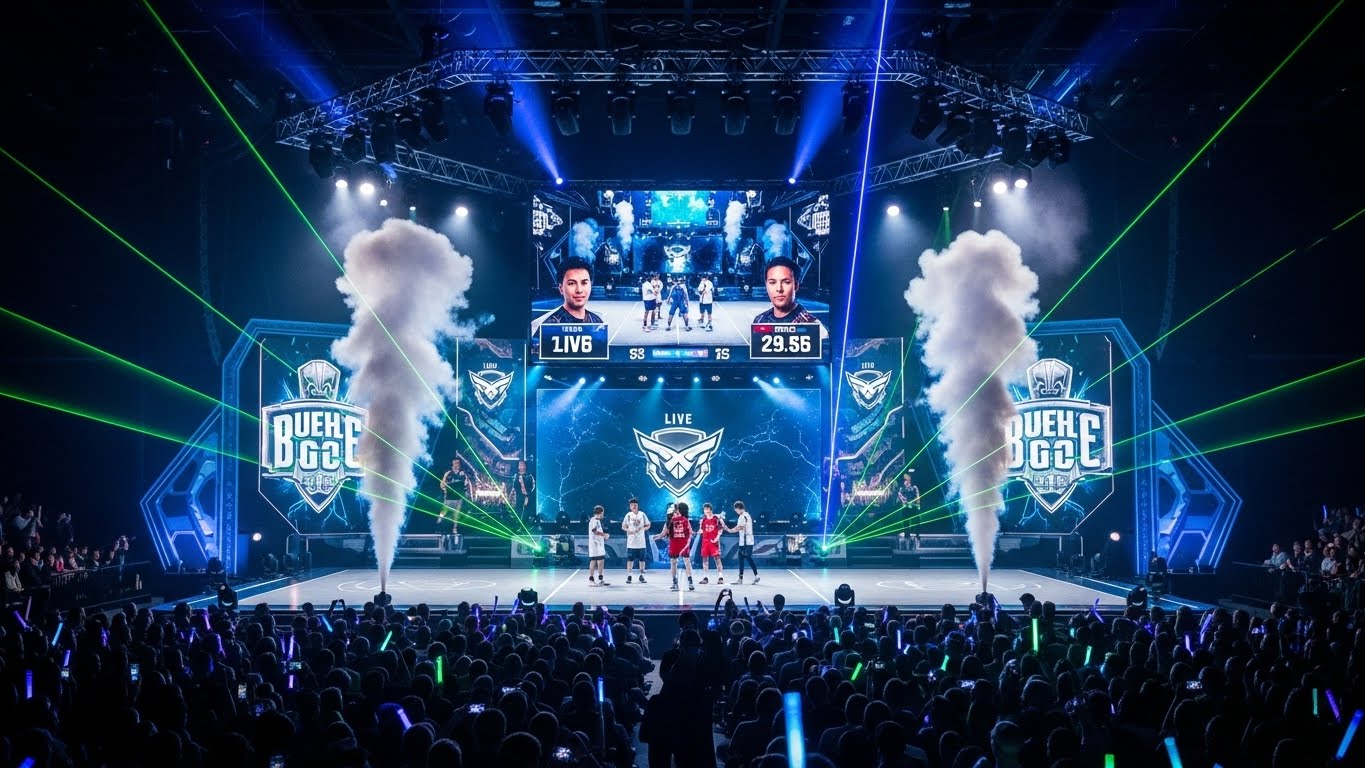
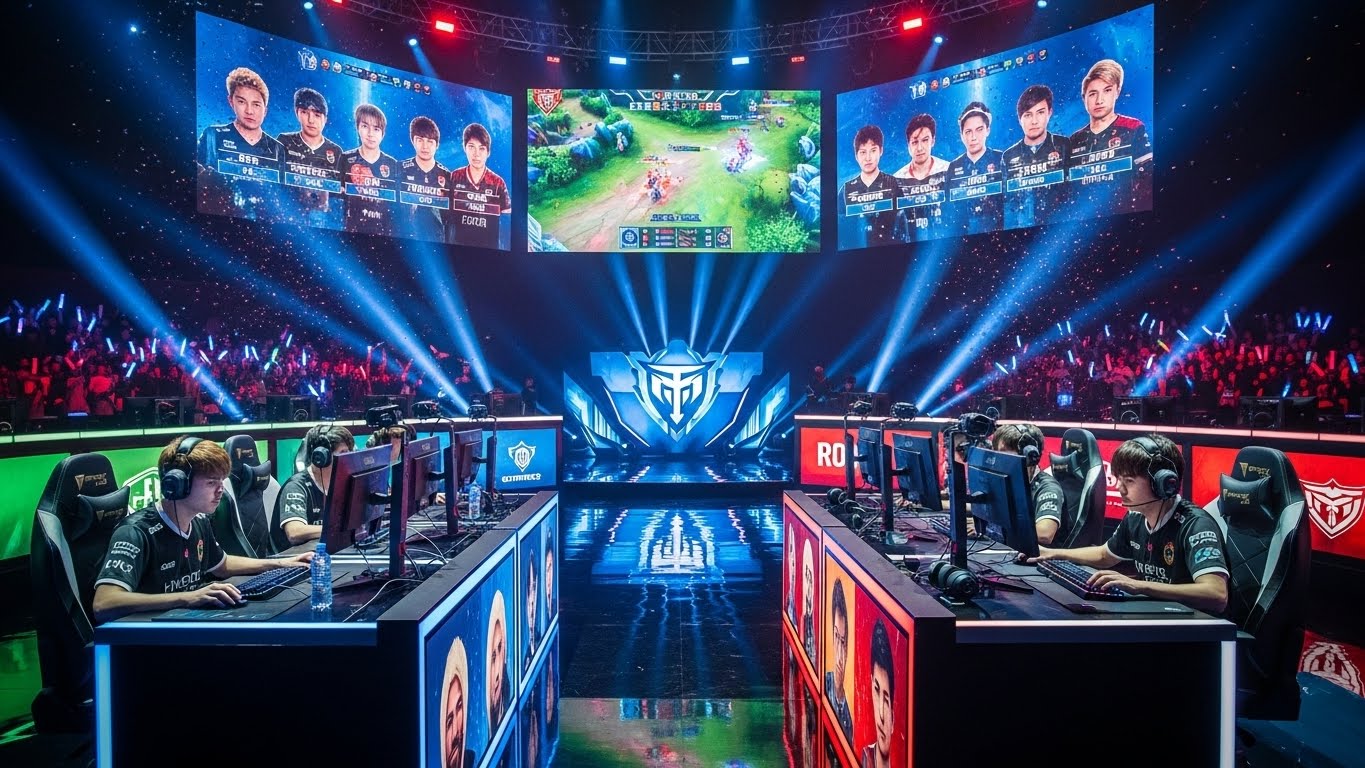
Esports started as informal gaming competitions among friends or local communities. With the rise of high-speed internet, advanced gaming technology, and streaming platforms, esports quickly became a professional pursuit. Today, tournaments fill massive arenas and attract viewers by the millions. From humble beginnings to global recognition, esports has redefined what it means to be a competitive sport in the digital era.
Popular Esports Genres
The esports industry includes a variety of game genres, each with its unique competitive landscape:
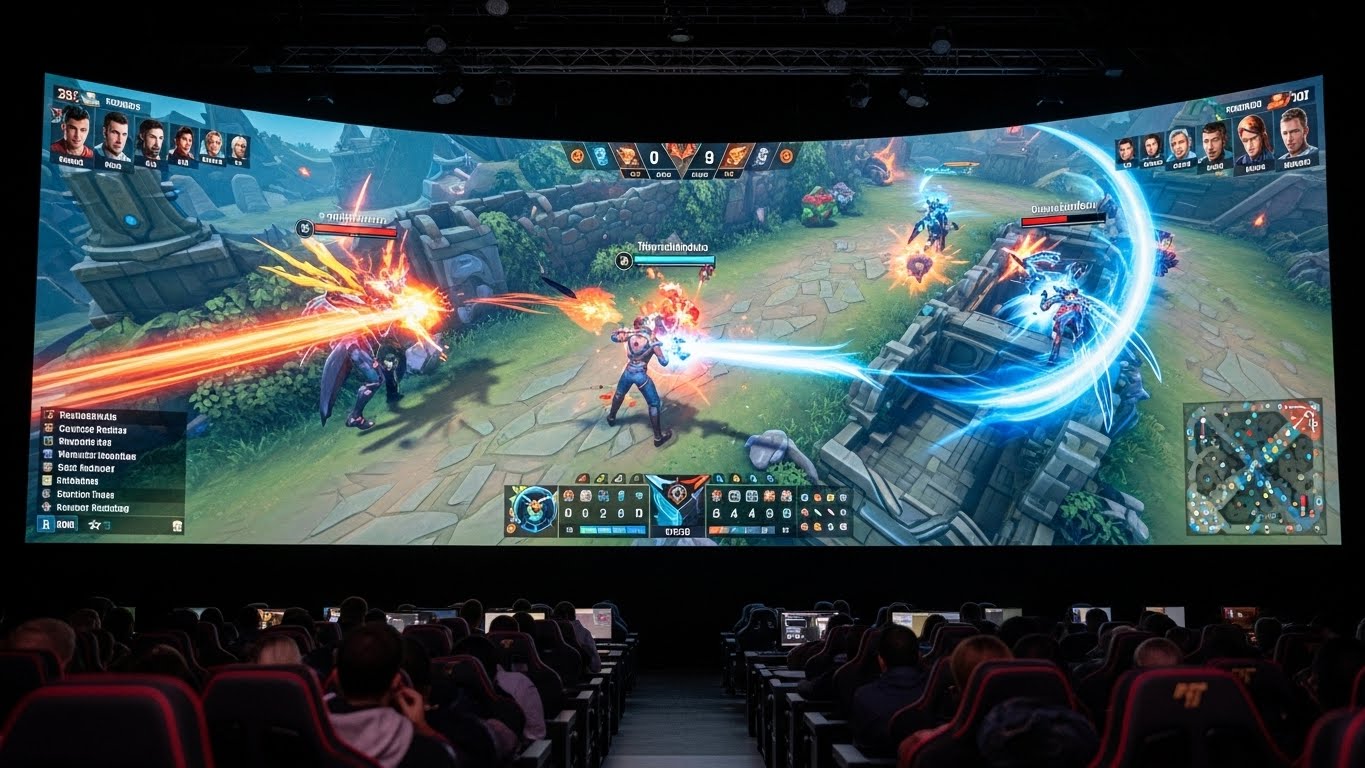
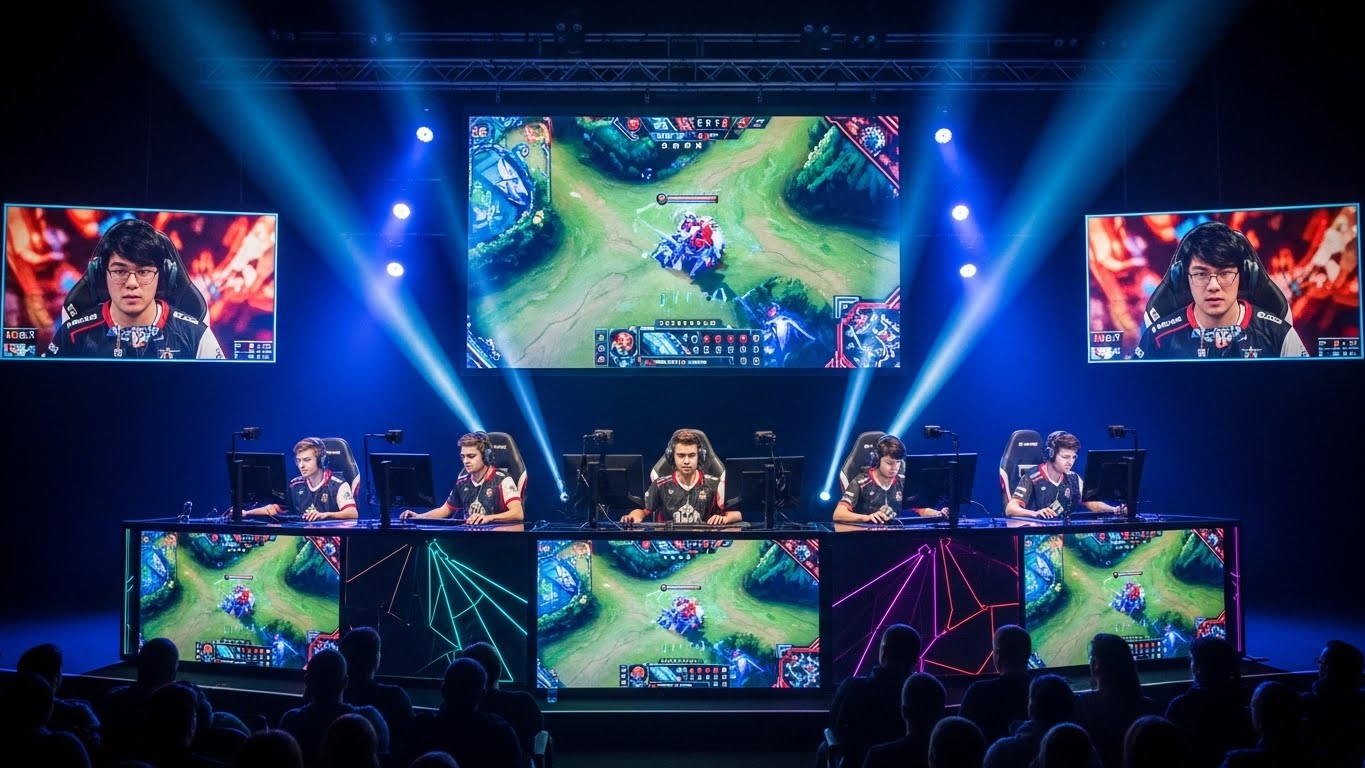
- Multiplayer Online Battle Arenas (MOBAs): Games like League of Legends and Dota 2 emphasize strategic teamwork and quick decision-making.
- First-Person Shooters (FPS): Titles such as Counter-Strike and Call of Duty test reflexes, accuracy, and tactical thinking.
- Battle Royale Games: Fortnite and PUBG combine survival skills with adaptability, creating fast-paced competitive environments.
- Sports Simulation Games: FIFA and NBA 2K allow players to compete virtually, mirroring real-world sports challenges.
Each genre brings its own fanbase, strategies, and competitive circuits, contributing to the diversity of esports.
The Social Impact of Esports
Esports is more than just gaming; it is a global community. Online platforms, streaming services, and live tournaments connect players and fans across continents. Social interaction is at the heart of esports, with communities forming around games, teams, and events. It has also opened new career paths, including professional gaming, content creation, coaching, and event management. Esports provides a space where passion and professionalism intersect.
Skills Developed Through Esports
Competitive gaming cultivates a wide range of skills beyond hand-eye coordination. Players develop strategic thinking, teamwork, leadership, and communication skills. Mental endurance, focus, and adaptability are critical for success in high-pressure tournaments. Beyond gaming, these skills translate into real-world advantages, showing that esports can foster both personal growth and professional development.
The Future of Esports
Esports continues to evolve at a rapid pace. Emerging technologies such as virtual reality, augmented reality, and cloud gaming promise more immersive experiences for players and audiences. Mobile esports is expanding accessibility, allowing anyone to participate from anywhere. As universities and organizations recognize esports as a legitimate field, scholarships, training programs, and professional careers are becoming increasingly common. The future of esports is bright, dynamic, and full of opportunities.
Conclusion
Esports has transformed from a niche hobby into a global cultural movement. It blends technology, competition, and community, offering entertainment and professional opportunities for millions. As the industry continues to grow, esports will shape the future of gaming, redefine digital sports, and connect players and fans in ways that go beyond the screen.