 hubvault77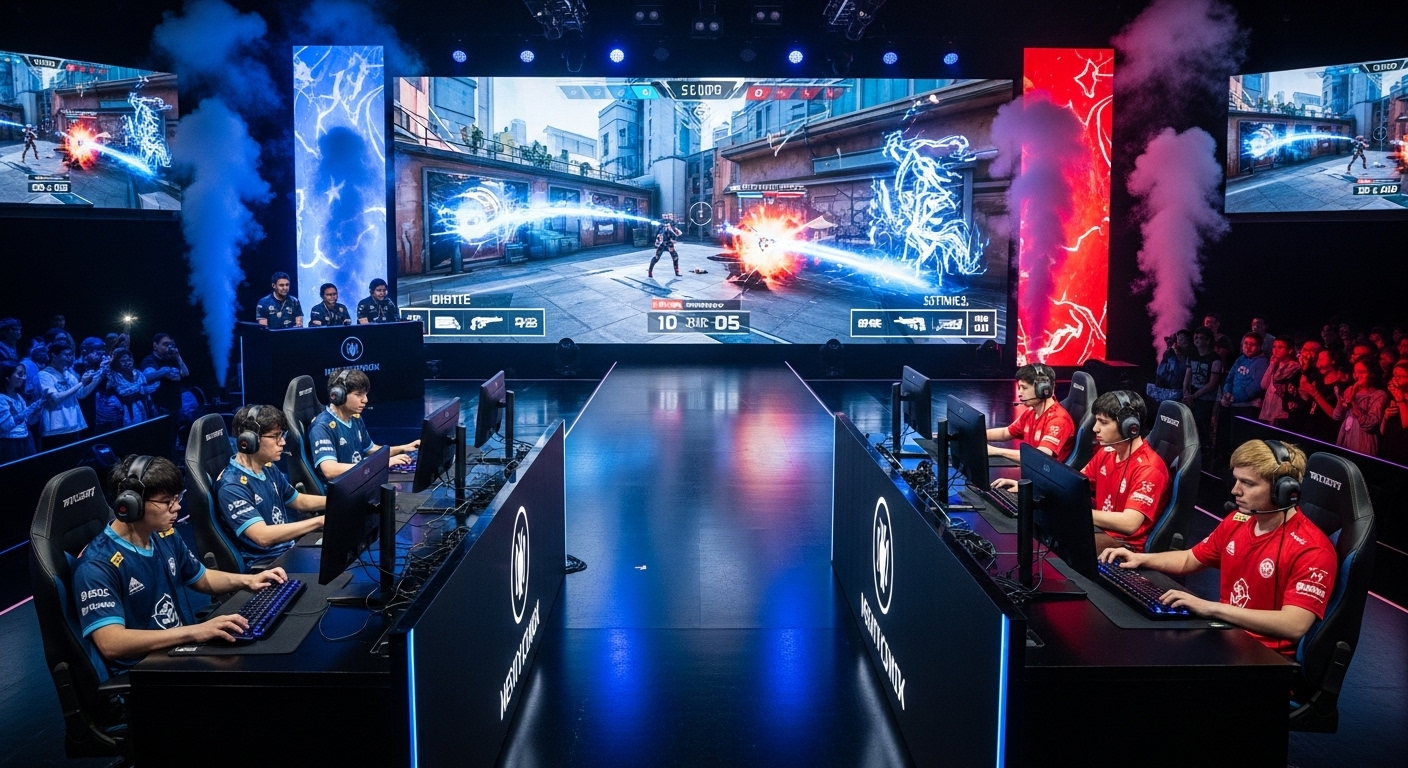
Introduction to the World of Esports
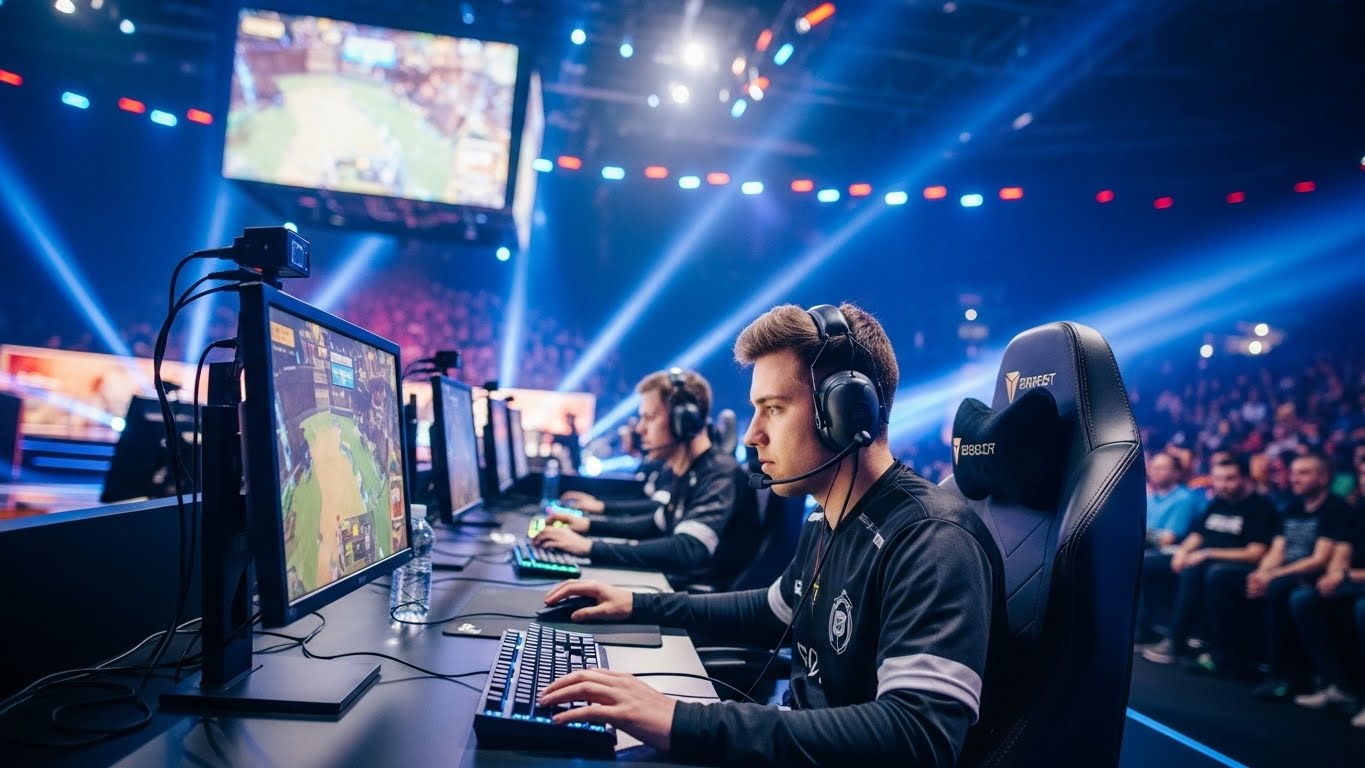
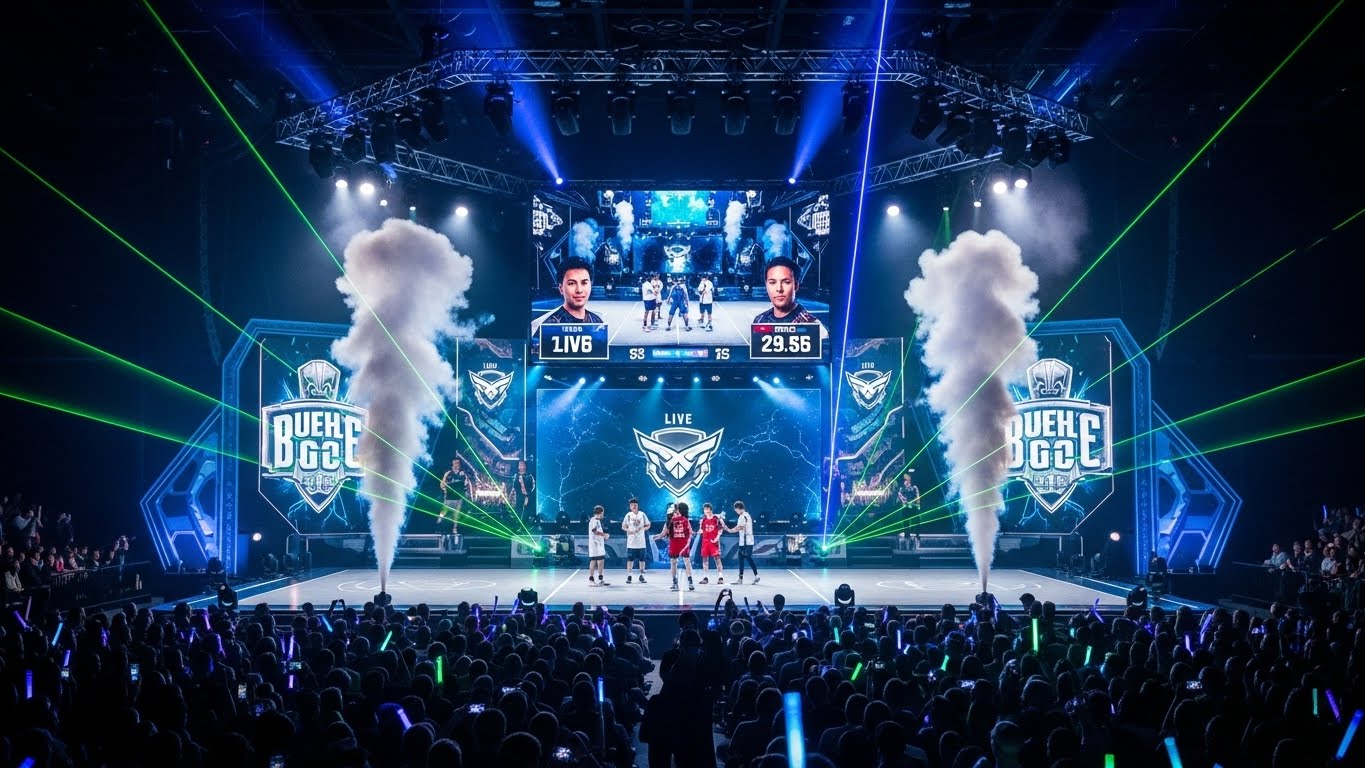
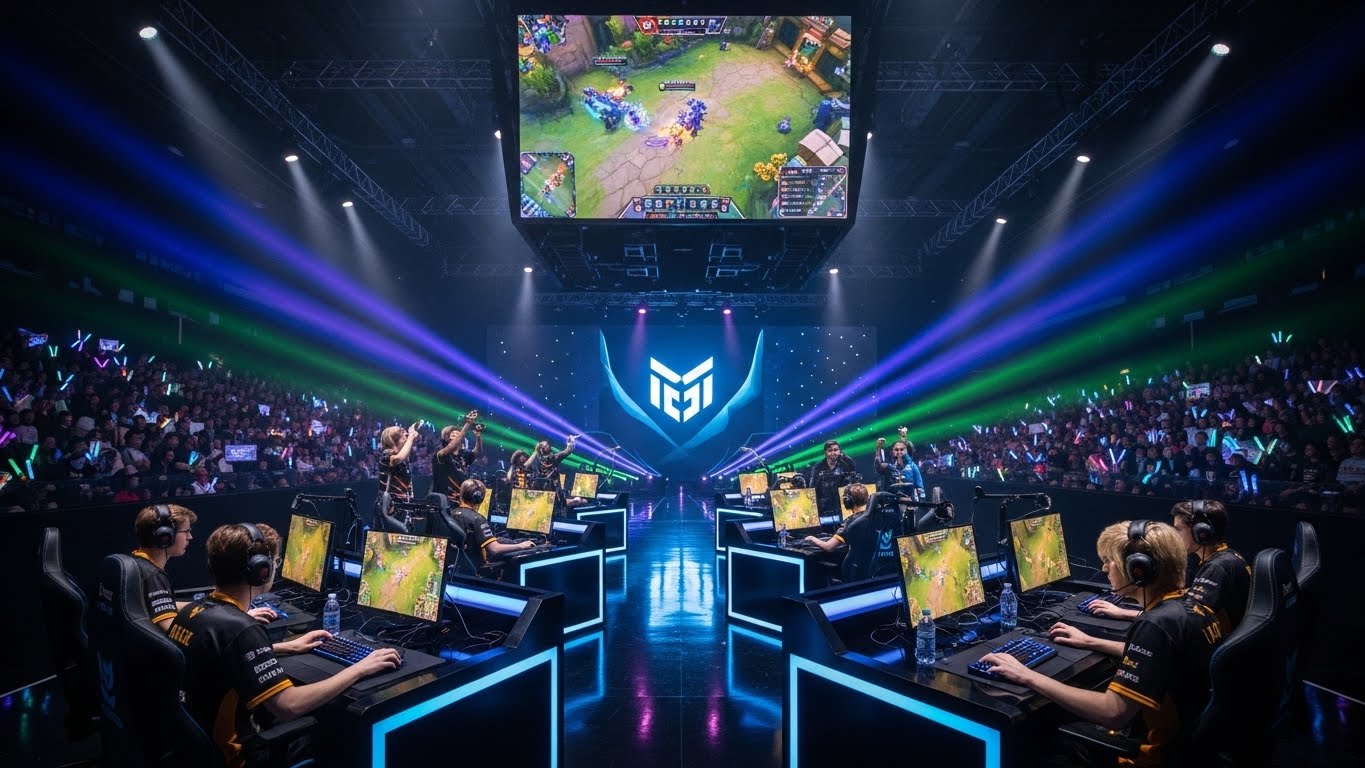
Esports, short for electronic sports, represents a new frontier in entertainment and competition. What began as a niche hobby among passionate gamers has evolved into a global industry worth billions of dollars. Esports is not merely about playing video games; it is about professional competition, skill, strategy, teamwork, and a digital culture that connects millions across the globe. Today, esports stands shoulder to shoulder with traditional sports in terms of popularity, fan engagement, and commercial potential. From massive tournaments filling stadiums to millions watching live streams, esports has transformed into one of the most significant cultural phenomena of the 21st century.
The Origins of Esports
The roots of esports stretch back to the 1970s, when the first competitive gaming events took place in universities and arcades. One of the earliest known competitions occurred at Stanford University in 1972, featuring the game Spacewar. The winner received a year’s subscription to a popular magazine, far from the million-dollar prizes seen today. In the 1980s, the rise of arcade games like Pac-Man and Donkey Kong brought competitive gaming to the masses. High scores became a source of pride, and gaming magazines began publishing leaderboards, fostering a sense of competition among players.
The 1990s marked a significant turning point. The arrival of the internet and local area network (LAN) gaming gave rise to organized competitions. Titles like Doom, Quake, and StarCraft pioneered online multiplayer gaming, and tournaments started attracting attention beyond local communities. South Korea, in particular, became a central hub for esports development, as government and corporations invested heavily in broadband infrastructure and gaming culture. This laid the foundation for modern professional esports.
The Rise of Professional Esports
As technology advanced, so did the level of competition. In the early 2000s, esports started to take on a more structured and professional form. Organizations began to form teams, players signed contracts, and sponsors started to recognize the marketing potential of this growing industry. Games like Counter-Strike, Warcraft III, Halo, and League of Legends became cornerstones of competitive gaming.
Television channels in South Korea broadcasted StarCraft matches to millions of viewers, turning players like Lim Yo-hwan, known as BoxeR, into national celebrities. Western countries soon followed, with tournaments like the World Cyber Games and Major League Gaming attracting global participants. As streaming platforms emerged, especially during the 2010s, esports reached unprecedented levels of exposure.
Esports and Streaming Platforms
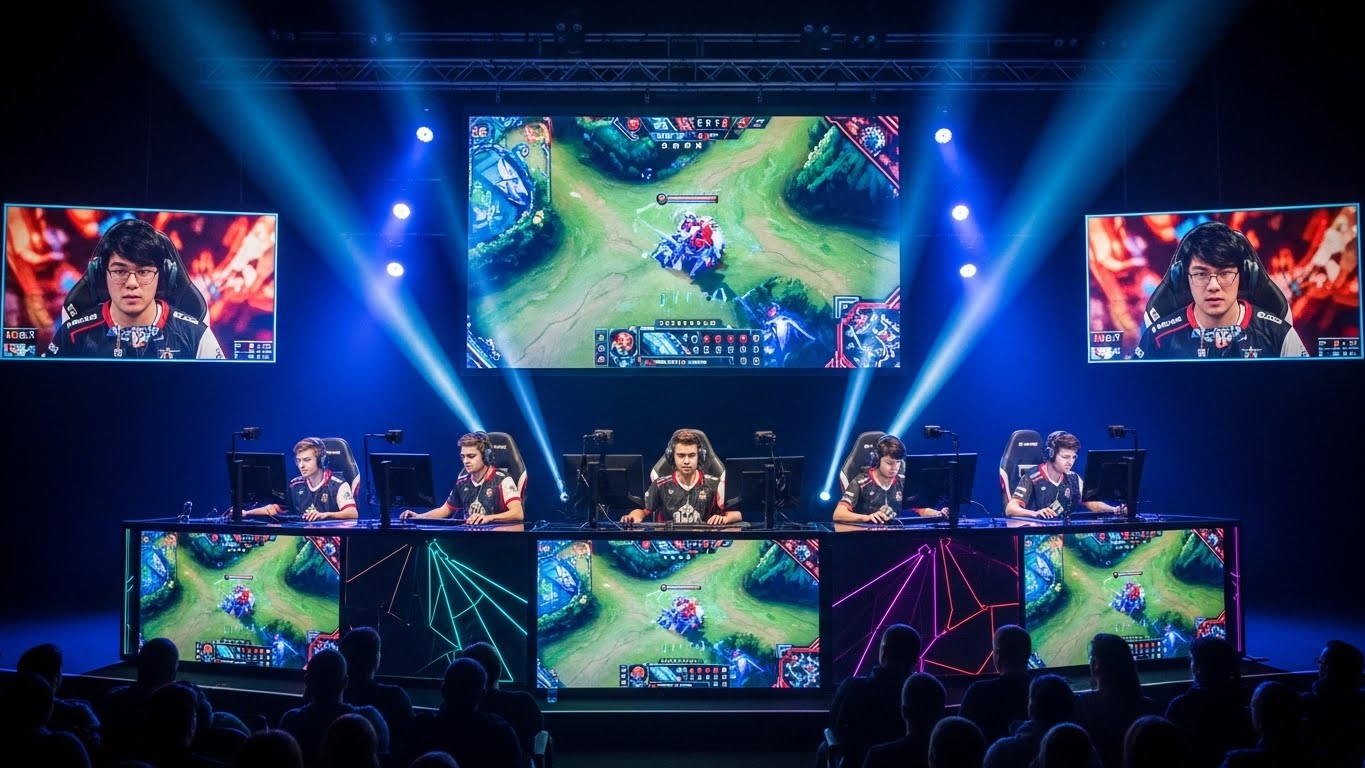
The introduction of live streaming revolutionized esports. Platforms like Twitch and YouTube Gaming allowed players to broadcast matches directly to audiences worldwide. Viewers could interact in real time, creating a sense of community that traditional sports rarely offered. Streamers and professional players gained large followings, and tournaments started drawing millions of concurrent viewers.
Streaming transformed esports into a spectator experience. The accessibility of watching matches, learning strategies, and engaging with content creators made esports mainstream entertainment. For many young people, watching their favorite player compete online became as exciting as watching a football or basketball match. The digital age turned gaming into a shared social experience.
The Diversity of Esports Titles
One of the unique aspects of esports is the vast diversity of games it encompasses. Unlike traditional sports, which have relatively few global disciplines, esports includes numerous genres, each with its own fanbase, skill set, and competitive scene.
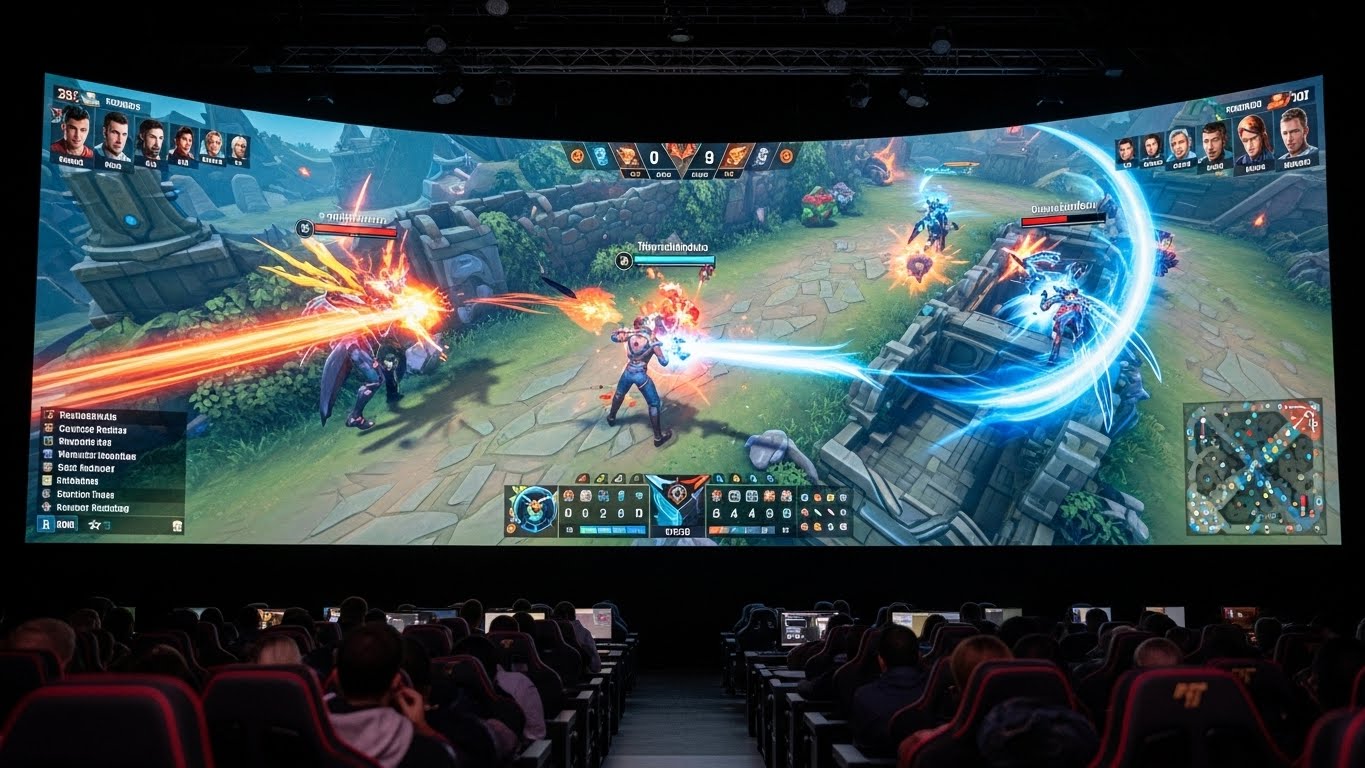
In the realm of first-person shooters, games like Counter-Strike: Global Offensive, Call of Duty, and Valorant dominate. These games emphasize precision, teamwork, and strategy. In multiplayer online battle arenas, League of Legends and Dota 2 stand tall, with tournaments offering multi-million-dollar prize pools. Sports simulation games like FIFA and NBA 2K allow fans to live their sports fantasies in digital arenas. Meanwhile, fighting games such as Street Fighter, Tekken, and Super Smash Bros. continue to uphold the legacy of arcade competition.
Each game represents a distinct community, and the diversity ensures that esports appeals to a wide audience. This variety is one of the reasons esports continues to expand globally.
The Globalization of Esports
Esports is not confined to a single country or region. It is a global movement that transcends cultural and linguistic barriers. North America, Europe, and Asia all have thriving competitive scenes, and new markets in South America, Africa, and the Middle East are rapidly growing.
South Korea remains a powerhouse, particularly in games like StarCraft and League of Legends, where infrastructure and public support have long been established. China has emerged as a major player, investing heavily in esports arenas, training facilities, and professional organizations. Western nations like the United States, Germany, and Sweden have produced some of the world’s top teams and organizations.
This global nature allows players from any background to compete on equal footing. All that is required is talent, dedication, and internet access. Esports truly embodies the idea of a connected world.
The Esports Ecosystem
The esports industry is built on a complex ecosystem involving players, teams, tournament organizers, sponsors, broadcasters, and fans. Professional players dedicate countless hours to training, analyzing strategies, and improving their reflexes. Teams provide them with the necessary support, including coaches, analysts, and even psychologists to maintain mental well-being.
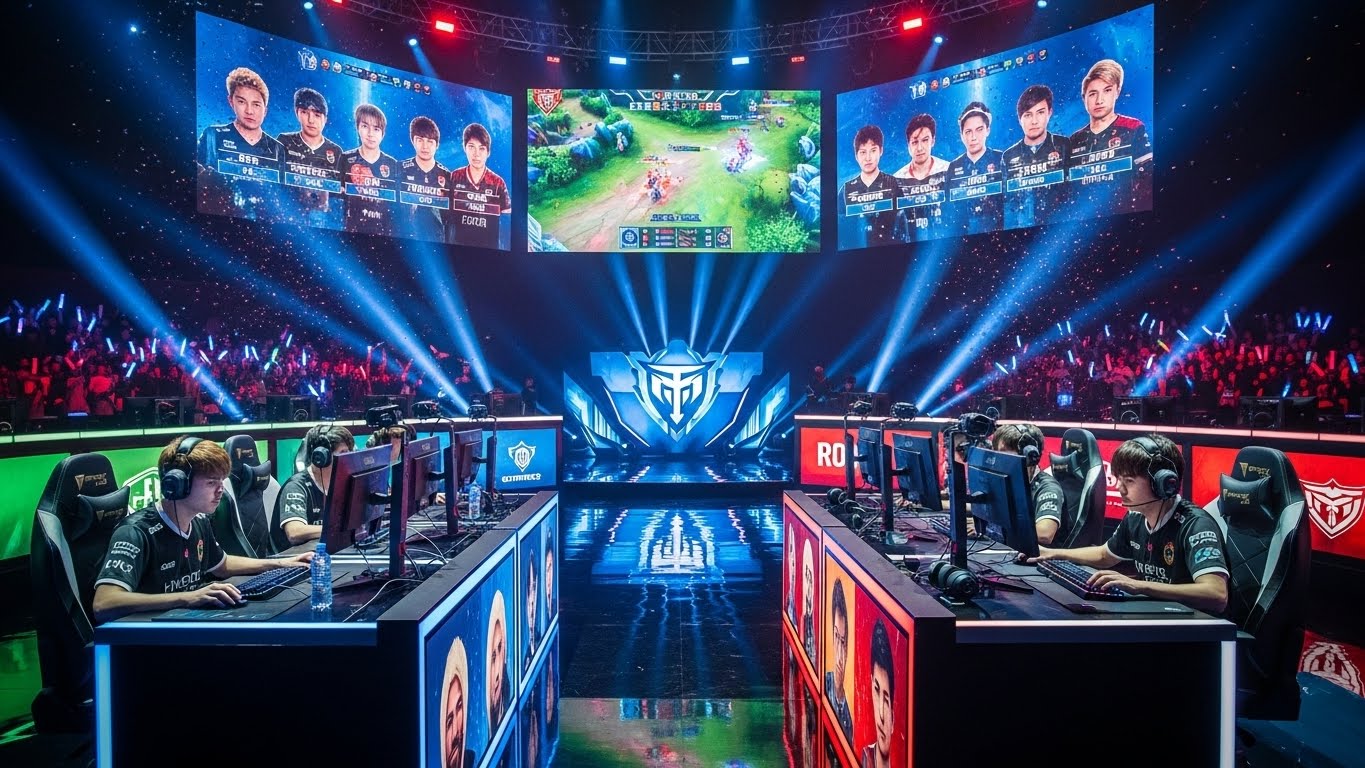
Tournaments, both online and offline, form the backbone of the esports calendar. Major events like The International for Dota 2 and League of Legends World Championship attract millions of viewers. Sponsors and brands play a crucial role by funding these events, providing gear, and offering financial stability to players and teams.
Media coverage and content creation also contribute significantly to the ecosystem. Commentary, analysis, highlight reels, and documentaries help turn esports from simple gameplay into a full-fledged entertainment industry.
Esports as a Career
For many, esports represents a dream career. Professional players can earn substantial salaries, with top-tier competitors making hundreds of thousands or even millions annually. Beyond players, there are numerous other roles—coaches, managers, event organizers, commentators, and streamers—all contributing to the industry’s growth.
Universities around the world have started offering esports scholarships and degrees related to gaming management, production, and design. This educational development shows that esports is not merely a pastime but a viable professional path. The emergence of esports academies mirrors the youth training systems seen in traditional sports.
However, it is also a demanding career. Players face intense competition, physical strain, and short career spans due to the high reflex requirements. Mental health has become a major focus in esports, with organizations prioritizing psychological support and balanced lifestyles.
The Role of Technology in Esports
Technology lies at the heart of esports. High-performance computers, advanced gaming peripherals, and fast internet connections are essential components of competitive gaming. Virtual reality, augmented reality, and artificial intelligence are starting to play roles in enhancing the esports experience.
Game developers continually refine their titles to ensure balance and competitive fairness. Anti-cheat systems, server improvements, and graphical updates help maintain the integrity and excitement of the competition. Esports has also benefited from innovations in broadcasting technology, with virtual cameras, instant replays, and detailed analytics creating a cinematic viewing experience.
Esports and Traditional Sports
The relationship between esports and traditional sports is both competitive and collaborative. Many traditional sports organizations have entered the esports arena by creating digital versions of their sports or sponsoring esports teams. Football clubs like Manchester City and Paris Saint-Germain have esports divisions, while the NBA launched its own esports league based on NBA 2K.
Both industries share similarities in training, teamwork, and fan engagement. Yet, esports has certain advantages—global accessibility, digital reach, and constant innovation. It also attracts a younger demographic, making it highly appealing to advertisers and media companies seeking to connect with new audiences.
The Business and Economics of Esports
The esports economy is built on sponsorships, advertising, media rights, and merchandise sales. Major corporations view esports as a golden opportunity to engage with the digital generation. Energy drink brands, tech companies, and fashion labels all invest heavily in esports marketing.
Prize pools continue to grow each year, reflecting the increasing financial strength of the industry. Streaming platforms generate additional revenue through subscriptions, donations, and advertisements. Esports organizations are now valued at hundreds of millions of dollars, rivaling traditional sports franchises.
However, sustainability remains a challenge. The industry must balance growth with stability, ensuring fair compensation for players and transparency in tournament organization. Despite these hurdles, the overall trend remains upward, with analysts predicting continued expansion for years to come.
Esports and Education
Esports is finding its way into education systems worldwide. Schools and universities now recognize the potential benefits of gaming in developing teamwork, problem-solving, and communication skills. Student esports leagues encourage young players to compete while balancing academics.
Educational institutions are also investing in esports infrastructure, creating arenas, clubs, and academic programs. Degrees in esports management, game design, and digital marketing prepare students for careers in the growing industry. This integration demonstrates that esports is not merely entertainment but also a tool for learning and development.
Social and Cultural Impact of Esports
Esports has had a profound social and cultural influence. It has redefined how people connect, communicate, and entertain themselves. Gaming communities bring together individuals from diverse backgrounds, creating spaces where nationality, language, and physical boundaries matter less.
Esports has also challenged traditional ideas of what it means to be an athlete. While physical fitness is less central, mental agility, reaction time, and strategic thinking are equally demanding. The growing acceptance of esports reflects society’s evolving understanding of competition and performance.
Additionally, esports has opened doors for inclusivity. Women’s tournaments, accessibility initiatives, and representation efforts are helping to make gaming more diverse. While challenges remain, the progress is evident, and the conversation about equality in esports continues to evolve positively.
The Role of Fans and Communities
No esports event is complete without its passionate fans. Online communities are the backbone of the esports world. They discuss matches, create memes, produce fan art, and even organize local tournaments. Fan engagement is one of esports’ greatest strengths because it thrives in interactive digital environments.
Communities form around games, teams, and even individual players. These fans are deeply involved, not just as spectators but as active participants in the ecosystem. Their enthusiasm drives viewership, social media trends, and overall cultural momentum.
Challenges Facing Esports
Despite its rapid rise, esports faces several challenges. Issues such as player burnout, lack of standardized regulations, and toxic online behavior can hinder progress. Match-fixing and cheating scandals occasionally threaten the integrity of competitions.
Another concern is the sustainability of the esports business model. As the industry grows, maintaining profitability across all levels—from grassroots tournaments to global championships—remains difficult. Additionally, the fast pace of technological change means games can lose popularity quickly, forcing constant adaptation.
However, these challenges also present opportunities for growth. With better regulation, improved mental health support, and continuous innovation, esports can build a more stable and professional future.
The Future of Esports
The future of esports looks bright. Advancements in technology, such as cloud gaming and virtual reality, promise to make competitive gaming even more immersive and accessible. The integration of artificial intelligence for coaching and analysis could revolutionize training methods.
Esports is also likely to gain further recognition as a legitimate sport. Some countries already acknowledge professional gamers as athletes, and discussions about including esports in international events like the Olympics continue. With the global audience growing every year, esports is set to become one of the dominant forms of entertainment.
Conclusion
Esports is more than just playing video games—it is a cultural, technological, and economic phenomenon that defines a new era of competition. From humble beginnings in university labs to packed stadiums and worldwide broadcasts, esports has proven that digital skill and passion can unite millions.
Its evolution reflects the changing nature of society in the digital age. It bridges generations, connects continents, and transforms entertainment into a global spectacle. As technology continues to advance and new audiences join the movement, esports will undoubtedly shape the future of sports and media.
The journey of esports is far from over. It is an ever-evolving story of innovation, ambition, and community—a story that continues to inspire the world.