 hubvault77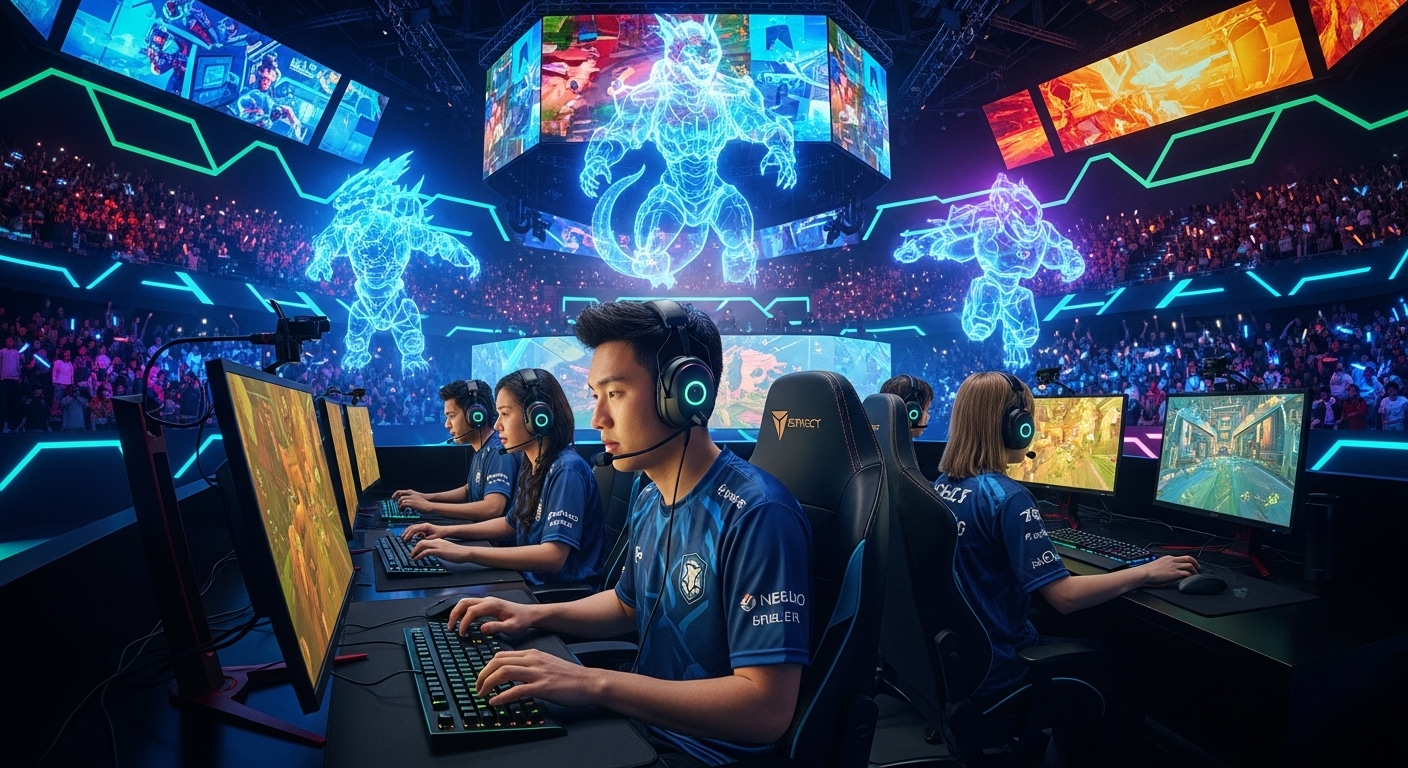
Esports, short for electronic sports, represents one of the most transformative and influential developments in modern entertainment. What began as small-scale video game competitions has evolved into a billion-dollar global industry that rivals traditional sports in audience size, investment, and cultural impact. The rise of esports is not just a technological or recreational phenomenon but a social movement that has redefined how people play, compete, and connect in the digital age.
The Birth of Esports
The origins of esports can be traced back to the early days of computer gaming in the 1970s and 1980s. The first recognized video game competition took place in 1972 at Stanford University, where students competed in the game Spacewar. Although the event was small and local, it marked the beginning of competitive gaming as a cultural event.
The 1980s saw the expansion of video games into arcades and home consoles. Titles like Pac-Man, Donkey Kong, and Space Invaders introduced high-score competitions that drew players together in pursuit of mastery. Magazines and television shows began to feature top players, giving early gamers a platform and recognition.
In 1990, Nintendo organized the Nintendo World Championships, one of the first large-scale gaming tournaments, which toured the United States and drew thousands of participants. This event signaled a shift from casual play to organized competition.
By the late 1990s, with the spread of personal computers and the internet, multiplayer gaming took off. Games like StarCraft, Quake, and Counter-Strike laid the foundation for the esports ecosystem we recognize today. Players could now compete against opponents around the world in real-time, and organized tournaments began to offer cash prizes and sponsorships.
The Growth of Online Competitions
The early 2000s marked the era of online gaming dominance. Broadband internet made online play more accessible, and game developers began designing titles specifically for competitive formats. Warcraft III, Halo, and Call of Duty became staples of organized play.
In South Korea, esports exploded into a national phenomenon. With government support, professional gaming leagues were established, and televised matches of StarCraft drew millions of viewers. Professional players were treated as celebrities, with sponsorships, fan clubs, and training facilities dedicated to improving their performance.
Meanwhile, in the West, platforms like Major League Gaming (MLG) in the United States and the Electronic Sports World Cup (ESWC) in Europe brought legitimacy to esports. These events offered structured leagues, standardized rules, and growing prize pools, attracting both players and sponsors.
The Role of Streaming and Digital Platforms
One of the most significant turning points in esports history came with the rise of live streaming platforms such as Twitch and YouTube. These platforms allowed fans to watch tournaments, follow their favorite players, and engage directly with the gaming community.
Unlike traditional sports broadcasting, which relied on networks and cable channels, streaming democratized access. Anyone with an internet connection could tune in to watch matches in real-time. This created an entirely new form of digital entertainment where interaction and participation were central.
Esports tournaments began to attract audiences rivaling those of traditional sports. The League of Legends World Championship, The International for Dota 2, and Fortnite World Cup drew millions of live viewers. Prize pools reached tens of millions of dollars, and players became global icons.
Streaming also gave rise to content creators and influencers who blurred the line between entertainment and competition. Streamers could build massive followings by showcasing their skills, personalities, and interactions, expanding esports’ cultural footprint far beyond the tournaments themselves.
The Structure of Modern Esports
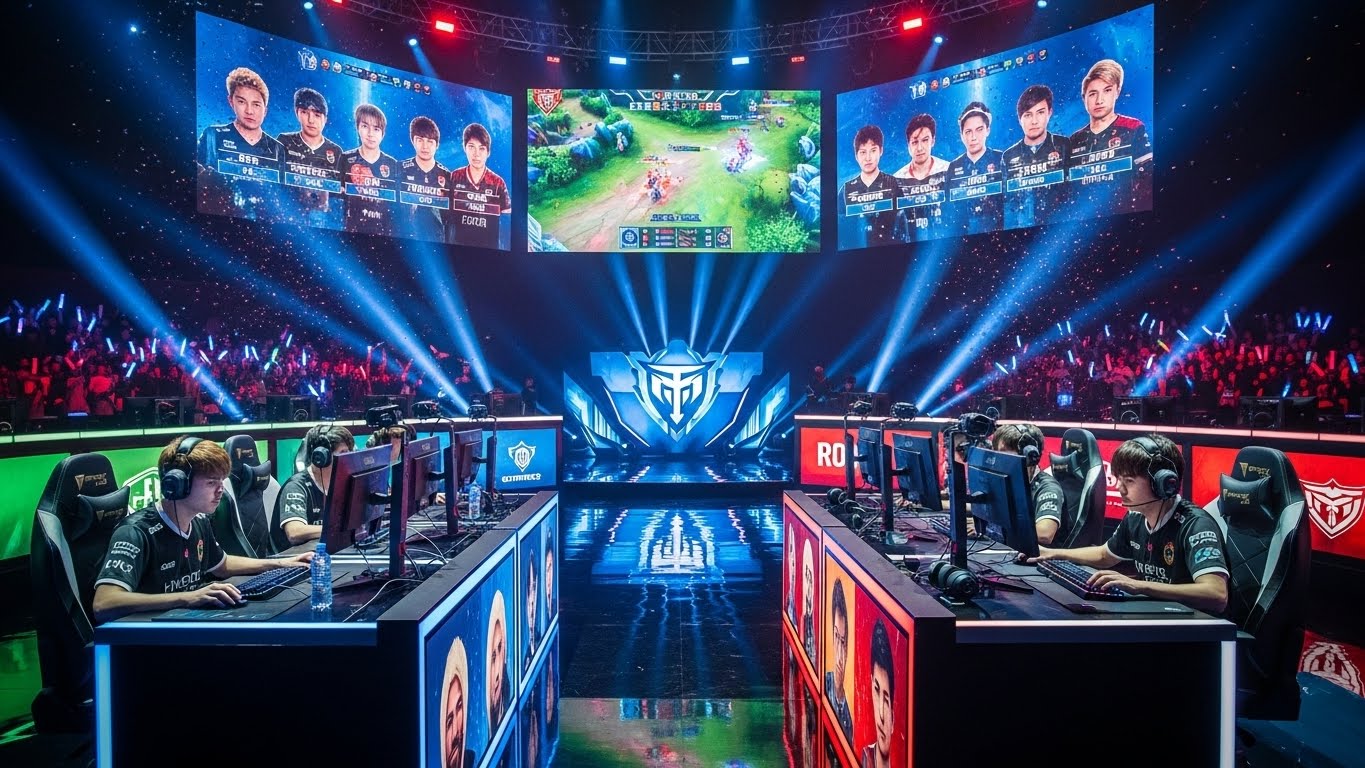
Today’s esports ecosystem mirrors that of traditional sports in many ways. There are professional teams, leagues, coaches, analysts, and even scouts. Players sign contracts, train for long hours, and adhere to strict schedules to maintain peak performance.
Games are organized into genres that lend themselves to competition, including:
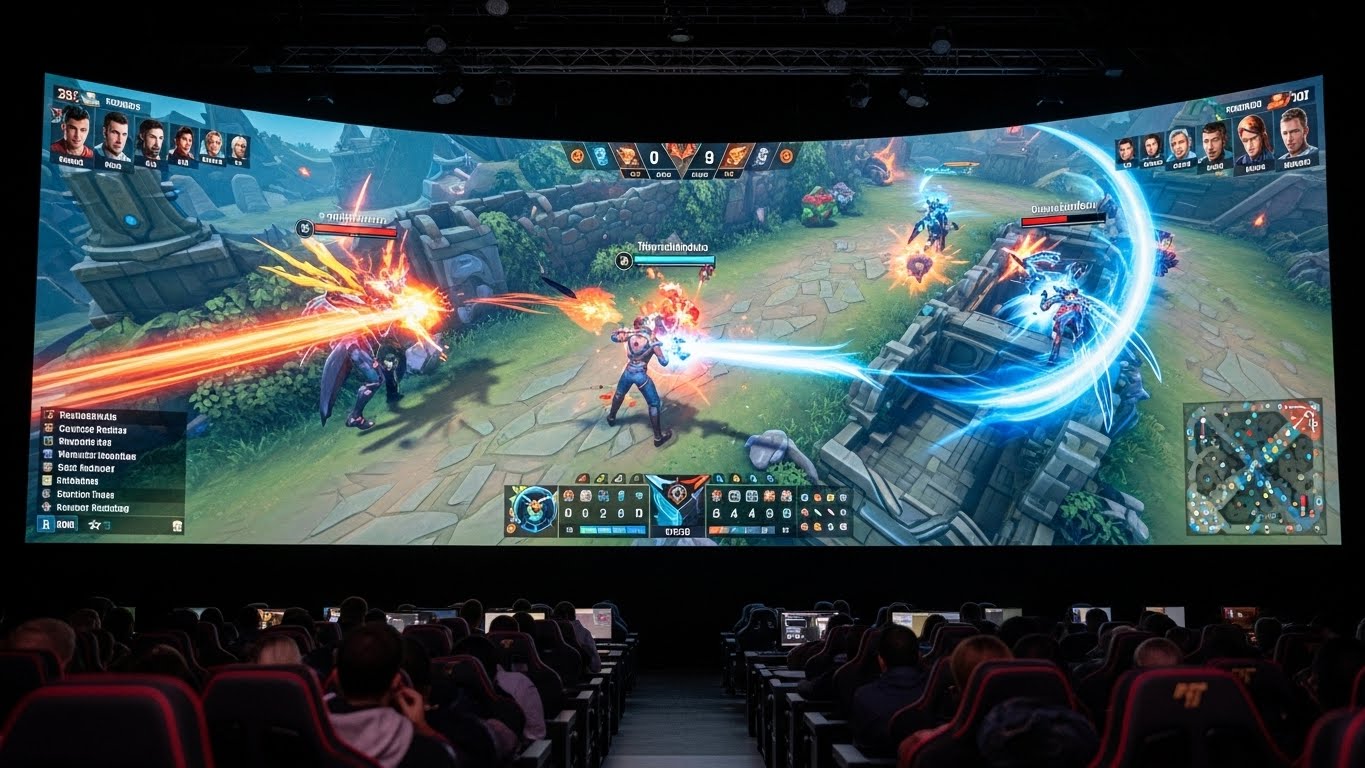
- Multiplayer Online Battle Arenas (MOBA) like League of Legends and Dota 2, emphasizing teamwork, strategy, and coordination.
- First-Person Shooters (FPS) such as Counter-Strike: Global Offensive, Call of Duty, and Valorant, focusing on precision, tactics, and reflexes.
- Battle Royale Games like Fortnite and PUBG, where survival and adaptability determine the victor.
- Sports Simulations like FIFA and NBA 2K, which emulate real-world sports dynamics.
- Fighting Games like Street Fighter and Super Smash Bros., where skill and timing are paramount.
Professional teams are often backed by major corporations, investors, and even traditional sports franchises. For example, football clubs and basketball teams have launched their own esports divisions, seeing the potential in digital competition.
The Life of a Professional Esports Player
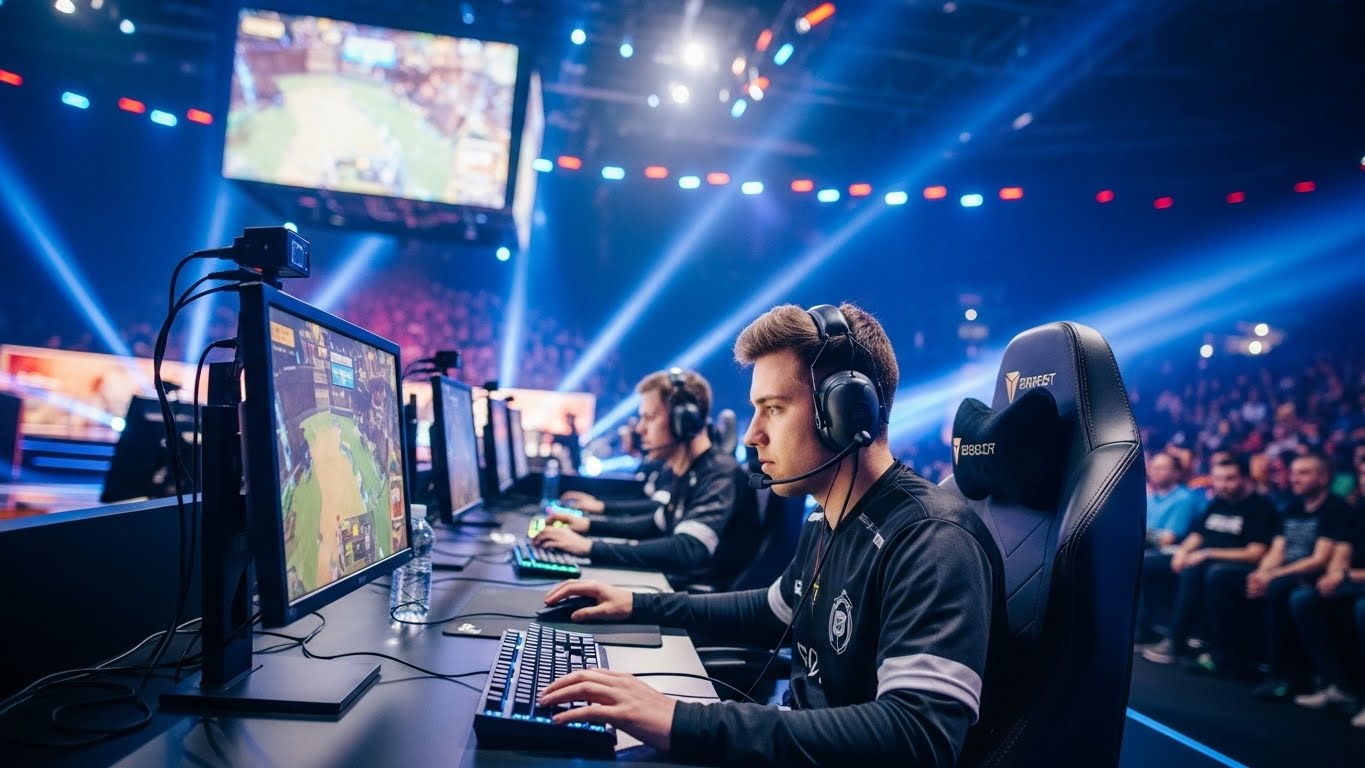
Becoming a professional esports player is far from easy. Behind the glamour of fame and prize money lies a demanding lifestyle. Most players begin young, often dedicating several hours a day to practice. Reflexes, strategy, and teamwork require consistent training.
Teams often live together in dedicated “gaming houses” where they train under the supervision of coaches and analysts. Nutritionists, psychologists, and physical trainers are also becoming a part of the esports ecosystem, reflecting the physical and mental challenges of professional play.
While some players achieve immense success and wealth, many face burnout, injuries such as wrist strain, and the pressure of constant competition. The average career span of an esports player is relatively short, leading many to transition into coaching, content creation, or game analysis after retirement.
The Rise of Esports Arenas and Live Events
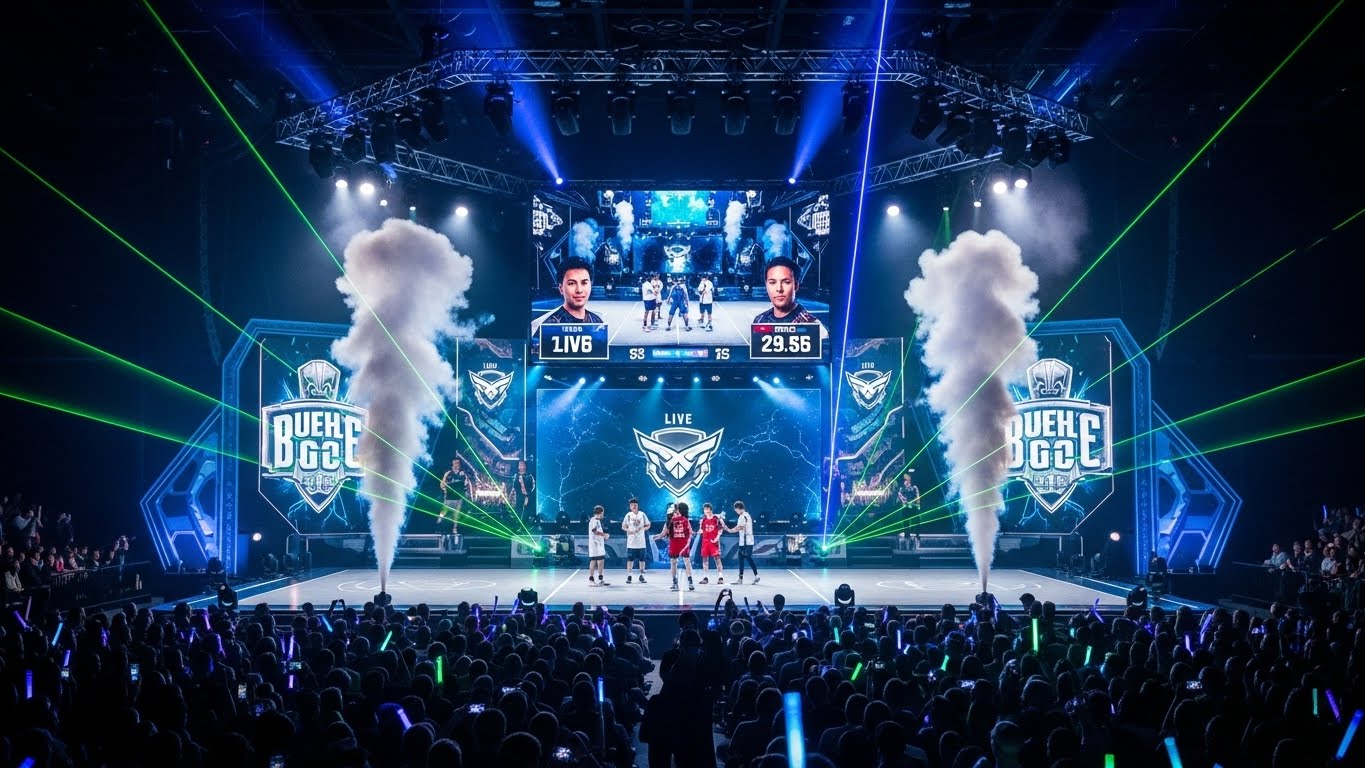
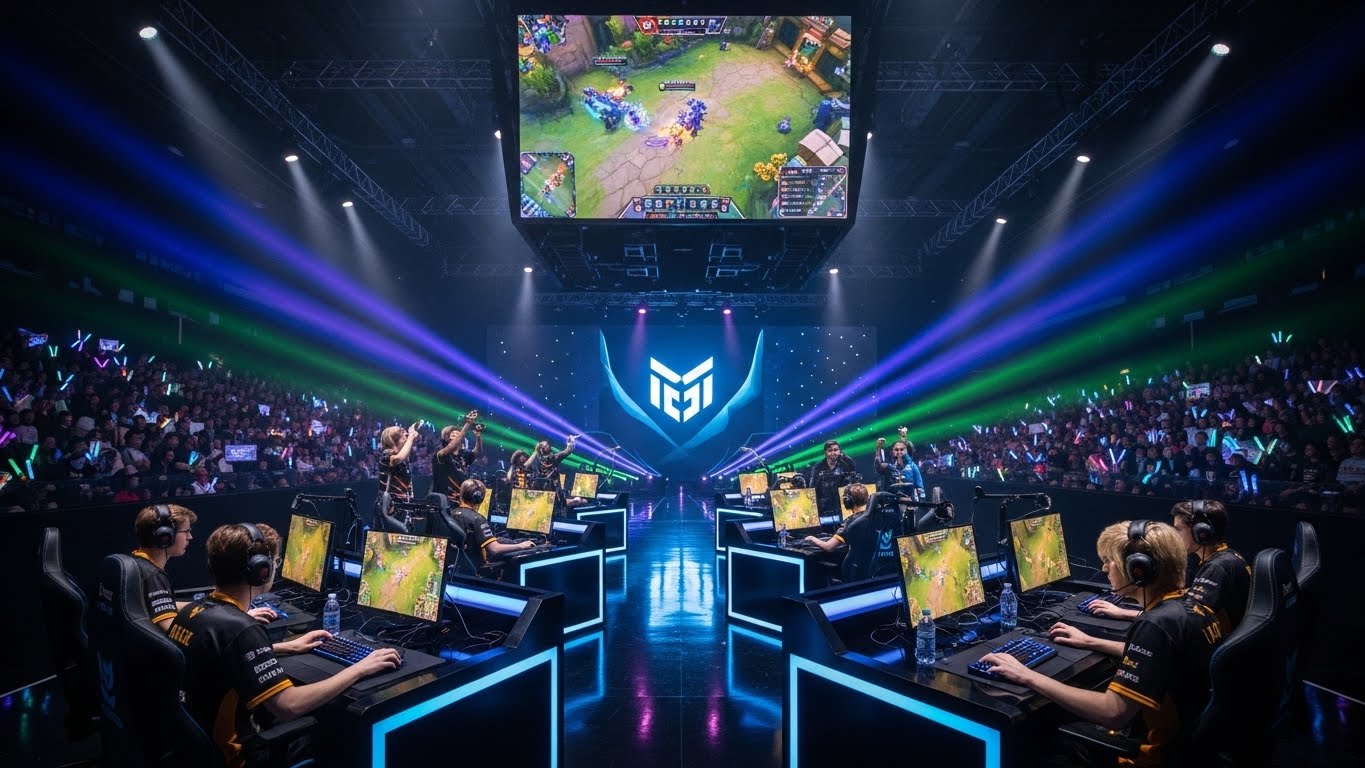
As esports gained popularity, the demand for live events grew. What started as small gatherings in hotel ballrooms evolved into massive spectacles held in stadiums and arenas.
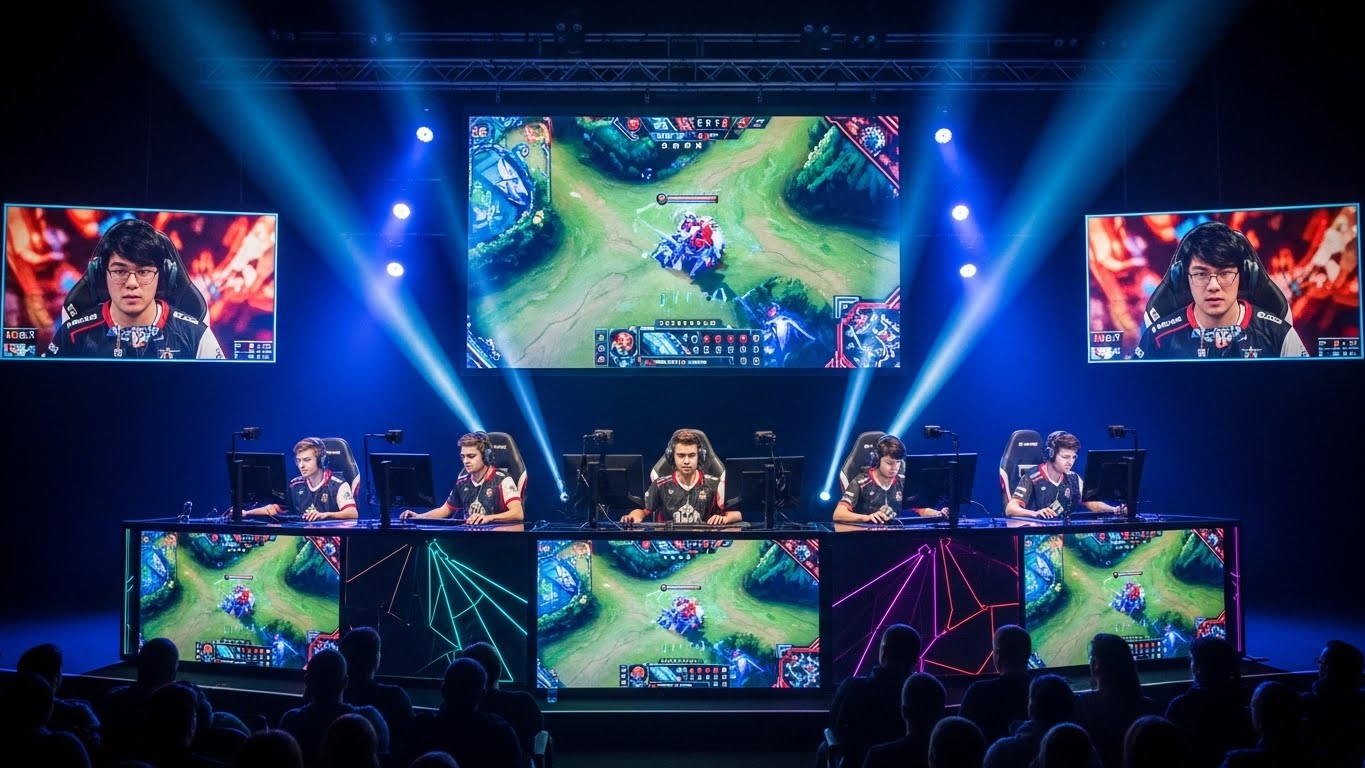
Events such as The International for Dota 2 and the League of Legends World Championship fill venues like Madison Square Garden and the Staples Center, complete with elaborate stage designs, light shows, and live commentary. Fans travel from around the world to watch their favorite teams compete, waving banners and chanting just as they would at a football match.
These events create an electric atmosphere, showcasing how esports has transcended the boundaries of virtual entertainment. The combination of live excitement and digital interactivity creates an experience that traditional sports have struggled to replicate.
The Economic Impact of Esports
Esports is no longer a niche hobby—it is a global business powerhouse. The industry generates billions of dollars annually from sponsorships, advertising, merchandise, ticket sales, and media rights. Major brands across sectors like technology, fashion, energy drinks, and automotive have entered the space, recognizing its massive youth audience.
Tournament prize pools have grown exponentially. The International 2019 offered over 34 million dollars in prizes, setting a record for esports. Players also earn income through sponsorships, streaming, and content creation, further diversifying their revenue streams.
Esports organizations operate like traditional sports franchises, with brand partnerships, fan engagement campaigns, and training academies. Universities have even begun offering scholarships for esports athletes, further legitimizing the field as a career path.
Esports and the Education System
One of the most interesting developments in recent years has been the integration of esports into education. Schools and universities across the world now offer esports programs, combining gaming with disciplines like business, psychology, and media studies.
Students can study the strategic, managerial, and technical aspects of esports, preparing for careers in game design, broadcasting, marketing, and team management. Educational institutions recognize that esports is not merely about playing games but about understanding an industry that blends technology, entertainment, and entrepreneurship.
These programs also promote teamwork, communication, and critical thinking—skills that are valuable beyond gaming. By fostering academic and professional opportunities, esports has become a legitimate educational frontier.
The Role of Women in Esports
While esports has historically been male-dominated, women have been making significant strides in recent years. Female players, casters, and team managers are gaining recognition and inspiring future generations.
Women’s tournaments and inclusive leagues have emerged to promote gender diversity and equality. Players like Sasha “Scarlett” Hostyn and Li “VKLiooon” Xiaomeng have broken barriers by winning major championships and challenging stereotypes.
Despite ongoing challenges such as discrimination and underrepresentation, progress is being made. Organizations and game developers are increasingly emphasizing diversity, ensuring that esports becomes an inclusive space for everyone.
The Cultural Influence of Esports
Esports has permeated popular culture in profound ways. It has inspired documentaries, television series, movies, and fashion collaborations. Esports athletes feature on magazine covers, and gaming events influence music, art, and technology.
Mainstream sports organizations have also acknowledged the power of esports. The International Olympic Committee has explored ways to integrate esports into future Olympic events, recognizing its appeal among younger audiences.
Moreover, esports has built global communities that transcend borders and languages. Fans from different continents unite under shared passion, forming friendships and fandoms in online spaces. This global connectivity reflects how digital culture is reshaping human interaction.
The Future of Esports
The future of esports looks brighter than ever. With advancements in virtual reality, augmented reality, and artificial intelligence, the next generation of competitive gaming will offer even more immersive experiences.
Esports is expected to expand further into mobile gaming, especially in regions like Southeast Asia, Africa, and South America, where mobile devices are the primary gaming platform.
In addition, the continued convergence of esports with other entertainment sectors—music, film, and fashion—will create new hybrid forms of digital expression. As younger generations grow up in the digital age, esports will remain a central part of global entertainment culture.
The professionalization of esports will also continue. Expect to see more standardized regulations, improved player welfare, and greater integration with traditional sports institutions. As technology evolves, esports will not just coexist with traditional sports but redefine what competition means in the twenty-first century.
Conclusion
Esports has come a long way from its humble beginnings in university computer labs to becoming a global cultural force. It represents the fusion of technology, creativity, and competition in a way that resonates deeply with modern audiences.
Beyond the screens and controllers, esports symbolizes the spirit of the digital era—global, inclusive, and ever-evolving. It unites millions under the banner of shared passion and showcases how human creativity continues to push boundaries in new and exciting directions.
From small local tournaments to packed international arenas, from casual gamers to professional superstars, esports has redefined entertainment for the modern world. And as the industry continues to grow, it is clear that this is not just the future of gaming—it is the future of sports itself.