 hubvault77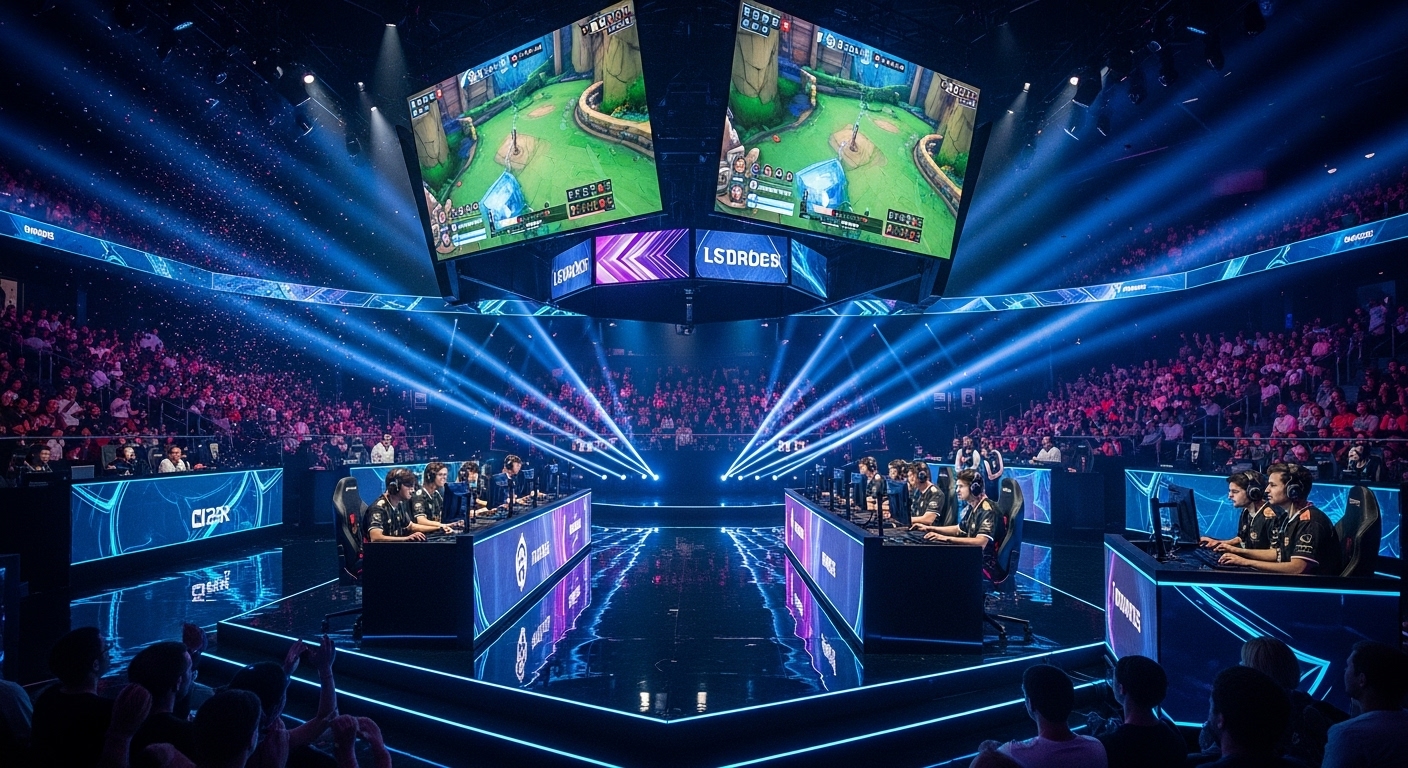
Introduction: The Global Surge of Esports
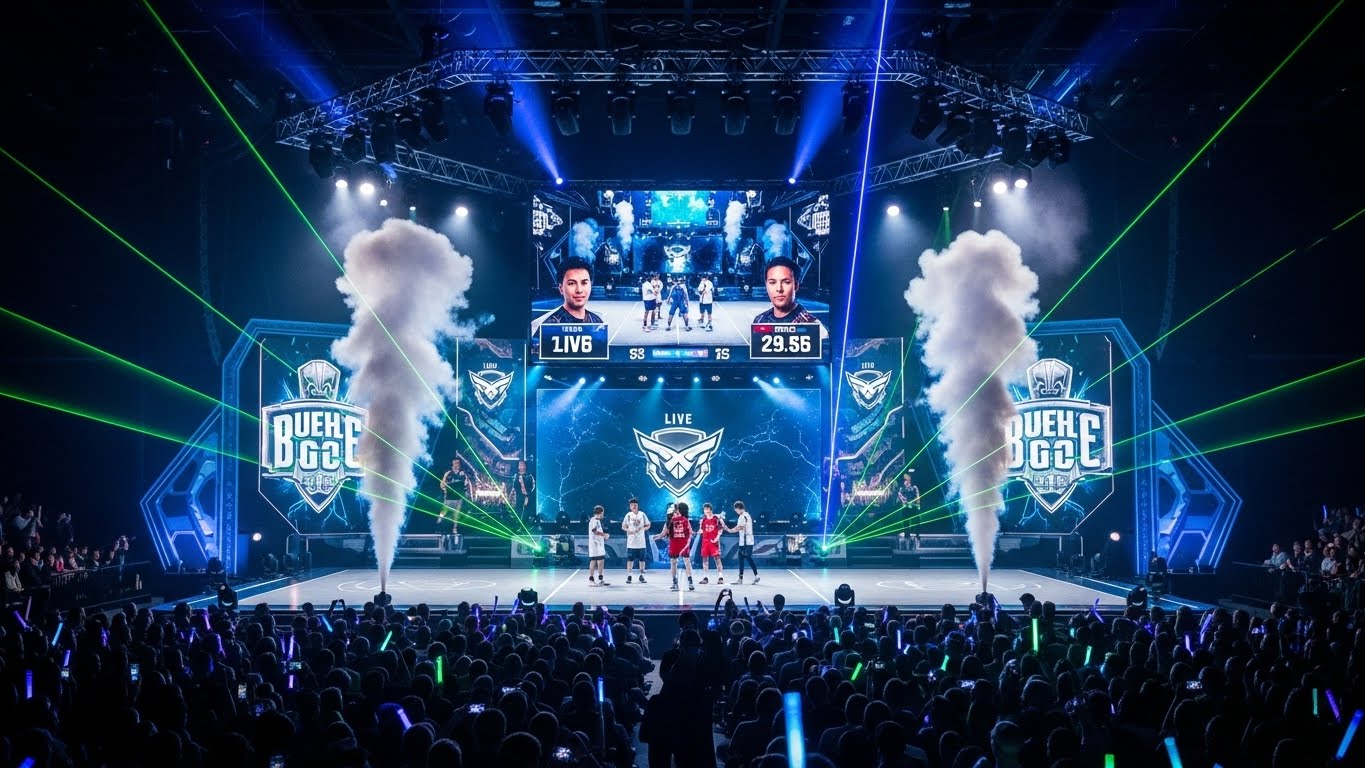
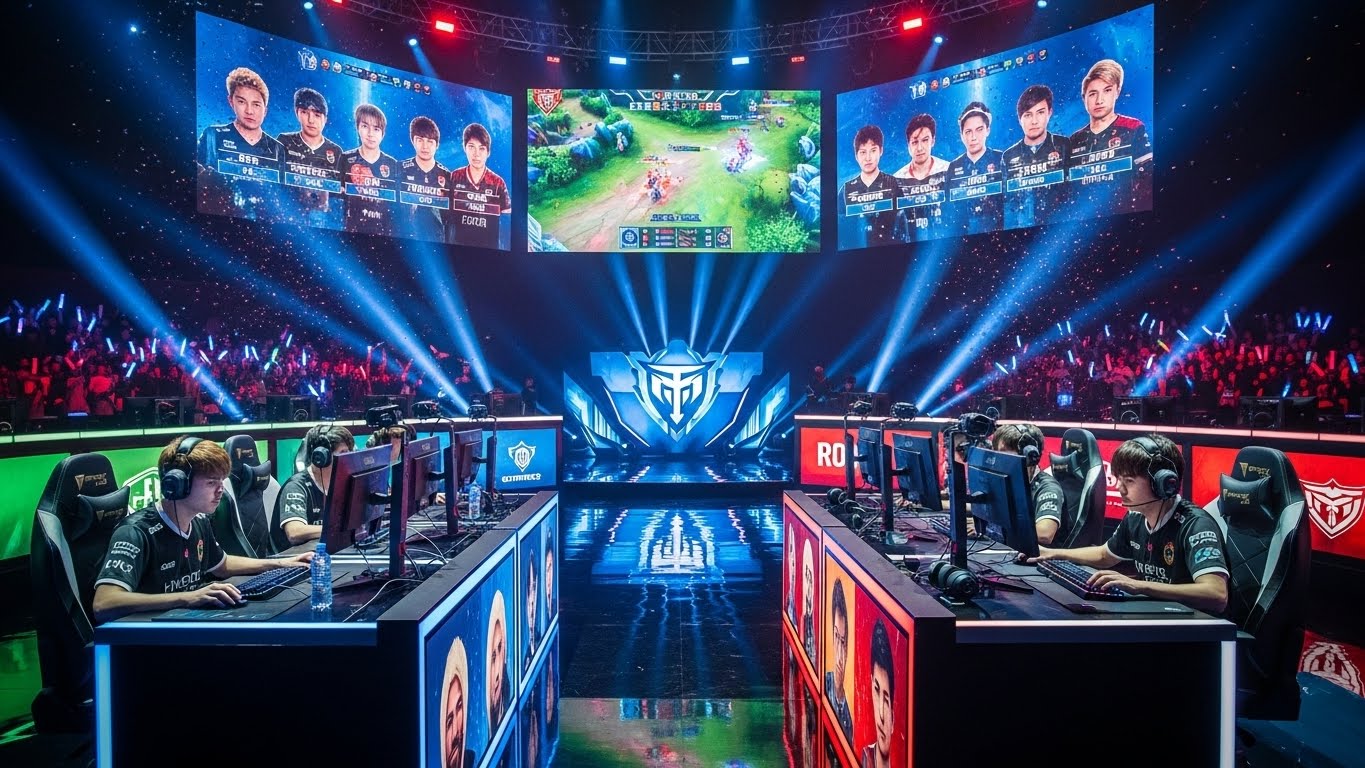
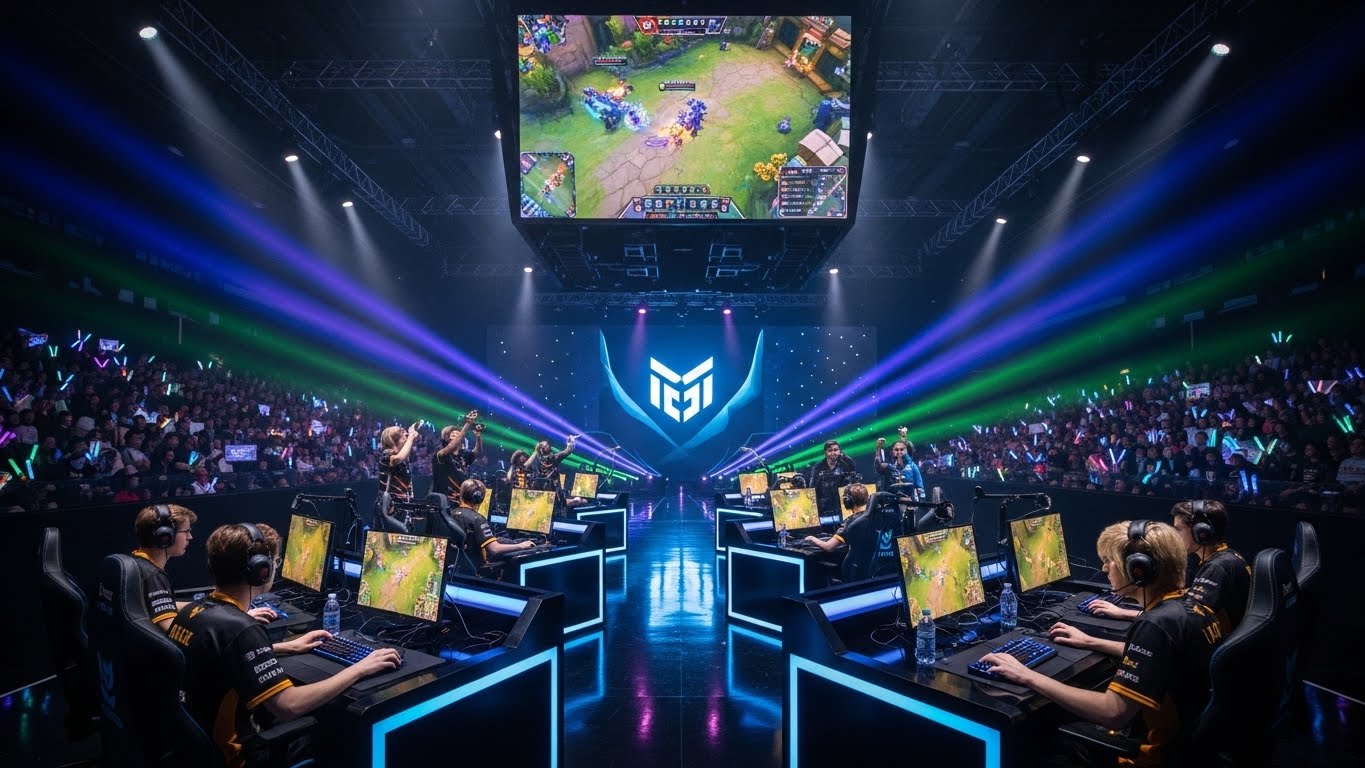
Esports, short for electronic sports, has grown from a niche hobby into one of the most influential and rapidly expanding industries in the world. Once regarded as a pastime for dedicated gamers, esports now boasts a massive global following, with professional tournaments, lucrative sponsorships, and millions of fans watching from across the globe. As traditional sports continue to thrive, esports is carving out its own unique space in the entertainment landscape.
Defining Esports: Competitive Gaming at Its Best
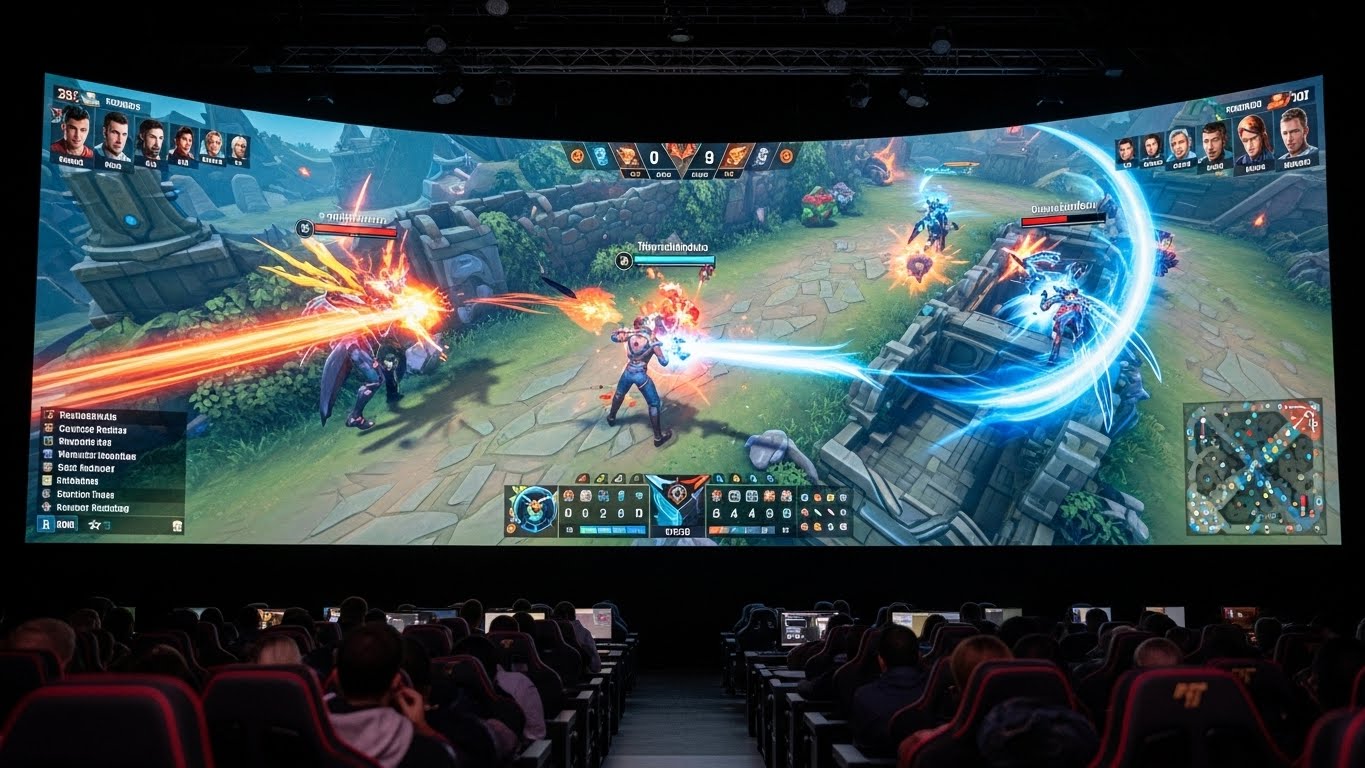
Esports refers to organized, multiplayer video game competitions, often between professional players, teams, or organizations. Unlike casual gaming, esports is built on skill, strategy, and performance. It includes a variety of game genres, such as first-person shooters (FPS), real-time strategy (RTS), multiplayer online battle arenas (MOBAs), and sports simulations. Games like League of Legends, Dota 2, and Fortnite have become household names, drawing crowds that rival traditional sporting events.
The Explosion of Esports Popularity
The popularity of esports is fueled by several key factors. The first is its accessibility. Unlike traditional sports, you don’t need expensive equipment or a physical venue to participate. With just an internet connection, anyone can watch tournaments, stream games, or even compete in online leagues. Streaming platforms like Twitch and YouTube have become the go-to destinations for fans, enabling gamers to watch live events and interact with players in real-time.
Moreover, the younger generation has embraced esports as part of their digital lifestyle. Gaming has evolved from being seen as a solitary activity to one that connects people globally. Esports has become a cultural movement that transcends national borders, creating a universal language for fans who speak different tongues but share a common passion for gaming.
The Professional Esports Player: Behind the Screen
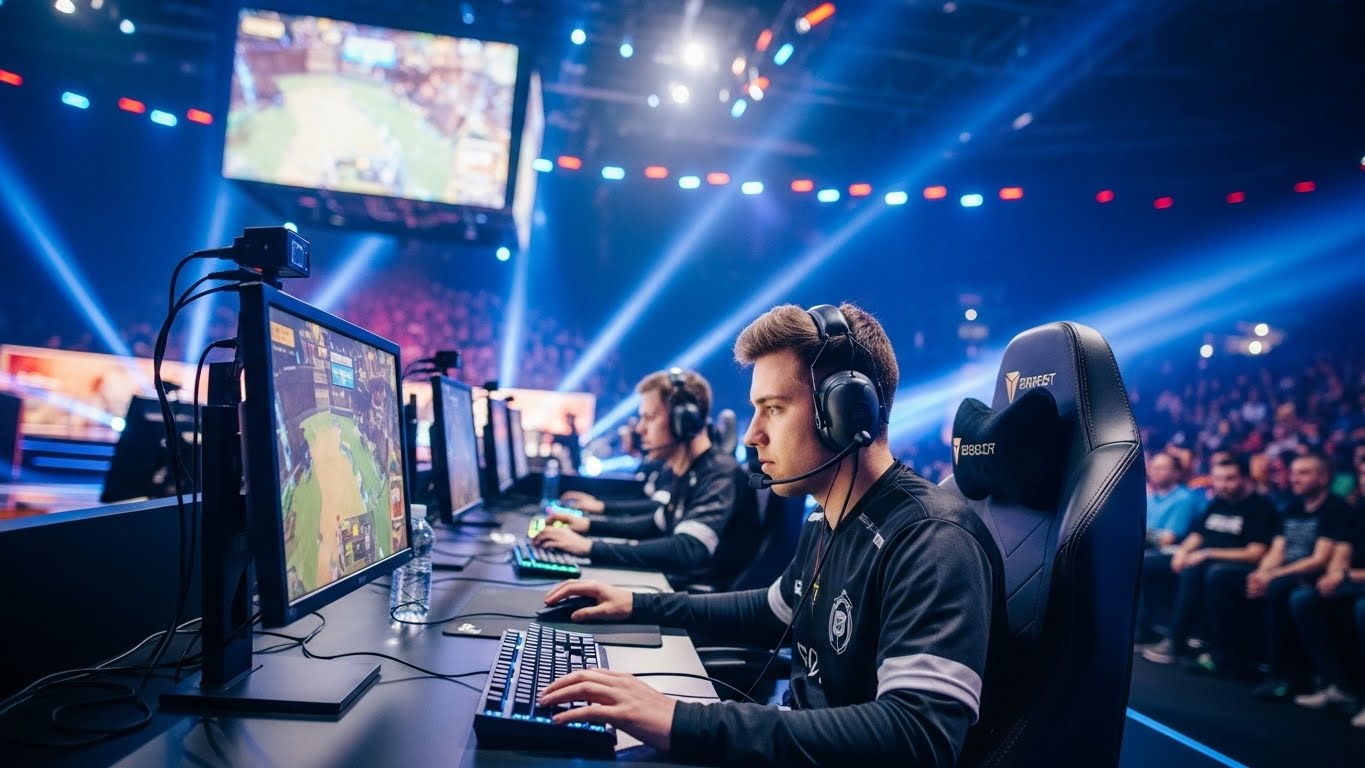
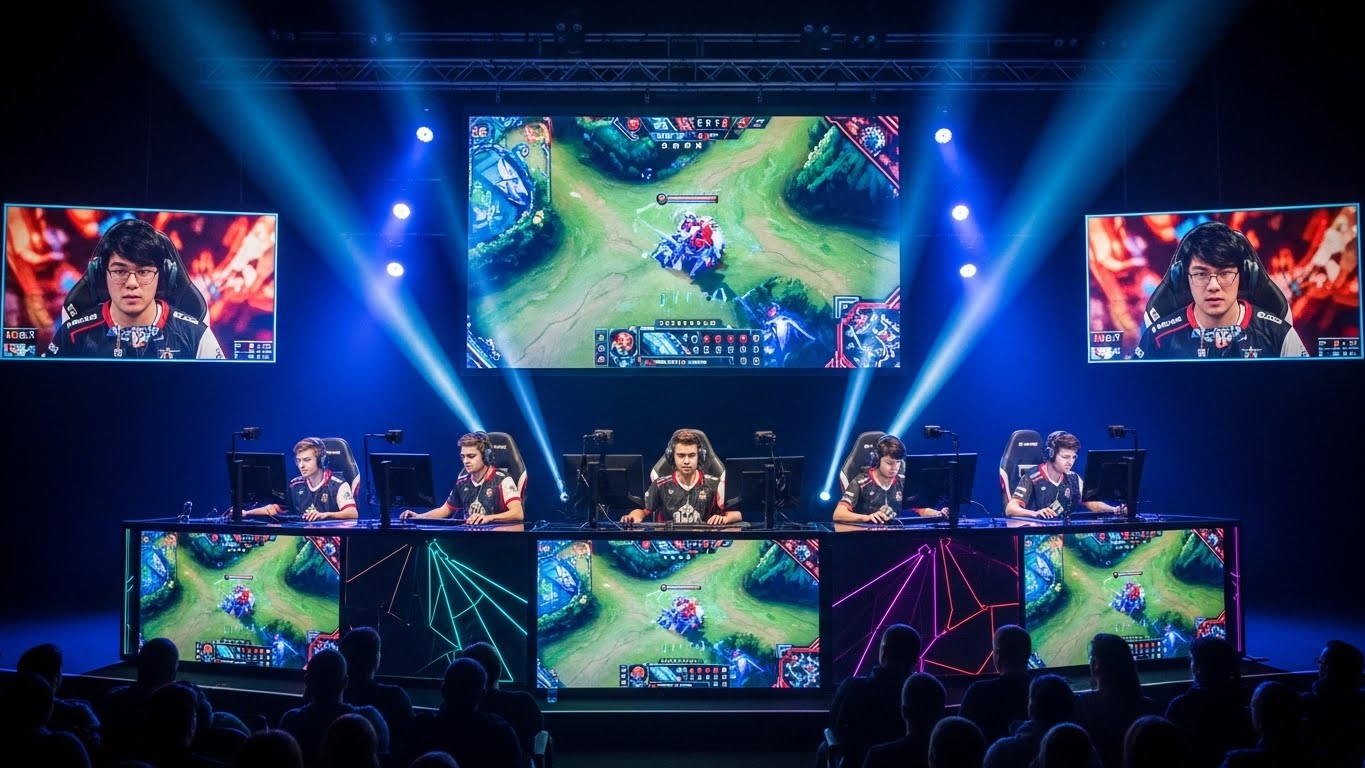
To be an esports professional is to dedicate oneself to mastering a game to the highest level. Players train for hours each day, honing their skills, developing strategies, and staying ahead of their competitors. Esports professionals often have to balance intense physical and mental training, which includes maintaining focus, practicing hand-eye coordination, and improving teamwork. In many ways, being a pro gamer is as demanding as any traditional athlete’s lifestyle, requiring dedication and sacrifice.
Furthermore, professional gamers often work with coaches, analysts, and even psychologists to stay at their peak performance. The lifestyle can be grueling, with tournaments demanding long hours, tight schedules, and the pressure to consistently perform at a high level. For those who succeed, the rewards can be substantial, with top-tier players earning substantial sponsorship deals, tournament prizes, and streaming revenue.
Esports as a Business: A Multi-Billion Dollar Industry
Esports is not just about the players—it’s an entire ecosystem built on business opportunities. The economic impact of esports is staggering. With sponsorship deals, media rights, and event ticket sales, esports has generated billions of dollars in revenue. Major brands like Nike, Red Bull, and Coca-Cola now sponsor teams and tournaments, further solidifying esports as a legitimate business entity.
In addition to sponsorships, revenue comes from broadcasting rights, merchandise sales, and advertising. Companies and organizations are investing heavily in the sector, fueling its continued growth. Esports organizations are increasingly seen as professional teams, much like traditional sports franchises, with owners, managers, and support staff working to grow their brand and reach new audiences.
Esports in Education: A New Frontier for Students
As esports continues to gain legitimacy, it is also making its way into educational institutions. Many colleges and universities now offer scholarships for talented gamers, allowing them to pursue higher education while competing in organized leagues. This move is not just about offering financial aid to gamers but also about developing esports programs and teams at the collegiate level.
In addition to scholarships, schools are incorporating esports into their curricula, teaching students about game design, broadcasting, and the business side of gaming. These programs are preparing students for careers in the growing esports industry, opening doors to job opportunities in coaching, content creation, event management, and more.
Challenges in the Esports World
While esports is growing rapidly, it faces several challenges. One of the biggest concerns is player burnout. The pressure to perform, combined with long practice hours, can take a toll on the mental and physical health of professional players. There is also the issue of addiction, as some players can become too focused on gaming at the expense of their personal lives and well-being.
Another challenge is inclusivity. Esports has long been male-dominated, and although the number of women and marginalized groups participating is slowly increasing, there is still work to be done to make the industry more diverse and inclusive. Additionally, cheating and match-fixing have been persistent issues, leading to calls for stricter regulations and oversight in competitive gaming.
The Future of Esports: What’s Next?
Looking to the future, esports is only going to grow. As technology advances, the experience of watching and participating in esports will become more immersive. Virtual reality (VR) and augmented reality (AR) are expected to revolutionize the way games are played and viewed, offering more interactive and engaging experiences for fans.
Esports is also becoming more integrated with traditional sports. Major sports networks are broadcasting esports events, and established sports teams are investing in gaming franchises. In fact, some even predict that esports could one day be included in the Olympic Games, further legitimizing it as a global sport.
Conclusion: A Lasting Impact
Esports has firmly established itself as a cultural and economic force. It has transformed from a hobby into a worldwide industry that combines technology, entertainment, and sports. With its growing fanbase, increasing professional opportunities, and the integration of cutting-edge technologies, esports is not just a passing trend—it is here to stay. The next chapter of this digital revolution promises even greater achievements, pushing the boundaries of what competitive gaming can be.