 hubvault77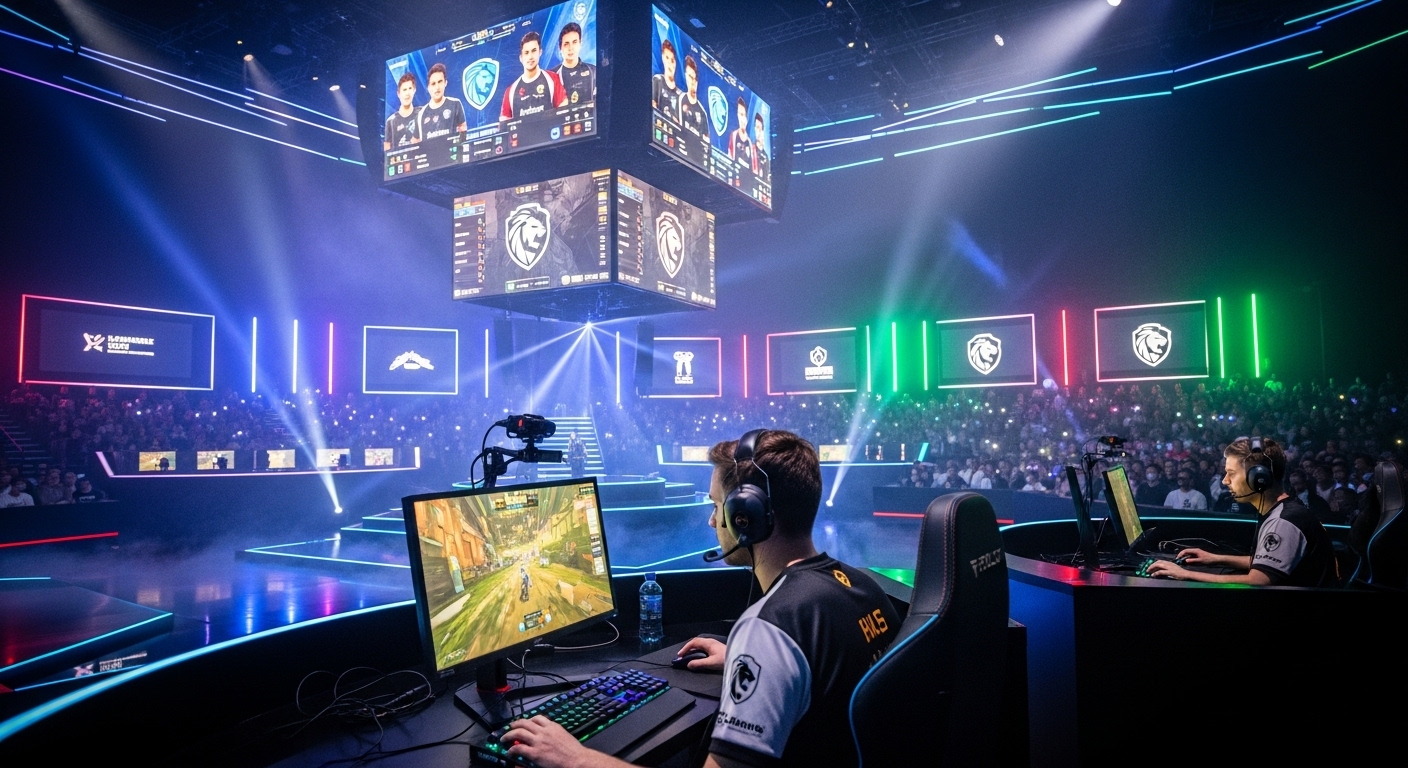
Introduction
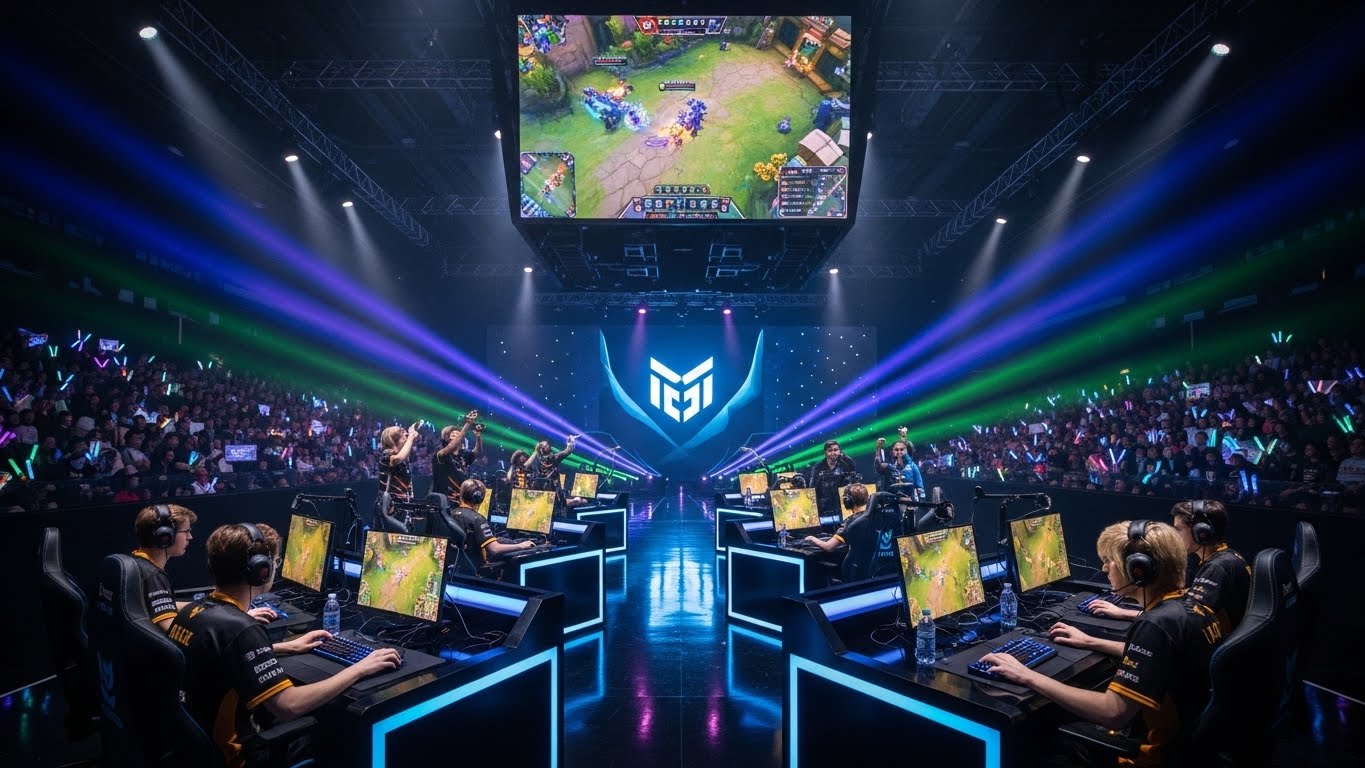
In the past two decades, the world has witnessed a digital revolution that has reshaped entertainment, communication, and competition. Among the most striking developments of this new digital age is the rapid rise of esports. Once seen as a niche pastime for gamers, esports has evolved into a global phenomenon with millions of fans, professional players, massive tournaments, and even university scholarships. It is not merely a form of entertainment anymore—it is a legitimate and respected competitive industry that stands shoulder to shoulder with traditional sports.
This blog explores the world of esports—its origins, growth, impact, and future. From small gaming rooms to packed arenas filled with screaming fans, the journey of esports is one of innovation, passion, and global unity through digital competition.
The Origins of Esports
The concept of competitive gaming is older than many imagine. The roots of esports date back to the early 1970s when students at Stanford University competed in a game called Spacewar! for a grand prize of a magazine subscription. While this small event may seem trivial today, it marked the beginning of something extraordinary. In the 1980s, arcade gaming became mainstream, and competitions around titles like Pac-Man and Donkey Kong began drawing media attention.
The 1990s brought personal computers and gaming consoles into homes, opening new doors for multiplayer gaming. Games like Street Fighter II, Quake, and StarCraft laid the foundation for organized tournaments. South Korea, in particular, became the birthplace of professional esports culture, with televised matches and sponsorship deals becoming common. This early infrastructure helped esports evolve from casual gaming into a structured and profitable enterprise.
The 2000s: The Era of Online Competition
The introduction of high-speed internet revolutionized the esports scene. Online multiplayer games connected players from around the world, making it possible to compete in real time across continents. Titles such as Counter-Strike, Warcraft III, and Halo emerged as the early pillars of esports during the 2000s.
LAN (Local Area Network) events began to evolve into large-scale international tournaments. Organizations like the World Cyber Games and the Electronic Sports World Cup gave professional gamers a stage to showcase their talent. The players were no longer seen as hobbyists; they were professionals with teams, sponsors, and fan bases.
The Global Explosion of Esports
As broadband access and streaming platforms like Twitch and YouTube gained popularity, esports began to explode on a global scale. For the first time, fans could watch their favorite teams and players compete live, just as they would watch football or basketball. The audience engagement skyrocketed, and so did the prize pools.
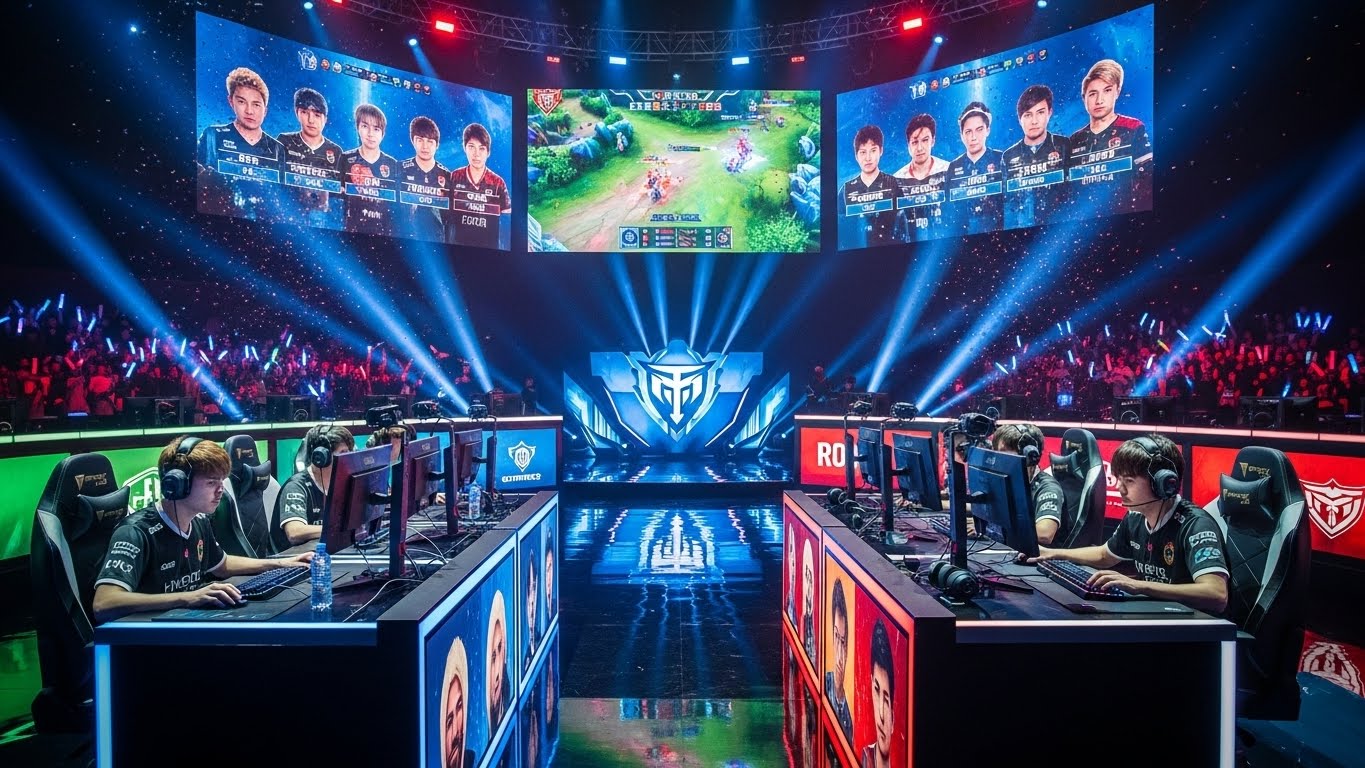
Games like League of Legends, Dota 2, Call of Duty, and Overwatch became the cornerstones of competitive gaming. These titles offered diverse genres—strategy, shooting, team-based combat—that attracted audiences of all kinds. The International, the annual Dota 2 championship, is now one of the most lucrative esports tournaments in history, with prize pools surpassing tens of millions of dollars.
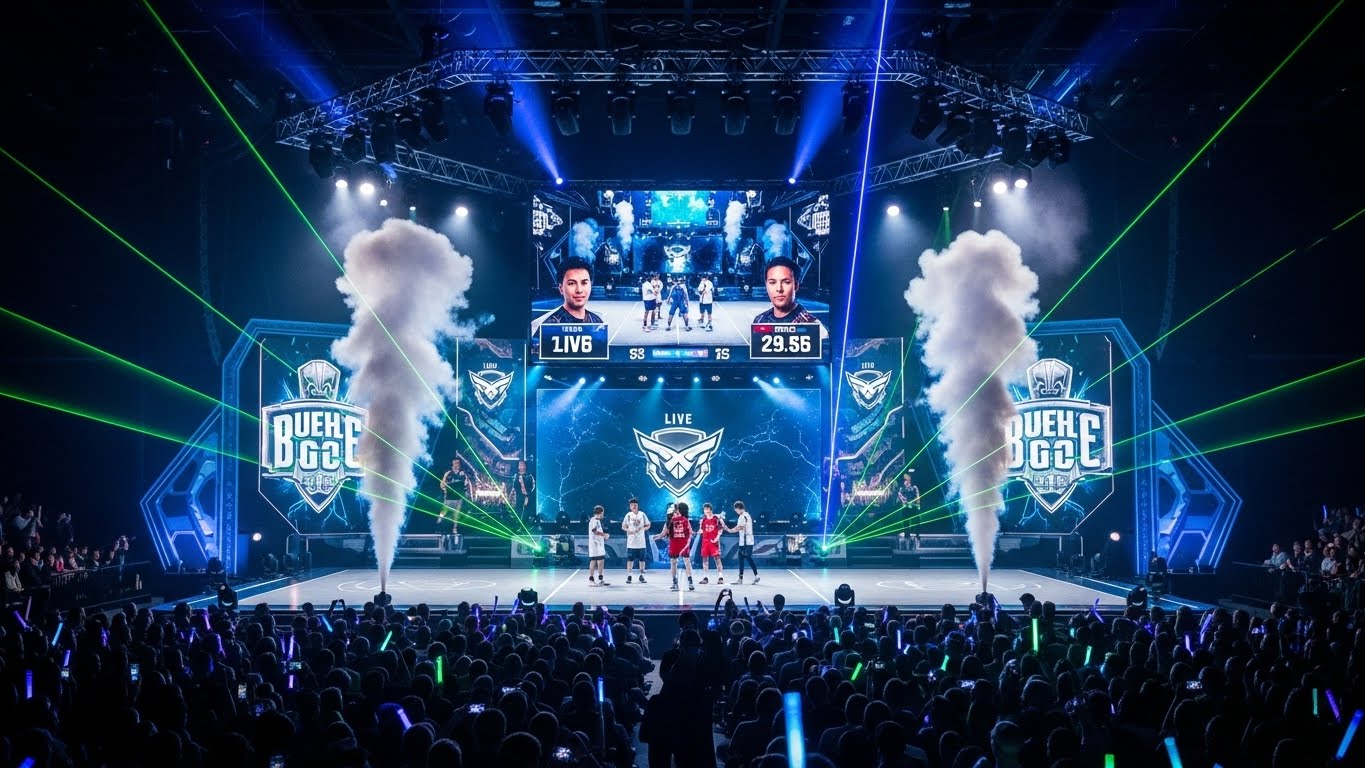
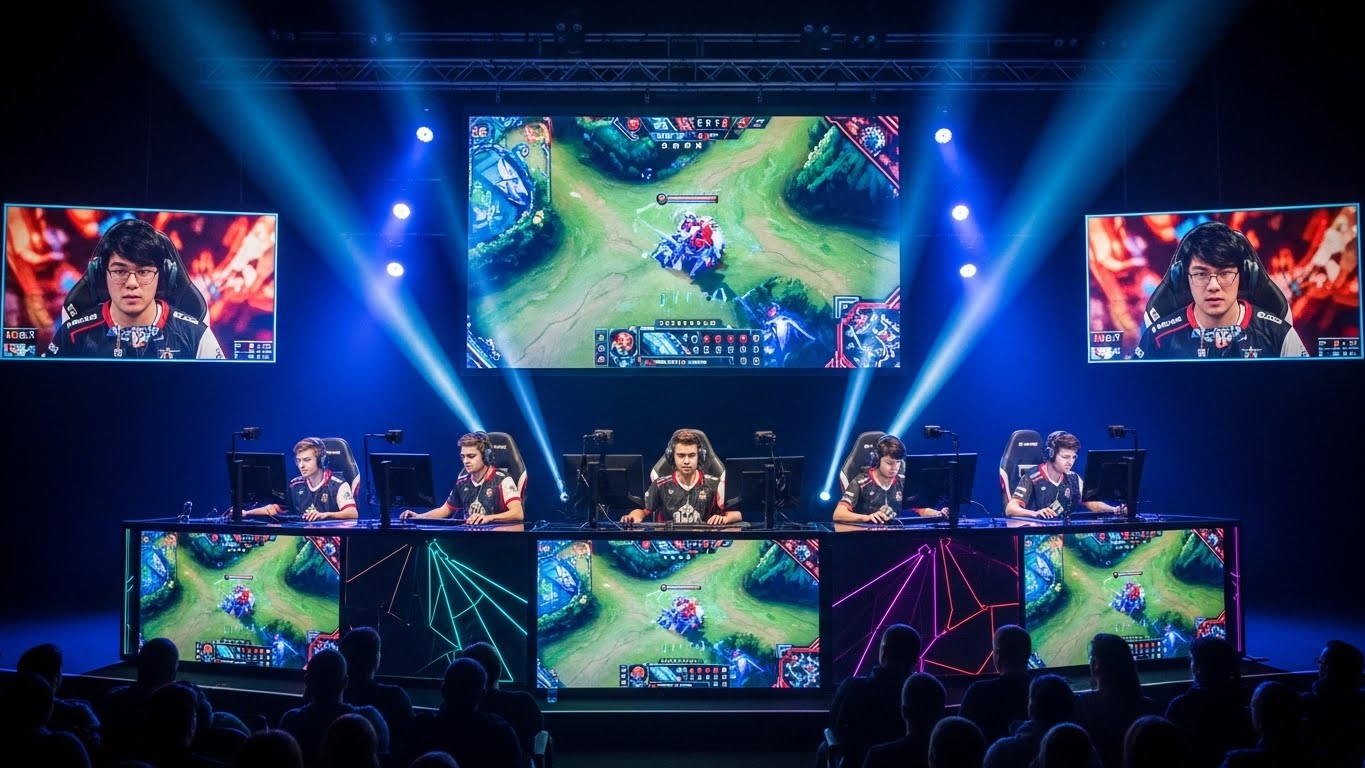
The success of these tournaments not only showcased the competitive aspect of gaming but also its entertainment value. Esports had become a spectator sport, with production quality rivaling that of traditional sporting events.
Esports as a Career
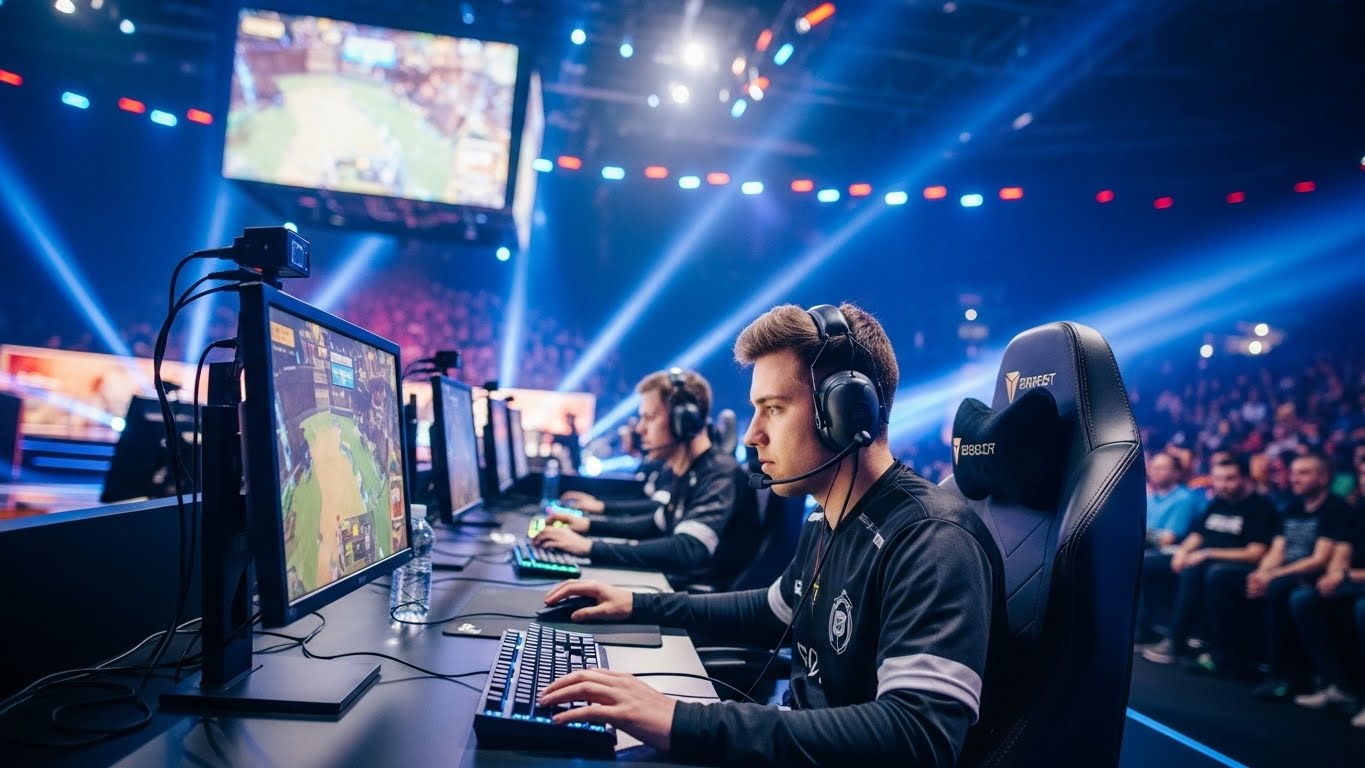
For many, gaming was once seen as an unproductive hobby. However, in today’s world, esports has proven that passion for gaming can turn into a full-time profession. There are now professional gamers, coaches, commentators, analysts, managers, and even physical trainers who specialize in esports performance.
Professional players often sign contracts with teams, earn salaries, receive sponsorships, and share prize winnings. Top players can make millions annually, depending on their game and popularity. Streaming has also become a major revenue source. Many players engage with fans directly through live broadcasts, building personal brands that rival those of mainstream celebrities.
Esports organizations operate similarly to traditional sports franchises. Teams have management structures, training facilities, and business strategies. They compete across various tournaments worldwide and maintain fan communities that support them through merchandise and events.
The Role of Technology in Esports
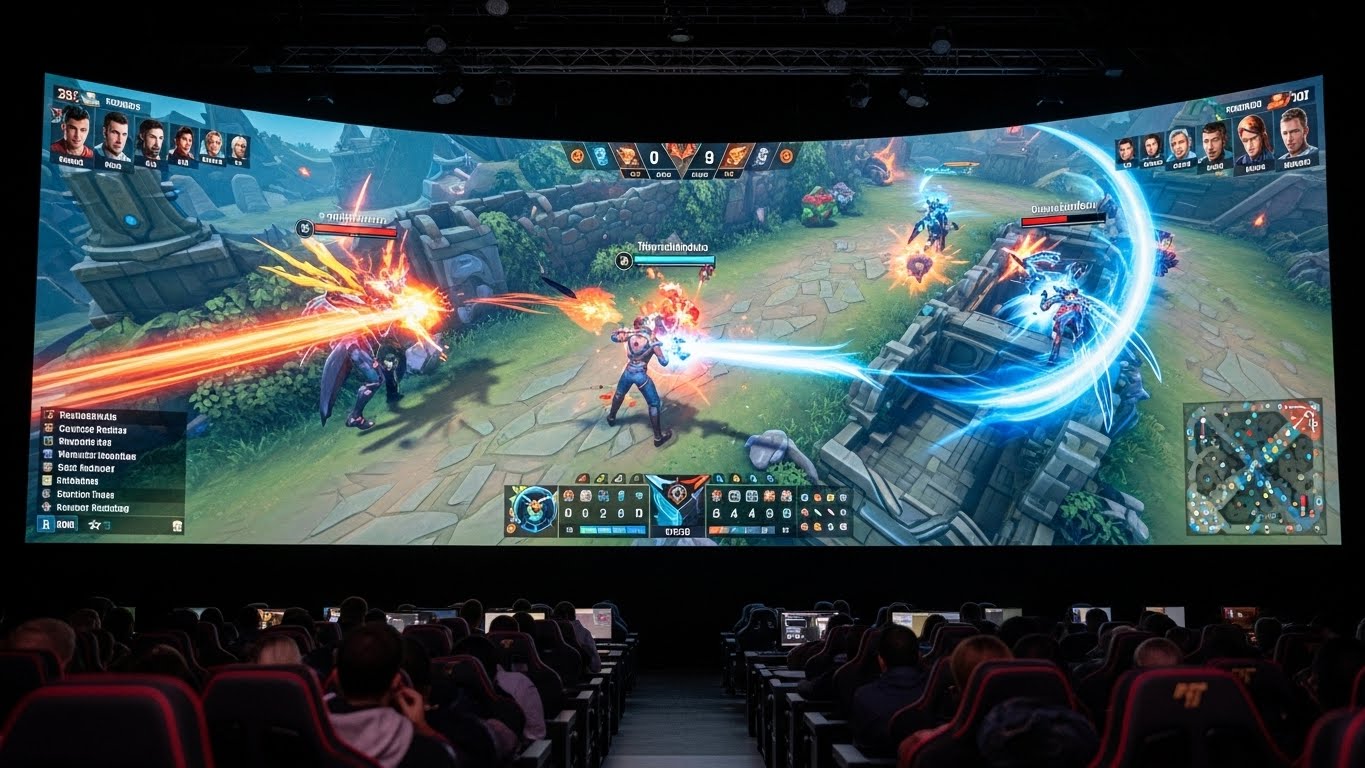
Technology is the backbone of esports. From powerful gaming hardware to high-speed internet, every technological advancement has contributed to its growth. Game developers have designed titles specifically for competitive balance and audience appeal. Spectator modes, instant replays, and real-time statistics enhance viewer experience, bringing fans closer to the action.
Virtual Reality (VR) and Augmented Reality (AR) are now being explored for immersive gaming experiences. Artificial Intelligence is also used to analyze player performance, predict strategies, and develop training programs. Esports has always existed at the intersection of technology and creativity, pushing both to new limits.
The Cultural Impact of Esports
Esports is more than just competition; it is a cultural movement. It has broken down barriers between nations, languages, and backgrounds. Players from different countries compete side by side, showing how digital sports can unite the world in ways traditional sports sometimes cannot.
The influence of esports is also visible in mainstream entertainment. Music artists, movie producers, and brands collaborate with gaming companies to reach younger audiences. Esports events feature celebrity appearances, live performances, and fan conventions, blurring the line between digital and physical entertainment.
Additionally, esports has inspired educational institutions to take gaming seriously. Universities now offer scholarships and degrees in esports management, game design, and digital media. This academic recognition has further legitimized esports as a valuable part of modern culture.
The Business of Esports
Behind every tournament and team lies a massive industry. The esports market generates billions of dollars annually from sponsorships, media rights, advertisements, and merchandise. Major corporations from tech, fashion, and energy sectors invest heavily in esports to connect with younger, tech-savvy audiences.
Franchised leagues, such as those in Overwatch and Call of Duty, have attracted investors who see long-term potential. These leagues function like the NBA or FIFA, with structured seasons, team ownership, and city-based representation. The result is a professional ecosystem that supports both competition and entertainment.
Streaming platforms have also monetized esports effectively. Live viewership drives ad revenue, while exclusive streaming rights have become a lucrative business. Esports has proven that digital-first entertainment can be just as profitable as television or cinema.
Esports and Traditional Sports
The relationship between esports and traditional sports has evolved from rivalry to collaboration. Many traditional sports teams and athletes have invested in esports organizations. Football clubs like Paris Saint-Germain and basketball players such as Michael Jordan and Stephen Curry have entered the esports scene as investors or owners.
Some critics argue that esports lacks the physicality of traditional sports, but the cognitive demands, reflexes, and teamwork involved in esports are no less intense. Reaction time, strategy, and coordination are key components of success. The mental endurance required to compete at the highest level is comparable to that of professional athletes.
Moreover, the global pandemic accelerated esports’ rise, as traditional sporting events were halted. Esports continued to thrive online, proving its adaptability and resilience in challenging times.
The Future of Esports
The future of esports looks brighter than ever. The industry is expected to continue expanding into new regions, with Africa, the Middle East, and South America emerging as strong markets. Mobile esports is another growing trend, especially in countries where mobile devices are more accessible than gaming PCs or consoles.
Virtual tournaments and cloud gaming are also shaping the next generation of esports experiences. With advanced technology like 5G networks and cloud-based streaming, gaming will become even more accessible and competitive.
Esports may also become a recognized Olympic event in the near future. While debates about its inclusion continue, the growing popularity and global reach of esports make it a strong candidate for international sporting recognition.
The Challenges Facing Esports
Despite its growth, esports faces challenges. Issues like player burnout, mental health, and fair play are ongoing concerns. The competitive pressure and constant travel schedules can take a toll on players. Regulatory challenges also exist, as different regions have varying laws regarding online competitions and gambling.
Cheating and match-fixing remain threats to the integrity of esports. Developers and organizers are investing heavily in anti-cheat technologies and player education to maintain a fair environment. Furthermore, diversity and inclusion are key areas where esports must continue to evolve. Female and minority players are gaining recognition, but more work is needed to ensure equal opportunities for all participants.
Esports and Education
Esports is now entering schools and universities not just as entertainment but as an educational tool. Programs teach students about teamwork, leadership, communication, and strategic thinking through gaming. Educational institutions are using esports to engage students in technology-related fields, such as computer science, broadcasting, and marketing.
Esports clubs and collegiate leagues foster healthy competition and provide career paths for students beyond playing—such as event management, production, and game design. This combination of education and entertainment has the potential to shape the next generation of digital professionals.
The Social Aspect of Esports
Community lies at the heart of esports. Fans form online communities, discuss matches, create memes, and support their favorite teams passionately. These digital spaces bring people together regardless of geography. Events like gaming conventions and live tournaments create real-world connections, turning virtual friendships into lifelong bonds.
Esports has also become a tool for social change. Charity tournaments raise millions for global causes, and organizations use gaming to promote mental health awareness, inclusivity, and education. This social impact highlights that gaming is not just about competition—it is about connection and shared experiences.
Conclusion
Esports has transformed from a hobby into a global movement. What started as small-scale competitions in computer labs has grown into an industry with professional athletes, million-dollar prizes, and millions of fans worldwide. It represents the merging of technology, culture, and competition in a way that defines the modern era.
The rise of esports shows that passion, innovation, and community can create an entirely new form of sport. It challenges traditional ideas of athleticism, redefines entertainment, and brings people together from every corner of the world.
As the industry continues to evolve, one thing is certain—esports is not just the future of gaming; it is the future of global sports culture. It is a celebration of skill, creativity, and digital unity, proving that in the world of competition, the virtual can be just as powerful and inspiring as the physical.