 hubvault77
Introduction
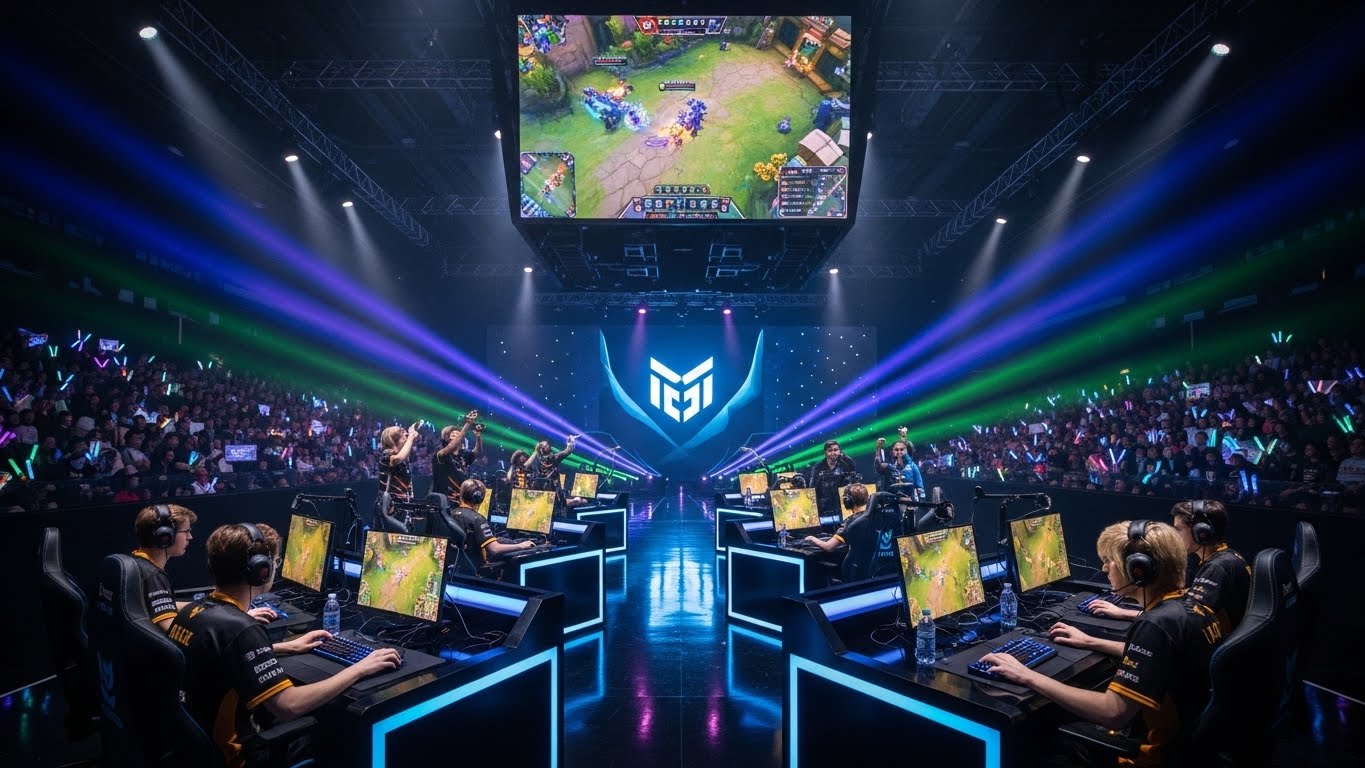
In the digital age, competition has transcended the boundaries of traditional sports and entered a new realm where skill, strategy, and reflexes determine champions in virtual arenas. This phenomenon is known as eSports, a form of competitive gaming that has transformed from a niche hobby into a global cultural and economic powerhouse. eSports now attracts millions of fans worldwide, boasts multimillion-dollar prize pools, and has created career opportunities comparable to traditional professional sports.
The rise of eSports reflects not just technological progress but also a shift in societal values, where digital skill, teamwork, and strategic thinking are celebrated as highly as physical prowess. Understanding eSports requires a closer look at its origins, evolution, technology, professional structure, cultural impact, and future potential.
The Origins of Competitive Gaming
The history of eSports traces back to the early days of video games. In the 1970s, games like Pong and Spacewar! introduced competitive elements that captivated players. The first known organized competition occurred in 1972 at Stanford University, where students competed in Spacewar! for a subscription to a science magazine. While modest, this event marked the beginning of organized gaming as a competitive pursuit.
The 1980s saw the arcade boom, with games like Pac-Man, Donkey Kong, and Space Invaders becoming global sensations. Arcades provided a social environment where players could compete for high scores, with public leaderboards fostering friendly rivalries. These interactions cultivated the competitive culture that would later evolve into eSports.
The 1990s brought the advent of online multiplayer gaming, enabling players from across the globe to compete in real-time. Games such as Quake, Doom, and StarCraft paved the way for organized leagues and tournaments. South Korea emerged as a leader in competitive gaming due to its robust internet infrastructure and enthusiastic player base. By the early 2000s, televised competitions, sponsorships, and professional teams had become established, setting the stage for eSports to become a global phenomenon.
The Professionalization of eSports
As competitive gaming gained popularity, it evolved into a professional industry. Developers began designing games specifically for competitive play, emphasizing skill, strategy, and teamwork. Titles such as League of Legends, Dota 2, Counter-Strike: Global Offensive, and Overwatch became central to the professional scene.
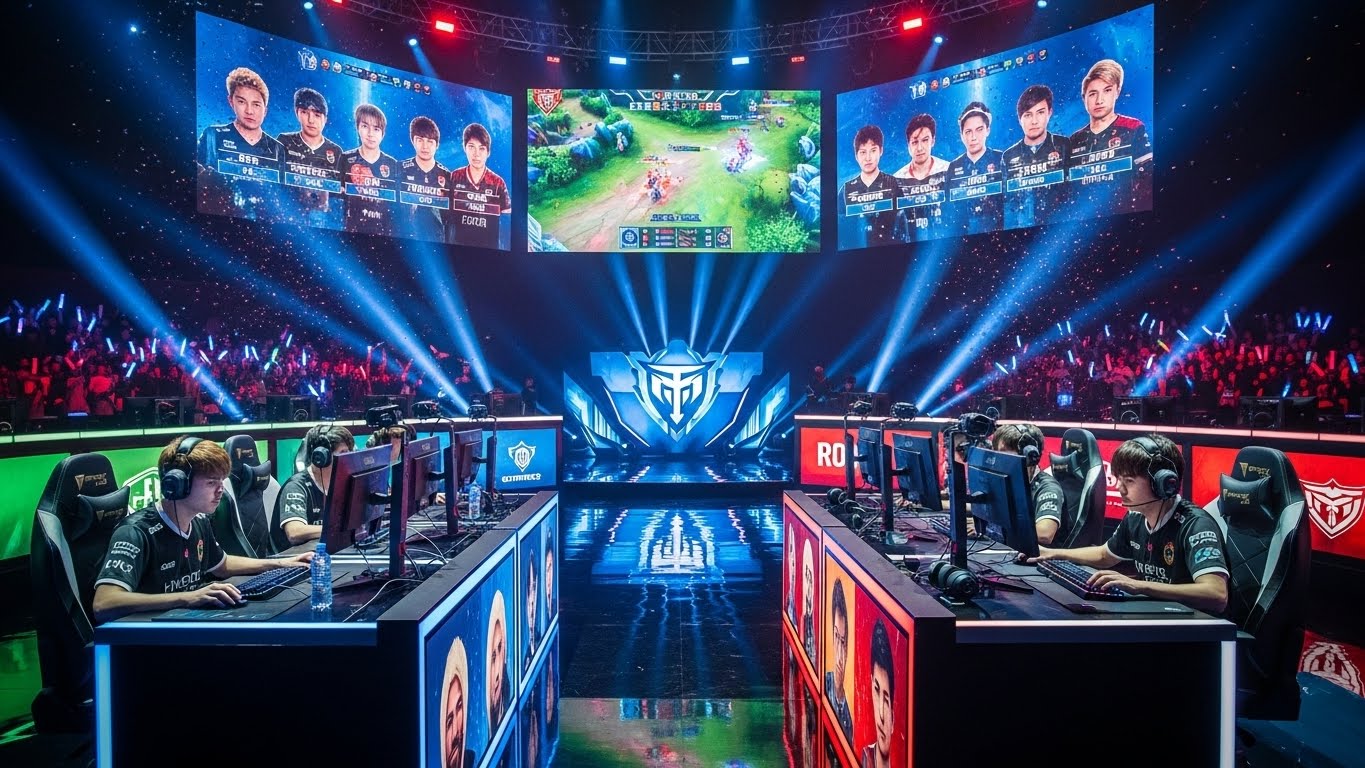
Professional players now train like traditional athletes. Their routines include extensive practice, strategic analysis, physical conditioning, and mental training. Teams employ coaches, analysts, nutritionists, and psychologists to optimize performance. Major tournaments rival traditional sporting events in production quality, audience engagement, and prize money.
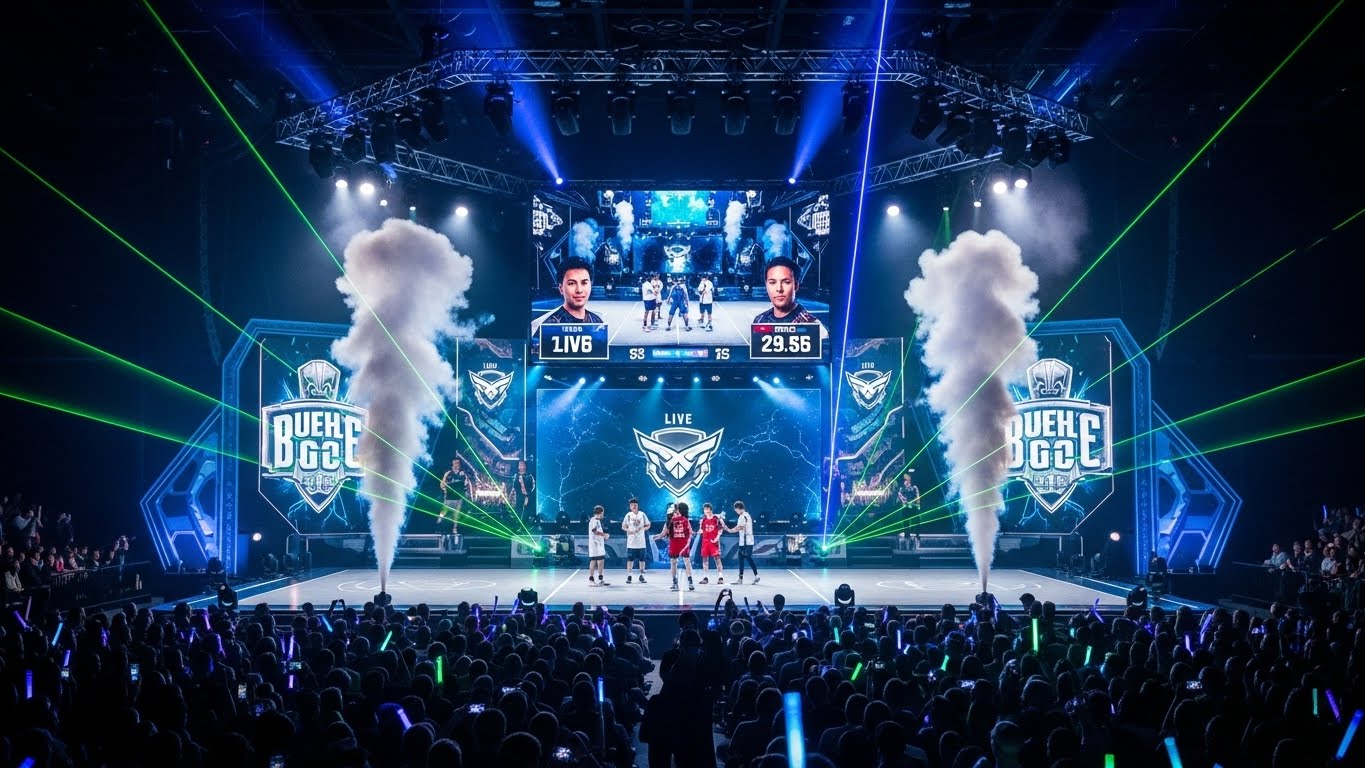
The International, Dota 2’s annual championship, regularly features prize pools exceeding tens of millions of dollars. Similarly, the League of Legends World Championship draws millions of viewers worldwide. Professional organizations such as T1, Cloud9, Fnatic, and Team Liquid operate as fully developed businesses, managing players, sponsorships, merchandising, and global branding.
The Structure of the eSports Ecosystem
The eSports industry is a complex ecosystem comprising game developers, players, teams, event organizers, sponsors, and fans.
- Game Developers and Publishers: They create competitive games and maintain balance, updates, and support for professional play. The success of titles like League of Legends and Dota 2 depends heavily on developer support.
- Teams and Players: Professional teams recruit top talent and provide structured training, coaching, and career management. Players focus on refining skills, developing teamwork, and executing strategies in high-pressure environments.
- Tournaments and Leagues: Organized competitions determine rankings, distribute prize money, and provide entertainment. Leagues often operate similarly to traditional sports with regular seasons, playoffs, and finals.
- Streaming Platforms: Platforms such as Twitch and YouTube Gaming allow fans to watch live events, interact with players, and participate in community discussions. Streaming has become a primary way for audiences to engage with eSports.
- Sponsors and Brands: Companies recognize the marketing potential of eSports and invest in sponsorships, advertising, and event partnerships. This funding supports teams, tournaments, and infrastructure, driving industry growth.
The Cultural Impact of eSports
eSports has become a cultural phenomenon, shaping entertainment, social interaction, and even education. Communities of fans and players connect through shared passion, forming networks that span continents. Online forums, streaming chats, and fan communities encourage collaboration, discussion, and social bonding.
The perception of gaming has shifted significantly. Professional gaming is now considered a legitimate career path, with schools and universities offering scholarships and programs focused on eSports management, broadcasting, and game design. Young players can aspire to become professional competitors or pursue related careers in coaching, content creation, or event management.
eSports has also influenced mainstream entertainment. In-game concerts, collaborations with artists, and cross-media events attract millions of viewers and merge gaming with broader pop culture. The cultural impact of eSports extends to music, fashion, and digital media, making it a defining feature of modern entertainment.
Technology: The Driving Force Behind eSports
The success of eSports is deeply tied to technological advancement. High-speed internet, powerful gaming hardware, and sophisticated broadcasting systems have transformed competitive gaming into a spectator-friendly industry.
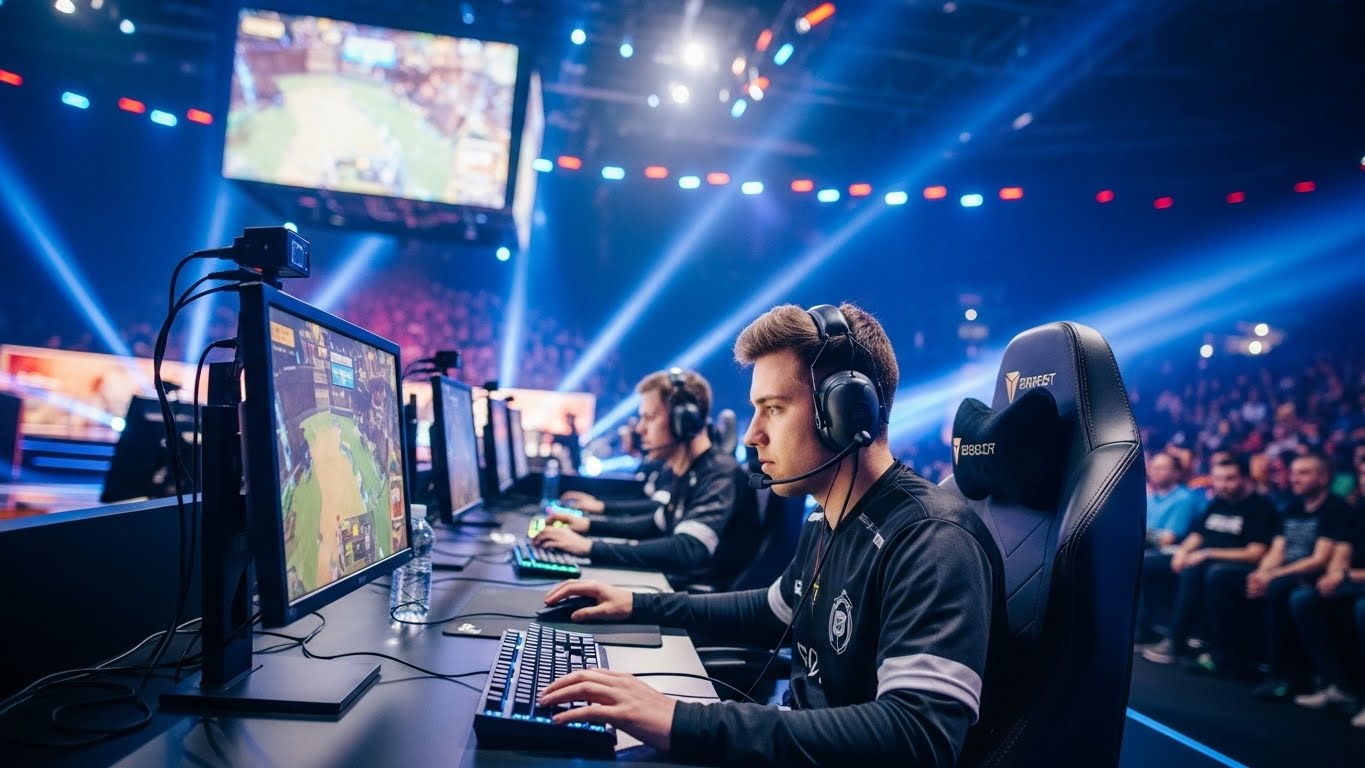
Hardware and Performance: High-refresh-rate monitors, precision peripherals, ergonomic chairs, and high-performance PCs ensure that professional players can compete at the highest level. Even milliseconds of delay can determine victory or defeat, making technology crucial.
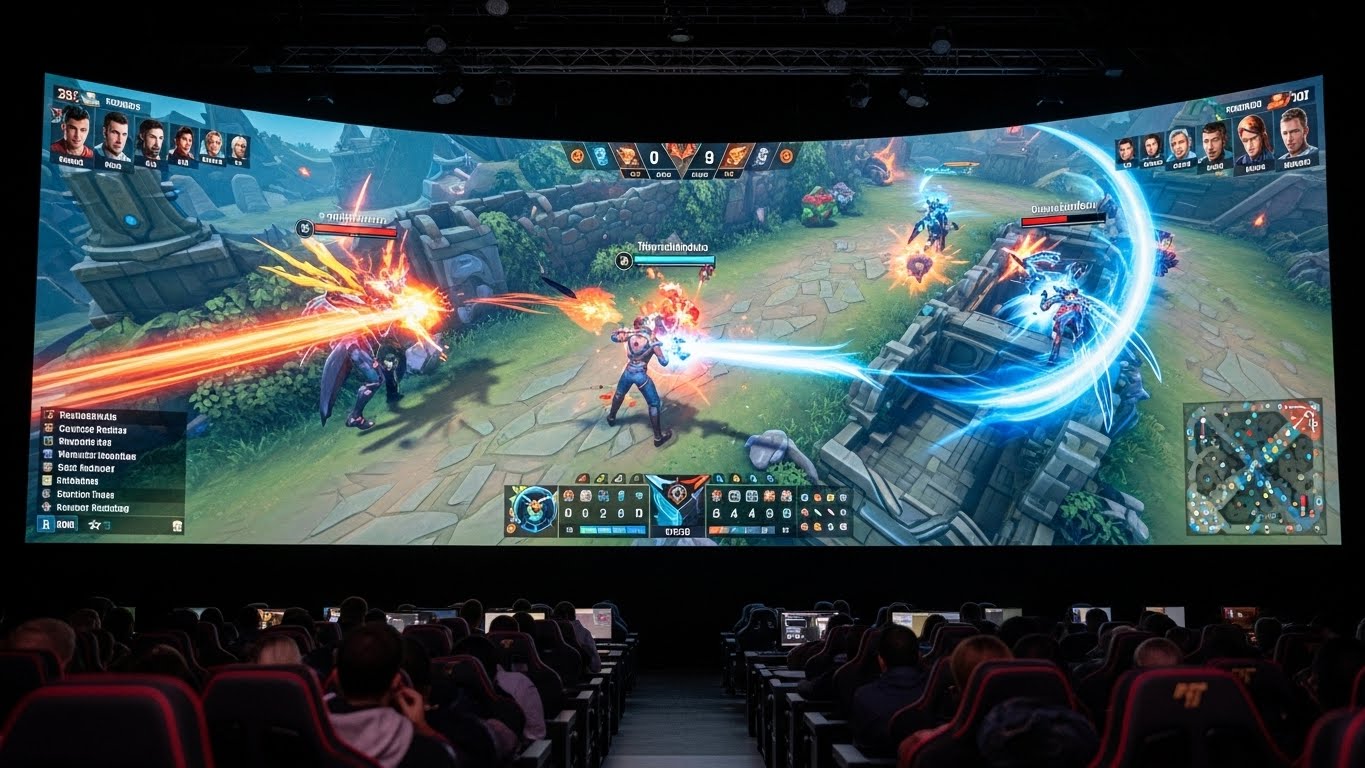
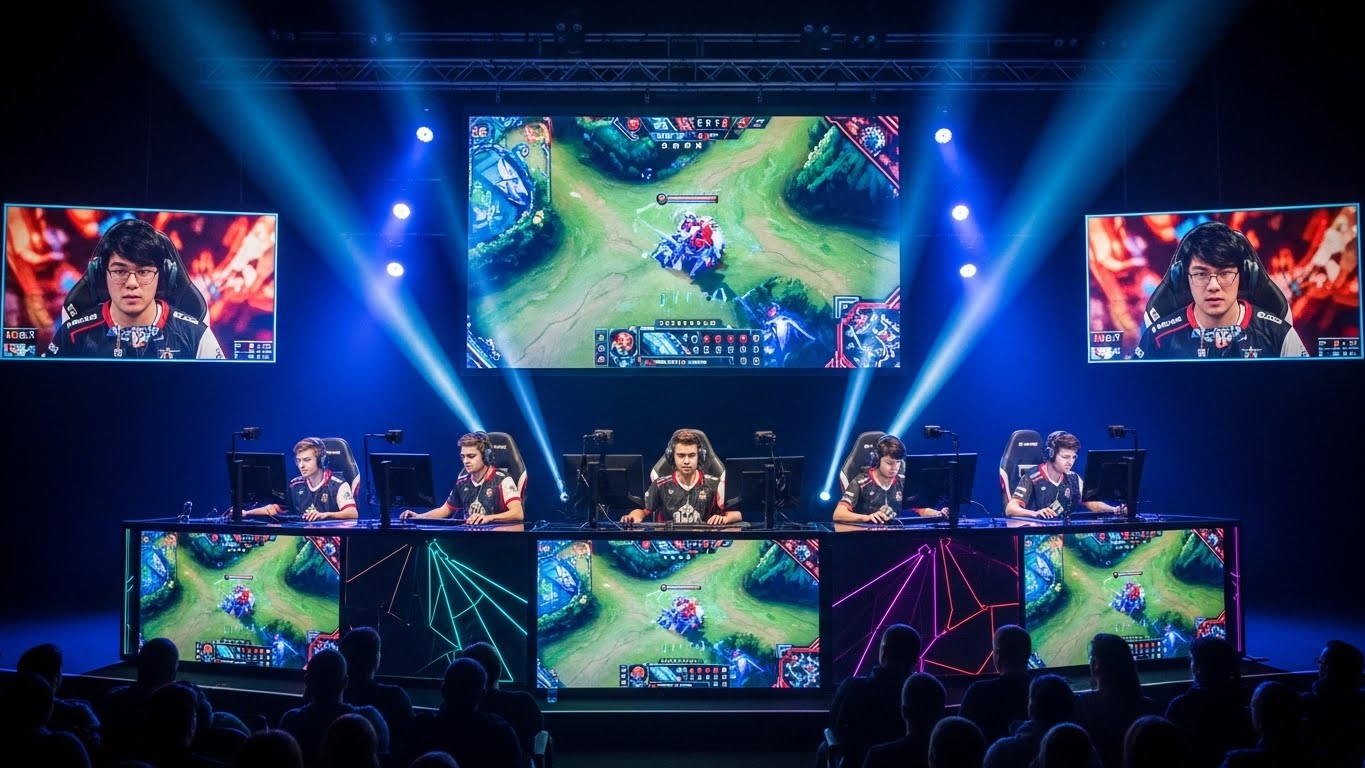
Streaming and Broadcasting: Streaming platforms allow audiences to watch live matches and interact with players. Production quality has increased with features such as multiple camera angles, instant replays, and augmented reality overlays, creating immersive experiences comparable to traditional sports broadcasts.
Data Analytics and Artificial Intelligence: Teams leverage AI and analytics to study gameplay patterns, develop strategies, and simulate matches. Data-driven approaches improve performance and strategy, elevating eSports to a level of complexity similar to traditional professional sports.
The Economics of eSports
The eSports industry generates billions of dollars annually, with revenue streams from tournaments, sponsorships, advertising, merchandise, ticket sales, and media rights. Brands invest heavily in eSports due to its ability to reach young, engaged audiences.
Professional players earn significant income from tournament winnings, streaming, and endorsements. Teams benefit from sponsorships, merchandise sales, and media deals. The economic impact extends to host cities for major events, boosting tourism, hospitality, and local businesses. Employment opportunities continue to grow across marketing, event management, software development, and broadcasting sectors.
Global Expansion of eSports
eSports has achieved a global presence, with different regions contributing uniquely to its growth. South Korea and China lead with professional leagues, extensive media coverage, and government recognition. In these countries, professional players are celebrated as cultural icons.
North America and Europe have developed structured leagues and franchised organizations, operating similarly to traditional sports teams. Emerging markets in South America, the Middle East, and Africa are rapidly developing competitive gaming communities, supported by improved internet infrastructure and young populations.
Accessibility is a key factor in eSports’ global growth. Unlike traditional sports, physical limitations are less significant, allowing anyone with a device and internet access to compete at some level.
Education and eSports
Educational institutions increasingly recognize eSports’ value as a tool for learning and career development. Schools and universities offer scholarships, programs, and degrees in eSports management, broadcasting, and game development. These programs teach students skills in teamwork, strategy, communication, and digital literacy, preparing them for professional careers.
Beyond playing professionally, students can pursue careers as coaches, event organizers, content creators, or software developers. Education ensures that the eSports industry continues to professionalize while creating opportunities for the next generation of digital athletes.
Challenges in the eSports Industry
Despite its growth, eSports faces several challenges:
Player Burnout: Intense training schedules, long hours of practice, and high competition pressure can lead to physical and mental exhaustion. Mental health support and wellness initiatives are increasingly vital.
Cheating and Fair Play: Online competition can be susceptible to cheating, hacking, and match-fixing. Developers and organizers invest in anti-cheat systems to maintain integrity.
Gender Inequality: Female gamers remain underrepresented and often face discrimination or harassment. Initiatives promoting inclusivity and women-specific leagues are helping, but there is more progress to be made.
Financial Sustainability: While top-tier teams thrive, smaller organizations struggle to maintain operations. Developing a sustainable ecosystem is essential for long-term growth.
Media, Streaming, and Community Engagement
Streaming platforms have transformed how fans consume eSports. Live matches, interactive commentary, and social engagement allow audiences to connect directly with players and events. Social media amplifies content, allowing highlights, discussions, and fan interaction to reach millions quickly.
Content creators and influencers play an important role in growing eSports audiences. They provide commentary, entertainment, and educational content, making eSports accessible to a broader demographic and contributing to its cultural significance.
The Future of eSports
The future of eSports is promising, with technological innovation and cultural growth shaping new possibilities. Virtual reality, augmented reality, and cloud gaming will create new competitive experiences. Artificial intelligence will enhance training, strategy, and viewer engagement.
Traditional sports organizations are investing in eSports franchises, recognizing overlapping audiences and marketing potential. There is even potential for eSports to become integrated into major global sporting events, further legitimizing the industry.
As eSports continues to grow, it will remain a platform for creativity, collaboration, and global connectivity, influencing culture, education, and technology worldwide.
Social Impact and Global Communities
At its core, eSports is about community. Online platforms, local tournaments, and international events connect players, fans, and creators. This fosters collaboration, camaraderie, and shared experiences across cultures.
eSports also contributes positively to society through charity events, awareness campaigns, and community initiatives. Its inclusive nature helps bridge social and cultural divides, providing a space where talent, skill, and creativity are celebrated globally.
Conclusion
eSports has grown from modest beginnings in arcades and dorm rooms to a professional, cultural, and economic powerhouse. It has redefined competition, celebrated digital skill, and created global communities united by passion.
The industry combines technology, entertainment, strategy, and creativity, demonstrating that competition can thrive in the digital space. eSports is not merely a form of entertainment; it is a cultural movement, a career path, and a global phenomenon shaping the future of competitive entertainment.
What began as a pastime for a few enthusiasts has become a worldwide stage where digital champions showcase their skill, strategy, and resilience. The rise of eSports proves that the future of competition is not limited to physical arenas—it exists wherever talent meets technology.