 hubvault77
Esports has revolutionized the way we perceive competition, entertainment, and technology. As professional gaming continues to grow, so does the desire to create immersive, interactive, and unforgettable experiences for fans. One of the most groundbreaking tools helping esports achieve this is Augmented Reality (AR).
AR has rapidly become a central feature in esports broadcasting, live events, and fan engagement strategies. It bridges the gap between the digital and physical worlds, bringing characters, stats, and game worlds to life in ways that traditional displays never could. Whether it’s turning a stage into a living battlefield or enhancing live broadcasts with dynamic visual effects, AR is reshaping how fans watch, understand, and connect with esports.
This article explores how esports uses AR to create better fan experiences — from live tournaments and virtual stages to interactive viewing and community engagement — and how this technology is shaping the future of competitive gaming.
Understanding AR in the Context of Esports
Augmented Reality (AR) is a technology that overlays digital information or graphics onto the real world in real time. Unlike Virtual Reality (VR), which creates a fully digital environment, AR enhances the viewer’s physical surroundings by blending digital visuals with them.
In esports, AR allows fans to see in-game elements — such as maps, characters, statistics, or items — projected onto real-world environments during live broadcasts or in-person events. This creates a more engaging and visually rich way to understand what’s happening in the game.
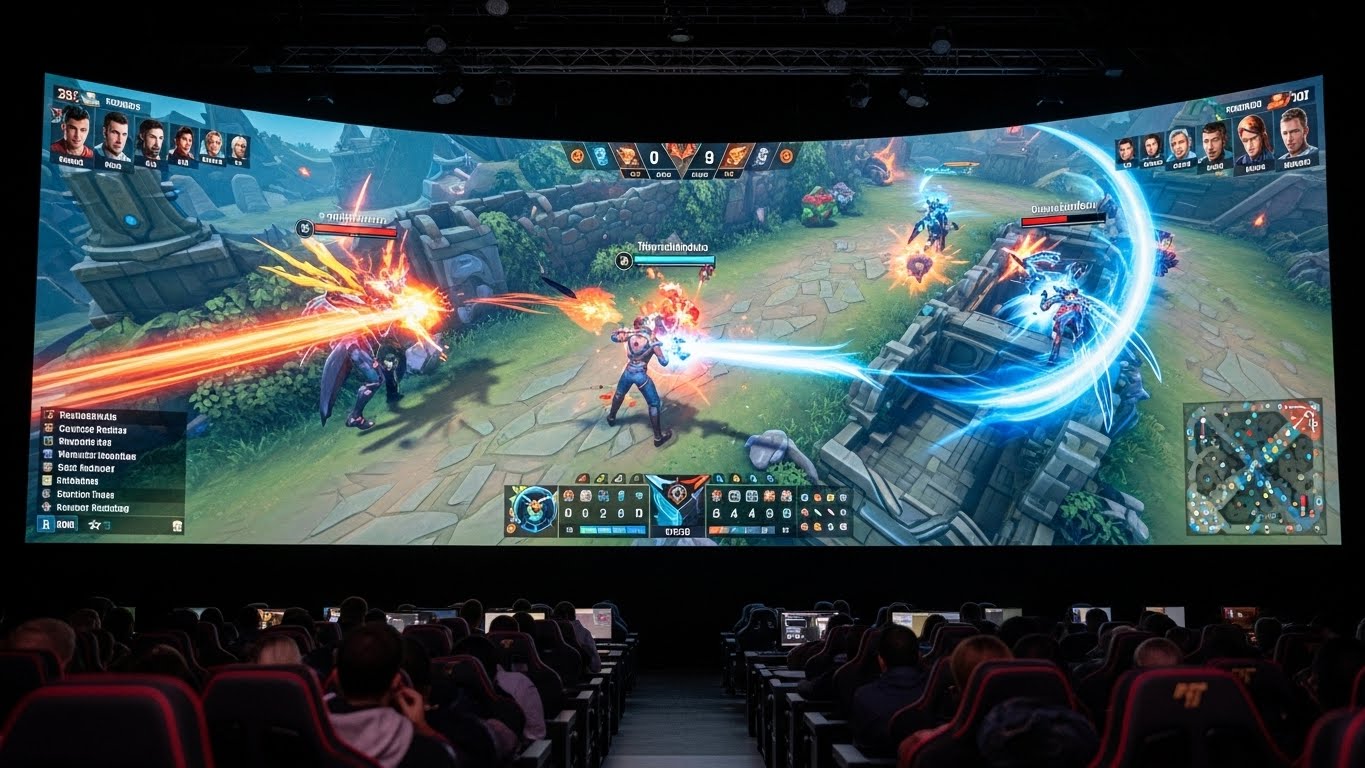
AR is especially powerful in esports because of its ability to visualize complex gameplay. Games like League of Legends, Dota 2, and Overwatch involve dozens of moving parts, from character abilities to team formations. AR makes it easier for fans to follow these intricate details by bringing them to life through vivid, three-dimensional effects that enhance comprehension and excitement.
The Rise of AR in Esports Broadcasting
Esports broadcasting has always been about innovation. From the early days of simple live streams to today’s highly produced tournaments with cinematic production, the goal has always been the same — to make the experience as entertaining and immersive as possible.
AR became a major leap forward in this pursuit. It allowed broadcasters to move beyond flat camera angles and static overlays, offering interactive and visually stunning presentations that rival traditional sports productions.
One of the earliest and most memorable uses of AR in esports came from large-scale tournaments, where stages were transformed into living extensions of the game world. Instead of just watching gameplay on a screen, audiences could see virtual creatures, spells, or effects materialize around the players in real-time.
For instance, a dragon from a game could appear to fly over the stage, or a player’s avatar might be projected beside them as they make a key play. These experiences not only amaze the live audience but also create unforgettable visuals for viewers watching at home.
Enhancing Live Event Experiences
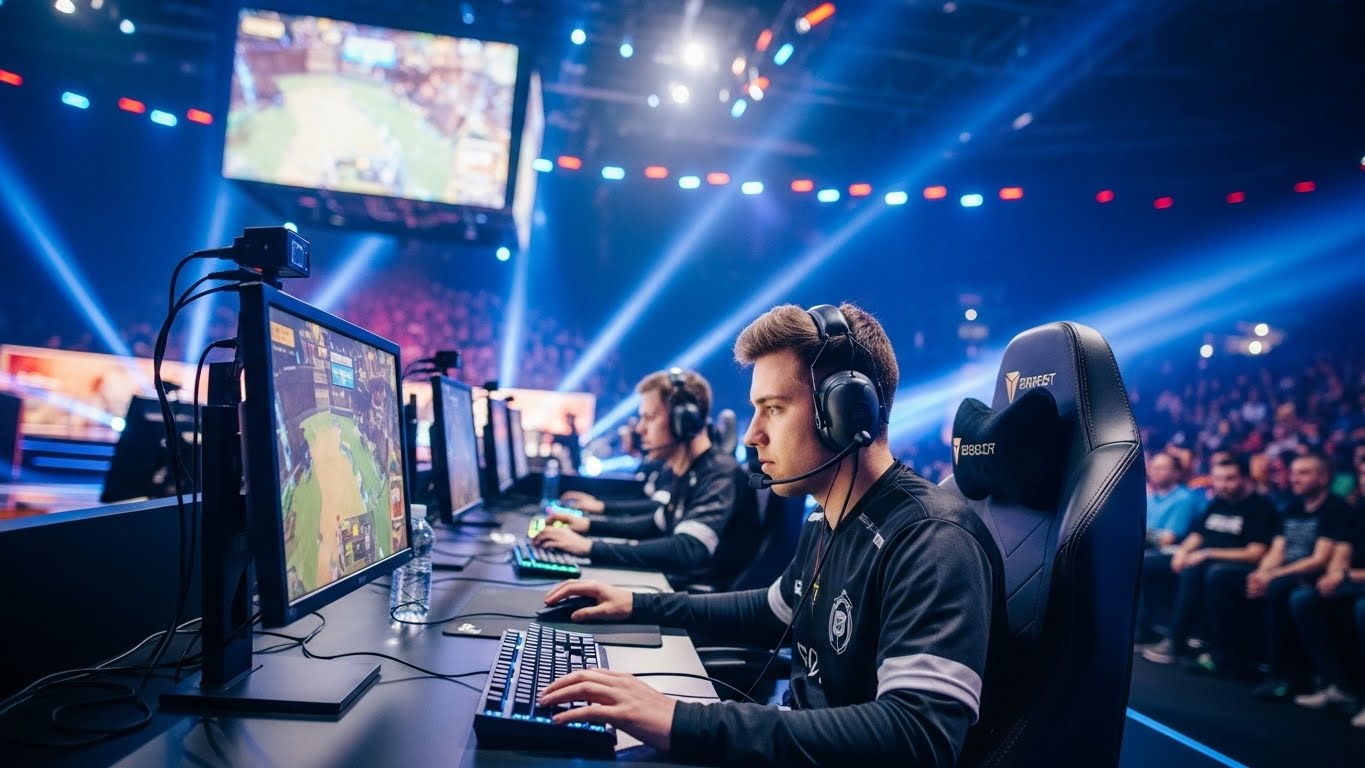
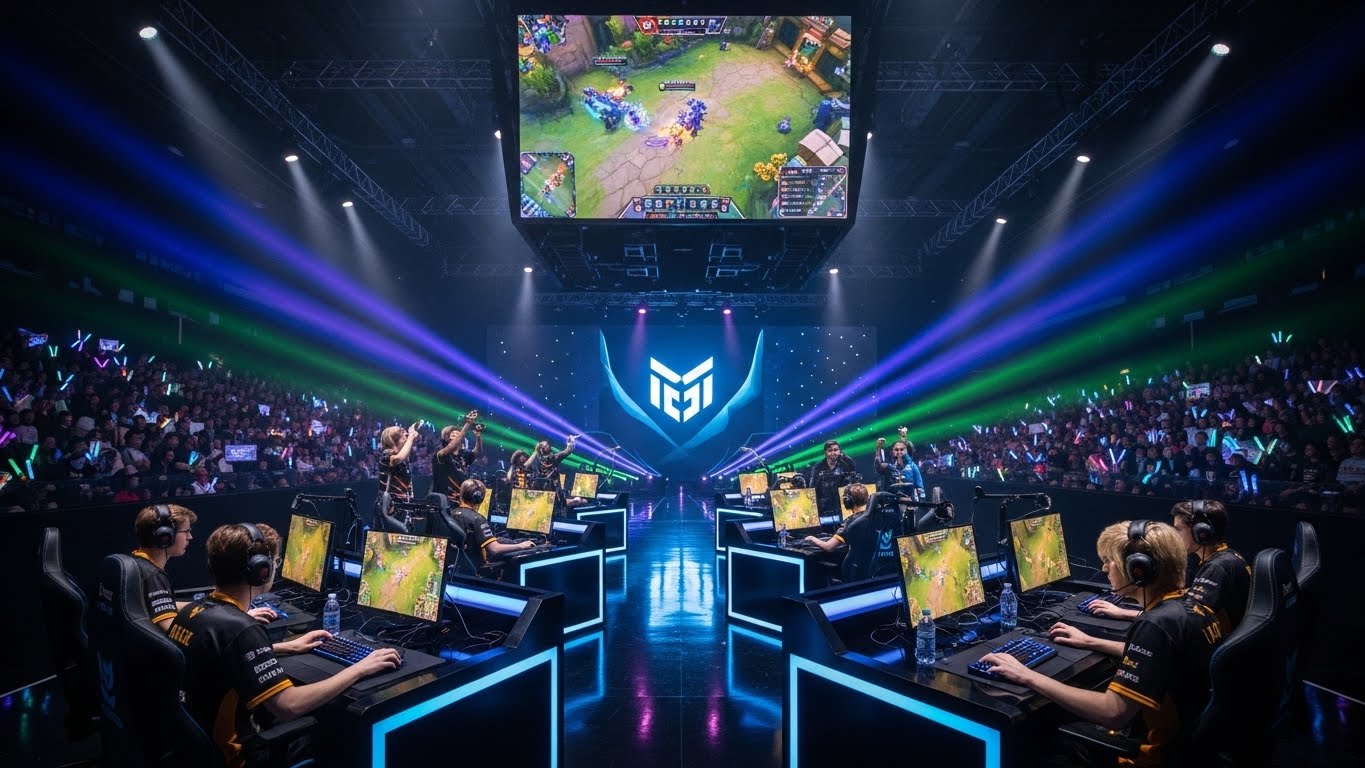
Live esports events have always been about more than just watching competition — they are celebrations of gaming culture. AR has become a crucial tool in elevating these experiences by transforming arenas into dynamic visual environments.
When fans enter a venue, AR can create immersive pre-show experiences, allowing them to interact with virtual characters or explore digital worlds through their smartphones or event apps. During matches, massive screens and AR projections make every play feel larger than life.
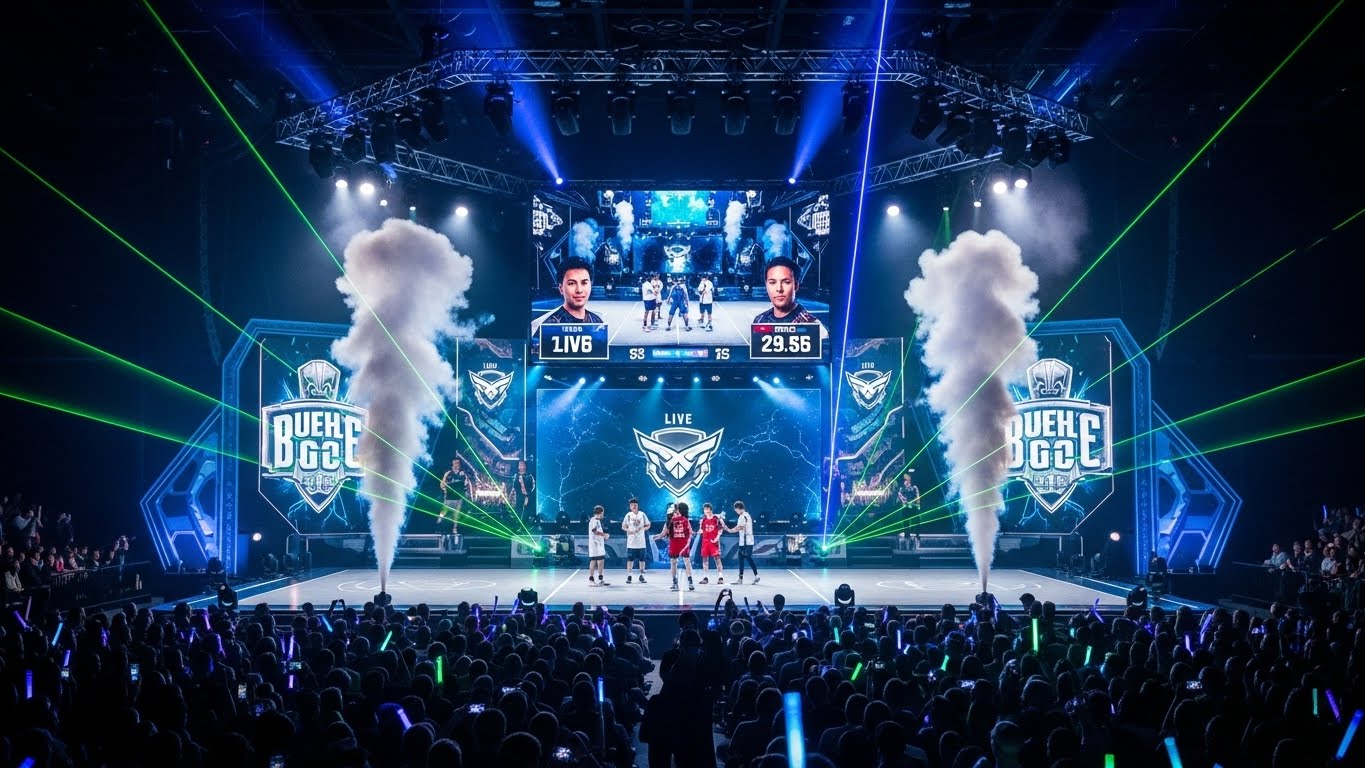
Imagine attending a League of Legends World Championship and seeing a massive dragon appear over the stage when it spawns in the game, or watching holographic versions of champions walk across the stage before the finals begin. These are no longer ideas from science fiction — they’re part of the real esports experience.
AR also helps audiences understand the game better. Complex data, player stats, and map information can be projected in real time, allowing even casual fans to grasp the flow of the match. This blend of entertainment and education keeps audiences engaged while elevating the event’s spectacle.
Immersive Storytelling Through AR
Storytelling is at the heart of every great esports event, and AR has become a vital storytelling tool. It gives producers the power to create narratives that visually connect the audience with the digital action happening in the game.
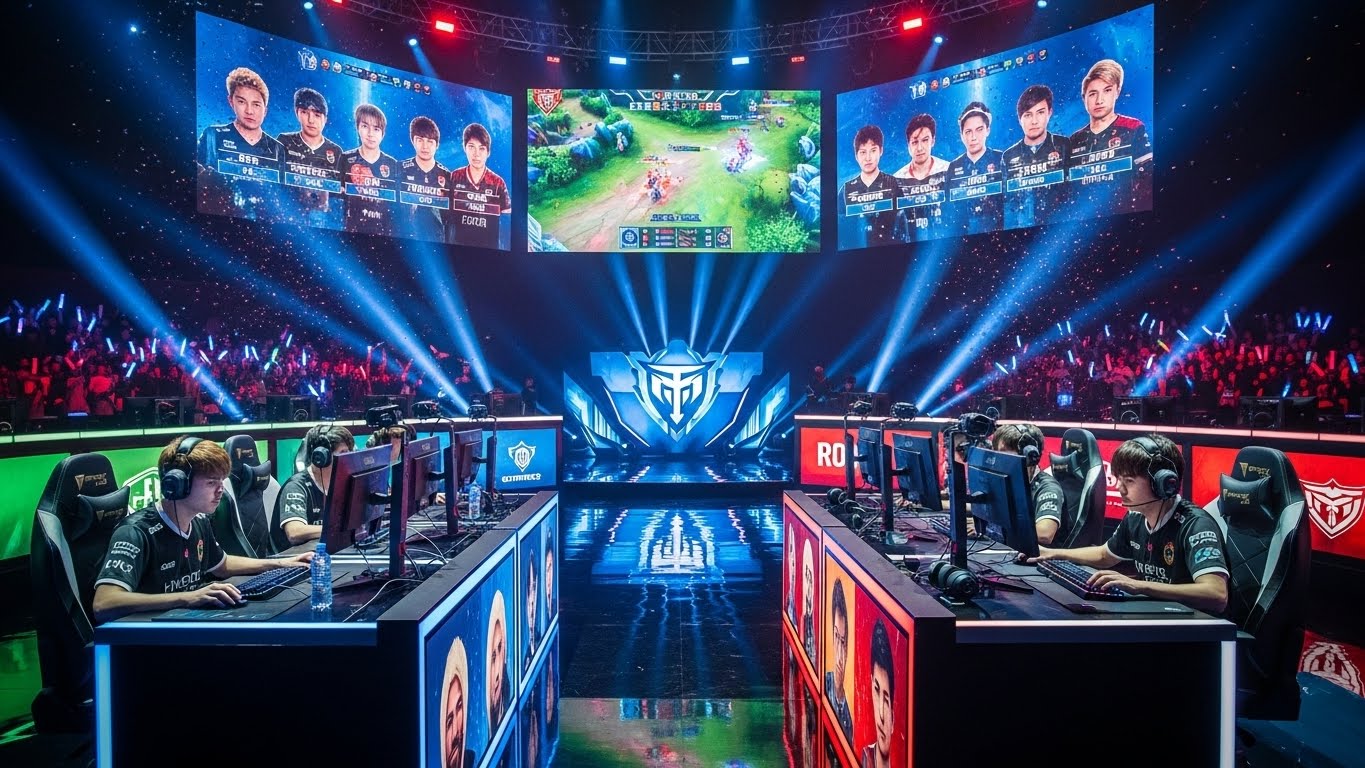
For example, before a big final, AR can be used to introduce the teams in spectacular ways. Each player might appear alongside a virtual version of their in-game character, with animations showing their preferred abilities or weapons. This not only hypes up the match but also visually reinforces the connection between the players and their digital avatars.
AR is also used in highlight reels and replays, transforming flat recaps into cinematic moments. Instead of just replaying a kill or a clutch play, AR can recreate the scene in three dimensions, allowing commentators to break down strategies and movements visually.
Through these visual enhancements, AR helps esports broadcasts feel more like live storytelling experiences than just competitive matches. Fans aren’t just watching a game — they’re being taken on a journey that connects the real and virtual worlds.
Data Visualization and Real-Time Insights
One of the most significant challenges in esports broadcasting is helping audiences make sense of complex in-game data. Competitive games generate massive amounts of information — player stats, item builds, map control, team economy, and more. Without proper visualization, this data can overwhelm or confuse viewers.
AR solves this problem elegantly. By overlaying statistics and visual cues directly into the broadcast, fans can instantly understand the significance of certain plays or strategies.
For instance, AR graphics can show a team’s map control percentage projected across a 3D model of the battlefield, or it can display a character’s power level in real-time as they gain advantages. Instead of commentators explaining every detail verbally, AR provides an instant visual representation that enhances comprehension.
This fusion of data and design creates a more informative and enjoyable experience for both hardcore fans and newcomers. It helps maintain viewer engagement by ensuring everyone can follow the action, no matter their familiarity with the game.
Bringing Fans Closer to the Action
AR technology doesn’t just enhance what fans see — it changes how they participate. Through mobile AR applications, viewers can now become part of the event from anywhere in the world.
For example, fans can use AR-enabled apps to project live match data onto their surroundings, view 3D replays on their tablet, or even place virtual esports characters in their living room during major events. This interactive element makes fans feel directly connected to the competition, breaking down barriers between physical and digital spaces.
At live venues, AR can also be used for fan interactions. Spectators might scan QR codes to summon AR characters, unlock exclusive animations, or take selfies with virtual team mascots. This type of engagement transforms passive spectators into active participants, enriching the emotional connection between fans and the event.
The integration of AR-driven experiences ensures that esports is not just watched — it’s felt, experienced, and shared.
The Role of AR in Team Branding and Sponsorships
Esports organizations are increasingly using AR to build their brands and connect with fans on a deeper level. Teams create AR filters, virtual mascots, and interactive promotional materials that let fans engage with their favorite brands in fun and creative ways.
Sponsors have also recognized AR as a powerful tool for immersive advertising. Instead of relying on static logos or banners, AR allows brands to create dynamic activations — such as holographic product displays, interactive game-themed ads, or virtual giveaways.
This enhances the fan experience while providing measurable engagement for sponsors. It’s a win-win scenario: fans enjoy creative content, and organizations and partners benefit from innovative exposure.
How AR Improves Education and Coaching in Esports
Beyond entertainment, AR is also making its mark in player training and coaching. AR visualization tools allow teams to review matches from new perspectives, replay critical moments in 3D, and analyze positioning and strategy in greater detail.
For example, a coach could use AR to overlay tactical data onto a map, demonstrating how different movements could have changed the outcome of a game. Players can use AR-assisted simulations to visualize opponent strategies, making training sessions more interactive and effective.
This use of AR extends beyond professional play. Content creators and analysts use similar tools to explain gameplay to audiences, creating educational content that helps fans better understand the complexities of esports titles.
AR and the Evolution of Virtual Esports Arenas
One of the most fascinating developments in esports is the emergence of virtual arenas powered by AR technology. These hybrid environments blend physical and digital design, allowing fans to experience the best of both worlds.
For instance, tournament organizers can project entire game maps or worlds onto real stages, transforming the environment in real time. The result is a spectacle that makes audiences feel as though they are inside the game itself.
This concept was famously demonstrated in several global tournaments, where AR elements interacted directly with players’ movements and actions. Fire, lightning, explosions, and virtual landscapes appeared to react to gameplay events, creating an unforgettable theatrical experience.
In the future, these hybrid arenas may expand into audience-driven experiences, where fans use AR headsets or mobile devices to view customized perspectives, statistics, or even hidden in-game elements not visible on the main broadcast.
Social and Community Interaction through AR
Esports thrives on community, and AR has opened new ways for fans to connect with each other. Interactive AR experiences allow fans to collaborate during events, unlock shared achievements, or engage in collective games before matches begin.
On social media, AR filters themed around teams, tournaments, or famous players allow fans to express their support creatively. These small yet impactful interactions build excitement around events and make fans feel more involved in the esports ecosystem.
AR is also used to bridge online and offline communities. For example, fans attending a live event might use AR to leave digital graffiti, cheer messages, or fan art around the venue, which can then be viewed by others through their devices. This blending of digital creativity and fan enthusiasm fosters a deeper sense of community.
Challenges of Implementing AR in Esports
While AR brings immense potential to esports, it also comes with challenges. Producing high-quality AR content requires sophisticated technology, skilled designers, and significant investment. Synchronizing virtual elements with real-time gameplay can be technically demanding, and not all venues or broadcasters have the infrastructure to support it.
There are also creative challenges. AR needs to enhance the viewing experience without distracting from the core gameplay. Striking the right balance between visual spectacle and clarity is essential. Overusing AR effects can confuse viewers, while underusing it can make the broadcast feel static.
Despite these hurdles, ongoing technological advancements are making AR more accessible. As hardware improves and software becomes more efficient, the integration of AR into esports will only become smoother and more widespread.
The Future of AR in Esports
The future of AR in esports looks incredibly promising. As the technology becomes more advanced and affordable, we can expect even more creative and personalized fan experiences.
Future AR integration may include real-time customization for viewers, allowing them to choose which stats, perspectives, or effects they see during a match. Fans might use AR glasses to view live data overlaid on the stage or even interact with holographic representations of players and teams.
In virtual spaces, AR will continue to blend with AI and VR, creating hybrid viewing experiences where digital and physical worlds merge seamlessly. Imagine attending an esports event in your living room, where holographic players compete in front of you, and live commentary and crowd reactions fill your space.
These innovations will not only redefine how fans experience esports but also expand the reach of tournaments to global audiences, removing the limitations of geography and accessibility.
Why AR Matters to the Esports Industry
AR is more than a technological trend — it’s a storytelling and engagement revolution. It transforms passive viewing into active participation, turning every match into an event that feels alive.
For fans, AR brings games closer than ever, making the virtual worlds they love tangible and interactive. For players, it creates opportunities for richer expression and recognition. For broadcasters and sponsors, it opens new creative and commercial possibilities.
Ultimately, AR captures the essence of esports — the fusion of technology, creativity, and human passion. It represents how far the industry has come and how much further it can go.
Conclusion
Esports has always been about innovation, and AR represents one of its most exciting frontiers. By merging the virtual and physical worlds, AR enhances every aspect of the fan experience — from live arenas and broadcasts to social media and interactive applications.
It helps fans see more, feel more, and understand more. It transforms matches into performances and data into art. It gives esports an edge that traditional sports can only dream of — limitless creativity and connection.
As AR technology continues to evolve, its role in esports will only deepen. Fans will not just watch esports; they will live it, interact with it, and become part of the action like never before.
Augmented Reality is not the future of esports broadcasting — it is the present, defining how the world experiences the thrill of competition in ways that were once impossible.