 hubvault77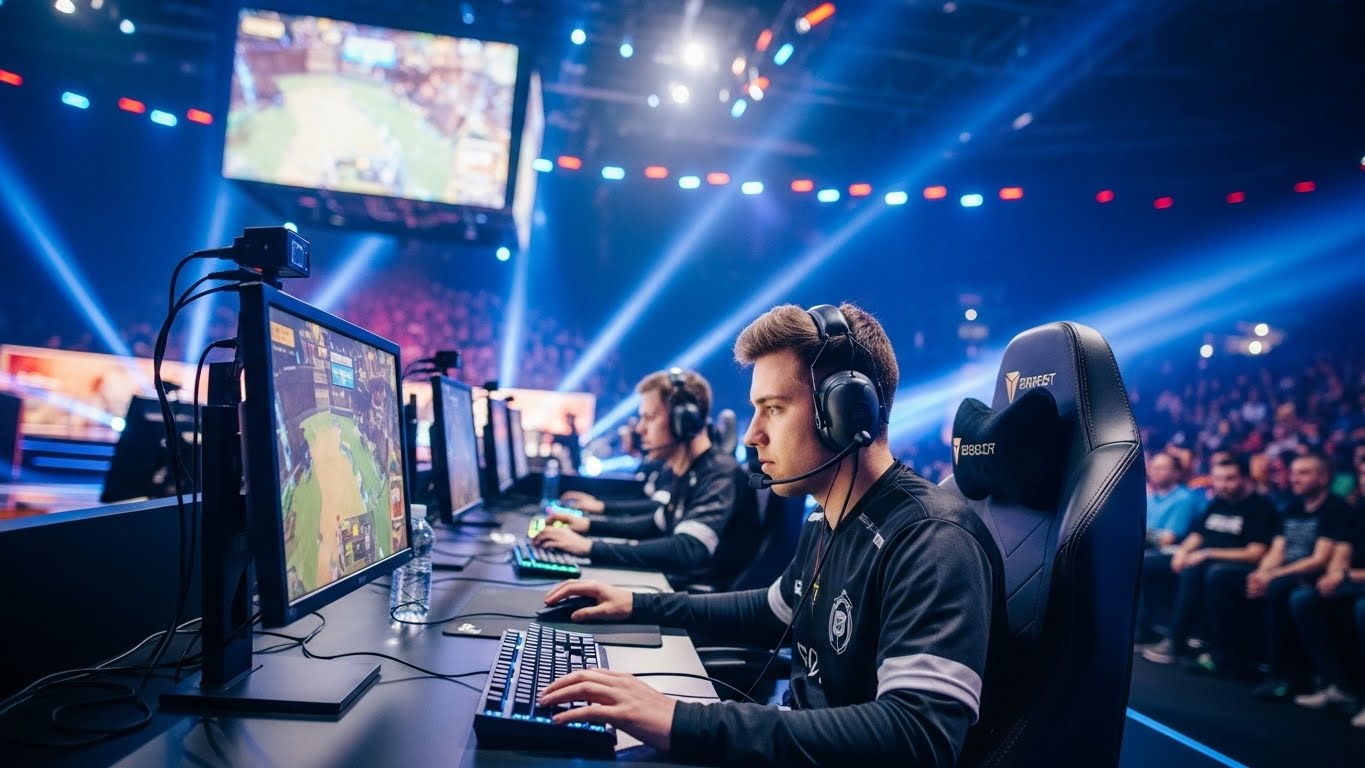
Esports has rapidly evolved from a niche pastime to a mainstream global phenomenon. What began as casual gaming among friends has grown into an industry that generates billions of dollars annually, attracts millions of viewers, and offers viable career opportunities. Competitive gaming, once considered a hobby, now commands professional players, international tournaments, and large-scale audiences that rival traditional sports. This blog explores the rise of esports, its impact on culture, careers, and technology, and the future potential of this dynamic industry.
The Origins and Evolution of Esports
The roots of esports trace back to the 1970s and 1980s, when arcade competitions and early video game tournaments first appeared. Games like Space Invaders, Pac-Man, and early PC titles introduced players to competitive gaming, but the concept remained largely recreational. The true evolution of esports began in the 1990s with the rise of games like StarCraft, Quake, and Counter-Strike. These games required skill, strategy, and teamwork, attracting dedicated communities and setting the stage for professional competition.
The advent of high-speed internet and online multiplayer platforms transformed competitive gaming. Players could now compete across cities, countries, and continents, while fans could watch matches in real time. This shift allowed esports to grow beyond small communities and laid the groundwork for professional leagues, sponsorships, and international tournaments. Today, esports has a highly structured ecosystem with professional teams, coaching staff, event organizers, and global fanbases.
Popular Esports Genres and Competitive Games
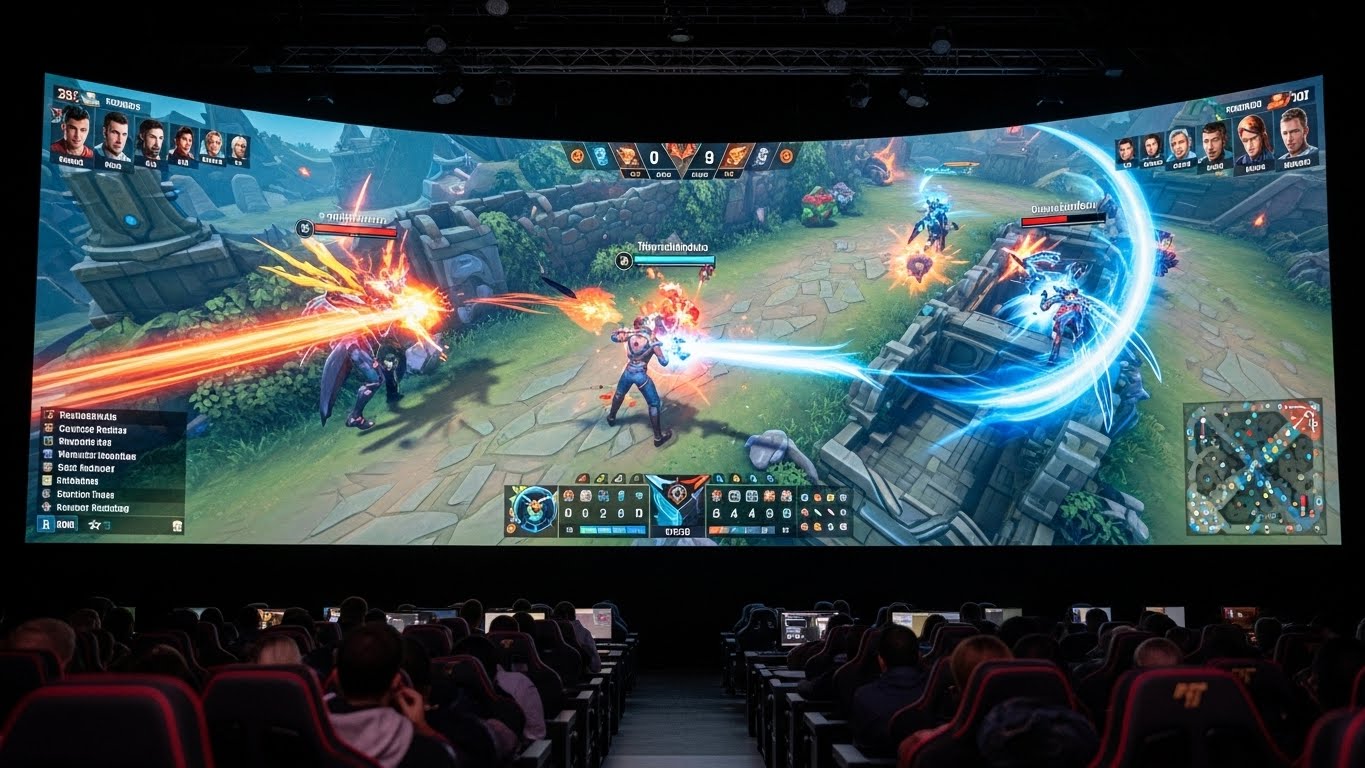
Esports encompasses multiple game genres, each with its own competitive scene and fan following. Multiplayer online battle arena (MOBA) games, such as League of Legends and Dota 2, are among the most prominent. These games involve complex team strategies, real-time decision-making, and high levels of coordination. MOBA tournaments frequently feature enormous prize pools, drawing players and fans from around the world.
First-person shooters (FPS) like Counter-Strike: Global Offensive, Valorant, and Call of Duty focus on precision, quick reflexes, and tactical execution. FPS competitions often highlight individual skill as well as team synergy, creating intense and engaging matches for spectators.
Other genres, including fighting games, sports simulations, and battle royale titles such as Fortnite and Apex Legends, also boast dedicated esports scenes. The diversity of genres ensures that esports appeals to a wide range of players and viewers, fostering communities with unique cultures and shared interests.
The Rise of Professional Esports Athletes
Professional esports players have become modern-day athletes, dedicating countless hours to training, strategy, and skill development. Unlike casual gamers, professional players follow strict routines, including practice schedules, team coordination sessions, and physical fitness regimens. Their performance is evaluated on reaction time, decision-making, teamwork, and adaptability.
Esports athletes earn salaries, sponsorships, and tournament winnings, sometimes reaching figures comparable to traditional sports professionals. Top players also monetize their popularity through streaming, merchandise, and social media presence. Organizations invest in coaching, mental health support, nutrition, and career planning to ensure players remain competitive and healthy. This professionalization demonstrates that esports is not merely recreational; it is a legitimate career path with long-term prospects.
Global Tournaments and Spectator Culture
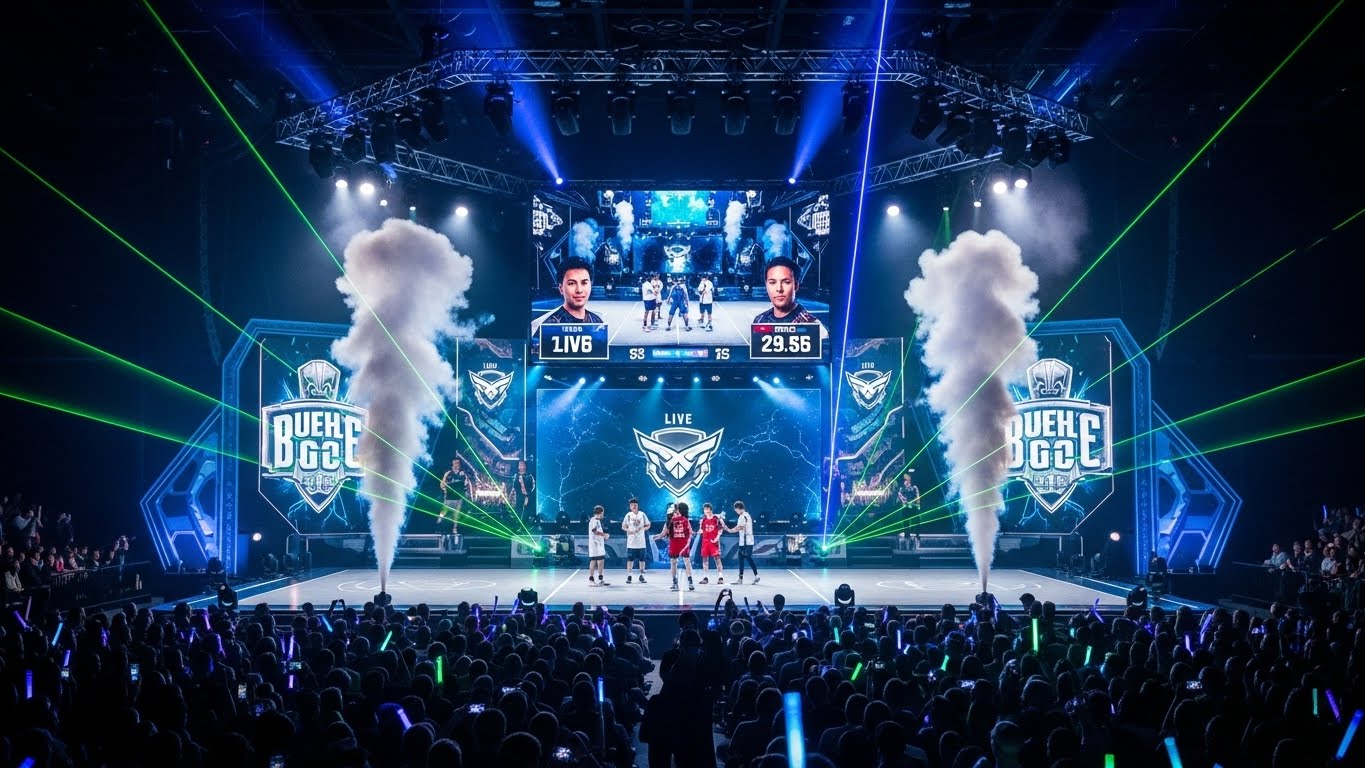
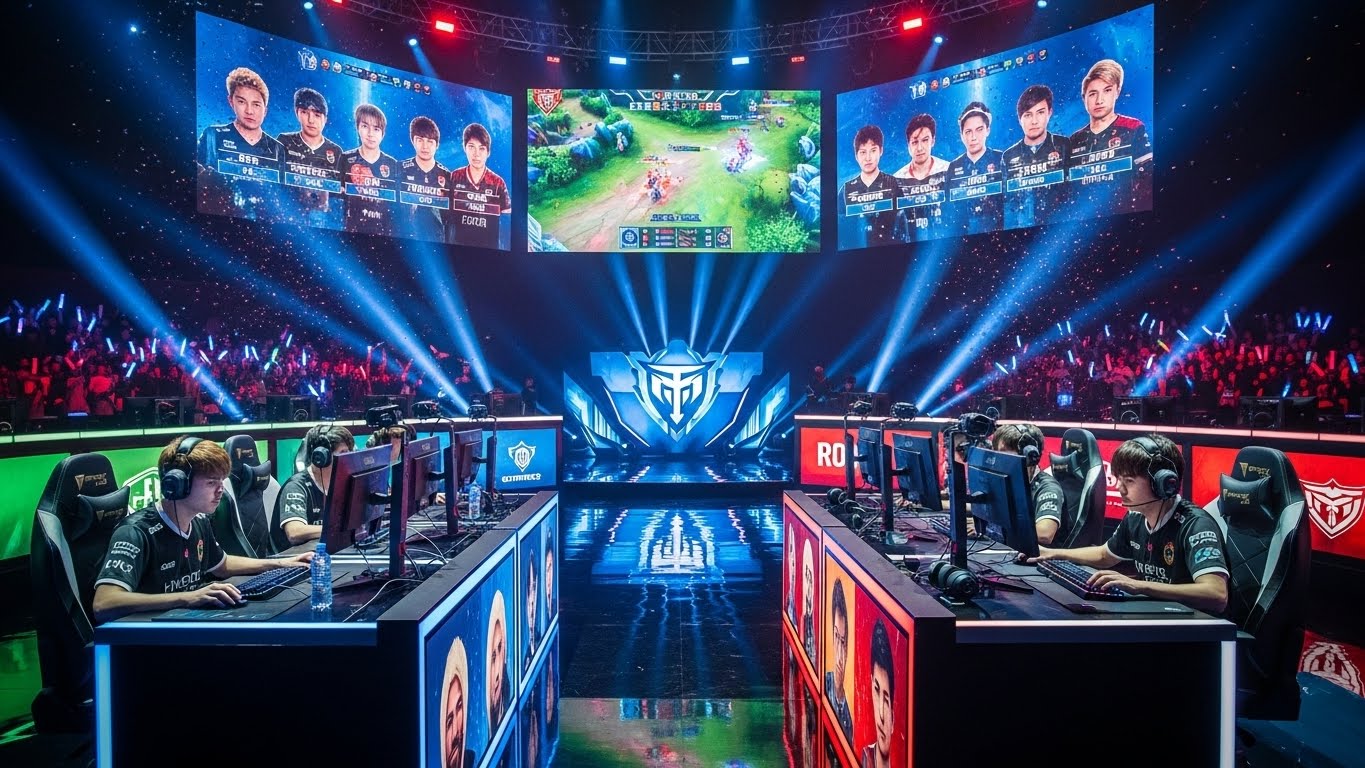
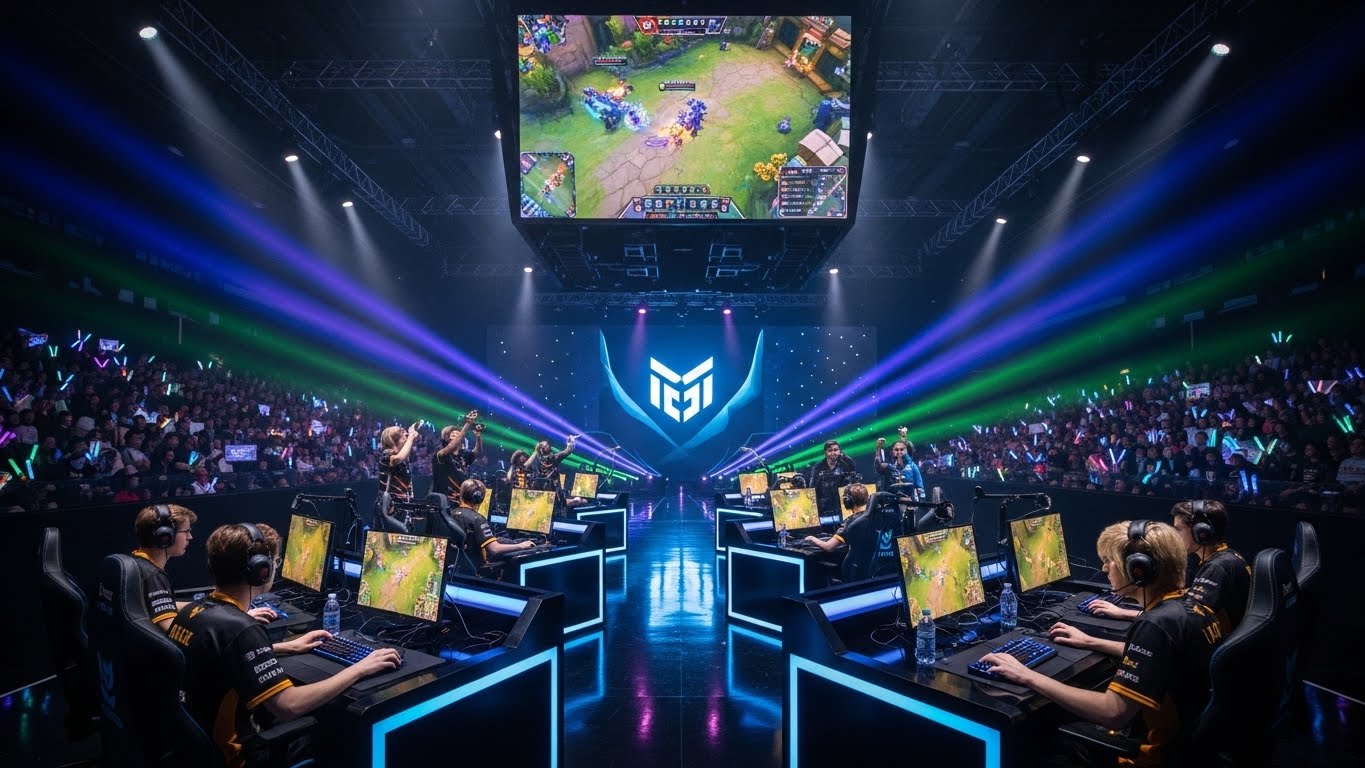
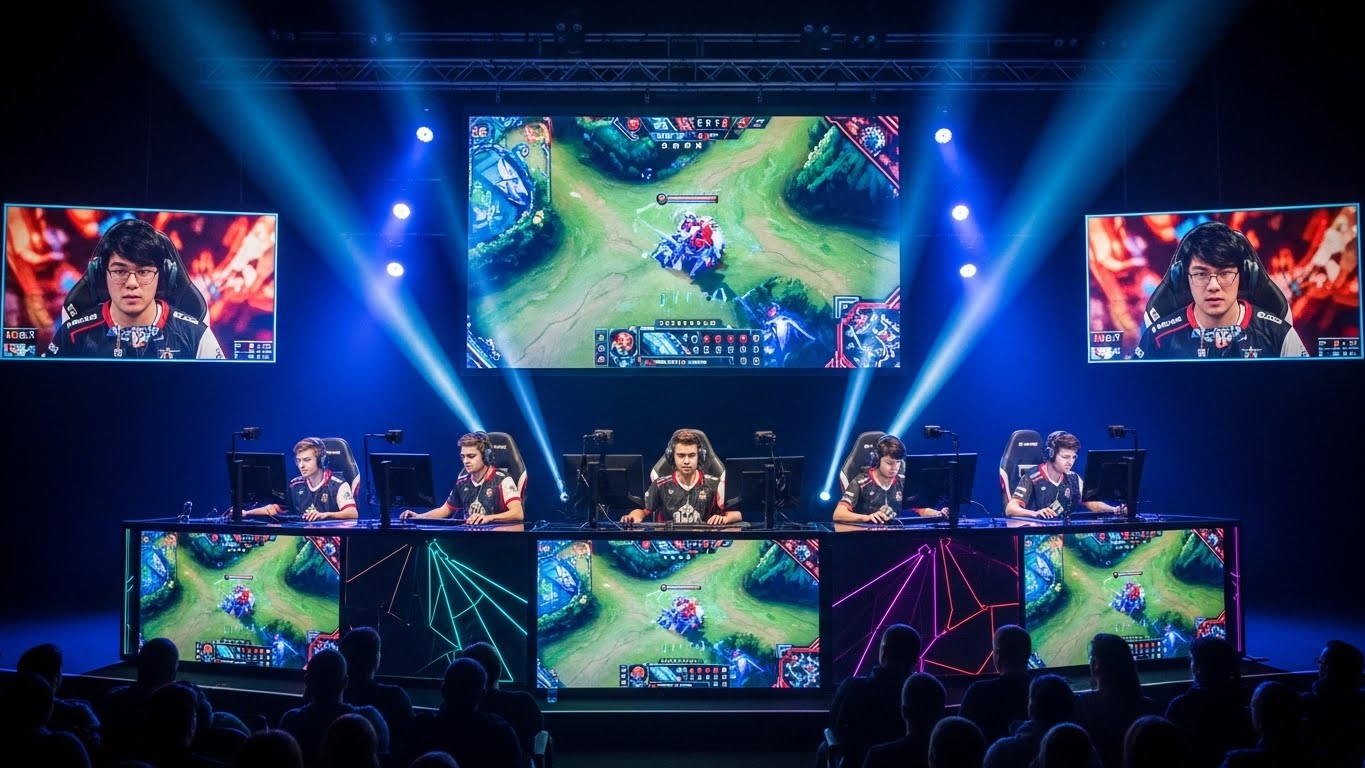
Esports tournaments have grown into major international events. Competitions like The International for Dota 2, the League of Legends World Championship, and the Fortnite World Cup feature massive prize pools and attract millions of viewers worldwide. These events are meticulously produced, with live commentary, analysis, and entertainment elements that make them comparable to traditional sporting spectacles.
The rise of streaming platforms such as Twitch and YouTube Gaming has revolutionized how fans engage with esports. Viewers can watch live matches, interact with players, and participate in community discussions. This interactive culture transforms spectators into active participants, fostering loyalty and engagement. Esports has successfully created a global fan ecosystem that thrives on shared experiences, rivalries, and excitement.
Technology as the Backbone of Esports
Technology is central to the growth and development of esports. High-performance gaming PCs, fast internet connections, and advanced software ensure competitive play at a professional level. Broadcasting technologies allow for high-quality streams, replays, and multi-angle perspectives, enhancing the viewer experience.
Emerging technologies such as virtual reality (VR) and augmented reality (AR) are beginning to influence esports. VR games offer immersive experiences, while AR overlays digital content into real-world settings, creating new ways for players and audiences to interact. Artificial intelligence and analytics are also being used to track performance, optimize strategies, and improve training, ensuring that esports continues to innovate and evolve.
Economic Impact of Esports
The esports industry has grown into a multi-billion-dollar market with revenue from sponsorships, advertising, merchandise, ticket sales, and in-game purchases. Major brands across non-gaming sectors, including apparel, energy drinks, electronics, and finance, now invest in esports sponsorships to reach younger, tech-savvy audiences.
Cities and governments are also recognizing the economic potential of esports, investing in arenas, tournaments, and infrastructure to support competitive gaming. The industry generates employment opportunities beyond players, including event management, marketing, broadcasting, and content creation. This economic impact demonstrates that esports is more than entertainment—it is a significant contributor to the global digital economy.
Social and Cultural Influence of Esports
Esports has reshaped social and cultural landscapes. Competitive gaming has influenced fashion, music, online communities, and digital content creation. Fans engage in cosplay, fan art, and streaming communities, creating a vibrant culture around games and players.
Esports also fosters social connection and inclusivity. Online communities bring together players from diverse backgrounds, promoting collaboration and cultural exchange. For many, esports provides a sense of belonging and identity, especially for individuals who may feel marginalized in traditional sports or social settings. Schools and universities increasingly offer esports programs, teaching teamwork, strategic thinking, and digital literacy, further embedding esports into society.
Challenges Facing the Esports Industry
Despite its rapid growth, esports faces significant challenges. Player burnout is a pressing issue, as the intense training schedules and competitive pressure can lead to physical and mental health problems. Organizations are beginning to prioritize player wellness through counseling, fitness programs, and career planning.
Regulation and standardization remain ongoing concerns. Esports lacks a universal governing body, which can result in inconsistent rules, tournament structures, and player contracts. Ensuring fair play, transparency, and ethical practices is critical for long-term industry credibility.
Accessibility is another challenge. High-quality gaming equipment and fast internet connections are expensive, limiting participation for some players. Addressing these barriers is essential for sustainable growth and inclusivity in esports.
The Future of Esports
The future of esports looks bright, with continued expansion expected in viewership, revenue, and global reach. Cloud gaming, VR, and AR technologies will make esports more immersive and accessible, while emerging markets will introduce competitive gaming to new audiences.
Esports is increasingly intersecting with traditional media and entertainment. Collaborations with celebrities, musicians, and mainstream sports organizations are raising its profile and cultural relevance. As technology continues to advance, esports will play an even larger role in how people interact, compete, and consume digital entertainment.
Educational institutions will likely integrate esports further, providing scholarships, programs, and training that teach valuable skills applicable beyond gaming. The industry is poised to continue influencing culture, careers, and technology in the coming decades.
Conclusion: Esports as a Defining Force in Modern Entertainment
Esports has evolved from a niche hobby into a global industry that influences entertainment, culture, and professional opportunities. Through professional players, international tournaments, technological innovation, and engaged communities, esports has proven its legitimacy and relevance.
The industry faces challenges, including player health, accessibility, and regulatory issues, but its growth potential remains immense. Esports is more than competitive gaming—it is a cultural movement, an economic force, and a gateway to digital innovation. Its evolution demonstrates the power of technology to transform hobbies into professional careers, global communities, and immersive entertainment experiences.
As esports continues to expand and innovate, it will redefine how society interacts with gaming, technology, and digital culture. Its journey is ongoing, but one thing is certain: esports has cemented its place as a defining force in modern entertainment, shaping the future of competition, community, and creativity.