 hubvault77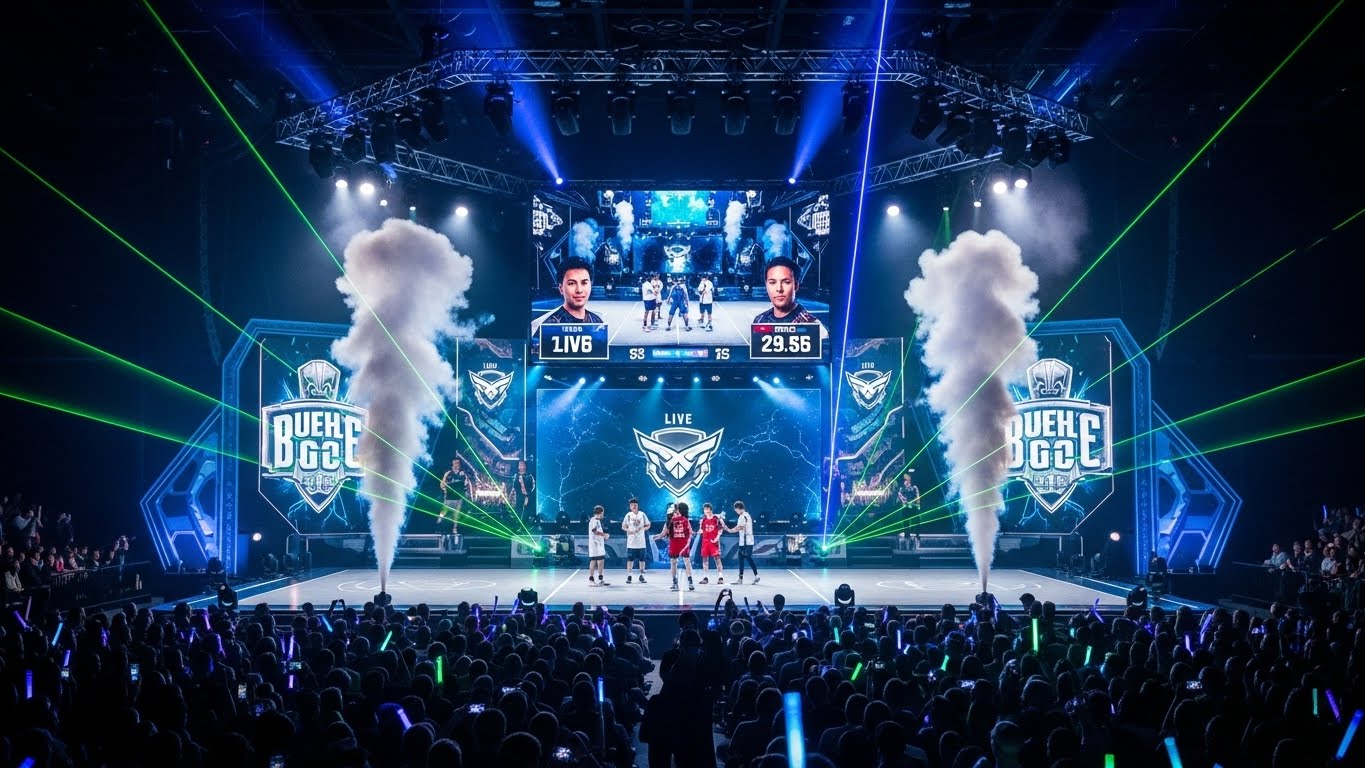
Introduction: From Casual Play to Cultural Powerhouse
Esports, once dismissed as a niche pastime for gamers, has transformed into a global competitive phenomenon that rivals traditional sports in scale, passion, and professionalism. What began in small rooms with local multiplayer matches has evolved into sold-out arenas, multimillion-dollar prize pools, and millions of viewers tuning in from around the world. Esports is no longer just about playing video games; it is about competition, identity, community, and a rapidly growing industry that continues to reshape entertainment and sports culture.
The Early Origins of Esports
The roots of esports can be traced back to the late twentieth century when competitive gaming first began to take shape. Early arcade competitions and university-based tournaments laid the foundation for organized play. As home consoles and personal computers became more accessible, players started competing beyond physical locations. Local area network matches created communities of players who valued skill, strategy, and teamwork. These early competitions may have been small, but they planted the seeds for a future global movement.
The Role of Technology in Esports Growth
Technology has been the driving force behind esports’ explosive growth. Faster internet connections allowed players from different regions to compete seamlessly. Streaming platforms made it possible for audiences to watch matches live, transforming competitive gaming into a spectator sport. High-performance gaming hardware and advanced software enabled developers to design games specifically suited for competitive play. Without these technological advancements, esports would not have reached its current level of global influence.
Popular Esports Titles and Competitive Diversity
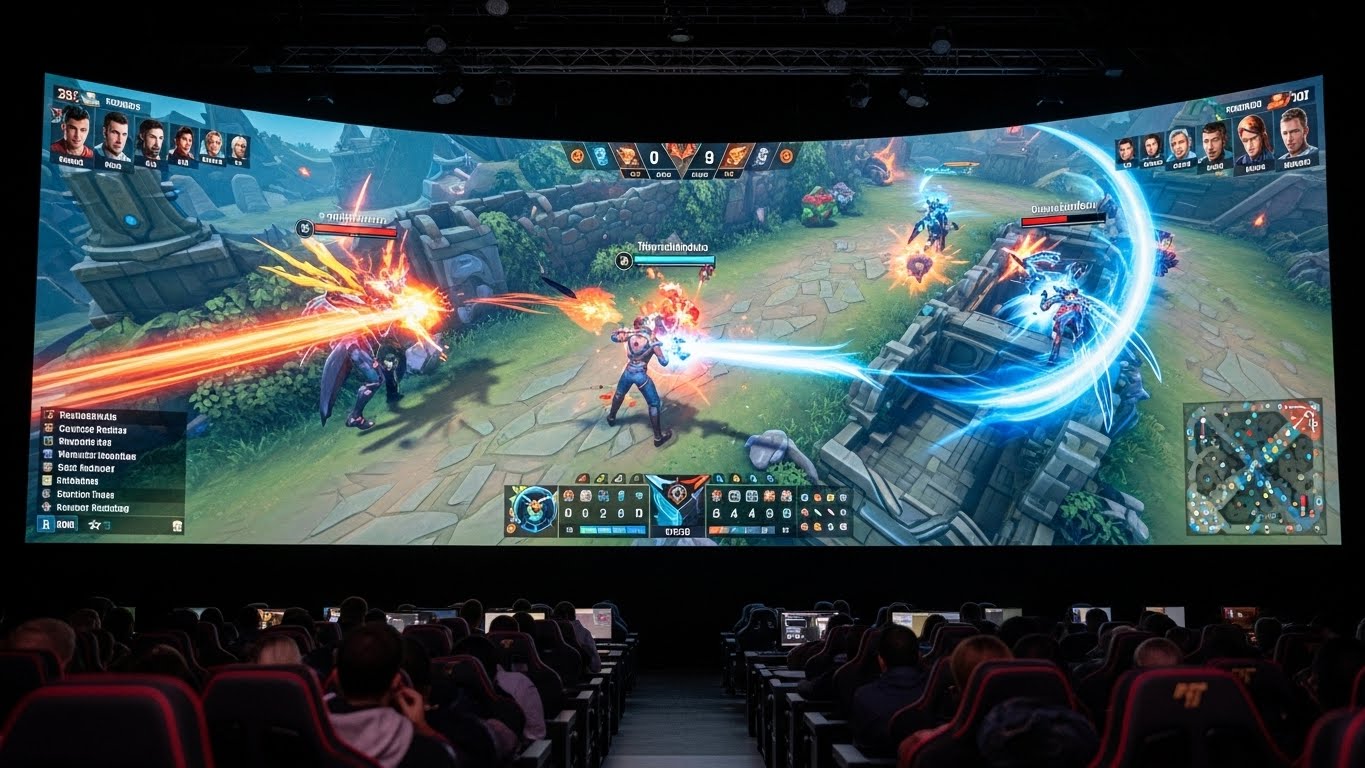
One of the defining features of esports is its diversity of games. Unlike traditional sports, which are limited by physical rules, esports spans multiple genres including first-person shooters, multiplayer online battle arenas, real-time strategy games, and sports simulations. Each genre requires different skills, from lightning-fast reflexes to deep strategic thinking. This variety attracts a wide range of players and viewers, ensuring that esports appeals to different tastes and interests across cultures.
Professional Players and Team Structures
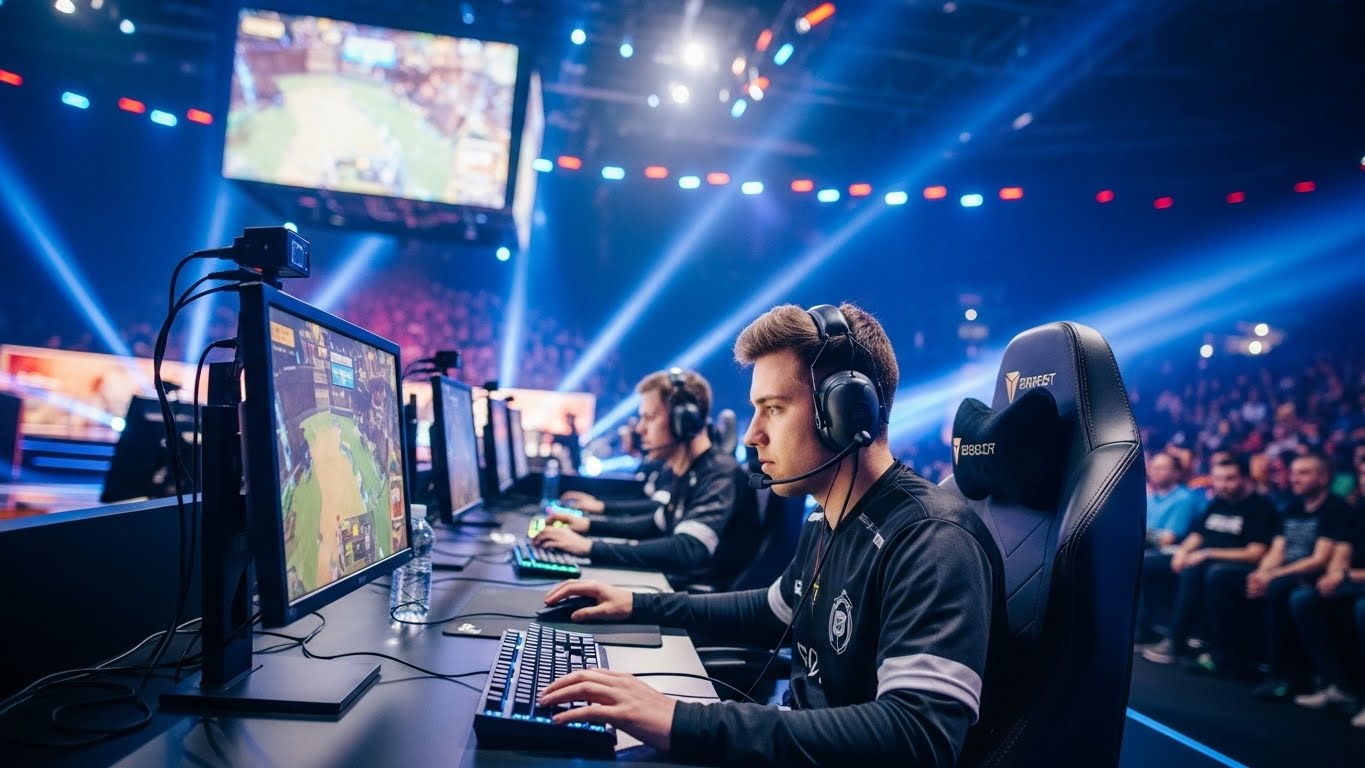
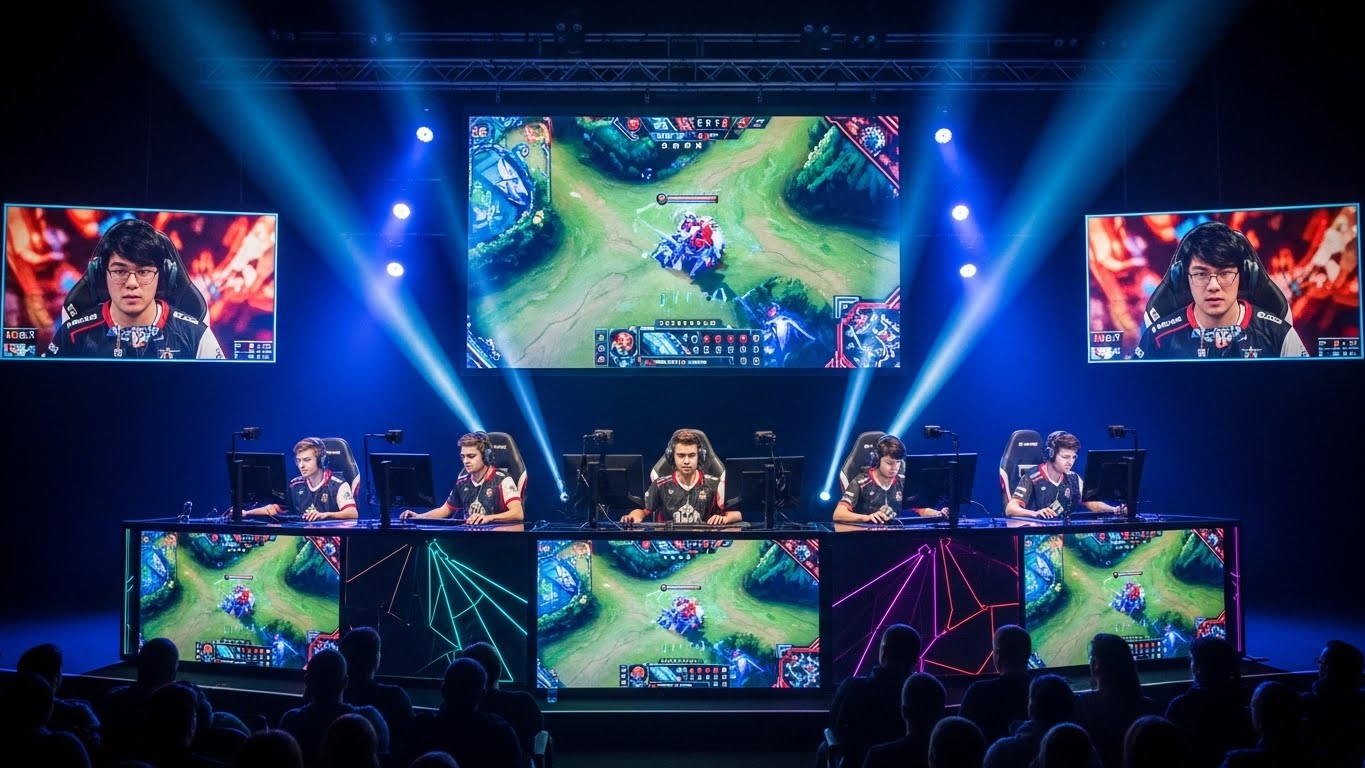
Modern esports professionals train with the same intensity as traditional athletes. Players often practice for long hours each day, refining their mechanics, strategies, and communication skills. Professional teams are supported by coaches, analysts, psychologists, and fitness trainers who help players perform at their best. Contracts, salaries, and sponsorships have turned gaming into a legitimate career path, offering young talent opportunities that were unimaginable just a few decades ago.
Esports Tournaments and Global Events
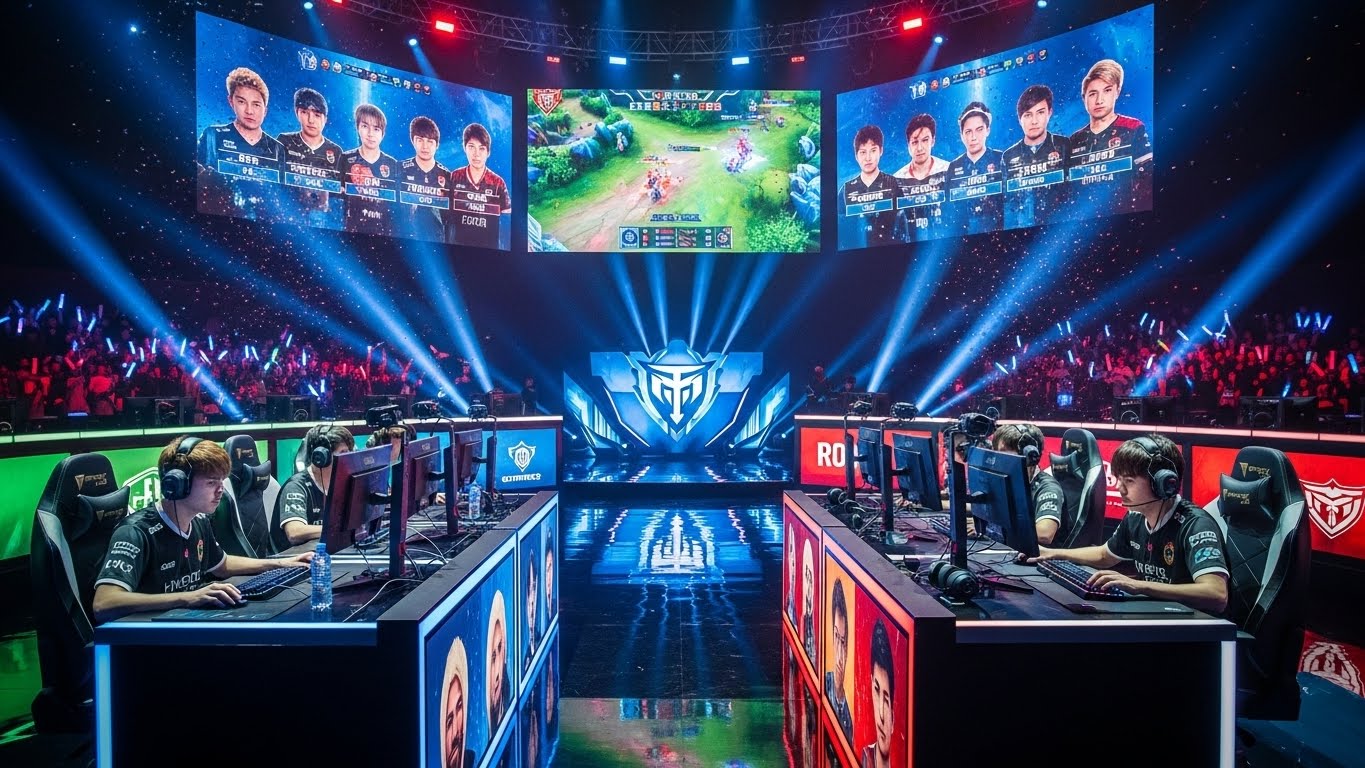
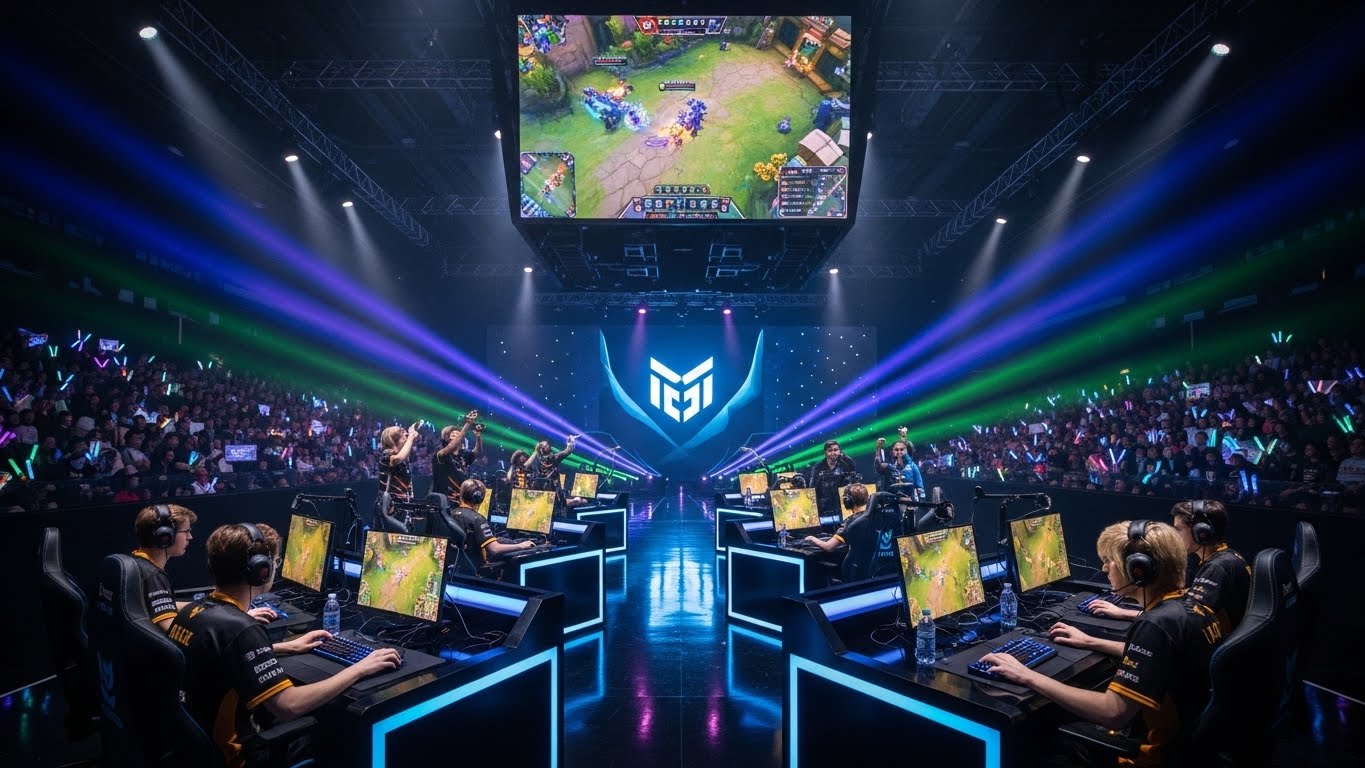
Esports tournaments are the heart of competitive gaming culture. Major events attract teams from around the world and feature prize pools that can reach millions. These tournaments are meticulously organized, with group stages, playoffs, and grand finals that mirror traditional sporting events. Large arenas filled with passionate fans demonstrate how esports has transcended the digital space to become a live entertainment spectacle. The excitement, rivalries, and dramatic moments keep audiences engaged and emotionally invested.
The Esports Audience and Fan Culture
The esports audience is one of the most engaged fan bases in modern entertainment. Fans do not just watch matches; they analyze strategies, follow player stories, and actively participate in online discussions. Social media has amplified fan interaction, allowing supporters to connect directly with players and teams. This sense of accessibility creates a strong bond between competitors and audiences, making esports fandom highly personal and community-driven.
Economic Impact and Industry Expansion
Esports has grown into a powerful economic engine. Revenue streams include sponsorships, advertising, merchandise, ticket sales, and media rights. Brands from technology, fashion, food, and even automotive industries have recognized the value of esports audiences and invested heavily. Cities and countries now host major tournaments to boost tourism and international visibility. As the industry expands, it continues to create jobs across event management, marketing, production, and game development.
Education and Career Opportunities in Esports
Beyond professional play, esports has opened doors to numerous educational and career opportunities. Universities now offer scholarships and academic programs focused on esports management, game design, and digital media. Students can pursue careers as commentators, event organizers, coaches, or content creators. This educational integration highlights esports’ legitimacy and ensures a steady pipeline of skilled professionals to support the industry’s future growth.
Challenges Facing the Esports Ecosystem
Despite its success, esports faces several challenges. Player burnout is a growing concern due to intense training schedules and high-pressure environments. Issues related to fair play, such as cheating and performance-enhancing software, threaten competitive integrity. Additionally, maintaining financial sustainability for smaller teams and organizations remains difficult. Addressing these challenges requires collaboration between developers, organizers, and governing bodies to ensure a healthy and balanced ecosystem.
The Role of Game Developers and Publishers
Game developers play a unique role in esports because they control the rules, updates, and competitive structure of their games. Their decisions can significantly impact the longevity of an esport. By supporting balanced gameplay, investing in tournaments, and listening to community feedback, developers help maintain player interest and competitive fairness. This close relationship between creators and competitors is a defining characteristic of esports compared to traditional sports.
Esports and Cultural Acceptance
Esports has gradually gained cultural acceptance across generations. What was once seen as a distraction is now recognized as a legitimate form of competition and entertainment. Parents, educators, and policymakers are beginning to understand the skills esports can develop, such as teamwork, strategic thinking, and problem-solving. This shift in perception has allowed esports to enter mainstream conversations about sports, media, and youth culture.
The Future of Esports
The future of esports looks promising and dynamic. Advancements in virtual reality and augmented reality could redefine how games are played and watched. Increased global connectivity will continue to bring new regions into the competitive scene, diversifying talent and audiences. As esports matures, it may develop standardized governance structures similar to traditional sports, further solidifying its place in the global sporting landscape.
Conclusion: A Digital Arena Without Limits
Esports represents more than competitive gaming; it symbolizes how digital innovation can create entirely new forms of culture and competition. From humble beginnings to international acclaim, esports has proven its ability to adapt, grow, and inspire millions. As technology evolves and communities expand, the digital arena of esports will continue to break boundaries, offering endless possibilities for players, fans, and industries alike.