 hubvault77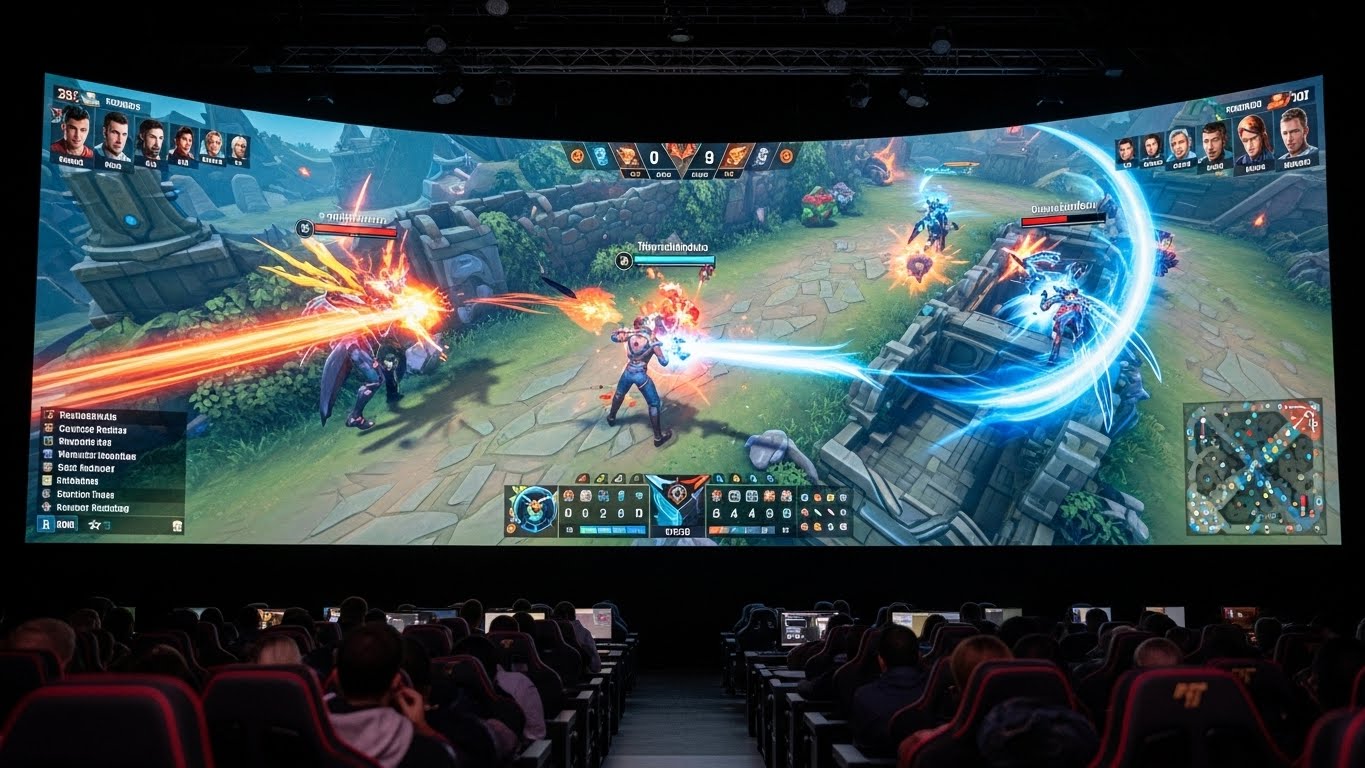
Introduction: The Rise of a New Arena
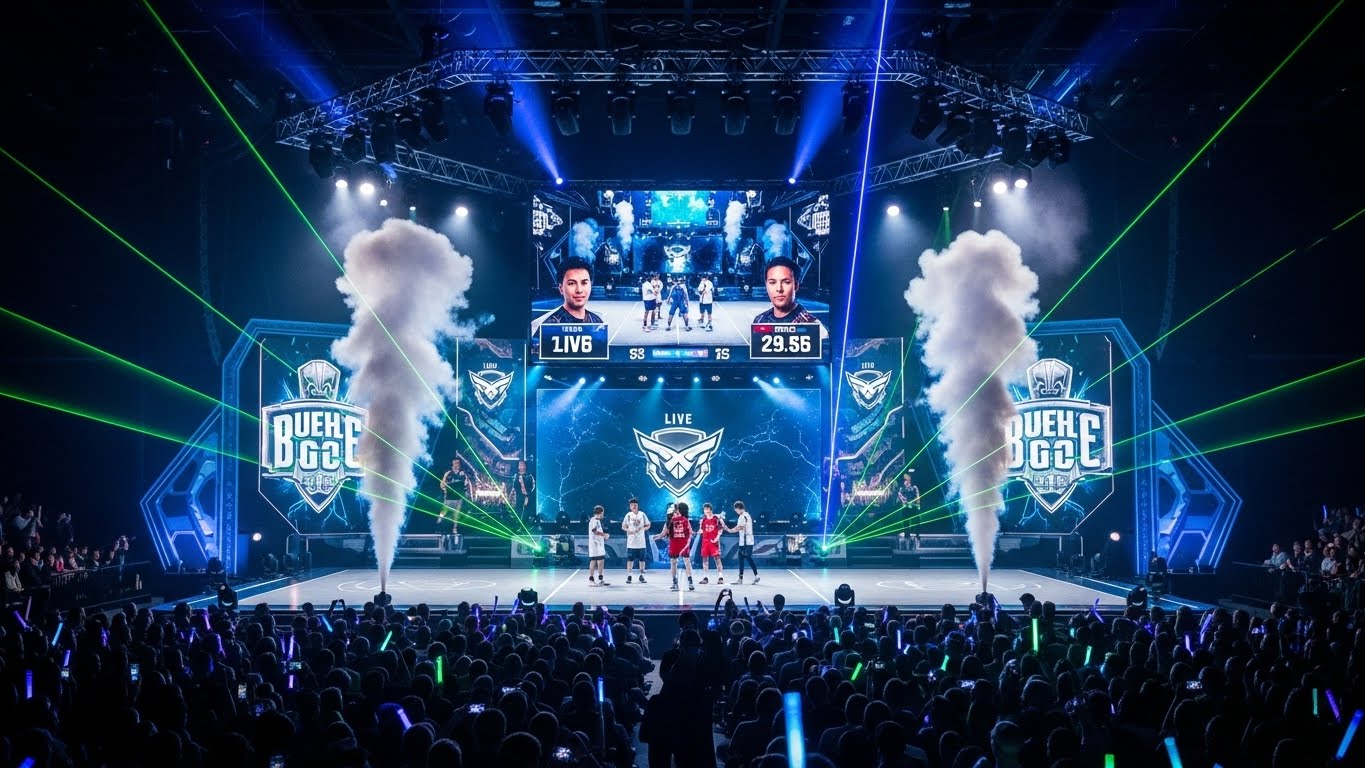
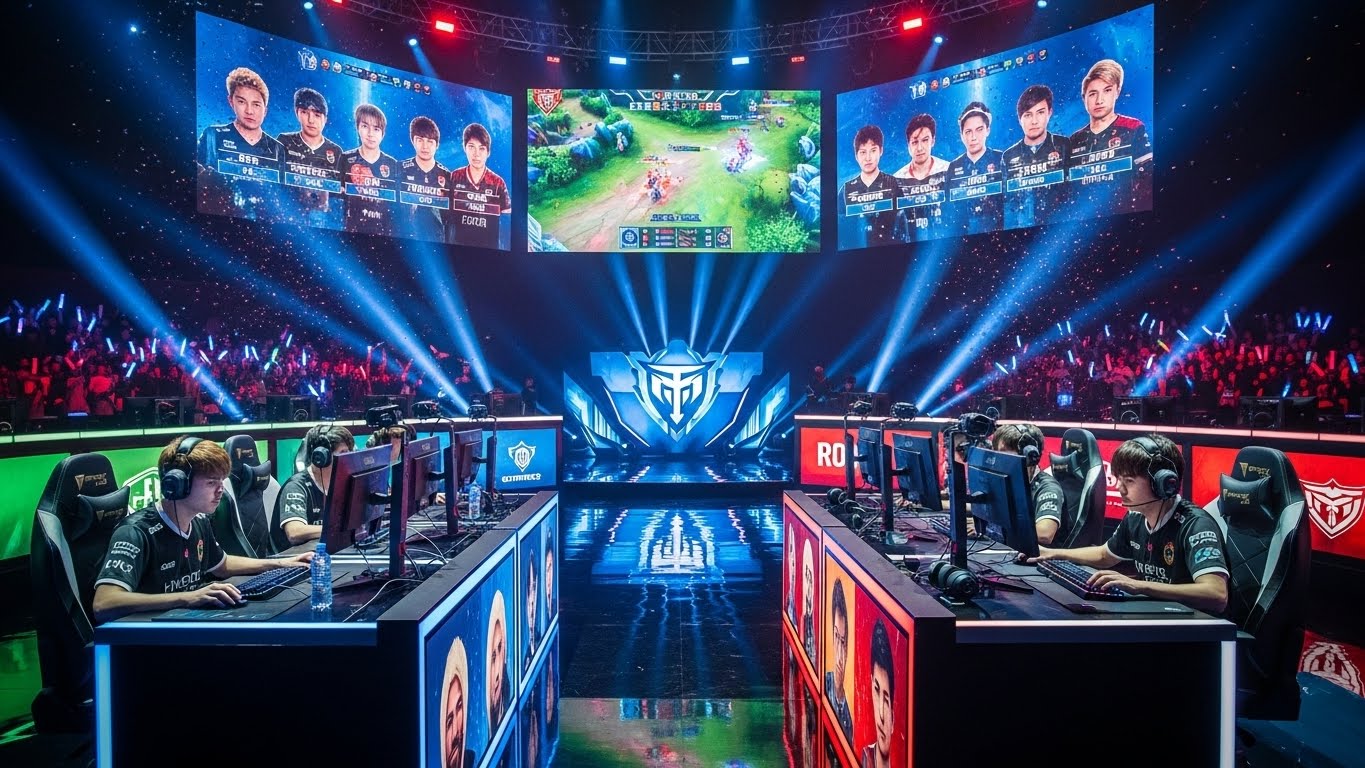
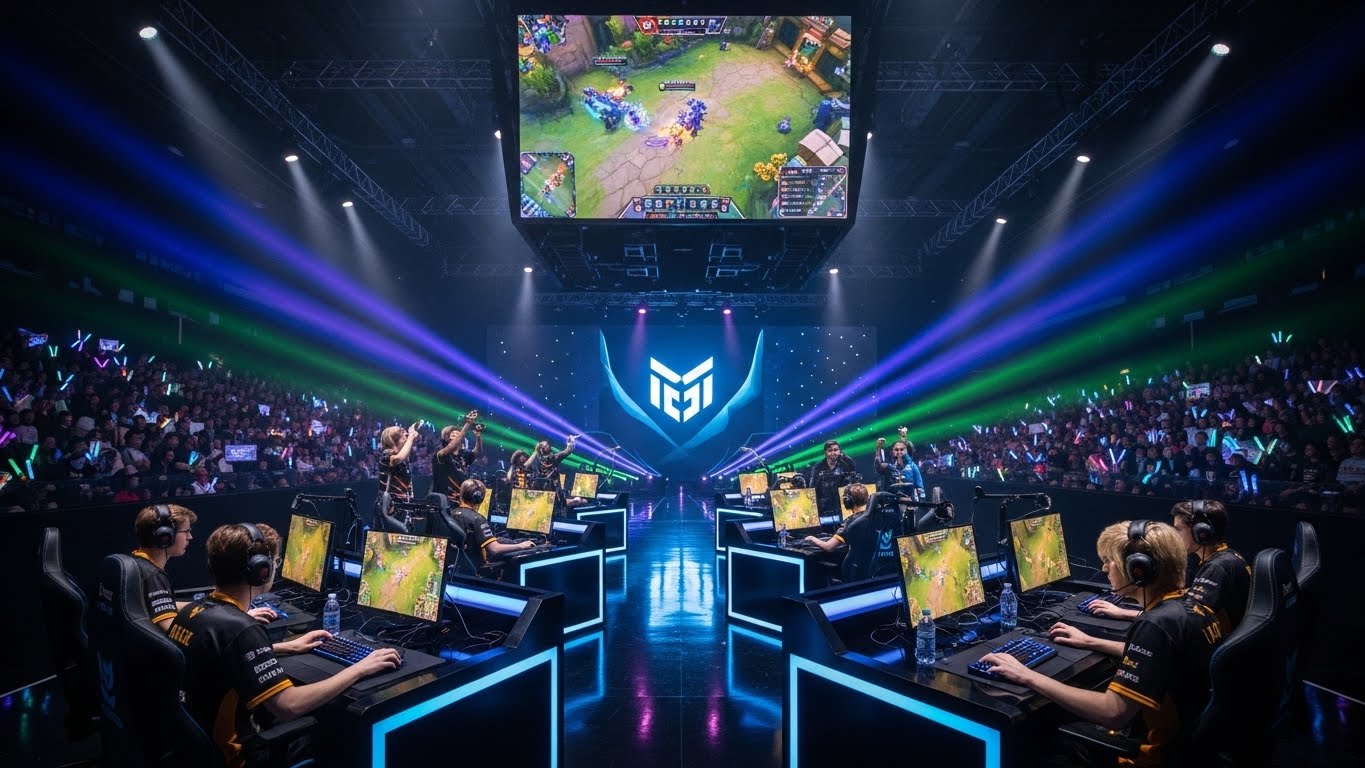
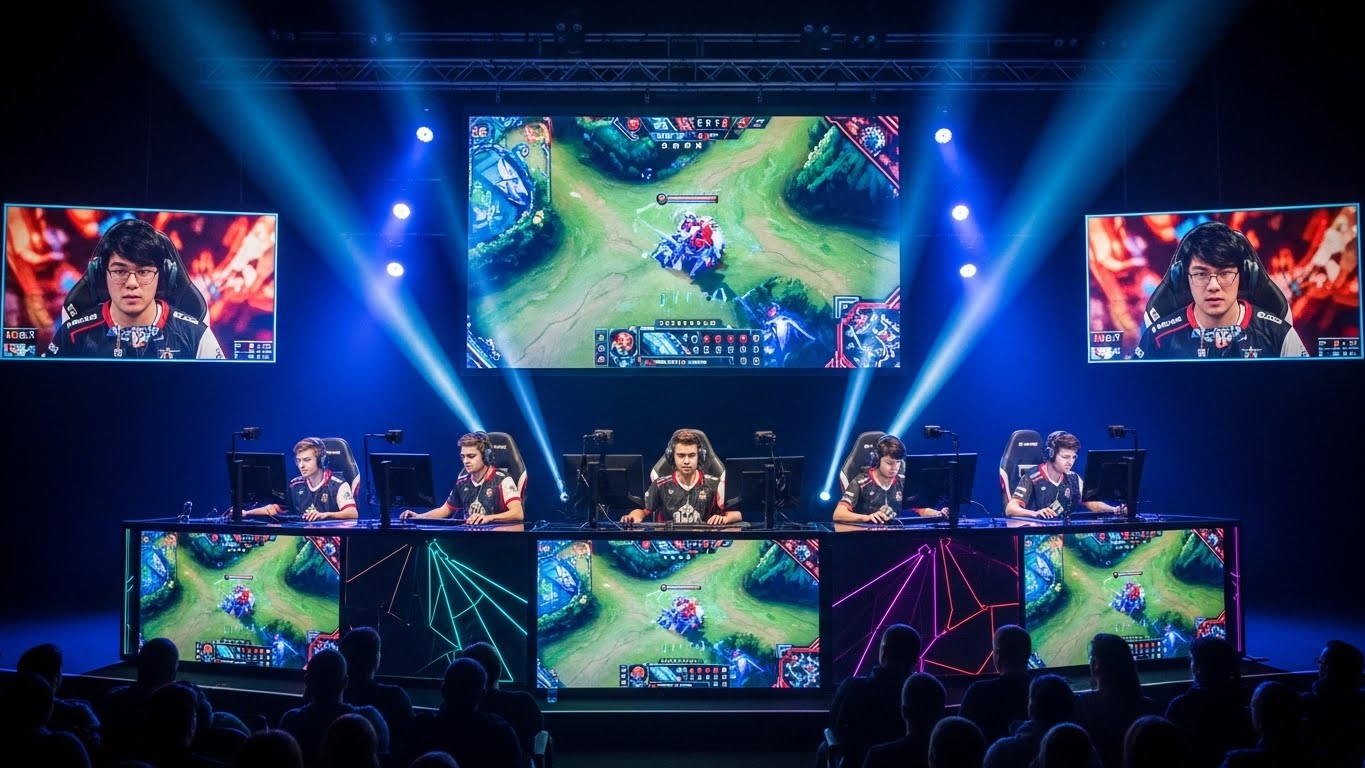
Competition has always been part of human culture. From ancient athletic contests to modern professional sports, people have gathered to test skill, strategy, and endurance. In the twenty-first century, a new form of competition has emerged and transformed the global sports landscape. Esports, once dismissed as a niche hobby, has evolved into a powerful industry that blends technology, entertainment, and athletic discipline. What began in small gaming communities has grown into sold-out arenas, global fan bases, and multimillion-dollar tournaments.
Esports is no longer just about playing video games. It represents a cultural shift in how competition is defined, consumed, and celebrated. As digital spaces continue to shape modern life, esports stands as a symbol of how virtual competition can command real-world prestige.
Understanding Esports Beyond Gaming
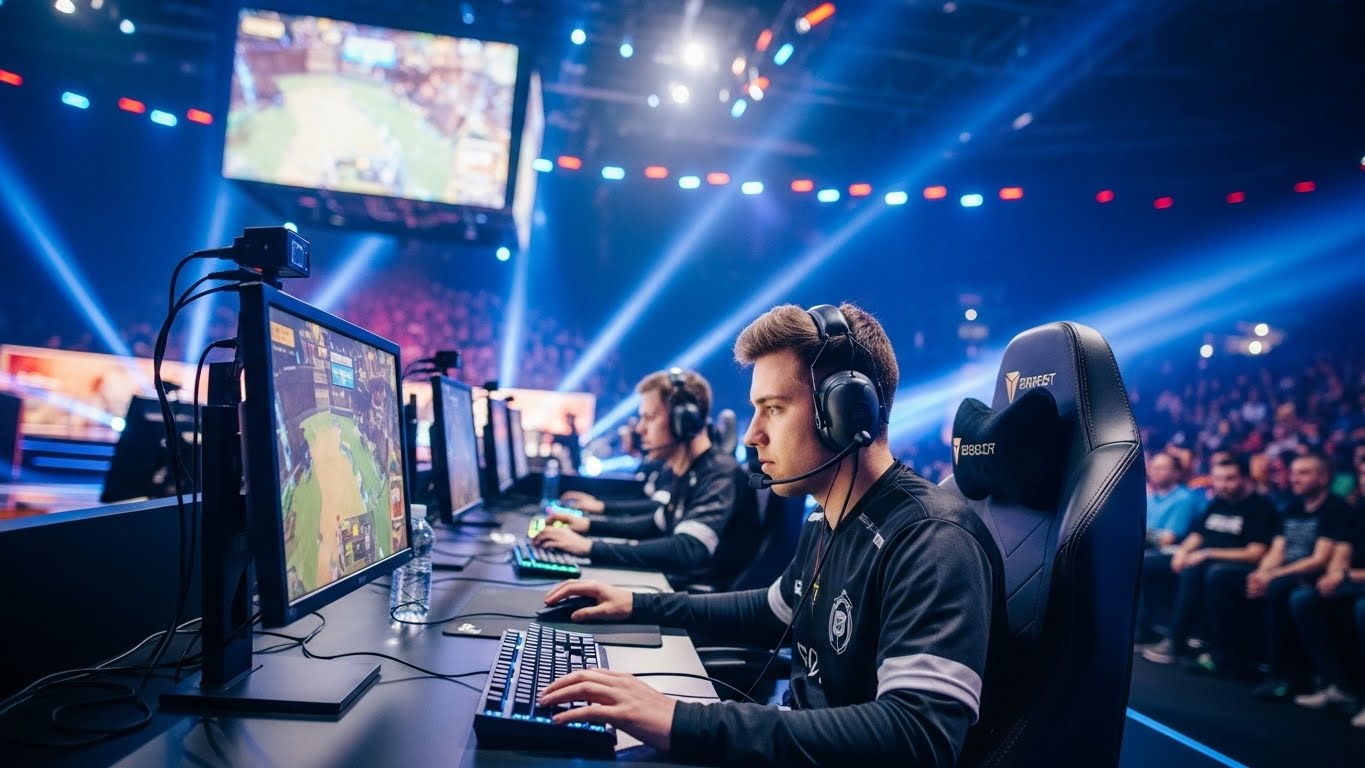
Esports, short for electronic sports, refers to organized competitive gaming where individuals or teams compete at a professional level. Unlike casual gaming, esports demands intense practice, advanced strategies, quick reflexes, and strong teamwork. Players train for hours daily, studying opponents, mastering game mechanics, and maintaining mental focus under pressure.
The misconception that esports lacks physical or mental rigor fails to recognize the cognitive demands placed on players. Reaction time, decision-making speed, hand-eye coordination, and emotional control are critical skills. Many professional players follow structured training routines similar to traditional athletes, including fitness exercises, diet plans, and psychological coaching.
The Evolution of Competitive Gaming
The journey of esports began decades ago with small-scale competitions held in arcades and college campuses. Early tournaments were informal and community-driven, with little financial incentive. As technology advanced and internet connectivity improved, competitive gaming expanded rapidly. Online multiplayer games allowed players from different regions to compete, laying the foundation for global esports ecosystems.
Streaming platforms further accelerated growth by making esports accessible to millions of viewers. Fans could watch live matches, follow their favorite players, and engage in real-time discussions. This visibility transformed esports from a subculture into mainstream entertainment, attracting sponsors, investors, and media attention.
Esports as a Professional Career
One of the most significant changes esports introduced is the creation of entirely new career paths. Professional players are the most visible figures, but the industry supports a wide range of roles. Coaches, analysts, commentators, event organizers, content creators, and marketing professionals all contribute to the esports ecosystem.
For players, the journey to professionalism is highly competitive. Only a small percentage reach the top tier, and success requires discipline, resilience, and adaptability. Careers can be short due to the fast-paced nature of games and the emergence of younger talent. However, many players transition into coaching, streaming, or business roles after retiring from competition.
The Business and Economics of Esports
Esports has developed into a complex economic system driven by sponsorships, advertising, merchandise, media rights, and ticket sales. Major brands across technology, fashion, and consumer goods have recognized the value of engaging with esports audiences, particularly younger demographics.
Tournament prize pools have grown dramatically, sometimes reaching amounts that rival traditional sports events. Team organizations operate like professional franchises, investing in player development, branding, and fan engagement. This financial structure has helped legitimize esports as a sustainable industry rather than a passing trend.
The Role of Technology in Esports Growth
Technology is the backbone of esports. High-performance gaming hardware, advanced software, and stable internet infrastructure are essential for competitive play. Continuous innovation in graphics, processing power, and virtual environments enhances both player performance and spectator experience.
Broadcast technology has also played a crucial role. High-quality live streams, interactive viewing options, and immersive production techniques allow fans to experience matches with the same intensity as traditional sports broadcasts. As virtual reality and augmented reality continue to evolve, they may further redefine how esports is played and watched.
Global Culture and Community Impact
Esports transcends geographical boundaries. Players and fans from different cultures connect through shared passion, creating a global community united by competition. International tournaments showcase diverse playing styles and strategies, enriching the competitive landscape.
This global nature has also encouraged cultural exchange and inclusivity. Esports provides opportunities for individuals who may not have access to traditional sports due to physical, economic, or social barriers. Anyone with skill, dedication, and access to technology can compete, making esports one of the most accessible competitive platforms in the world.
Education and Esports Integration
Educational institutions have begun to recognize the value of esports. Schools and universities now offer esports programs, scholarships, and dedicated facilities. These initiatives promote teamwork, strategic thinking, and digital literacy while providing students with pathways into the industry.
Esports education extends beyond gameplay. Programs often include lessons in game design, event management, broadcasting, and business operations. This holistic approach prepares students for a wide range of careers within and beyond esports, reinforcing its legitimacy as a field of study.
Challenges Facing the Esports Industry
Despite its success, esports faces several challenges. Player burnout is a growing concern due to intense schedules and high performance pressure. Maintaining mental and physical health is an ongoing issue that organizations are beginning to address through support systems and wellness programs.
Regulation and standardization also remain complex. Differences in rules, governance, and player contracts across regions can create inconsistencies. As esports continues to grow, establishing fair and transparent structures will be essential for long-term stability.
The Future of Esports Competition
The future of esports appears promising as technology, culture, and entertainment continue to converge. Increased mainstream acceptance, improved infrastructure, and expanding audiences suggest continued growth. Esports may further integrate with traditional sports, entertainment industries, and even international sporting events.
Innovation will remain a driving force. New game genres, evolving competitive formats, and enhanced viewing experiences will shape the next phase of esports. As artificial intelligence and data analytics become more advanced, they may influence training methods, strategy development, and performance evaluation.
Conclusion: A New Definition of Sporting Excellence
Esports has redefined what it means to compete in the modern world. It challenges traditional perceptions of sports by demonstrating that skill, discipline, and excellence are not limited to physical arenas. Through digital platforms, esports has created a new stage where talent shines, communities thrive, and competition evolves.
As society becomes increasingly digital, esports represents more than entertainment. It reflects how human ambition adapts to technological change. From pixels on a screen to global prestige, esports has proven that the future of competition is not confined by physical boundaries but driven by innovation, passion, and the relentless pursuit of mastery.