 hubvault77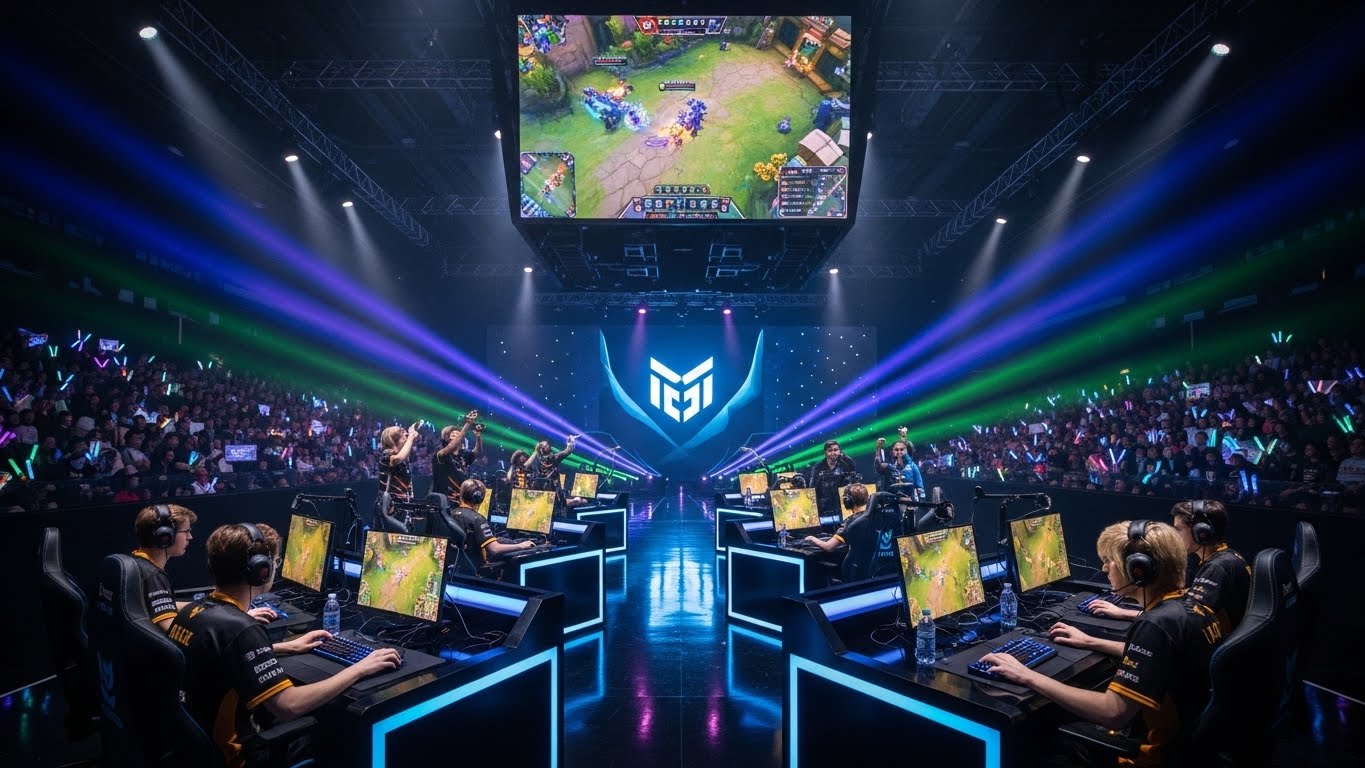
Esports, once a niche pastime limited to small gaming communities, has now emerged as a global phenomenon, captivating millions of players and fans around the world. Competitive gaming is no longer just about having fun; it has grown into a professional industry with organized leagues, international tournaments, celebrity sponsorships, and multi-million-dollar prize pools. Esports is redefining how we perceive competition, teamwork, and entertainment in the modern digital era. In this blog, we explore the history, growth, cultural impact, economic significance, benefits, challenges, and future potential of esports.
The Origins of Esports
Esports traces its origins back to the late 1970s and early 1980s, when arcade competitions first emerged. Games like “Space Invaders” and “Pac-Man” offered players the opportunity to compete for high scores and recognition. By the 1990s, the arrival of PC and console gaming led to the creation of more organized competitions. Titles like “Street Fighter II,” “StarCraft,” and “Warcraft III” laid the foundation for professional competitive gaming. These early tournaments highlighted not only individual skill but also strategy, teamwork, and adaptability.
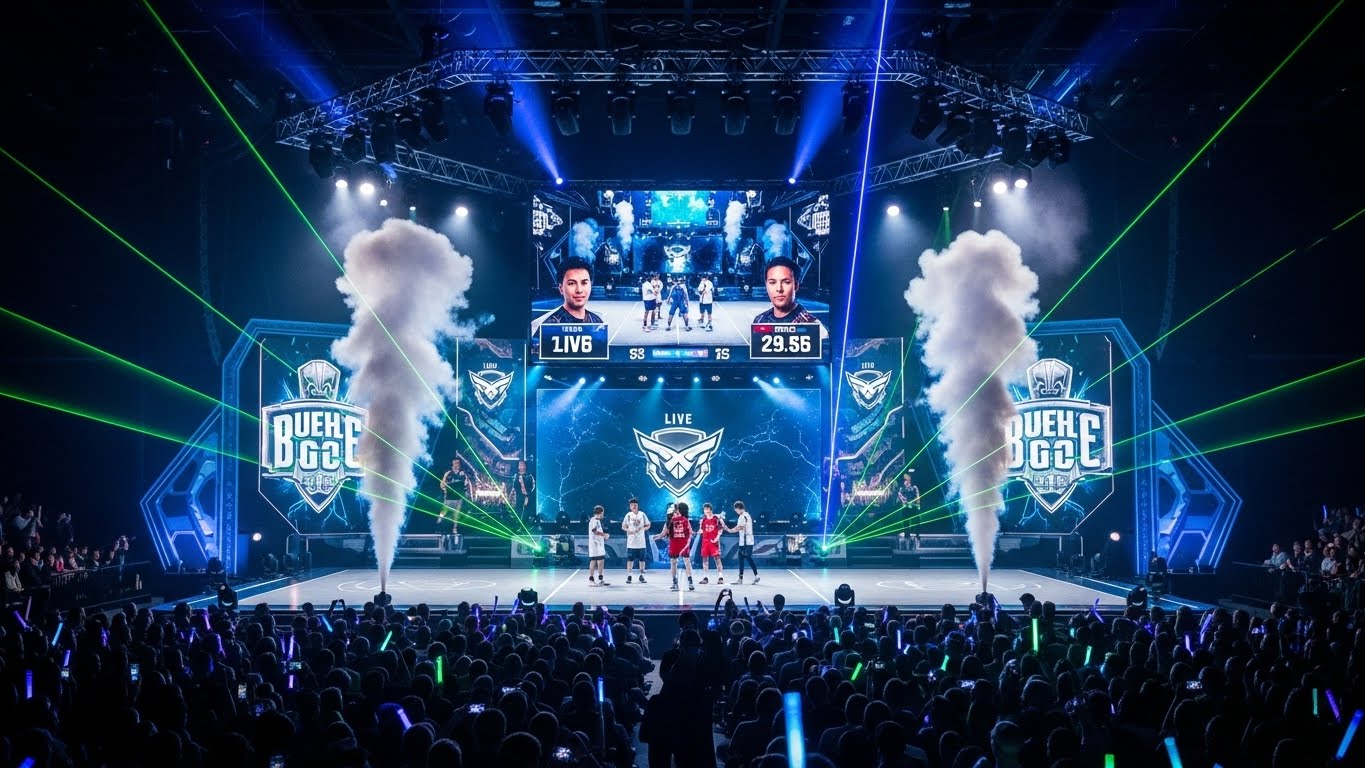
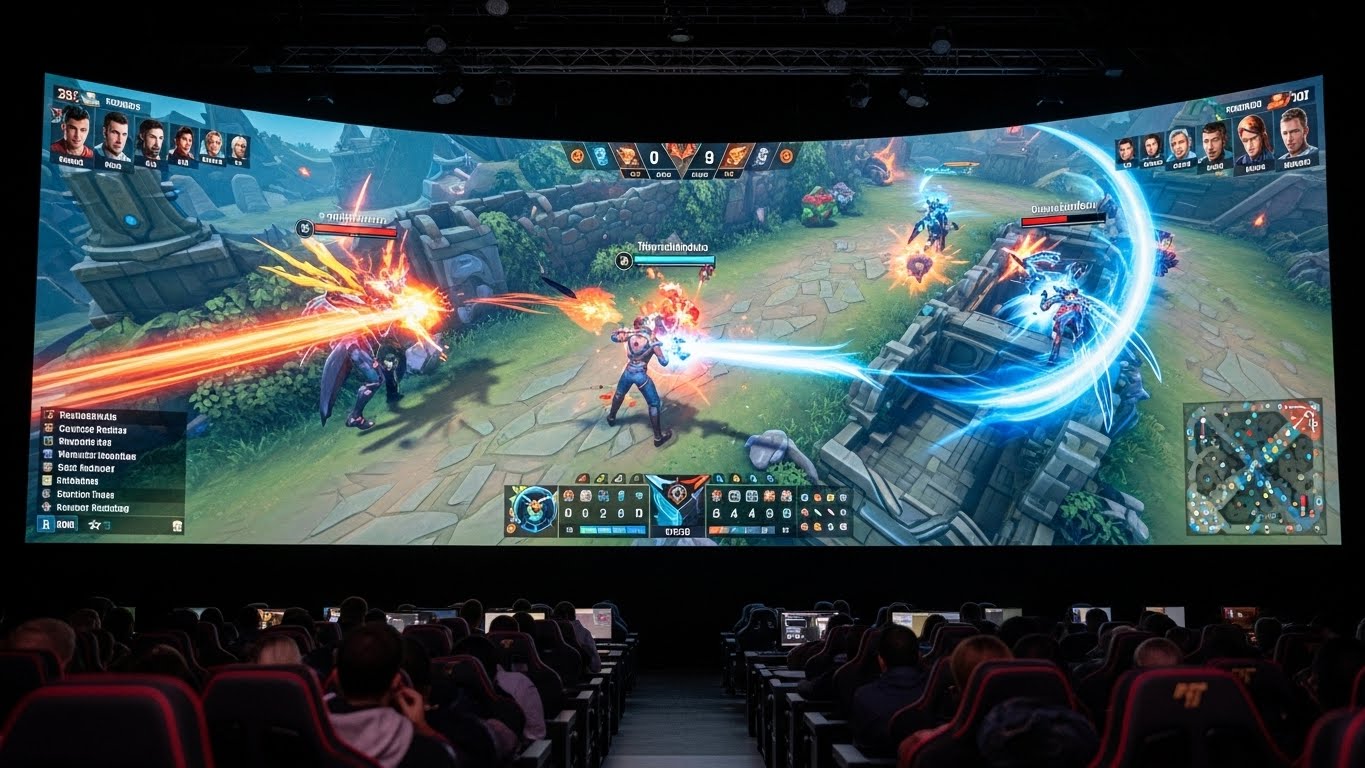
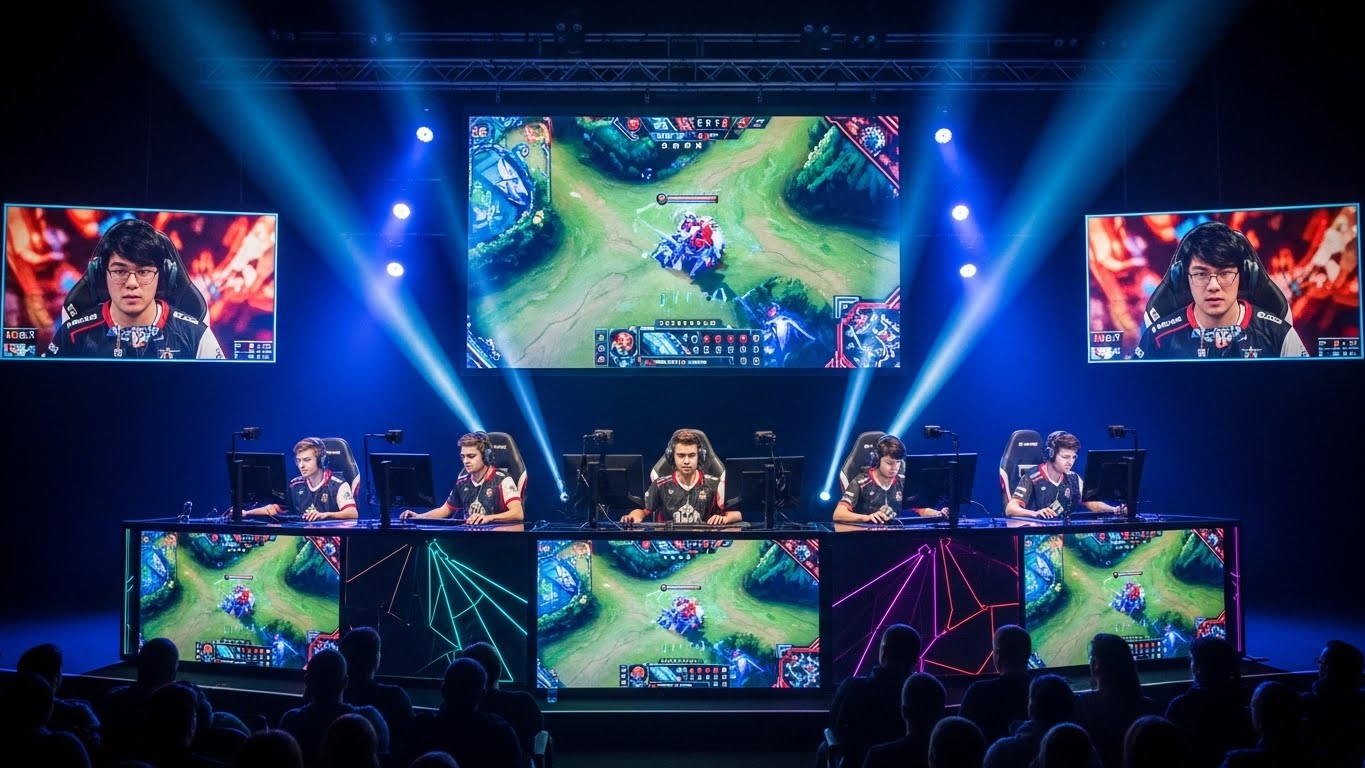
The growth of the internet in the 2000s accelerated esports dramatically. Online multiplayer games allowed players from different countries to compete in real time, fostering global communities and rivalries. Games like “Counter-Strike,” “League of Legends,” and “Dota 2” became international sensations, attracting millions of participants and spectators. Today, esports tournaments are broadcast live to audiences worldwide, drawing viewership comparable to traditional sports.
Esports as a Professional Industry
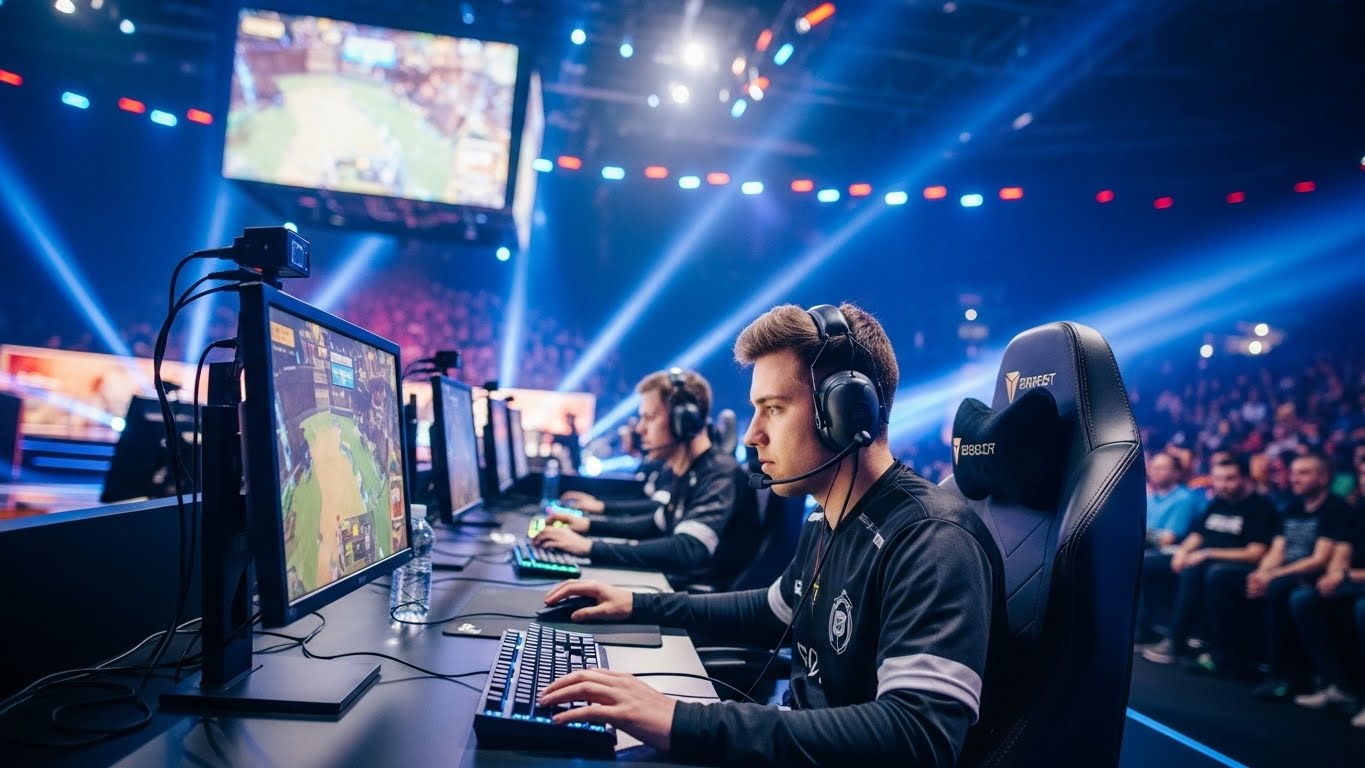
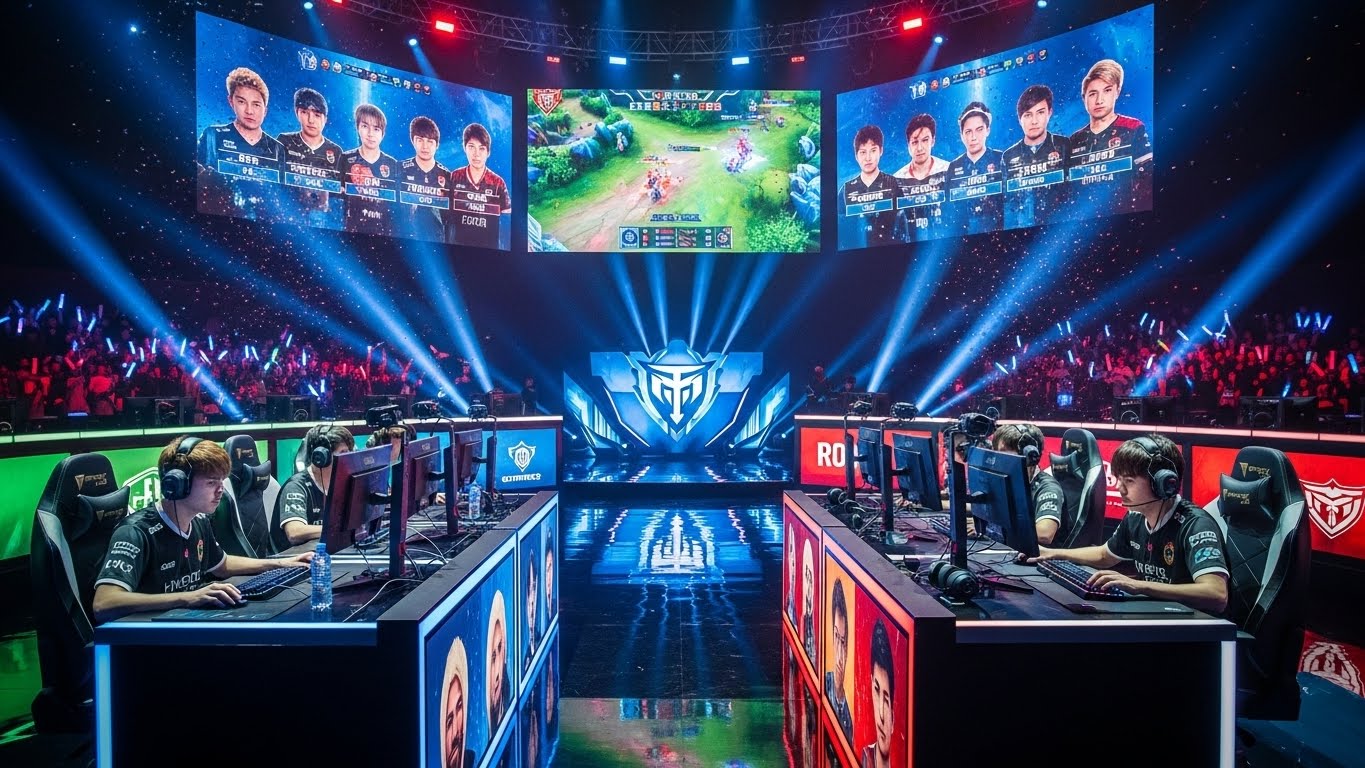
Esports has transitioned from hobbyist activity to a legitimate career path. Professional gamers dedicate countless hours to practicing, analyzing gameplay, and developing strategies. Teams are structured similarly to traditional sports organizations, employing coaches, analysts, and managers to maximize performance.
Top esports players earn substantial incomes from tournament winnings, salaries, and sponsorship deals. Streaming platforms allow them to engage with fans, provide tutorials, and entertain audiences, further increasing revenue streams. The professionalization of esports has transformed competitive gaming into a respected industry, offering sustainable career opportunities for talented individuals worldwide.
The Cultural Significance of Esports
Esports has developed into a global cultural phenomenon. Online communities bring together players and fans who share strategies, experiences, and fandoms, creating a sense of identity and belonging. Fans often follow teams and players passionately, attending live events and engaging with social media platforms dedicated to esports.
Competitive gaming has also challenged traditional perceptions of sports. It requires strategic thinking, quick reflexes, teamwork, and mental endurance, proving that athleticism is not limited to physical sports. Esports has become a legitimate platform for showcasing talent and creativity, elevating the status of gaming in modern society.
Cognitive and Mental Benefits
Esports offers numerous cognitive and mental benefits. Players enhance problem-solving skills, memory retention, reflexes, and multitasking abilities. Competitive games demand fast decision-making under pressure, requiring players to anticipate opponents’ moves and respond strategically.
Mental resilience is another key advantage. Esports players learn to handle losses, adapt to changing circumstances, and maintain focus during high-stakes matches. Team-based games promote collaboration, communication, and leadership skills. These benefits extend beyond gaming, improving critical thinking, emotional intelligence, and personal development in real-life contexts.
Physical Health and Esports
While esports is often associated with long hours of sitting, physical health is crucial for optimal performance. Extended gaming sessions can lead to eye strain, back problems, and repetitive strain injuries. Professional teams now incorporate fitness routines, ergonomic setups, and wellness programs to help players maintain physical health.
Proper sleep, nutrition, and breaks are essential for sustaining performance and preventing burnout. Physical exercise enhances mental clarity, reflexes, and focus, demonstrating that esports athletes must prioritize holistic health just like traditional sports players.
The Economic Impact of Esports
Esports has become a multi-billion-dollar industry with significant economic influence. Tournament prize pools, sponsorship deals, merchandise sales, and streaming revenue generate substantial income for players, teams, and organizers. Major events attract thousands of attendees and millions of online viewers, stimulating local economies through tourism, hospitality, and event management.
The industry also creates diverse career opportunities beyond playing, including coaching, broadcasting, marketing, content creation, and event production. Brands and sponsors invest heavily in esports to reach younger, digitally-engaged audiences, reinforcing the industry’s growing economic significance on a global scale.
Technology Driving Esports
Technology has been central to the growth of esports. High-performance computers, gaming consoles, and peripherals enhance gameplay, while fast internet connectivity enables seamless online competitions. Streaming platforms allow audiences worldwide to watch matches in real time, interact with players, and join fan communities.
Emerging technologies like virtual reality, augmented reality, and artificial intelligence are shaping the next phase of esports. VR and AR can create immersive tournament experiences, while AI-driven analytics help teams refine strategies, track performance, and gain competitive advantages. Technology continues to redefine the limits of what esports can achieve.
Challenges in Esports
Despite its rapid growth, esports faces several challenges. Player burnout, mental health issues, and physical strain are common due to demanding practice schedules and high-pressure competition. Organizations are increasingly prioritizing wellness programs to support sustainable careers.
Inclusivity remains another challenge. Women, minorities, and differently-abled players are underrepresented in professional esports. Creating equal opportunities and combating harassment in gaming communities is crucial for fostering diversity. Additionally, cheating, hacking, and unethical practices threaten competitive integrity, highlighting the need for regulation and oversight.
The Future of Esports
The future of esports is promising. Technological advancements will continue to create more immersive, interactive, and accessible gaming experiences. Cloud gaming may allow more people to participate without expensive hardware, while VR and AR tournaments could redefine both gameplay and spectating.
Educational institutions are integrating esports into curricula, offering scholarships, academic programs, and research opportunities. This not only nurtures talent but also legitimizes esports as an academic and professional pursuit. Furthermore, esports organizations are increasingly leveraging their platforms to advocate for mental health awareness, social causes, and inclusivity, demonstrating the industry’s potential to drive positive societal change.
Personal Development Through Esports
Esports provides unique opportunities for personal growth. Players develop skills such as strategic thinking, time management, adaptability, and perseverance. Competitive environments encourage creativity and innovation as players experiment with strategies and respond to dynamic challenges.
Beyond skill development, esports fosters community engagement. Online and offline interactions with teammates, fans, and peers create a sense of belonging and shared purpose. These social benefits contribute to mental well-being, reinforcing esports as a platform for personal development and meaningful human connection.
Societal Influence of Esports
Esports reflects and influences broader societal trends, including digital engagement, global connectivity, and the rise of online communities. It challenges traditional definitions of sports, achievement, and talent, showing that excellence can manifest in virtual arenas as much as in physical ones.
Culturally, esports impacts fashion, media, and entertainment. Professional gamers often become influencers, shaping trends and inspiring younger audiences. Live-streamed tournaments rival traditional sports events in scale and engagement, solidifying esports as a central element of modern entertainment culture.
Conclusion: Esports as a Transformative Force
Esports has evolved from a niche hobby into a global industry that blends competition, technology, culture, and entertainment. It creates professional opportunities, fosters vibrant communities, and challenges conventional perceptions of athleticism. While the industry faces challenges related to health, inclusivity, and integrity, its growth trajectory demonstrates immense potential.
Esports is more than gaming—it is a transformative movement that inspires personal growth, social connection, and economic development. As technology, culture, and society continue to evolve, esports will remain a powerful force shaping how we compete, engage, and experience entertainment worldwide. Its influence goes beyond screens and consoles, proving that the game is only beginning.