 hubvault77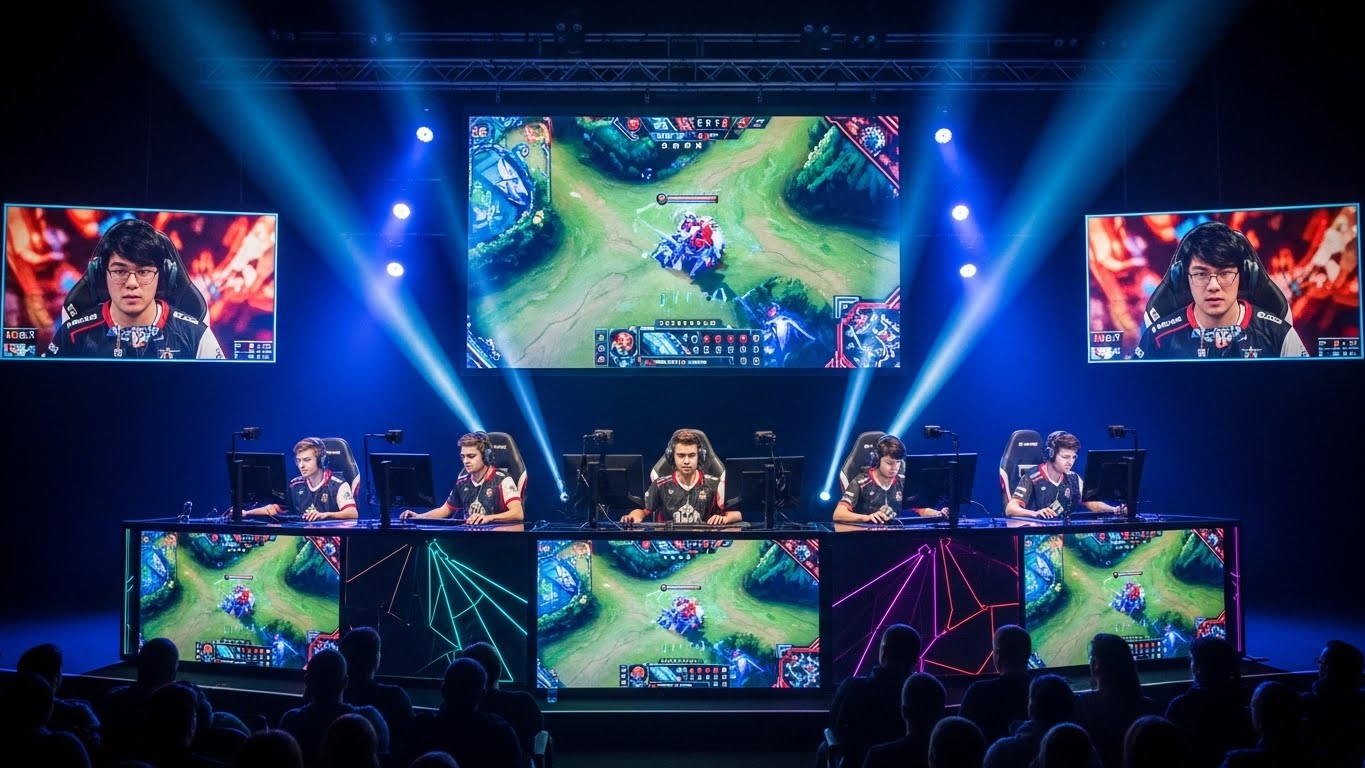
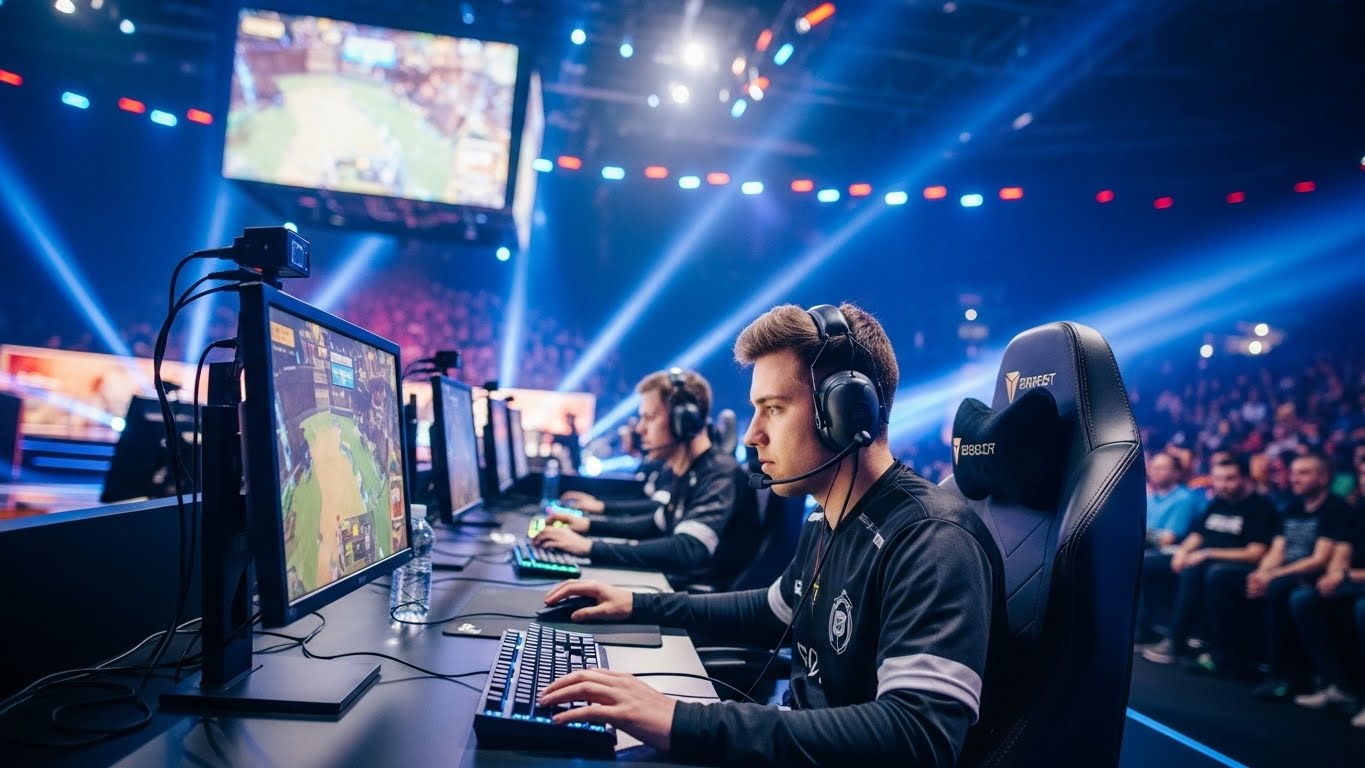
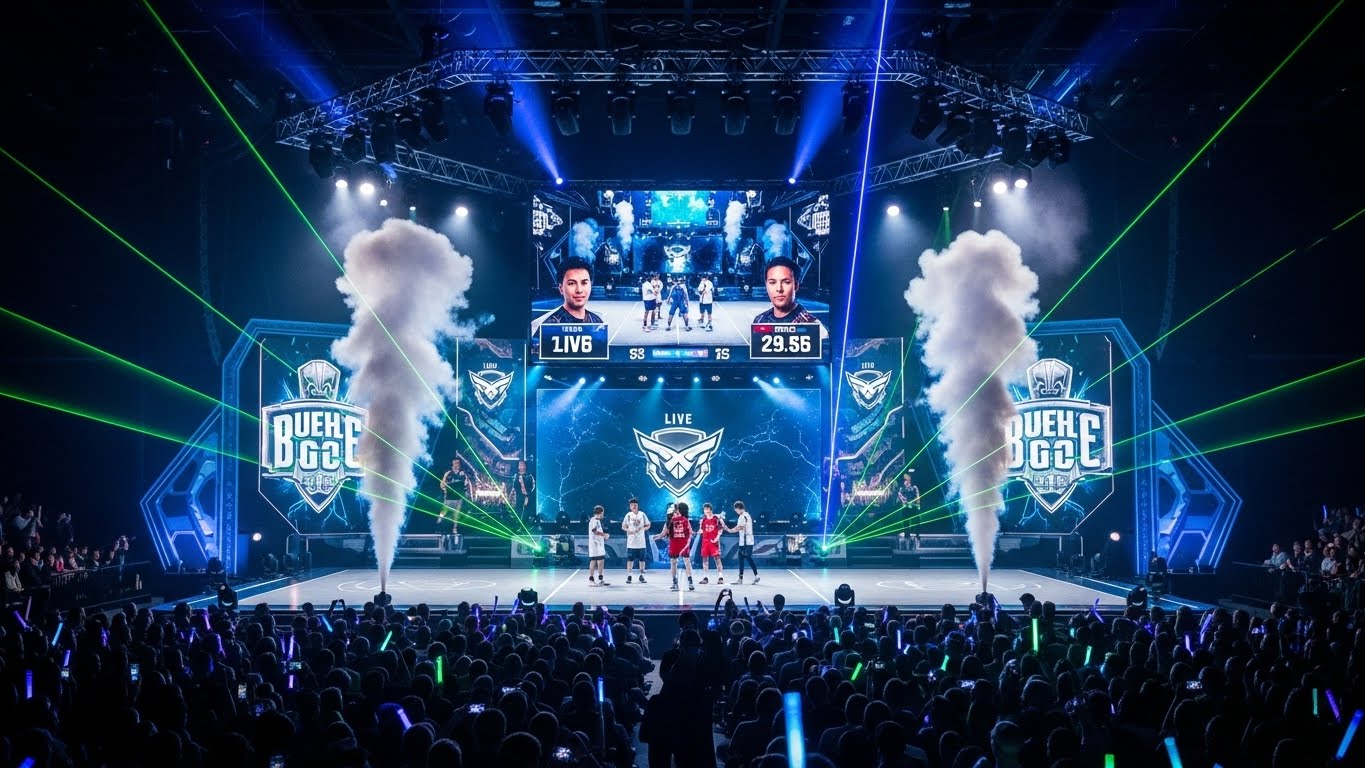
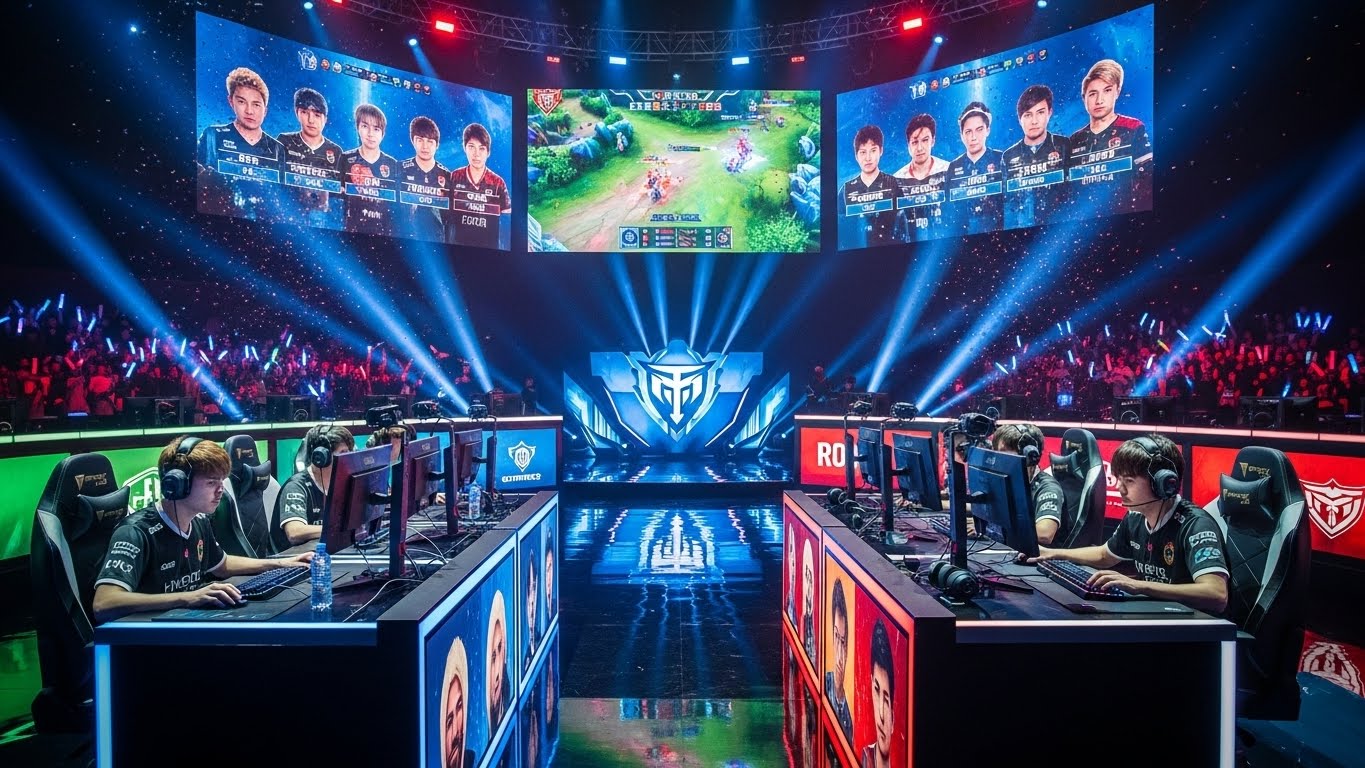
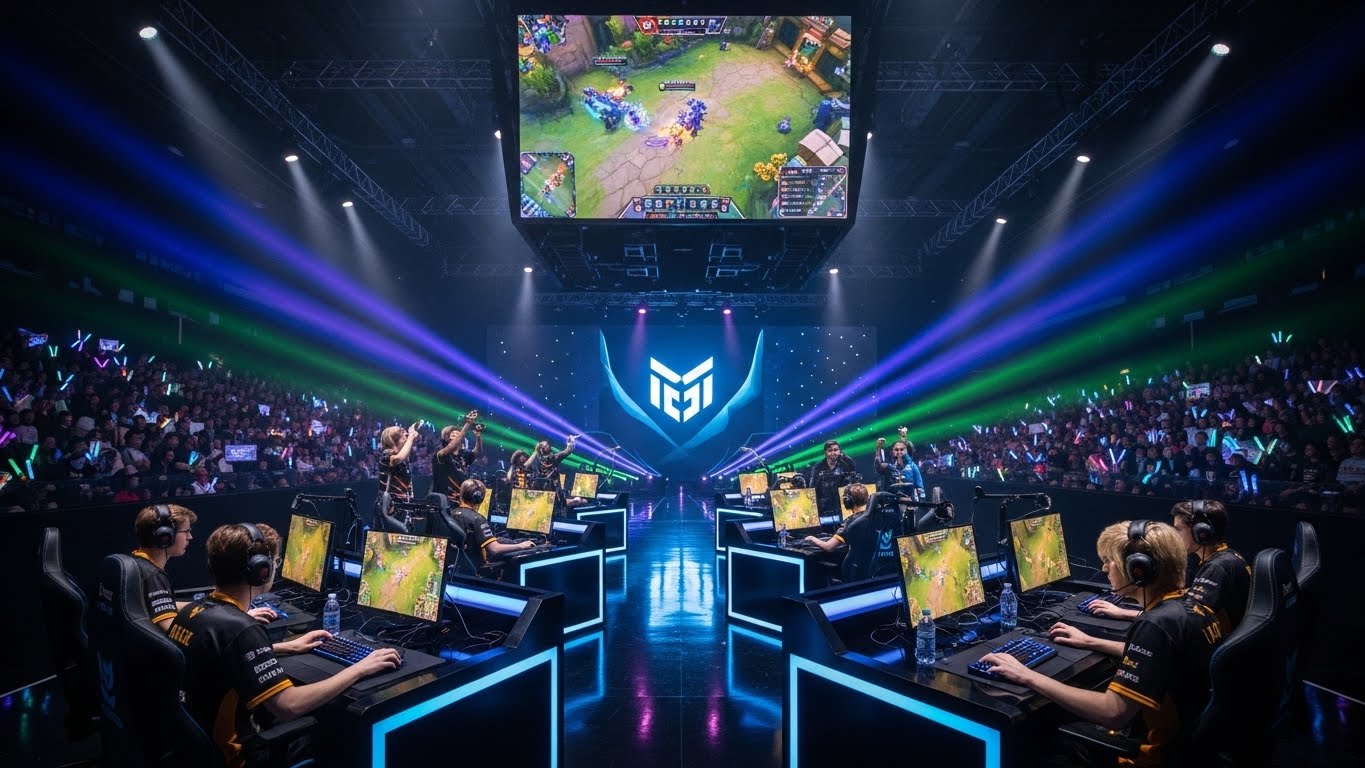
Esports, short for electronic sports, has transformed from a niche hobby into a global phenomenon that captivates millions. Over the past two decades, competitive gaming has evolved, breaking stereotypes and redefining the concept of sports. No longer just about entertainment, esports has become a serious industry, complete with professional leagues, sponsorships, and even college scholarships. This blog delves deep into the world of esports, exploring its growth, culture, and future potential.
The Origins of Esports
The roots of competitive gaming date back to the late 1970s and early 1980s, when arcade competitions became popular in the United States. Games like Space Invaders and Pac-Man were among the first to see organized tournaments. However, it was the 1990s that truly laid the foundation for modern esports. Titles such as Street Fighter II, Quake, and StarCraft began fostering competitive communities. South Korea, in particular, became a hub for professional gaming, with players achieving celebrity status.
The advent of high-speed internet in the 2000s revolutionized the scene. Online multiplayer games allowed players from across the globe to compete in real-time, and streaming platforms started making esports accessible to a wider audience. Today, esports tournaments fill arenas, attract massive online viewership, and feature multimillion-dollar prize pools, rivaling traditional sports events.
Understanding the Esports Ecosystem
The esports ecosystem is vast and complex. At its core are the games themselves, which fall into various genres. Popular categories include:
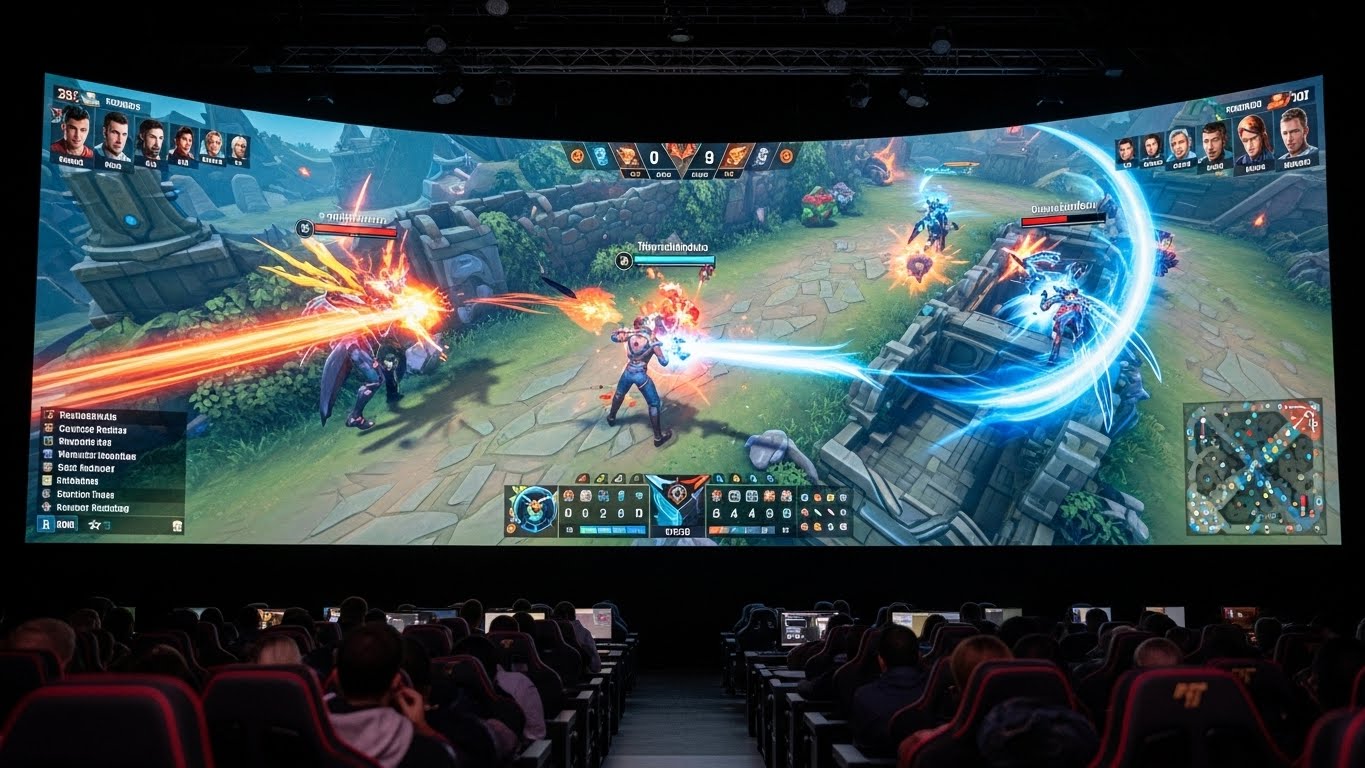
Multiplayer Online Battle Arena (MOBA) – Games like League of Legends and Dota 2 focus on strategy, teamwork, and quick decision-making. MOBA tournaments often attract millions of viewers.
First-Person Shooters (FPS) – Titles such as Counter-Strike: Global Offensive, Call of Duty, and Valorant emphasize precision, reflexes, and coordination.
Battle Royale – Games like Fortnite and PUBG revolve around survival and strategic combat in large-scale arenas.
Sports Simulations and Racing – These include virtual versions of traditional sports, like FIFA for soccer or NBA 2K for basketball, blending the worlds of gaming and real-life sports fandom.
Beyond the games, esports involves a network of professional players, teams, coaches, analysts, event organizers, sponsors, and streaming platforms. Each component plays a crucial role in creating a thriving competitive scene. Professional teams, much like traditional sports franchises, invest in training, strategy, and brand development to maintain a competitive edge.
The Rise of Esports as a Career
One of the most striking aspects of esports is its emergence as a viable career path. Professional gamers earn income through tournament winnings, sponsorship deals, streaming, and content creation. Top-tier players can make millions annually, comparable to athletes in more established sports. Beyond players, careers in esports extend to coaching, event management, game analysis, broadcasting, and marketing.
Esports also impacts education. Some universities now offer esports scholarships, recognizing gaming as a legitimate skill set. These programs often combine traditional academics with training in game strategy, teamwork, and communication. For students passionate about gaming, this creates a pathway to professional competition while pursuing higher education.
The Cultural Impact of Esports
Esports has influenced global culture in profound ways. It has redefined the perception of gaming from a casual pastime to a competitive pursuit. Gaming conventions, online forums, and live streams foster community and social interaction. Fans engage deeply with esports personalities, forming connections similar to those in traditional sports fandoms.
Streaming platforms have amplified this effect. Platforms like Twitch allow fans to watch live gameplay, interact with players, and participate in global events. This real-time interaction creates a sense of intimacy and community that traditional sports rarely achieve. Esports has also bridged cultural gaps, bringing together players and fans from diverse backgrounds, united by their love for gaming.
The Business of Esports
The financial scale of esports is staggering. Sponsorships from tech companies, apparel brands, and beverage giants are now commonplace. Advertisers see esports as a gateway to reach younger audiences who are increasingly disengaging from traditional media. Tournament organizers monetize through ticket sales, merchandise, and broadcasting rights.
Streaming revenue is another significant component. Platforms offer subscription models, ad revenue sharing, and donation systems that allow fans to support their favorite players directly. As esports grows, investors are increasingly treating it as a legitimate asset class, further professionalizing the industry.
Challenges Facing Esports
Despite its growth, esports faces several challenges. One of the most pressing is the issue of player burnout. Competitive gaming demands long hours of practice, sharp mental focus, and adaptability. This can lead to stress, fatigue, and health problems if not managed properly. Organizations are now emphasizing mental health support and structured schedules to address this concern.
Another challenge is recognition. While esports continues to gain legitimacy, it still struggles for mainstream acceptance as a “real sport.” Critics often dismiss gaming as recreational, ignoring the skill, strategy, and dedication involved. Additionally, issues such as cheating, doping, and match-fixing pose ethical and regulatory challenges that the industry must navigate.
The Future of Esports
The future of esports looks promising. Advancements in technology, such as virtual reality (VR) and augmented reality (AR), are poised to enhance the gaming experience and expand competitive possibilities. VR esports tournaments could bring unprecedented immersion, blurring the line between the virtual and physical worlds.
Esports is also likely to continue its integration with traditional sports. Partnerships between professional sports leagues and esports teams are already underway, creating crossover events and shared fan bases. Mobile esports is another area of explosive growth, particularly in regions like Southeast Asia and India, where smartphone gaming dominates.
Education and grassroots development will play a key role in sustaining growth. As more institutions invest in esports programs and youth tournaments, the talent pool will expand, ensuring a steady flow of skilled players into the professional scene.
Esports and Society
Beyond entertainment and business, esports has social implications. It encourages cognitive development, strategic thinking, teamwork, and problem-solving skills. Online competitions teach resilience, adaptability, and emotional regulation, all valuable life skills. Moreover, esports provides an inclusive space where people of different ages, genders, and physical abilities can compete on equal footing.
Esports also challenges traditional notions of physical activity and sportsmanship. While critics argue that gaming promotes sedentary lifestyles, proponents highlight the cognitive, social, and economic benefits. As the industry matures, balancing health, performance, and engagement will remain a critical focus.
Conclusion: More Than a Game
Esports is no longer just a hobby; it is a dynamic, multifaceted industry shaping the future of entertainment, sports, and technology. From its humble beginnings in arcades to global tournaments watched by millions, competitive gaming has come a long way. With professional careers, cultural influence, and technological innovation, esports is firmly establishing itself as a legitimate and transformative force.
As the industry continues to grow, it challenges perceptions, inspires innovation, and unites communities across the globe. Whether as a spectator, a player, or a professional in the ecosystem, engaging with esports offers insight into the next frontier of competition, collaboration, and human creativity. Beyond the screen, esports is more than a game—it is a cultural revolution.