 hubvault77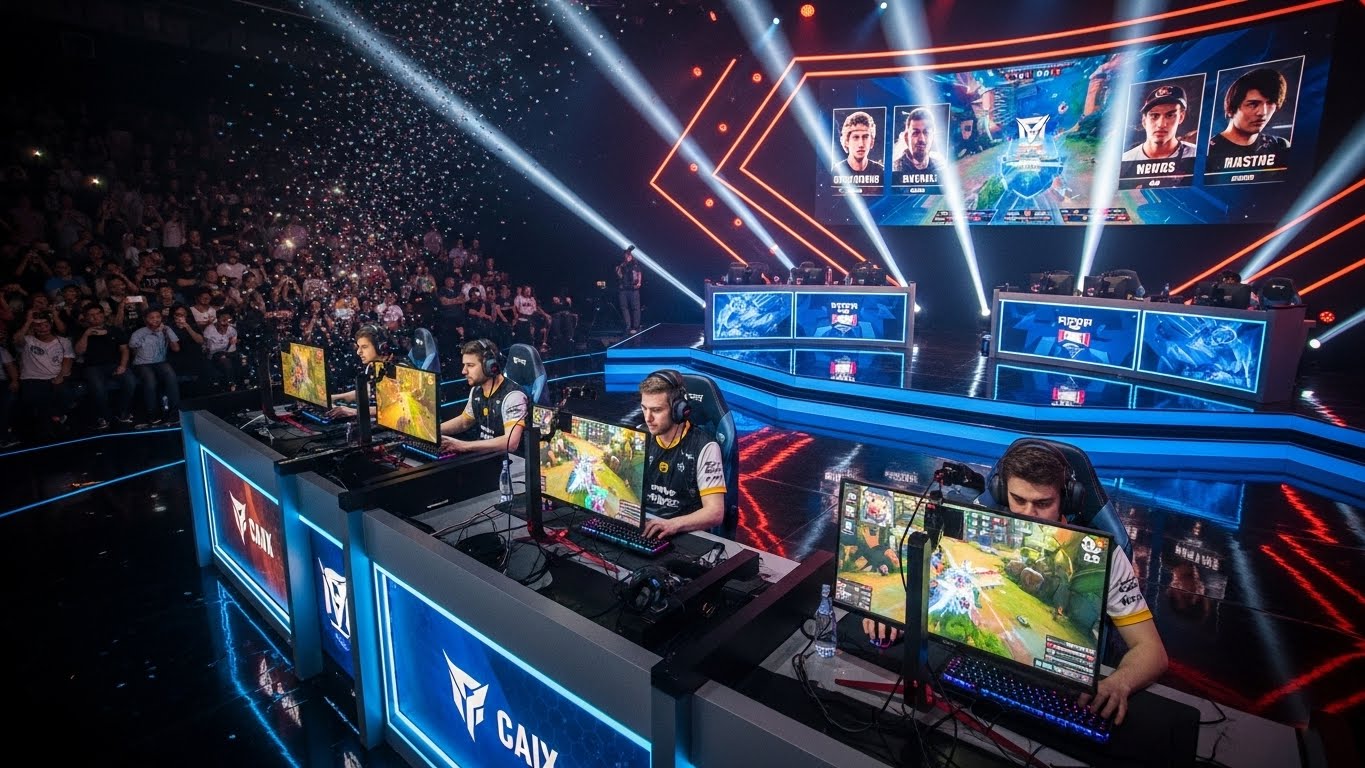
In the world of entertainment and competition, few phenomena have grown as rapidly as esports. What was once a niche hobby for a small group of gamers has evolved into a multi-billion-dollar global industry. With massive online tournaments, professional teams, sponsorships from major brands, and an ever-growing audience, esports has firmly established itself as a mainstream activity. This blog explores the rise of esports, its impact on the gaming community, the business opportunities it presents, and the cultural influence it wields in the modern world.
The Origins of Esports
Esports, or electronic sports, refers to organized, multiplayer video game competitions, particularly between professional players, individually or as teams. The term “esports” was first used in the late 20th century, but the origins of competitive gaming go back much further. In the 1970s and 1980s, competitive arcade games like Space Invaders and Pong laid the groundwork for what would later become esports. Early tournaments were relatively small, but they sparked interest in gaming as a competitive pursuit.
The true explosion of esports came in the late 1990s and early 2000s, with the rise of games like StarCraft, Warcraft, and Quake. These games were pivotal in shaping the competitive gaming landscape, and the introduction of online play allowed players from all over the world to compete against each other. Major tournaments such as the Cyberathlete Professional League (CPL) and World Cyber Games (WCG) began to gain traction, and esports started to receive attention from the media and major sponsors.
The Growth of Esports: From Niche to Mainstream
Today, esports is a global phenomenon. According to recent reports, the esports industry is worth over $1 billion, with the potential to grow even more in the coming years. The rise of platforms like Twitch, YouTube Gaming, and Mixer has played a crucial role in bringing esports to a broader audience. These platforms allow fans to watch live streams of their favorite players, teams, and tournaments, providing unprecedented access to the world of competitive gaming.
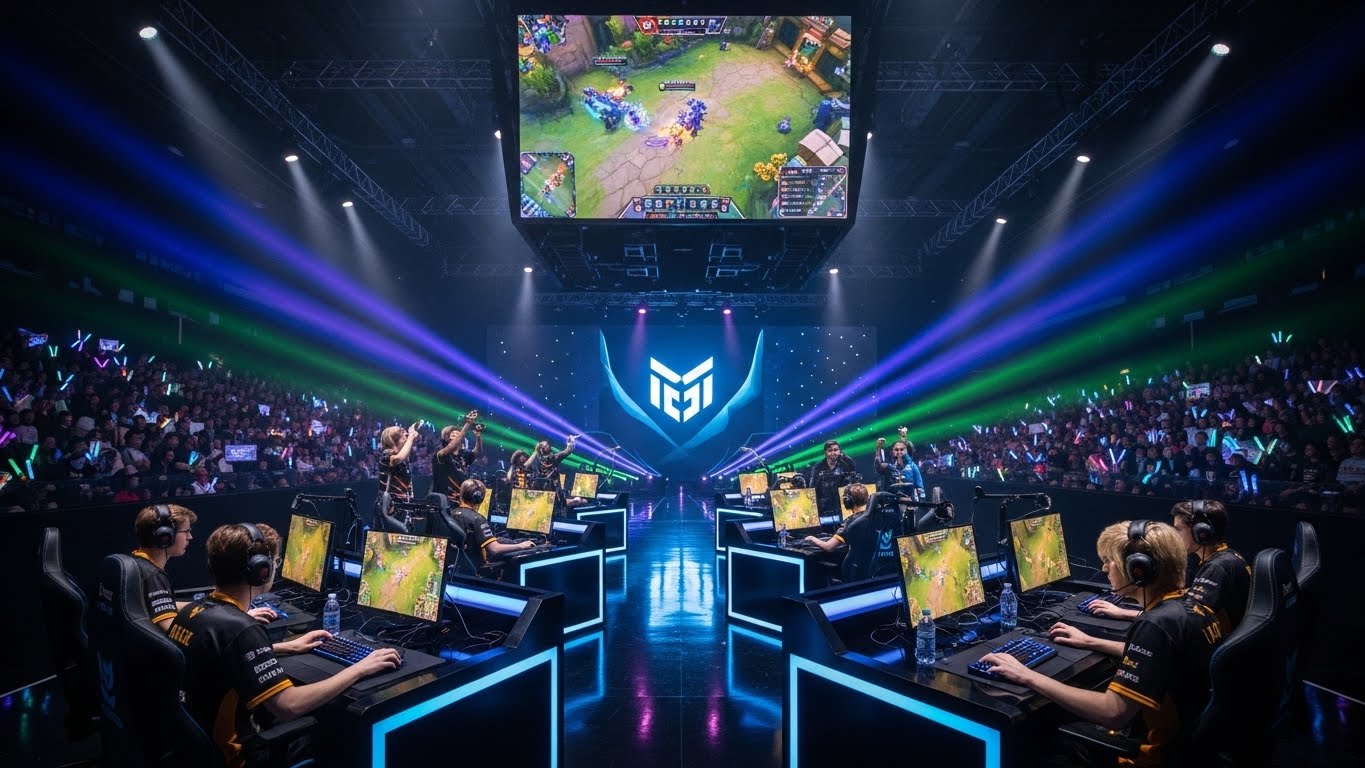
Esports events, such as the League of Legends World Championship, The International (Dota 2), and Fortnite World Cup, now draw millions of viewers, with some events surpassing traditional sporting events in terms of viewership. Esports has also found its way into mainstream media, with major television networks and digital platforms broadcasting major tournaments. Esports athletes are celebrated as stars, and the games themselves have become cultural touchstones for a new generation of fans.
The Esports Ecosystem: Teams, Tournaments, and Sponsors
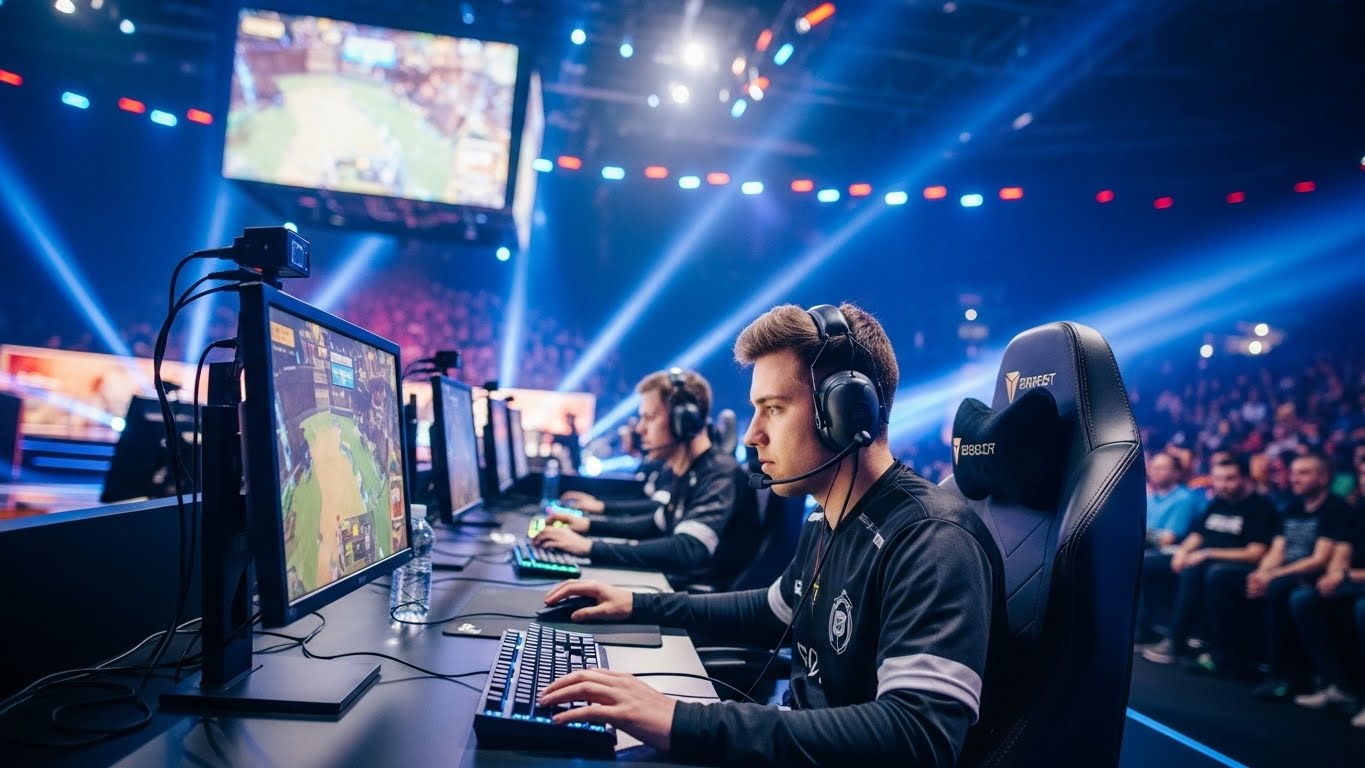
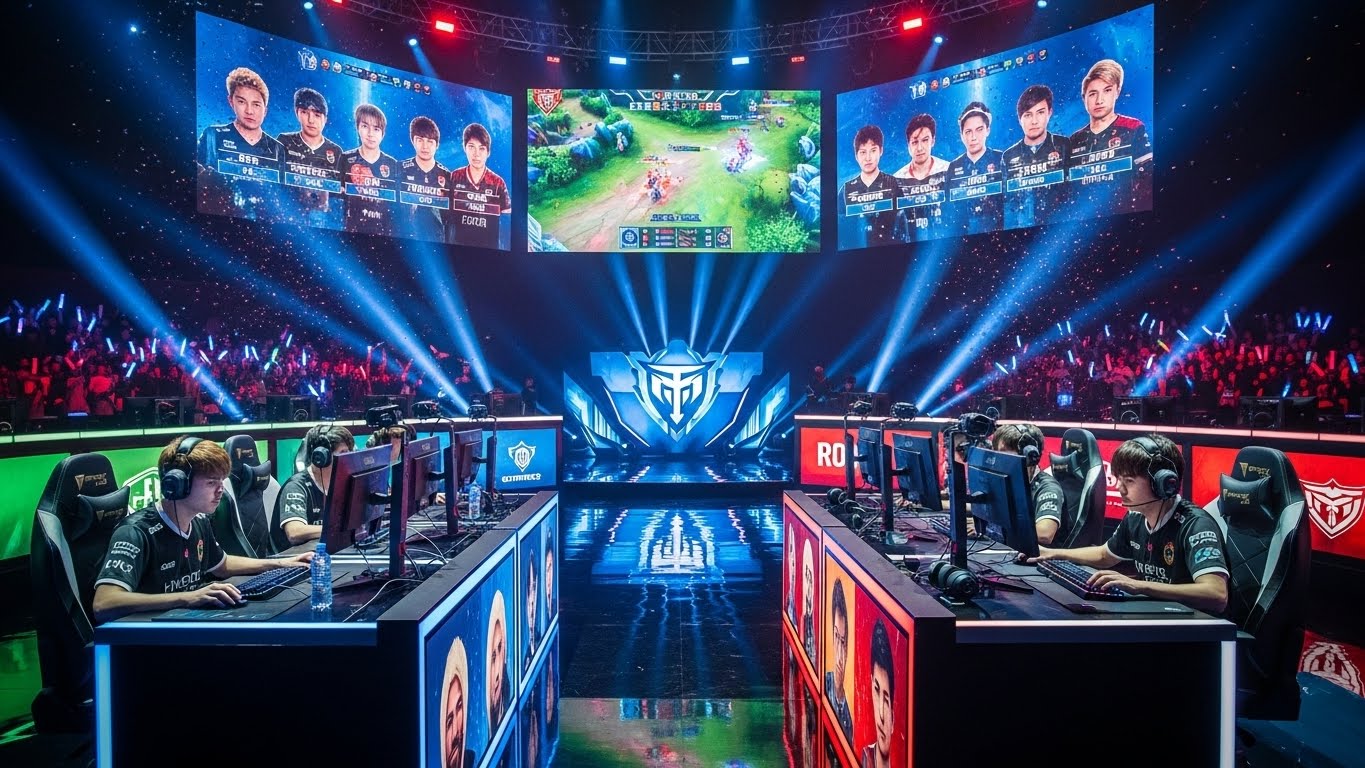
Esports is not just about playing games; it’s a complex ecosystem that involves players, teams, sponsors, broadcasters, and fans. Professional esports teams are structured similarly to traditional sports teams, with players, coaches, analysts, and support staff. These teams compete in various leagues and tournaments, often with the support of major sponsors and organizations.
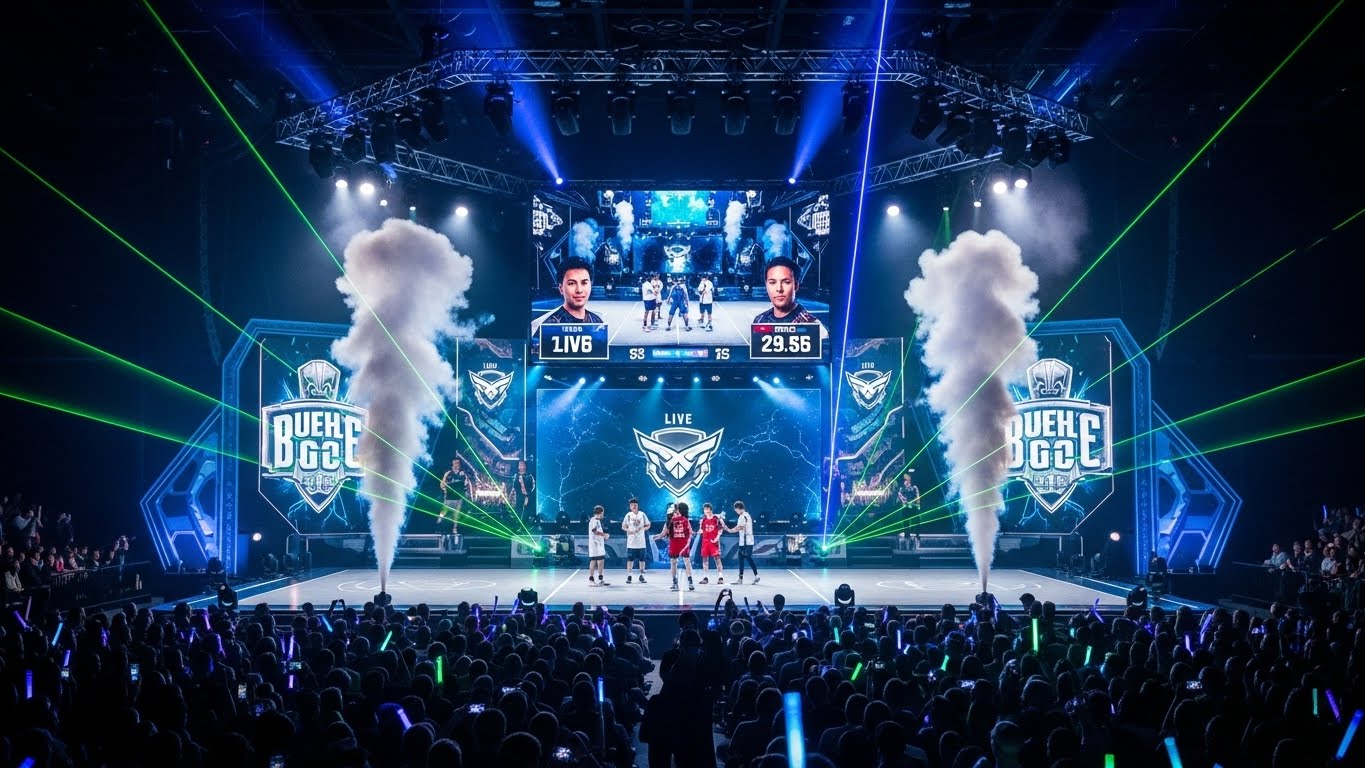
Esports tournaments are the heart of the competitive scene. Events can range from local competitions with small prize pools to massive international tournaments with millions of dollars in prizes. These tournaments are often organized by game developers, third-party organizations, or esports leagues. They offer a platform for the world’s best players and teams to showcase their skills and compete for prestige and financial rewards.
Sponsors play a critical role in the growth of esports. Brands from industries like technology, energy drinks, apparel, and even luxury cars have invested heavily in the esports market. The association with esports helps these brands reach a young, tech-savvy audience. In return, sponsors provide financial backing, equipment, and marketing support for esports events and players. This symbiotic relationship has turned esports into a viable business, attracting both corporate and grassroots investment.
The Appeal of Esports: What Makes It So Popular?
The rapid growth of esports can be attributed to several factors, each contributing to its unique appeal. First, esports offer an immersive experience for fans. Unlike traditional sports, where fans are physically separated from the action, esports allows for a digital connection to the gameplay. Fans can watch live streams of their favorite games, interact with players through chat features, and even attend live events through virtual reality.
Another major factor is accessibility. Unlike traditional sports, where talent, training facilities, and physical prowess can be barriers to entry, esports is open to anyone with a computer or gaming console. Whether someone is playing League of Legends or Call of Duty, they can compete at a high level regardless of their background. This accessibility makes esports a truly global phenomenon, with players from every corner of the world.
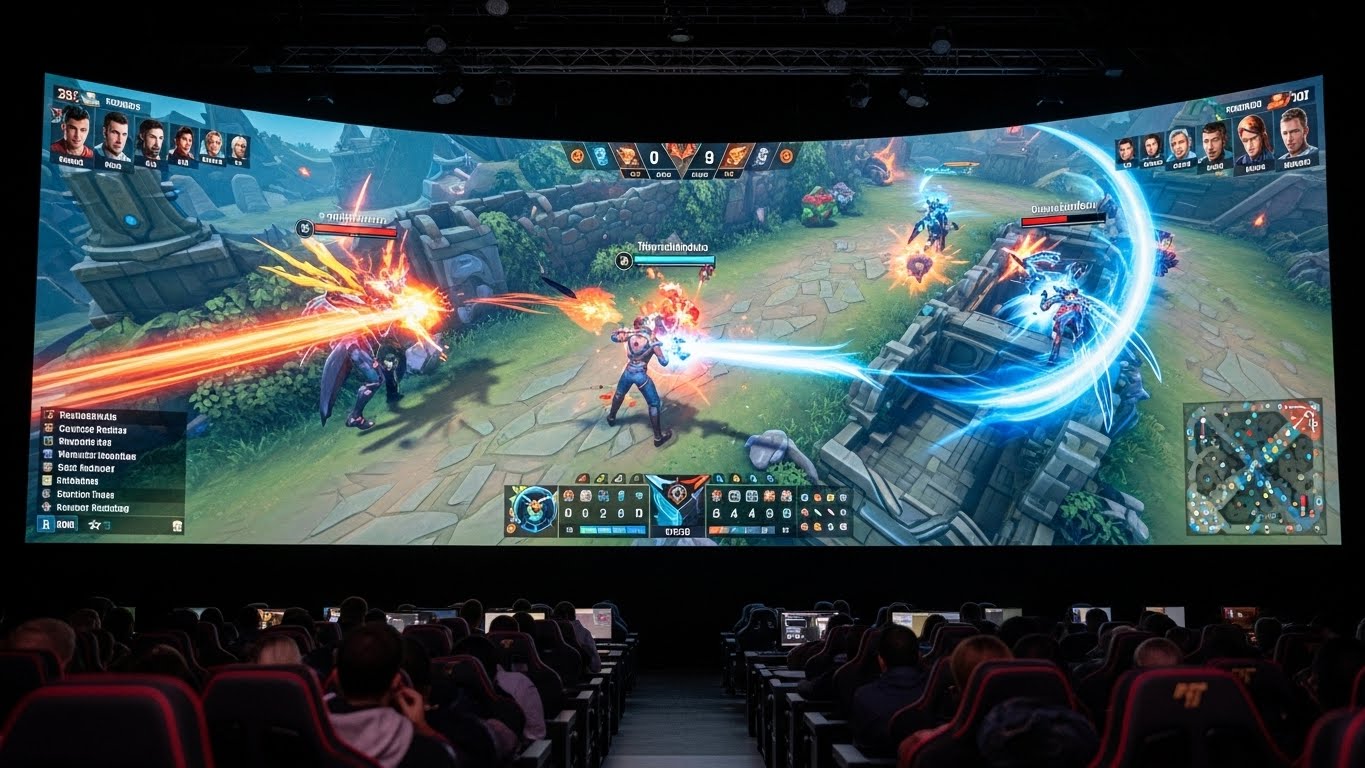
Esports also provide a high level of engagement. The action-packed, fast-paced nature of the games makes them incredibly exciting to watch. Whether it’s a strategic play in Dota 2 or a clutch moment in Counter-Strike, the suspense and drama of esports competitions create a thrilling spectator experience. Moreover, esports are often accompanied by commentary, analysis, and community discussions, which help fans stay informed and involved with the scene.
The Impact of Esports on Traditional Sports
Esports has had a profound impact on traditional sports, both in terms of viewership and sponsorship. Major sports leagues, including the NFL, NBA, and FIFA, have begun to recognize the popularity of esports and its potential to engage younger audiences. Many professional athletes, including LeBron James and David Beckham, have invested in esports teams and organizations, bridging the gap between traditional sports and competitive gaming.
Esports has also introduced new models of competition. For example, the idea of a “league system” for games like Overwatch and Call of Duty mirrors the structure of traditional sports leagues, with regular seasons and playoffs. This structure has helped elevate esports to the level of traditional sports, offering fans a consistent and organized schedule of events.
Furthermore, esports has made inroads into mainstream culture, with universities offering scholarships for esports athletes and some even establishing their own esports programs. This trend has helped normalize esports as a legitimate career path, offering young players the opportunity to turn their passion for gaming into a profession.
The Challenges Facing Esports
Despite its rapid growth, esports faces several challenges. One of the biggest issues is player burnout. Professional esports players often have grueling schedules, with intense practice sessions, tournaments, and travel demands. The pressure to perform at the highest level can take a toll on mental health, and many players face stress, anxiety, and even depression. This has led to discussions about the need for better mental health support and improved work-life balance within the esports industry.
Another challenge is the lack of regulation. While traditional sports have established governing bodies, esports is still largely unregulated. This can lead to issues like match-fixing, cheating, and disputes over player contracts. As esports continues to grow, there is a need for industry-wide standards to ensure fairness and integrity in the competitions.
Esports is also grappling with issues of diversity and inclusion. While the gaming community is inherently diverse, the esports scene has historically been dominated by male players. Efforts are being made to create more opportunities for women and underrepresented groups in esports, but there is still progress to be made in achieving true equality.
The Future of Esports
The future of esports is incredibly promising. As technology continues to evolve, esports is likely to see further advancements in terms of gameplay, streaming, and fan engagement. Virtual reality and augmented reality could offer new ways to experience games, allowing fans to interact with the action like never before. Esports will continue to attract more sponsorships, partnerships, and investment, making it a viable career for many young gamers.
Additionally, the rise of mobile gaming presents a new frontier for esports. Games like PUBG Mobile and Clash Royale are already seeing significant competitive scenes, and mobile esports could become a dominant force in the years to come. The increasing popularity of mobile esports opens up opportunities for players who don’t have access to high-end gaming PCs or consoles but still want to compete at the highest level.
As esports continues to grow, we can expect to see it further integrated into mainstream culture. Whether through television broadcasts, movie adaptations, or celebrity endorsements, esports will become even more deeply woven into the fabric of entertainment. The lines between traditional sports and esports will continue to blur, with both industries benefiting from the growth and innovation of the other.
Conclusion
Esports has come a long way from its humble beginnings. What started as a hobby for dedicated gamers has now become a global industry with millions of fans, professional players, and lucrative opportunities. With its growth, esports has not only revolutionized the gaming world but also changed the way we think about competition, entertainment, and culture. While challenges remain, the future of esports is bright, and it’s clear that it is here to stay.
Whether you’re a player, a fan, or a curious observer, esports offers something for everyone. It brings people together, fosters creativity, and provides a platform for anyone to dream big and achieve greatness. As the digital age continues to evolve, esports will remain at the forefront of competitive gaming, captivating audiences and inspiring the next generation of gamers and athletes.