 hubvault77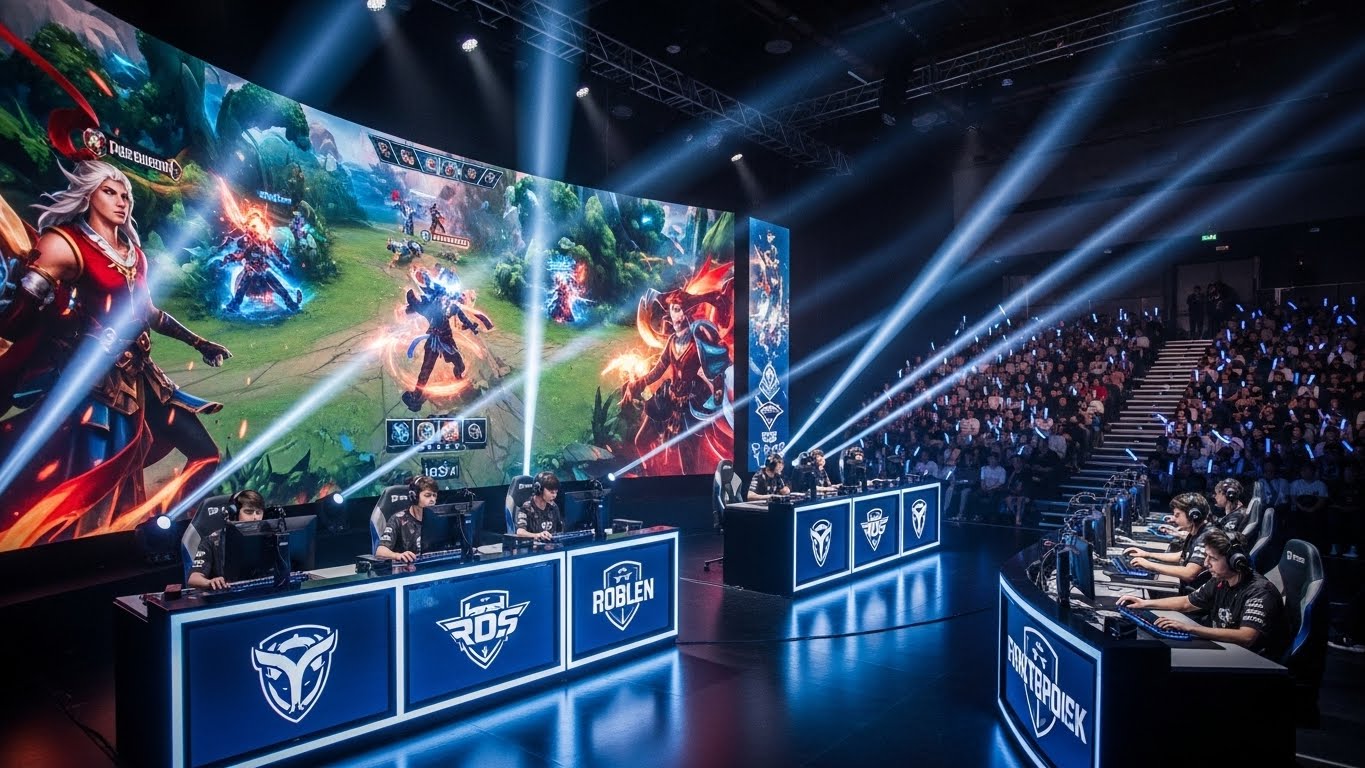
Esports, short for electronic sports, has grown from a niche pastime enjoyed by a small group of enthusiasts to a massive global phenomenon. What was once considered a hobby for a select few has transformed into a multi-billion dollar industry, complete with professional players, global tournaments, and millions of fans. In this blog, we’ll explore the evolution of esports, its impact on the gaming industry, the rise of competitive gaming as a mainstream sport, and what the future holds for this exciting sector.
The Humble Beginnings of Esports
Esports didn’t start with massive arenas or streaming platforms like Twitch. In fact, the roots of competitive gaming can be traced back to the 1970s and 1980s. The earliest form of gaming competitions began with arcade games such as Space Invaders, which held the first-ever national video game competition in 1980. While these early competitions were small, they set the groundwork for what would eventually evolve into modern esports.
In the late 1990s, the rise of personal computers and the internet began to open up new opportunities for gaming. The advent of multiplayer games like Quake and StarCraft marked a significant turning point. Online gaming communities started forming, and local area network (LAN) parties became a popular way to bring people together to compete.
The formation of the first esports organizations, such as The Cyberathlete Professional League (CPL), helped establish a formal structure for professional gaming. These early events were relatively small, but they attracted a dedicated following, and the idea of competitive gaming began to take shape.
The Growth of Online Gaming and Streaming
The late 2000s and early 2010s marked a pivotal time for esports. The rapid advancement of broadband internet allowed games to be played online at a global scale. This opened the doors for a whole new level of competition, as players from different parts of the world could compete against each other in real-time. The rise of popular titles like League of Legends, Dota 2, Counter-Strike: Global Offensive, and StarCraft II provided the foundation for competitive gaming to go mainstream.
Streaming platforms such as Twitch and YouTube Gaming were essential in helping esports grow into the spectacle it is today. Twitch, founded in 2011, allowed gamers to live-stream their gameplay, enabling a direct connection between players and their fans. This real-time interaction fostered a sense of community and helped create an environment where viewers could watch tournaments live, support their favorite players, and engage in real-time commentary.
By the mid-2010s, esports had officially entered the mainstream. Tournaments were being broadcast on major streaming platforms, and big-name sponsors began to take notice. Esports organizations started to form sponsorship deals with global brands such as Intel, Coca-Cola, and Red Bull. These sponsorships provided the financial backing needed to scale esports to new heights, allowing for larger events and bigger prize pools.
Esports as a Professional Sport
One of the most significant milestones in the evolution of esports was its recognition as a professional sport. In 2013, South Korea, a country often considered the epicenter of esports, granted professional gaming its own category of sports. This recognition paved the way for esports to be taken seriously by a wider audience, especially in countries like the United States and Europe.
The growing interest in esports led to the creation of professional leagues, with the Overwatch League and Call of Duty League being among the most prominent. These leagues followed the traditional sports model by creating franchised teams, which provided players with contracts, salaries, and benefits. The structure of these leagues also provided a more stable environment for players to develop their careers.
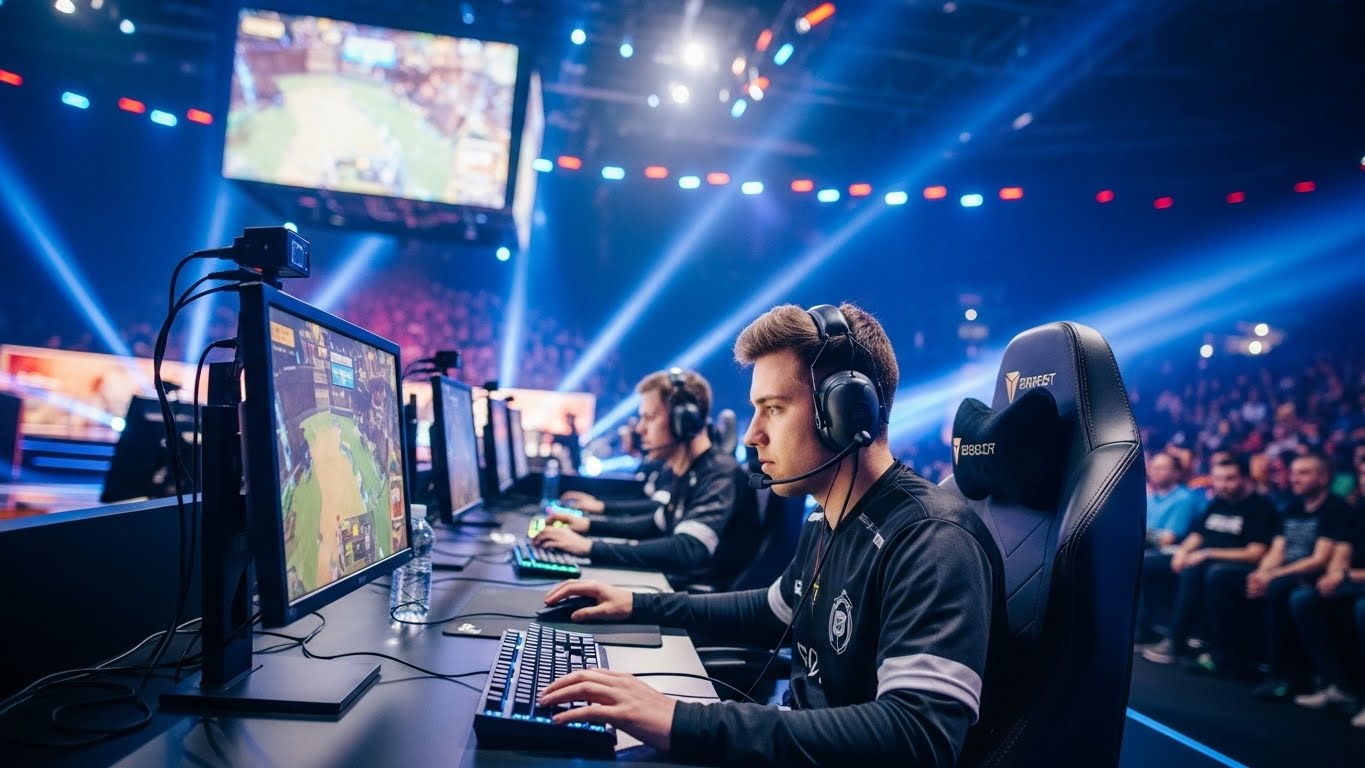
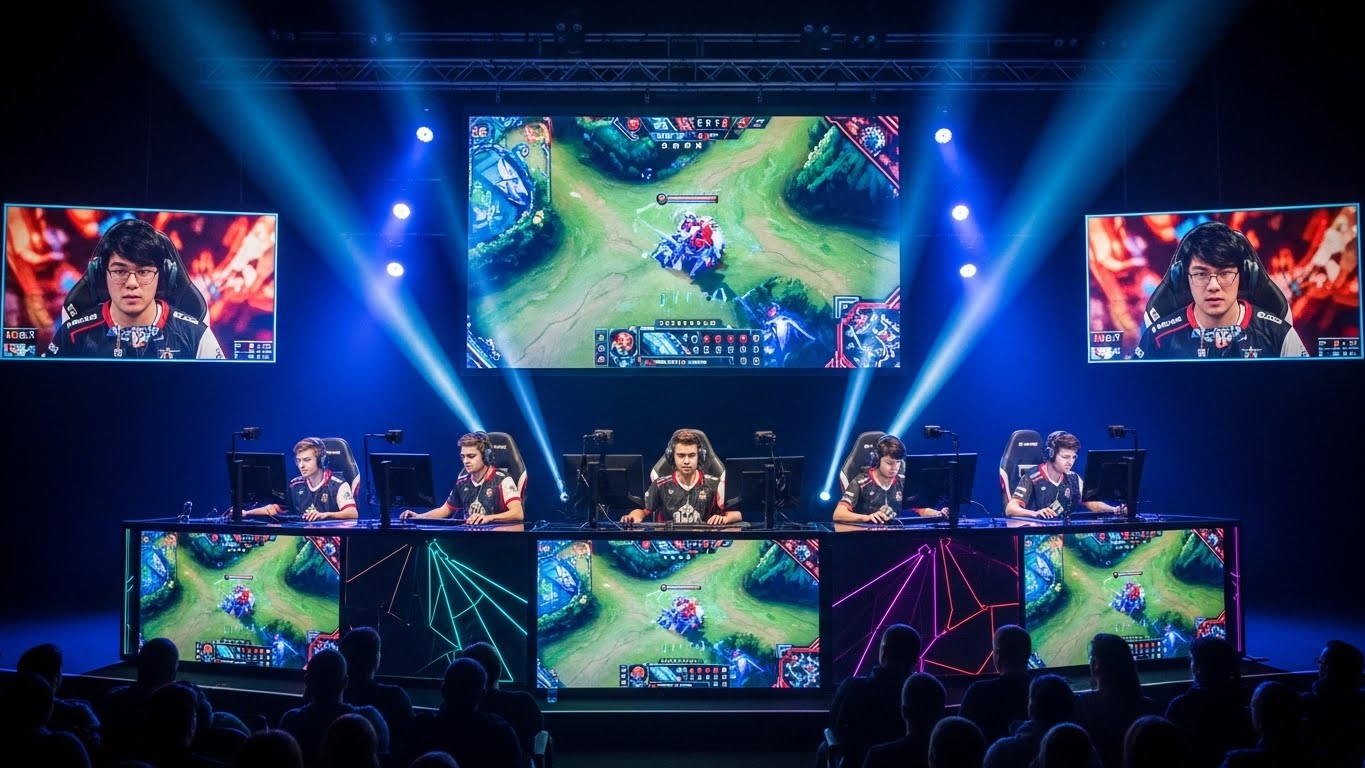
Esports teams are now built like traditional sports teams, with coaches, analysts, and managers to help players improve their skills and achieve success in high-stakes competitions. Some esports organizations have even built training facilities to foster a professional environment for their players. In some ways, esports has mirrored traditional sports in terms of its structure and organization.
The Rise of Esports Tournaments and Prize Pools
One of the key factors in the rise of esports has been the growth of major tournaments and the enormous prize pools that attract top-tier talent. The International (TI) for Dota 2 is perhaps the most well-known example of how large esports tournaments have become. With prize pools regularly exceeding $30 million, the International is the epitome of high-stakes competitive gaming.
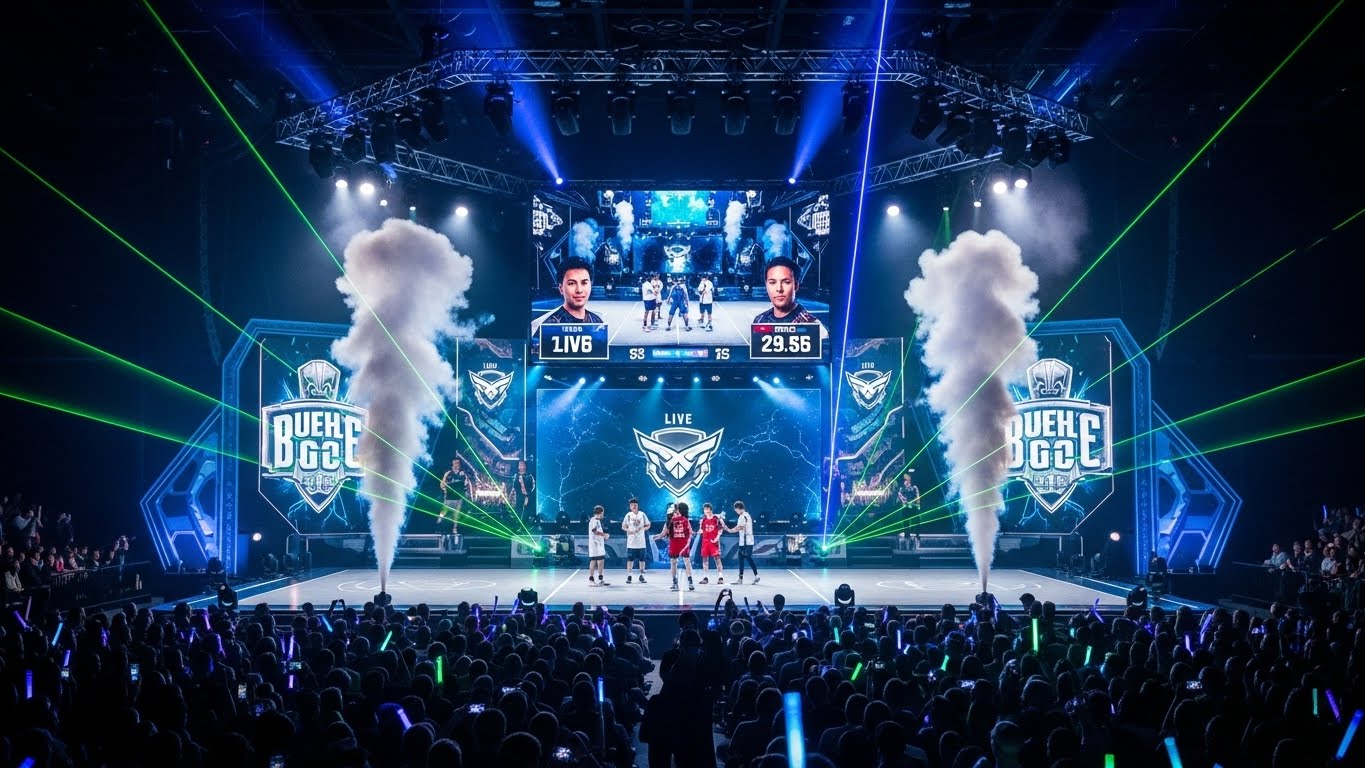
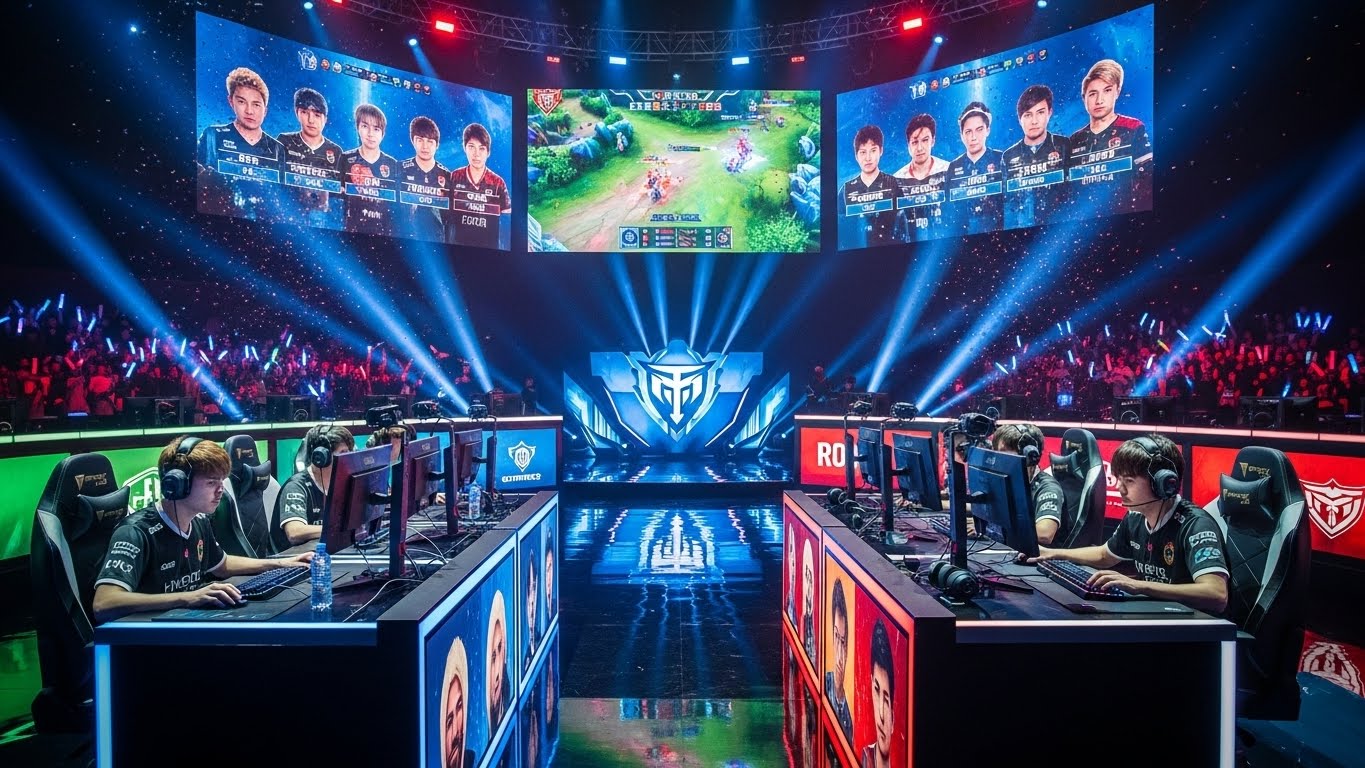
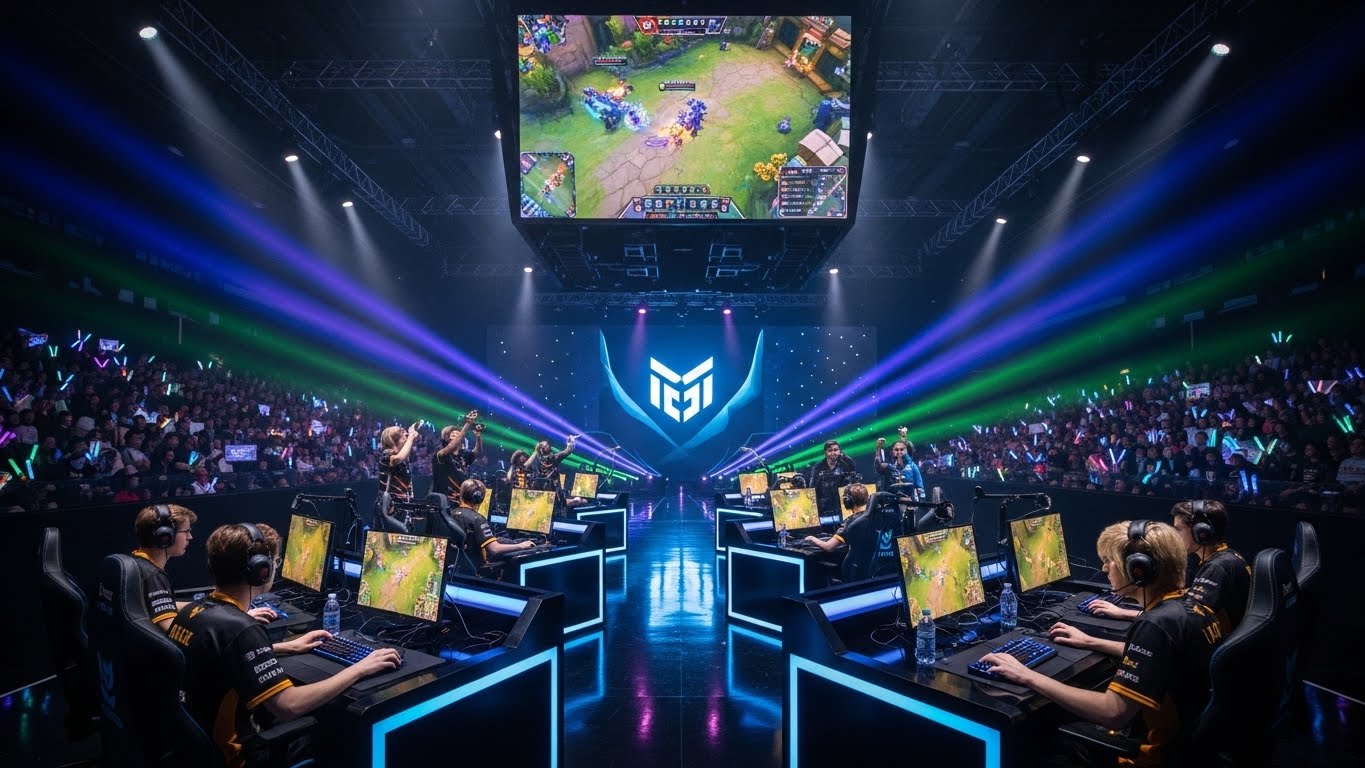
Other major esports tournaments, such as League of Legends World Championship, IEM Katowice, and Overwatch World Cup, have also attracted global attention, drawing in millions of viewers both online and in person. Esports tournaments are now held in huge arenas, with sold-out crowds of passionate fans cheering on their favorite teams and players.
The growth of esports prize pools has also led to an increase in sponsorships and partnerships, with companies like Alienware, ASUS, and HyperX providing the equipment needed for professional gamers to compete at the highest level. These tournaments are now multi-day events with live broadcasts, commentary, and analysis, providing fans with an experience similar to traditional sports events.
The Esports Audience: A Global and Diverse Community
Esports has always had a diverse audience, but it has become even more so as the industry grows. While traditional sports have often been dominated by specific demographics, esports appeals to a wide range of viewers across different age groups, nationalities, and backgrounds.
One of the most remarkable aspects of esports is its ability to bring together fans from all over the world. The rise of online streaming has allowed fans to watch tournaments from anywhere, regardless of their location. As a result, esports has become a truly global phenomenon, with fans in North America, Europe, Asia, and even Africa.
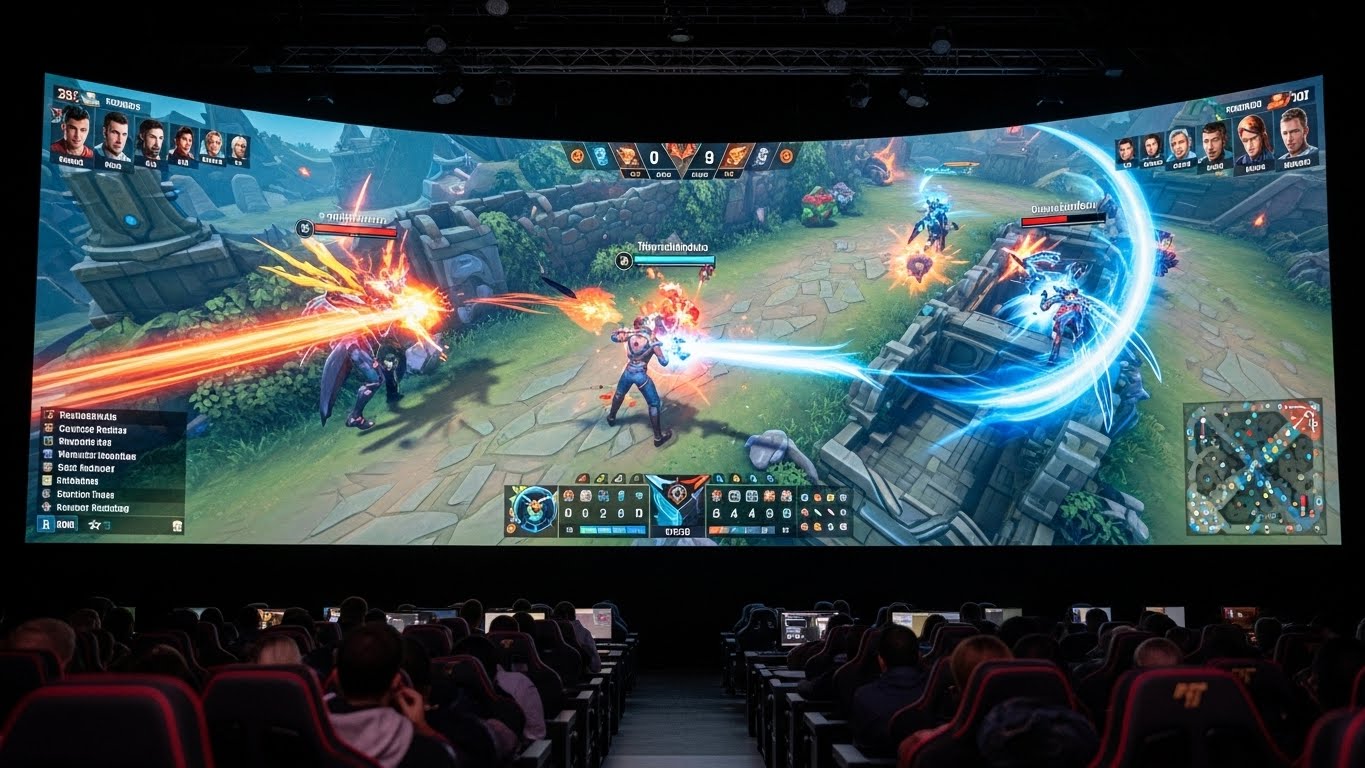
Additionally, the diversity of games played in esports has helped attract different types of players and fans. While League of Legends and Dota 2 dominate in terms of viewership, games like Fortnite, Call of Duty, and Valorant have also garnered huge followings. Each of these games has its own unique appeal, attracting players and viewers who enjoy different styles of play, ranging from fast-paced shooters to strategy-based MOBAs.
Esports has also contributed to the normalization of gaming as a social activity. Many fans not only watch competitions but also play games themselves, forming communities around their favorite titles. Social media platforms like Twitter, Instagram, and Discord have further enhanced the interaction between players and their fanbases.
The Impact of Esports on the Gaming Industry
Esports has had a profound effect on the gaming industry, changing the way games are developed, marketed, and played. Many game developers now design games with competitive play in mind, creating features like ranked ladders, tournaments, and spectator modes to encourage esports involvement.
Additionally, esports has changed the way games are monetized. While traditional video games are often sold as one-time purchases, esports titles frequently adopt a free-to-play model with microtransactions. This model has proven successful, as games like League of Legends and Fortnite have generated billions in revenue through in-game purchases while maintaining a competitive esports scene.
The influence of esports has also led to the development of gaming hardware specifically designed for professional players. High-performance gaming PCs, monitors with faster refresh rates, gaming mice, and mechanical keyboards have become essential tools for competitive gamers. These products are often developed in collaboration with esports organizations and players, ensuring that the equipment meets the demands of professional gaming.
The Future of Esports
Looking ahead, the future of esports seems bright, with several factors poised to drive further growth. One of the most exciting developments is the increasing integration of virtual reality (VR) and augmented reality (AR) into esports. These technologies have the potential to create even more immersive and engaging experiences for players and fans alike.
Another major trend is the continued rise of mobile esports. With the increasing popularity of mobile gaming in countries like China and India, mobile esports tournaments are gaining traction. Games like PUBG Mobile and Mobile Legends have already created thriving competitive scenes, and this trend is expected to expand in the coming years.
Additionally, the rise of streaming platforms and content creation has opened up new career opportunities for esports players and influencers. Many players now have the chance to build their personal brands by streaming, creating YouTube content, and engaging with their communities on social media. This has made esports an attractive career option for young gamers who aspire to be professional players, streamers, or content creators.
Conclusion
Esports has come a long way since its humble beginnings in the 1970s, growing into a global industry with millions of fans and players. The rise of online gaming, streaming platforms, and major tournaments has allowed esports to transcend the realm of niche gaming and become a mainstream sport. With professional leagues, massive prize pools, and a diverse, global audience, esports has earned its place in the cultural zeitgeist.
As the gaming industry continues to evolve, esports will undoubtedly play a central role in shaping the future of entertainment. The integration of new technologies like VR and AR, the expansion of mobile esports, and the continued rise of content creators all point to an exciting future for competitive gaming.
Esports is not just a trend—it’s a cultural movement that is here to stay. Whether you’re a player, a fan, or someone who’s just discovering the world of esports, it’s clear that this rapidly growing industry has something for everyone.