 hubvault77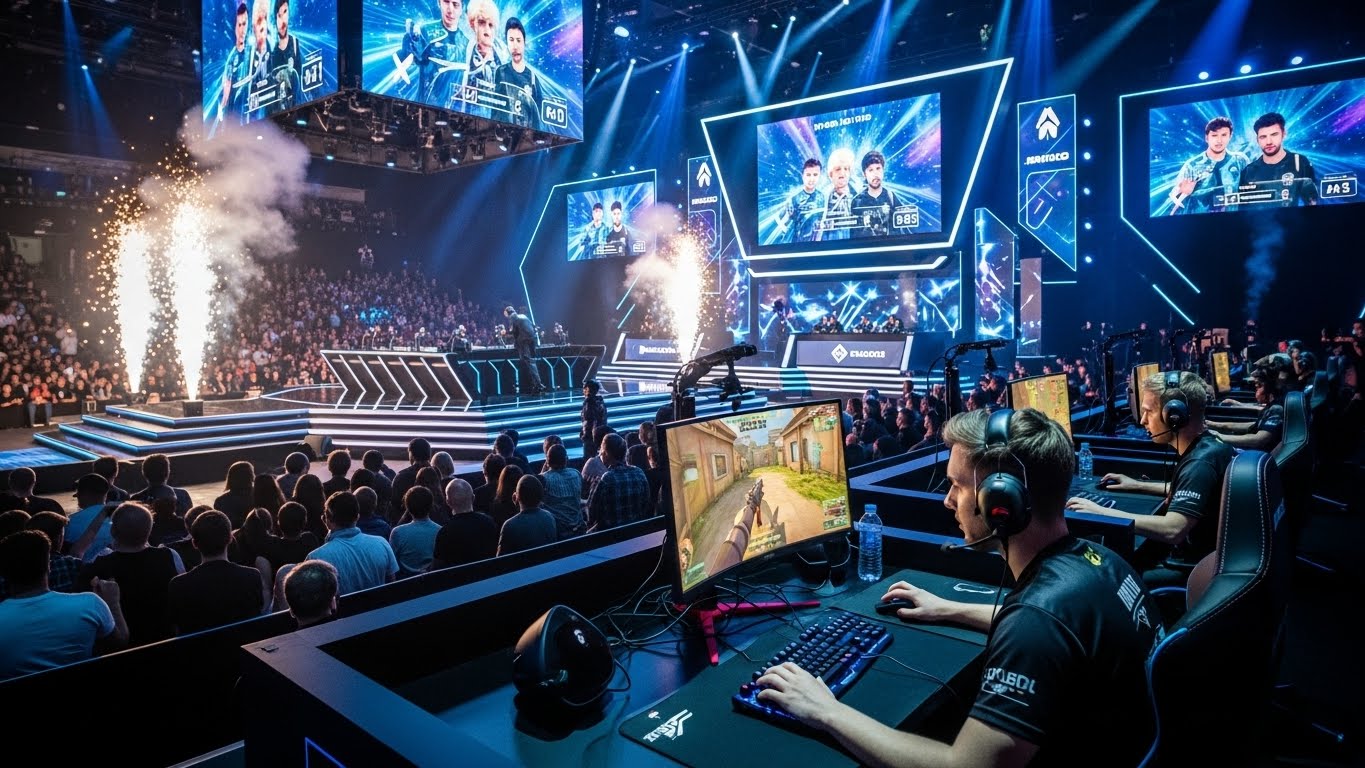
Introduction: The Digital Arena Comes Alive
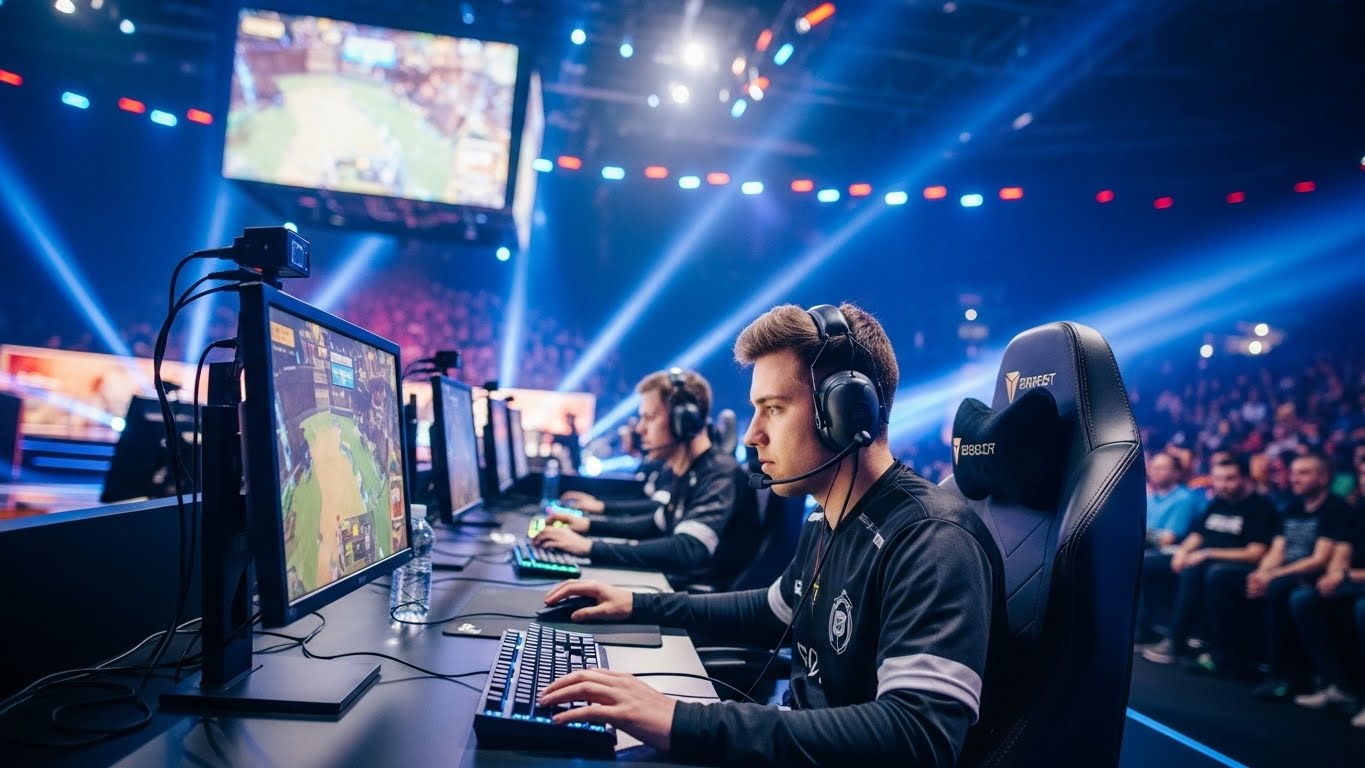
In the last two decades, the world of gaming has transformed from casual entertainment into a multi-billion-dollar industry. Esports, or competitive gaming, has become a global phenomenon where players compete at professional levels, fans fill stadiums, and tournaments are broadcast to millions of viewers worldwide. Far from being a niche hobby, esports has emerged as a legitimate sport, a career path, and a cultural force that transcends borders, age, and traditional ideas of competition. This blog explores the rise of esports, its cultural significance, the careers it creates, and the challenges it faces, providing a comprehensive view of why esports is much more than just gaming.
The Origins of Esports
Esports did not emerge overnight. Its roots trace back to the early 1980s, when video game competitions started in arcades. High scores and leaderboard rankings offered players recognition, while local tournaments built communities around competitive gaming.
The 1990s and early 2000s saw the growth of multiplayer PC games and LAN tournaments. Games like StarCraft, Counter-Strike, and Warcraft introduced strategic depth, team collaboration, and large-scale competitions that laid the foundation for professional esports. With the advent of the internet and broadband connectivity, players from different regions could compete online, and esports began to take on a global scale.
The Global Expansion of Esports
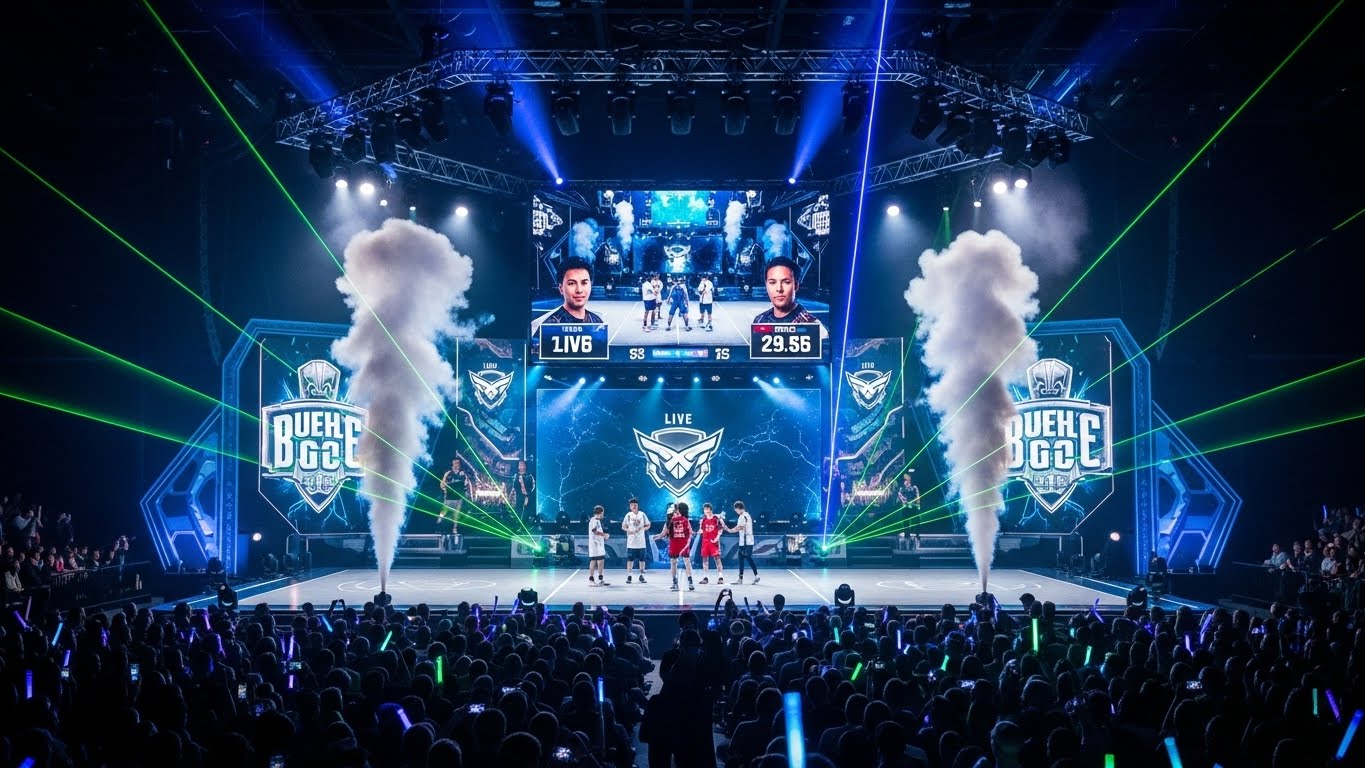
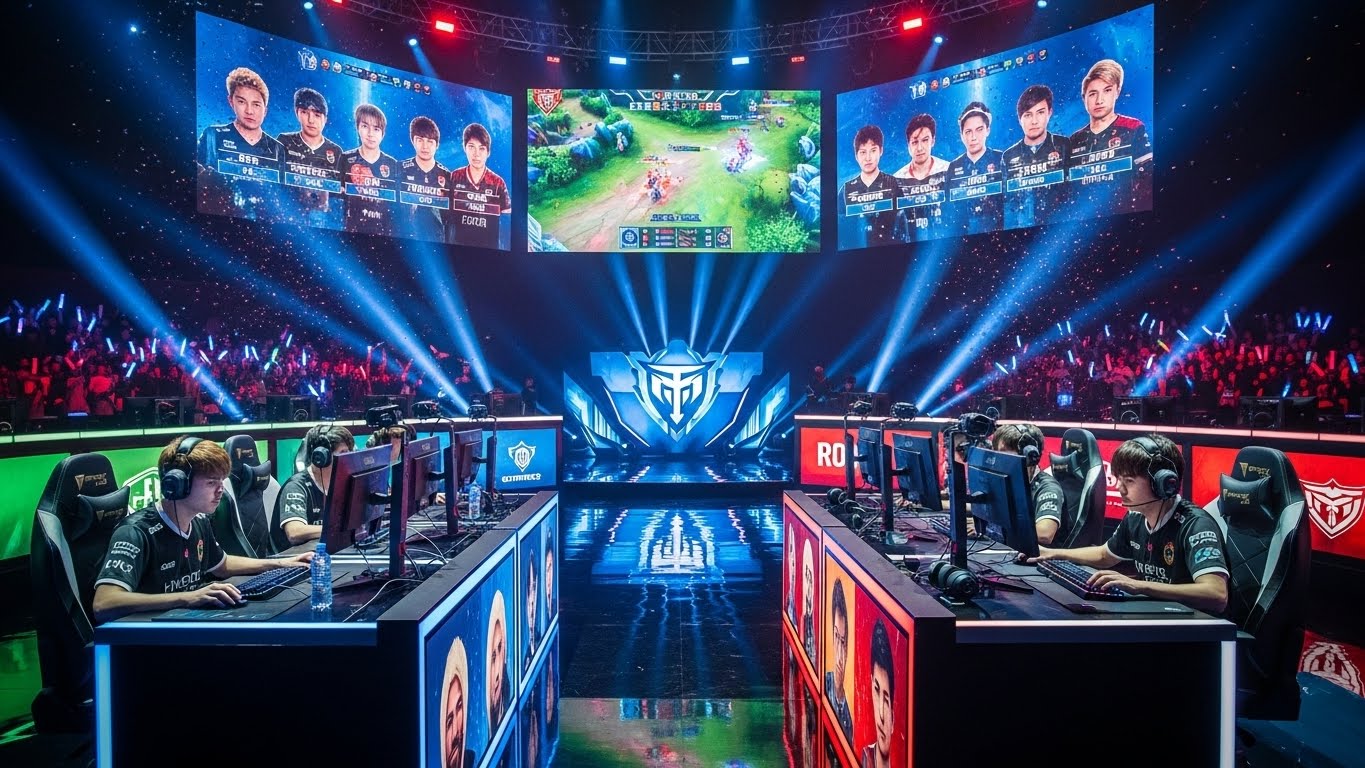
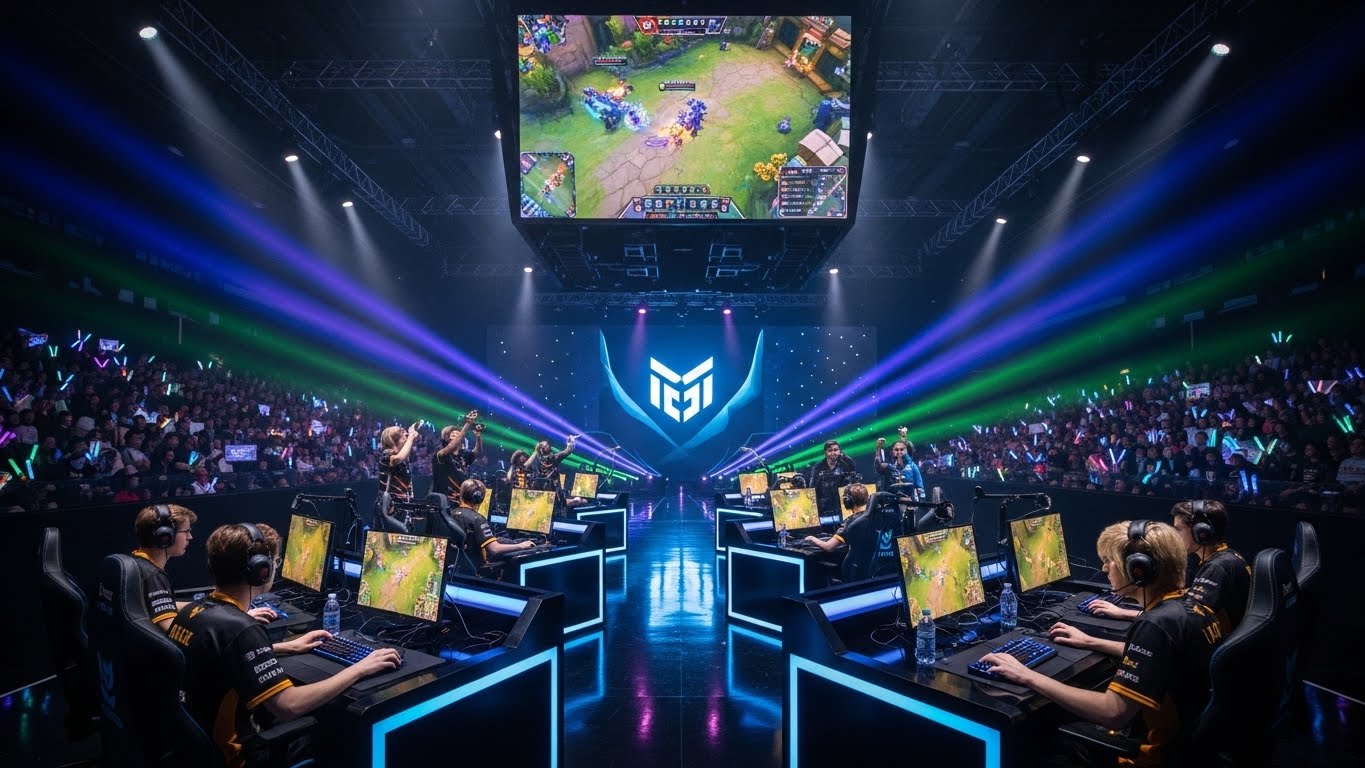
Today, esports has expanded far beyond small tournaments in gaming cafes. International competitions are now held in massive arenas, attracting thousands of live spectators and millions more watching online. Countries like South Korea, China, the United States, and several European nations have developed structured esports ecosystems.
South Korea, in particular, is recognized as the birthplace of professional esports culture. Television broadcasts, professional teams, and sponsorship deals became standard decades ago. Meanwhile, in the United States, esports organizations have aligned themselves with traditional sports franchises, adopting advanced training facilities and professional coaching for players. The expansion of esports is not just a regional phenomenon; it is now a global movement, reaching audiences across continents.
Why Esports Captivates Audiences
Esports attracts millions of viewers for several key reasons.
Accessibility: Competitive games are often affordable or free, making it possible for anyone to participate or follow their favorite teams.
Community: Online platforms allow players and fans to connect, form communities, and share strategies, memes, and highlights, fostering a sense of belonging.
Skill and Strategy: Esports requires precision, strategy, and teamwork, with players often investing hundreds of hours into honing their abilities.
Entertainment: Tournaments are packed with excitement, featuring intense rivalries, dramatic comebacks, and highly skilled gameplay.
Technology and Streaming: Platforms that allow live broadcasts of matches create a dynamic viewing experience, with commentary and interactive engagement that bring fans closer to the action than ever before.
These factors combine to make esports more than just a game; it is an immersive experience for both players and spectators.
The Most Influential Esports Titles
Esports is defined by its games, each contributing unique elements to the competitive scene.
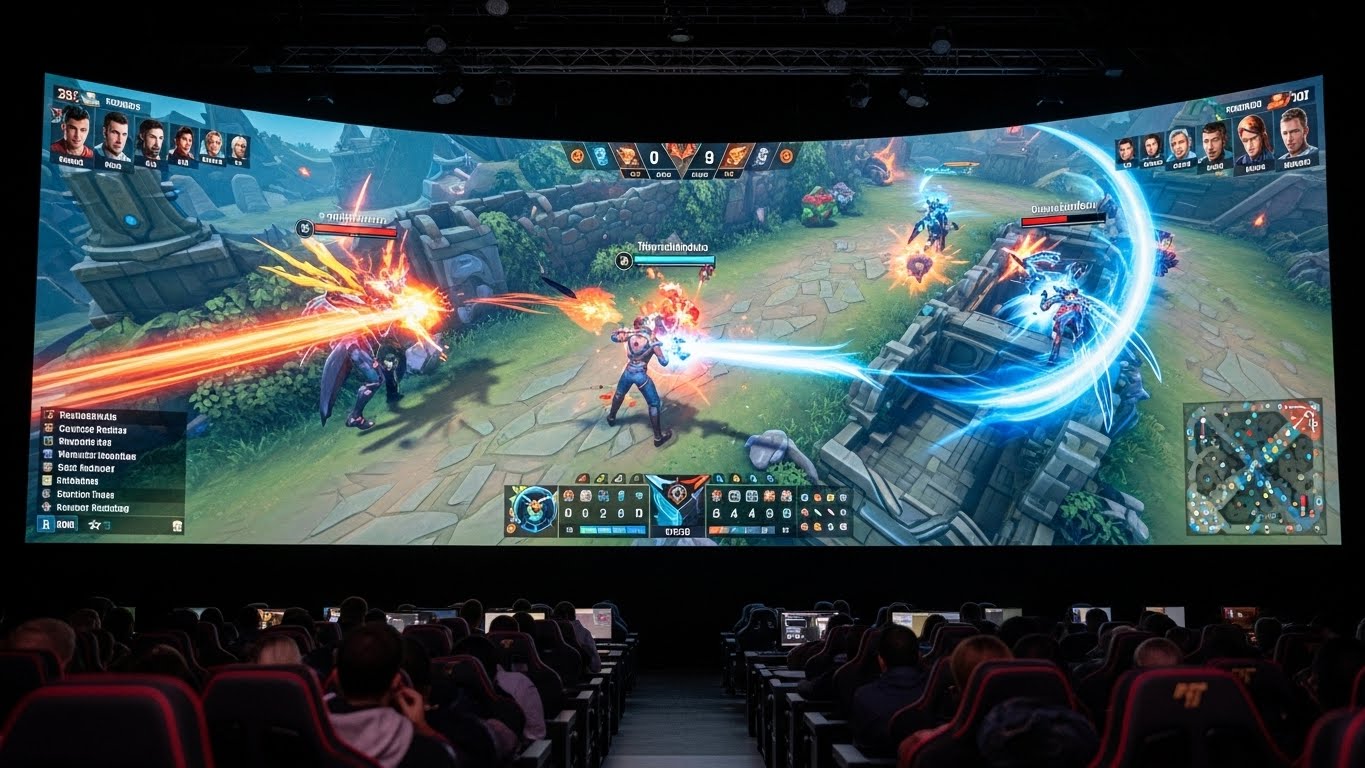
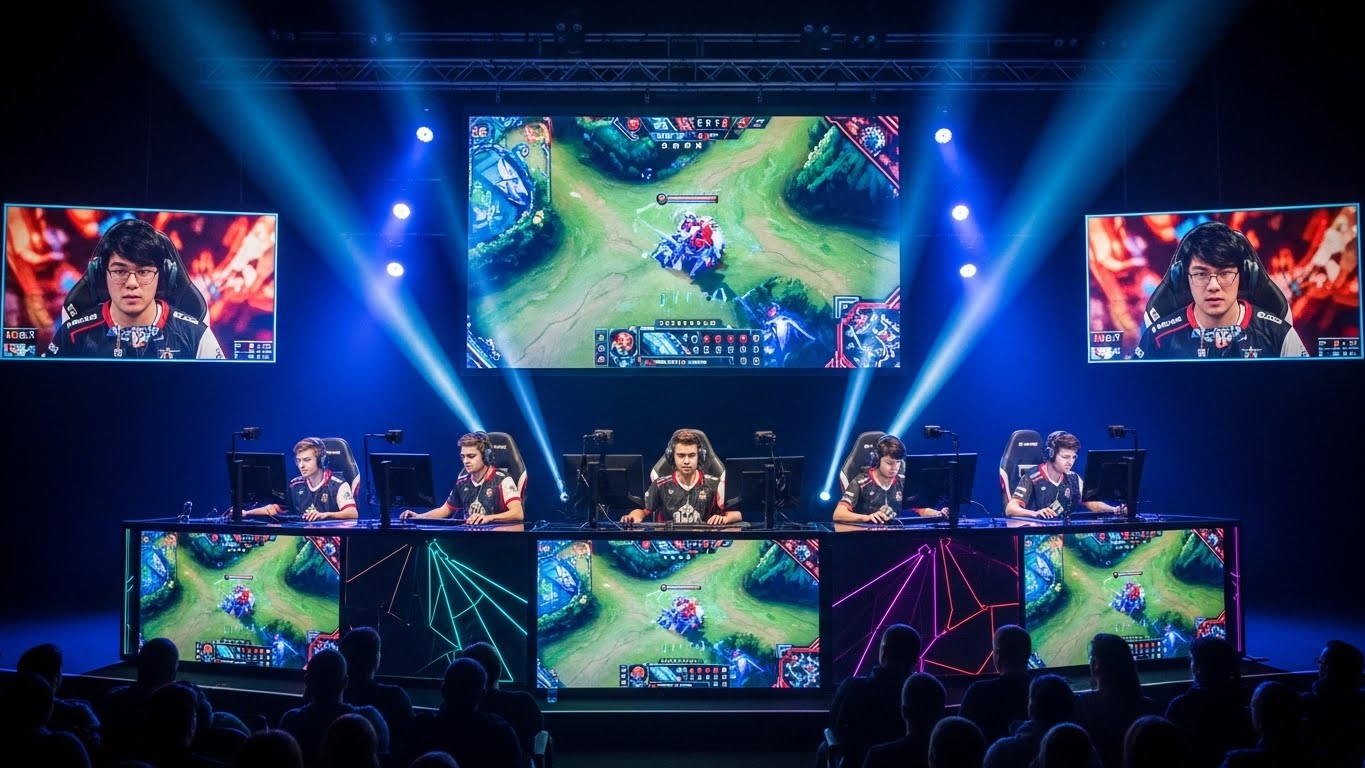
Multiplayer Online Battle Arena Games: Titles in this genre require strategic thinking, coordination, and quick decision-making. Teams compete to outmaneuver each other in complex maps, often requiring hours of practice to perfect strategies.
First-Person Shooters: Games focused on reflexes, aim, and tactical communication. These games test players’ precision under pressure and reward split-second decision-making.
Sports and Racing Games: Digital representations of real-world sports allow fans to engage with familiar gameplay in a competitive format.
Battle Royale Games: Large-scale survival games combine strategy, resource management, and adaptability, keeping both players and audiences on edge.
Each of these genres has cultivated dedicated fan bases and professional ecosystems, contributing to the overall growth of esports worldwide.
The Power of Streaming
Streaming has transformed esports from a niche hobby into a mainstream phenomenon. Platforms that allow real-time broadcasting of tournaments provide fans with access to professional matches regardless of their location.
Streaming also creates a sense of community, as fans can interact with players and commentators during live events. This direct engagement has changed the way people consume content, turning esports into an interactive, social experience. Beyond viewership, streaming has become a source of income for professional gamers, content creators, and organizations, further stabilizing the industry.
Careers Beyond Playing
Esports is not limited to professional players. The industry supports a wide variety of careers, many of which mirror traditional sports.
Coaches and Analysts: These professionals provide strategic guidance and performance analysis.
Commentators and Hosts: They bring energy and storytelling to competitions, enhancing the viewing experience.
Event Organizers and Managers: Responsible for planning tournaments, logistics, and audience engagement.
Content Creators and Influencers: Produce content ranging from tutorials to entertainment, helping to grow the fanbase.
Marketing and Sponsorship Professionals: Build partnerships and manage brand representation within the esports ecosystem.
Technical and IT Specialists: Ensure smooth gameplay, prevent cheating, and maintain streaming infrastructure.
These roles demonstrate that esports is a complex, professionalized industry with opportunities extending far beyond simply playing games.
Esports Culture: Community, Creativity, and Identity
Esports culture is as vibrant as its competitions. Fans create fan art, memes, and videos celebrating their favorite games and players. Cosplay, music, and community events further enrich the culture surrounding esports.
The inclusive nature of esports allows players of all genders, ages, and backgrounds to compete on equal footing. Online communities foster global connections, allowing friendships to form across continents. Esports has cultivated a culture that emphasizes creativity, collaboration, and passion, making it a unique and dynamic part of modern entertainment.
Challenges Facing Esports
Despite its rapid growth, esports faces several challenges that threaten long-term sustainability.
Player Health and Burnout: Long practice hours and intense competition can lead to physical strain, stress, and mental health issues. Organizations are increasingly emphasizing wellness programs and balanced schedules.
Industry Stability: The popularity of individual games can fluctuate, affecting players’ careers and team revenues.
Integrity and Fair Play: Cheating, hacking, and match-fixing can undermine trust in the industry, requiring strict regulations and technology to prevent misconduct.
Youth Development: Many aspiring players start at a young age. Ensuring safe and responsible development is critical for the future of esports.
Commercial Pressures: As corporations invest heavily, balancing profit motives with the spirit of competition becomes a delicate challenge.
Addressing these issues is essential to ensure esports remains a respected and sustainable industry.
Esports in Education
Educational institutions are increasingly embracing esports as a platform for learning and development. Colleges and universities offer scholarships for esports athletes, develop organized leagues, and create academic programs focused on gaming, game design, and event management.
Esports teaches valuable skills including teamwork, strategy, problem-solving, communication, and critical thinking. These skills are applicable far beyond gaming, preparing students for a variety of careers while legitimizing competitive gaming as a formative experience.
Women in Esports
Historically, women have been underrepresented in competitive gaming due to stereotypes and online harassment. However, the landscape is changing. More female players are entering professional competitions, assuming leadership roles, and creating content that inspires others. Organizations and communities are working to foster inclusive environments where women can succeed. This shift enhances diversity, encourages broader participation, and enriches the overall culture of esports.
Economic Impact
Esports is now a multi-billion-dollar industry, generating revenue through tournaments, sponsorships, advertising, merchandising, and media rights. Technology companies, sports franchises, and global brands recognize the marketing potential of esports and actively invest in teams, events, and content creators. This financial ecosystem creates jobs, drives technological innovation, and stimulates economic growth on a global scale.
The Future of Esports
The future of esports promises continued expansion and evolution. Emerging technologies like virtual reality and augmented reality could redefine gameplay and viewing experiences. Dedicated esports arenas, enhanced player welfare systems, and global coordination will further professionalize the industry.
The line between traditional sports and esports continues to blur, with collaborations and crossovers becoming increasingly common. As new games, genres, and competitive formats emerge, esports will remain dynamic and innovative, attracting new audiences and creating new opportunities for players and professionals alike.
Conclusion: Esports as a Cultural Revolution
Esports is more than entertainment; it is a cultural revolution that has reshaped the way people play, connect, and compete. From its humble beginnings in arcades and small tournaments to its current status as a global industry, esports has demonstrated the power of passion, skill, and technology.
It has created careers, built communities, and influenced culture worldwide. As the industry grows, it will continue to inspire future generations, redefine entertainment, and solidify its place in the global landscape. Esports is not just a trend—it is a lasting movement that celebrates human ingenuity, competition, and creativity.