 hubvault77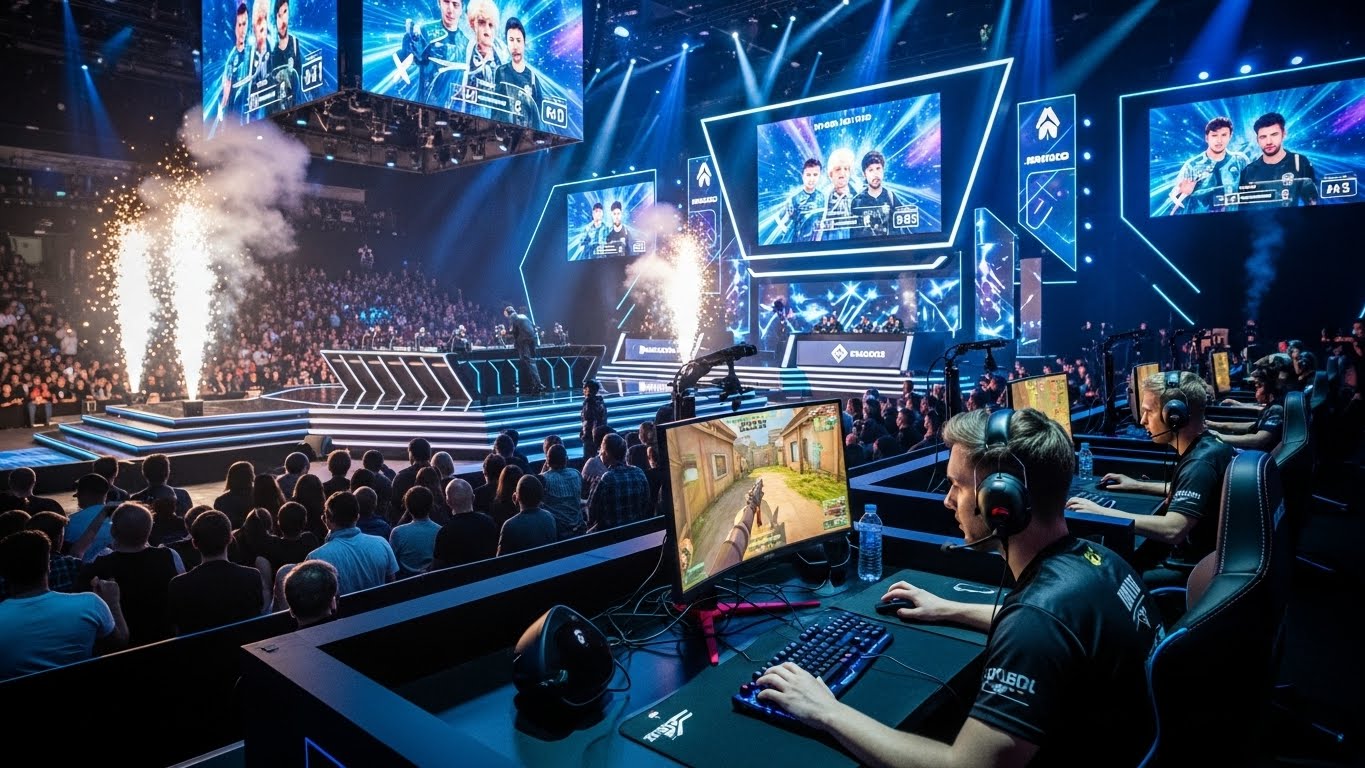
Introduction: The Dawn of a New Competitive Era
Esports, or electronic sports, has grown from a small, niche hobby into a global phenomenon that rivals traditional sports in viewership, revenue, and influence. What was once perceived as a pastime for teenagers in basements has evolved into a structured, professionalized industry that attracts millions of spectators, professional players, and substantial investments. Competitive gaming now spans continents, with professional leagues, international tournaments, and dedicated esports organizations driving the industry forward.
This blog explores the evolution of esports, the factors that fuel its growth, the life of professional players, its cultural significance, and the challenges and future prospects of this rapidly expanding digital arena.
Origins of Esports: From Arcades to Online Platforms
The roots of esports date back several decades. In the 1970s and 1980s, arcade competitions offered players the chance to test their skills against one another in front of a live audience. Early home consoles also fostered competitive gaming, but it was limited by technology and connectivity.
The 1990s marked a turning point with the rise of multiplayer PC games like StarCraft and Counter-Strike. These games introduced not only competitive mechanics but also the need for strategy, teamwork, and quick thinking. As the internet became widely accessible, gaming communities began organizing online competitions that connected players across cities, countries, and eventually the world.
By the 2000s, esports tournaments began to attract larger audiences, and the notion of playing video games professionally became a tangible career path. The transition from casual competitions to structured leagues with significant prize pools was underway.
The Appeal of Esports: Why Millions Tune In
Esports has captivated audiences worldwide due to its combination of skill, accessibility, and community engagement.
Skill and Strategy
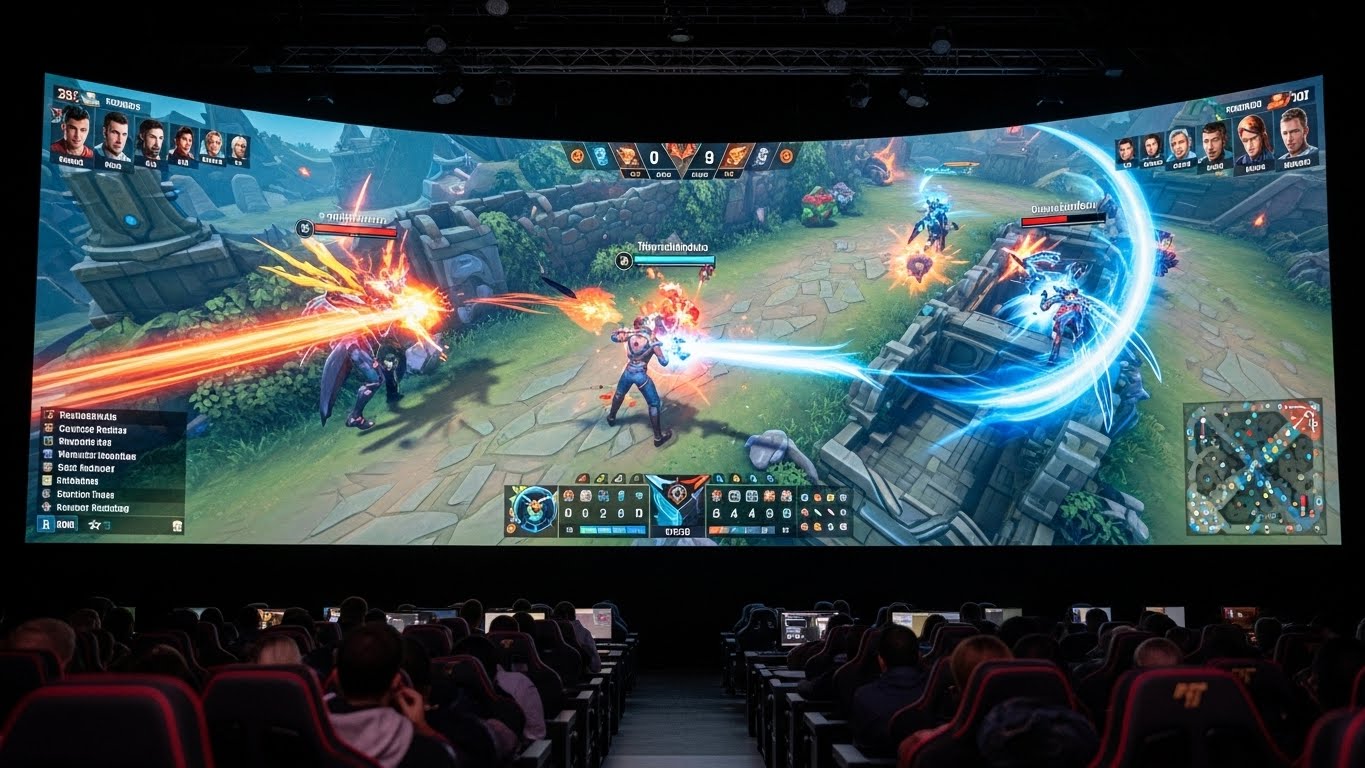
Esports titles require more than reflexes; they demand analytical thinking, precision, and the ability to adapt strategies on the fly. Games such as League of Legends, Dota 2, Valorant, and Overwatch test players’ decision-making skills and their ability to collaborate effectively under pressure. Spectators enjoy watching the top-tier gameplay where split-second decisions can determine victory or defeat.
Accessibility and Inclusivity
Unlike traditional sports that rely on physical attributes, esports is largely inclusive. Players of different genders, ages, and physical abilities can compete on a level playing field. This accessibility broadens the talent pool and allows anyone with dedication and skill to make their mark in the competitive scene.
Cultural Alignment with Technology
Younger generations, who grew up in a digital environment, find esports highly relatable. Unlike passive forms of entertainment, esports is interactive. Fans engage with the games, streamers, and professional players, creating a participatory culture that amplifies interest and loyalty.
The Life of a Professional Esports Player
The image of esports players as casual gamers is outdated. Professional players undergo intense training schedules, similar to traditional athletes.
Rigorous Practice
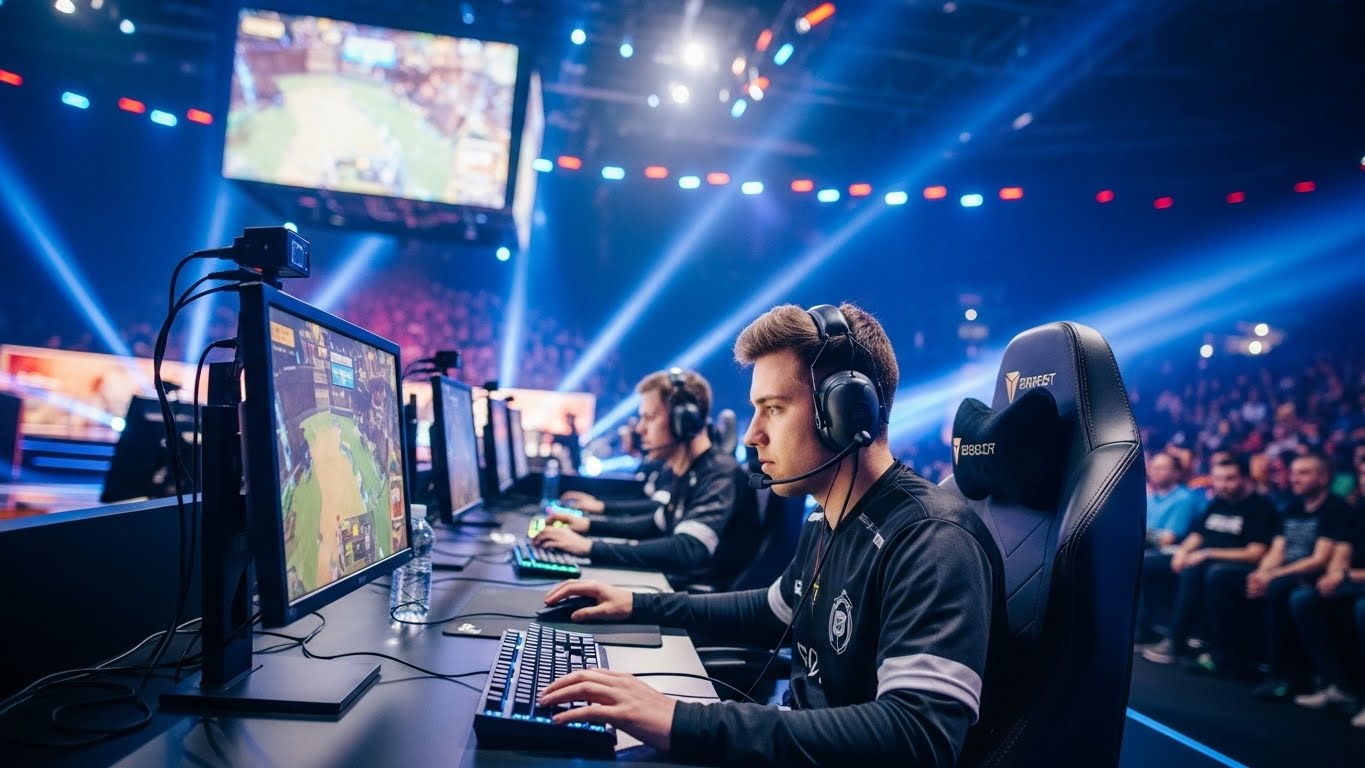
Top esports players often practice for eight to twelve hours daily. Their training includes mechanical drills, strategy analysis, scrimmages with team members, and review of past matches. Physical exercise is also incorporated to maintain stamina and prevent injuries caused by prolonged gaming sessions.
Mental Preparation
Competitive gaming requires sharp mental acuity. Players often work with coaches and psychologists to develop focus, maintain composure during high-pressure situations, and handle the stress of public scrutiny and expectations.
Team Dynamics
Many esports games are team-oriented, requiring strong communication, trust, and coordination. Professional teams often live and train together to strengthen synergy, build chemistry, and foster strategic cohesion that can provide a competitive edge during tournaments.
Tournaments and Leagues: The Backbone of Esports
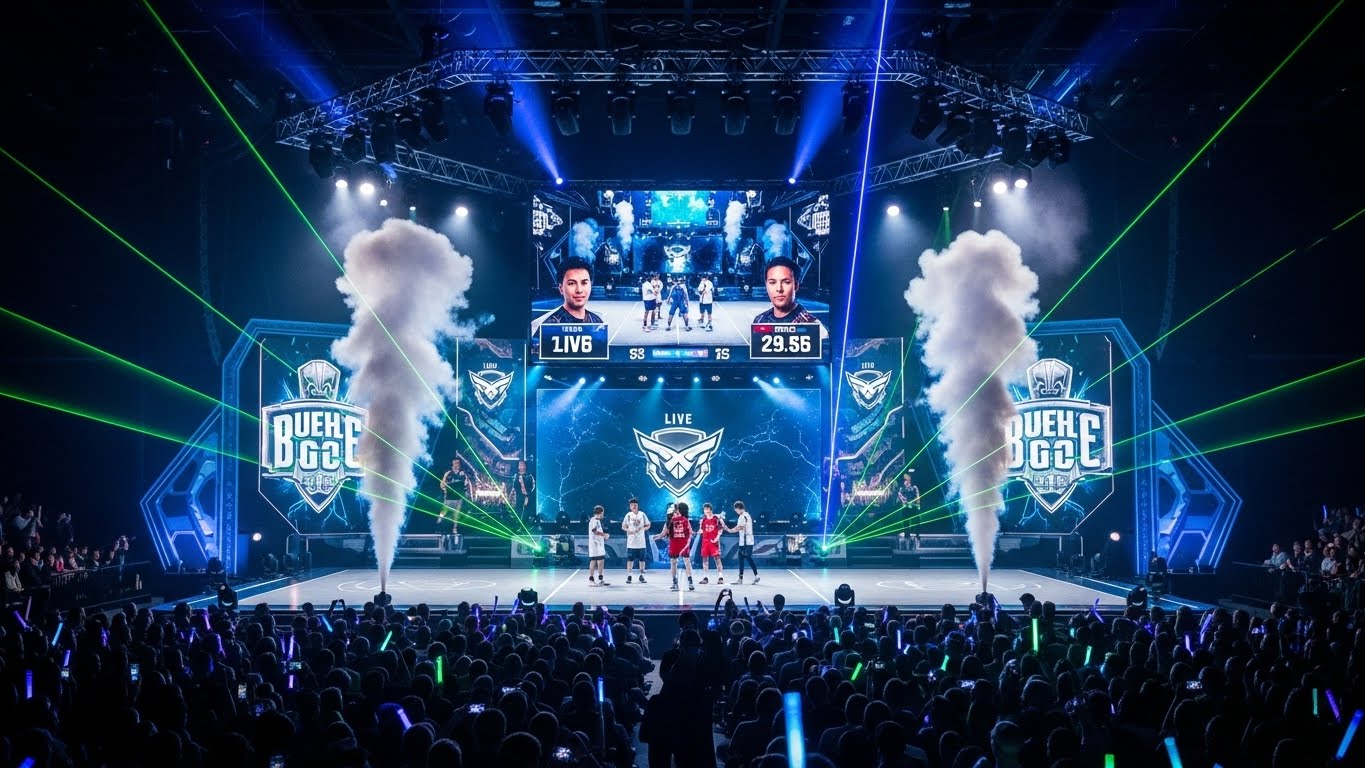
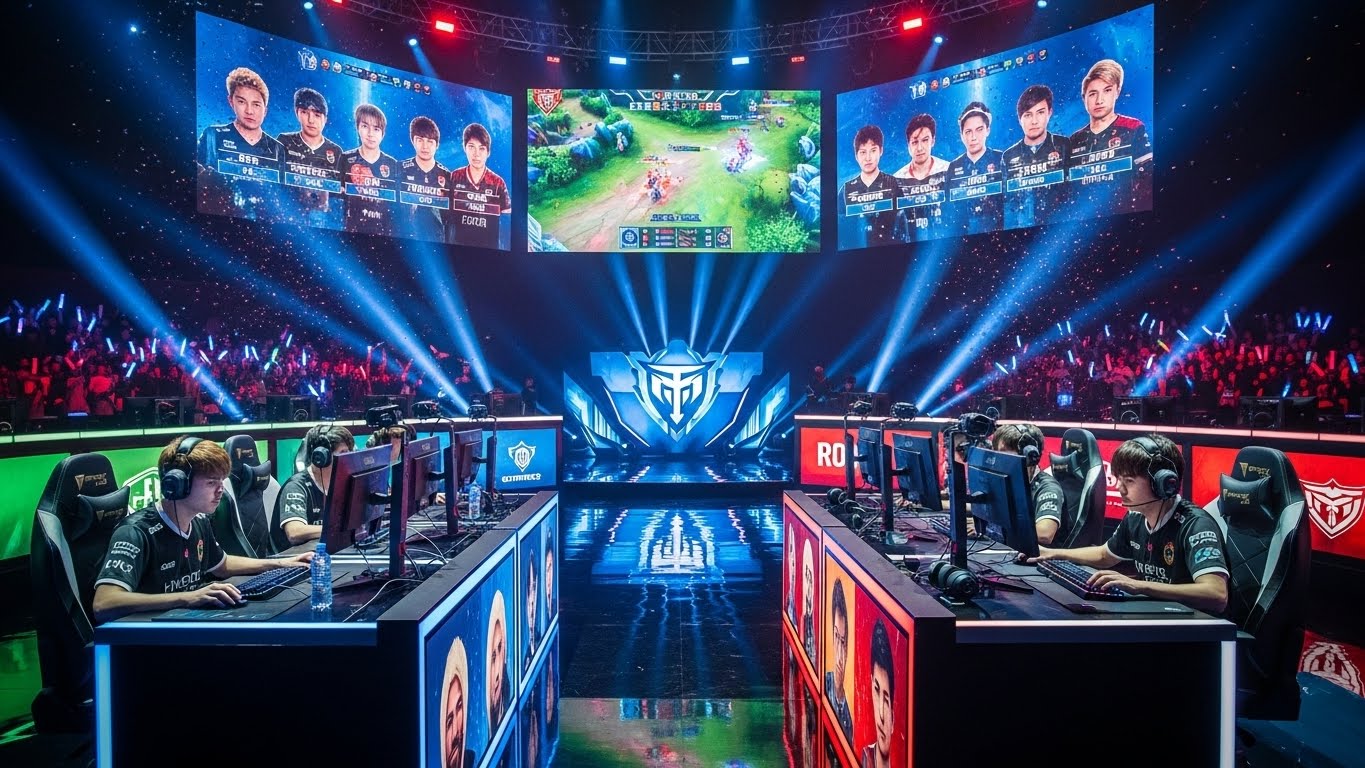
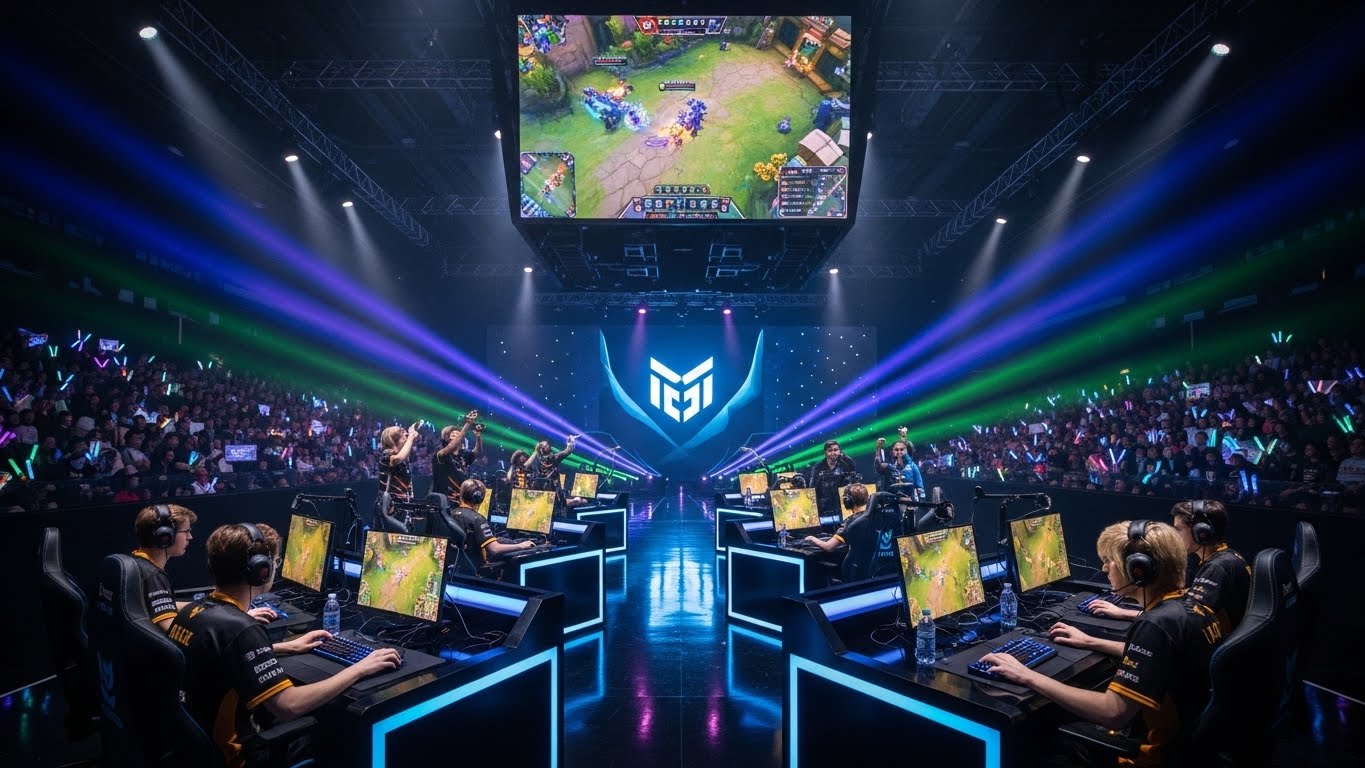
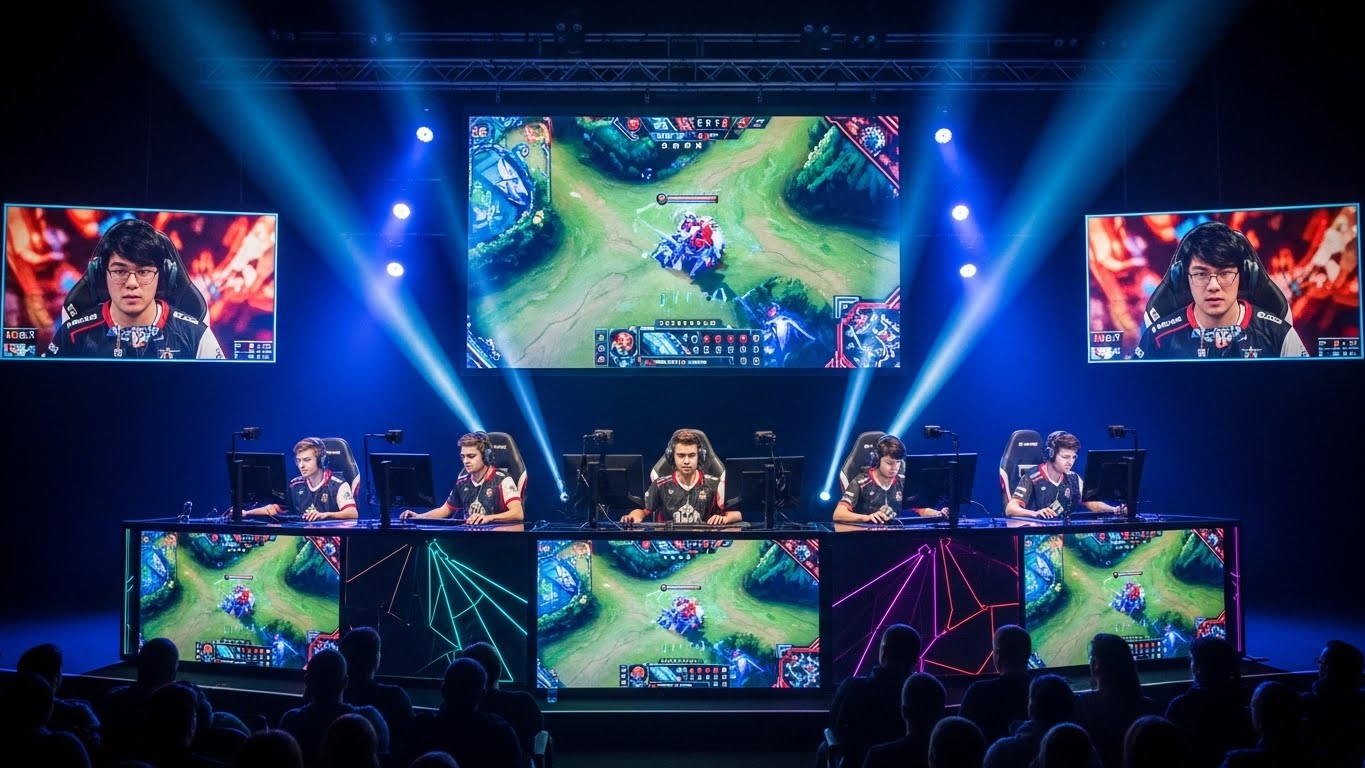
Large-scale tournaments and leagues have played a significant role in esports growth. Events like the League of Legends World Championship, The International for Dota 2, and Valorant Champions attract millions of viewers worldwide. Stadiums are often filled with live audiences, and online viewership can reach tens of millions.
Prize Pools and Sponsorships
The financial stakes in esports are enormous. Top tournaments offer multi-million-dollar prize pools, while sponsorships from global brands continue to increase. This influx of investment legitimizes the industry and incentivizes players and organizations to pursue long-term growth and professional development.
League Structures
Professional esports leagues operate similarly to traditional sports leagues. They feature regular season matches, playoffs, and finals. Teams earn points based on performance, and rankings determine participation in international events. This structured approach has helped elevate esports into a sustainable competitive ecosystem.
Esports Organizations: Modern Sports Franchises
Esports organizations function like professional sports franchises, managing teams, negotiating sponsorships, and building fan communities. They provide players with coaching, analytical support, physical training, and mental health resources.
Branding and Merchandising
Teams expand their reach through merchandise, content creation, and lifestyle collaborations. Branding in esports is not limited to team logos but extends to gaming gear, apparel, and digital products. This creates additional revenue streams and strengthens fan engagement.
Player Development
Organizations invest in scouting talent, training academy players, and nurturing young prospects. This approach ensures a sustainable pipeline of skilled professionals, helping maintain competitive balance and industry growth.
Streaming and Content Creation: Driving Popularity
Streaming platforms have played a crucial role in esports’ rise. Services that allow live broadcasting of gameplay have created a new form of entertainment that is interactive and engaging.
Real-Time Fan Interaction
Fans can interact with players in real-time through chats and live commentary. This interaction creates a deeper connection and sense of community that is unique to esports.
Influence of Players and Streamers
Professional players and popular streamers become cultural icons. Their influence extends to gaming trends, community culture, and even game development decisions. Their content entertains, educates, and inspires millions of viewers worldwide.
Cultural and Social Impact of Esports
Esports has transcended pure entertainment to influence culture, education, and career development.
Educational Integration
Schools and universities have recognized esports as a legitimate activity and field of study. Scholarships for esports athletes are increasingly common, and academic programs explore areas like game design, digital media, and team management.
Career Opportunities
Beyond playing professionally, esports offers careers in coaching, broadcasting, content creation, event production, marketing, and analytics. The industry provides diverse avenues for creative and analytical talent alike.
Community Building
Esports unites individuals worldwide. Players and fans form communities that share knowledge, support one another, and celebrate competition. Online forums, fan clubs, and local gaming events strengthen social bonds and provide a sense of belonging.
The Intersection of Esports and Traditional Sports
Traditional sports organizations have embraced esports as a complementary domain. Many professional teams maintain esports divisions, and major sporting events increasingly feature esports showcases. This convergence demonstrates the growing recognition of esports as a legitimate form of athletic competition, emphasizing skill, teamwork, and strategic thinking.
Challenges in the Esports Industry
Despite its success, esports faces challenges that could hinder sustainable growth.
Player Burnout
The demanding schedules of professional players can lead to physical and mental fatigue. Addressing burnout requires structured training, rest periods, and mental health support.
Regulation and Standardization
Esports lacks globally unified regulations. Contract disputes, player rights, tournament rules, and organizational governance require more consistency to protect participants and maintain credibility.
Financial Stability
While top teams and players enjoy lucrative earnings, many others struggle with inconsistent income. Establishing stable revenue models and fair compensation is essential for long-term sustainability.
Future Prospects: The Next Level of Esports
The future of esports is promising, fueled by technology, global interest, and cultural relevance.
Virtual and Augmented Reality
Emerging VR and AR technologies could revolutionize competitive gaming, offering immersive experiences that blend physical and digital interaction.
Global Expansion
As gaming penetrates new regions, esports will likely become even more international, attracting diverse audiences and fostering cross-cultural competition.
Broader Inclusivity
With increasing awareness of gender diversity, accessibility, and representation, esports is expected to grow more inclusive, providing opportunities for a wider range of participants.
Conclusion: Esports as a Defining Force of Modern Entertainment
Esports has redefined the meaning of competition and skill in the digital era. It merges technology, strategy, and human talent to create a form of entertainment and sport that resonates with millions worldwide. Beyond tournaments and prize money, esports fosters communities, inspires creativity, and opens new professional pathways.
The digital arena continues to evolve, pushing the boundaries of what competitive entertainment can achieve. Esports is no longer a fringe activity; it is a cultural and economic force that has forever changed the landscape of competition and entertainment. Its story is still unfolding, promising innovation, excitement, and opportunities for generations to come.