 hubvault77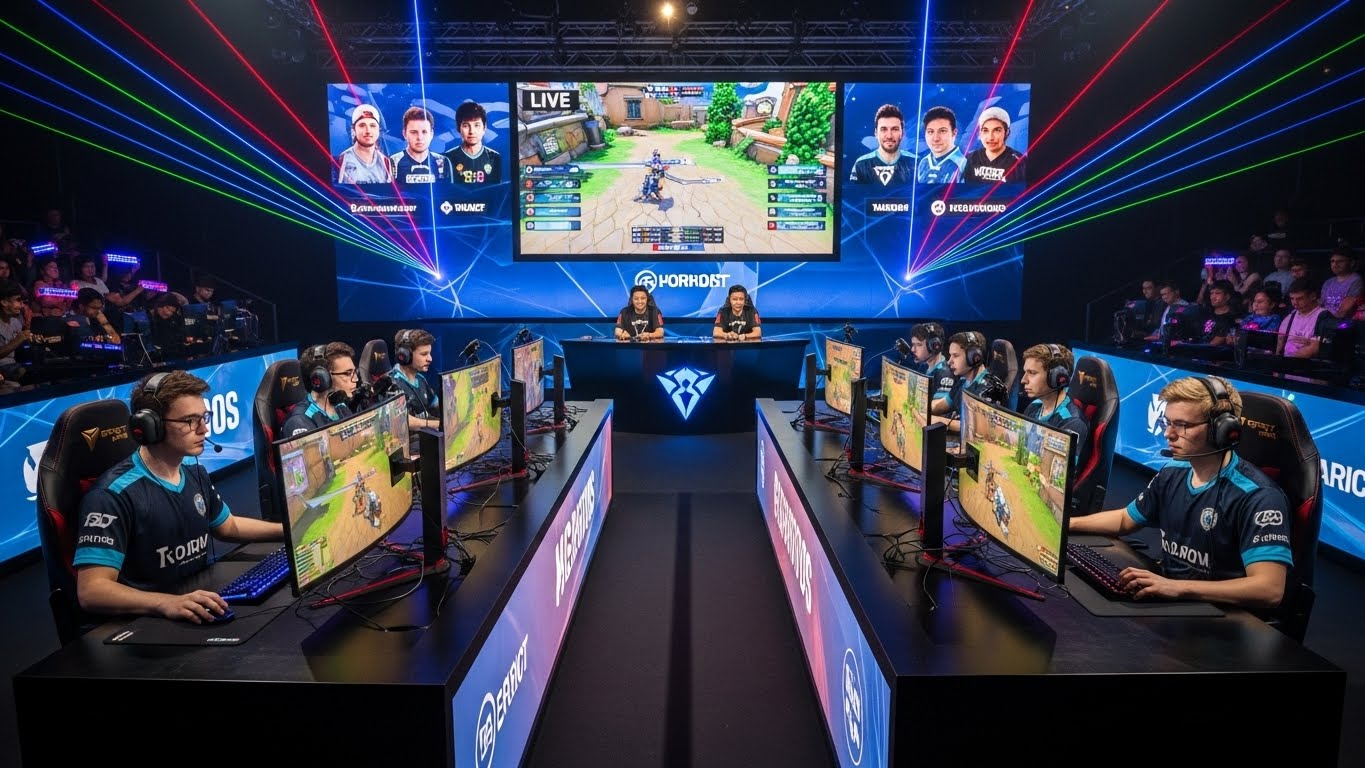
Introduction
Esports has emerged as one of the most significant entertainment and competitive phenomena of the 21st century. What once started as casual gaming in living rooms and arcades has evolved into a global industry drawing millions of viewers, professional athletes, and large-scale sponsorship deals. The growth of esports represents more than just playing video games; it is a cultural movement that combines technology, competition, community, and entertainment. This blog explores the evolution of esports, the professional infrastructure behind it, its cultural impact, and what the future holds for this dynamic industry.
The Early Days of Competitive Gaming
Competitive gaming began decades ago in small settings such as arcades, computer clubs, and local tournaments. Early competitions focused on achieving high scores or winning small prizes, with limited media coverage. These events were primarily social gatherings where players tested their skills against one another. As personal computers and gaming consoles became more accessible, gaming competitions shifted to home environments, creating opportunities for broader participation. Although these early competitions were modest in scale, they laid the foundation for organized competitive gaming.
The Role of the Internet in Expanding Esports
The development of the internet revolutionized gaming, creating opportunities for players to compete online regardless of their location. Multiplayer games allowed individuals to engage with competitors worldwide, fostering global communities. Online leaderboards, rankings, and matchmaking systems encouraged players to improve their skills while introducing a structured form of competition. Popular games like real-time strategy and first-person shooters gained dedicated fanbases, and the accessibility of online gaming paved the way for esports to become a professional and recognized industry.
Professional Teams and Leagues
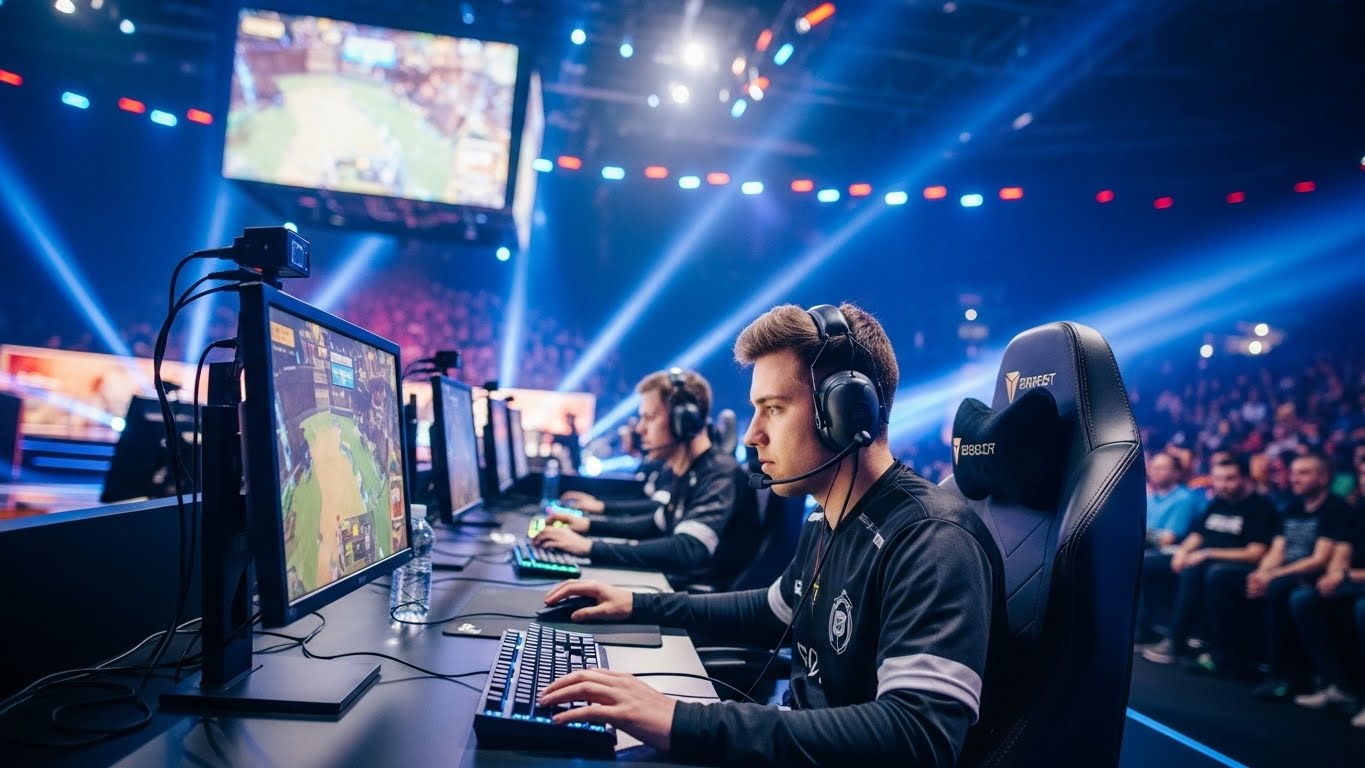
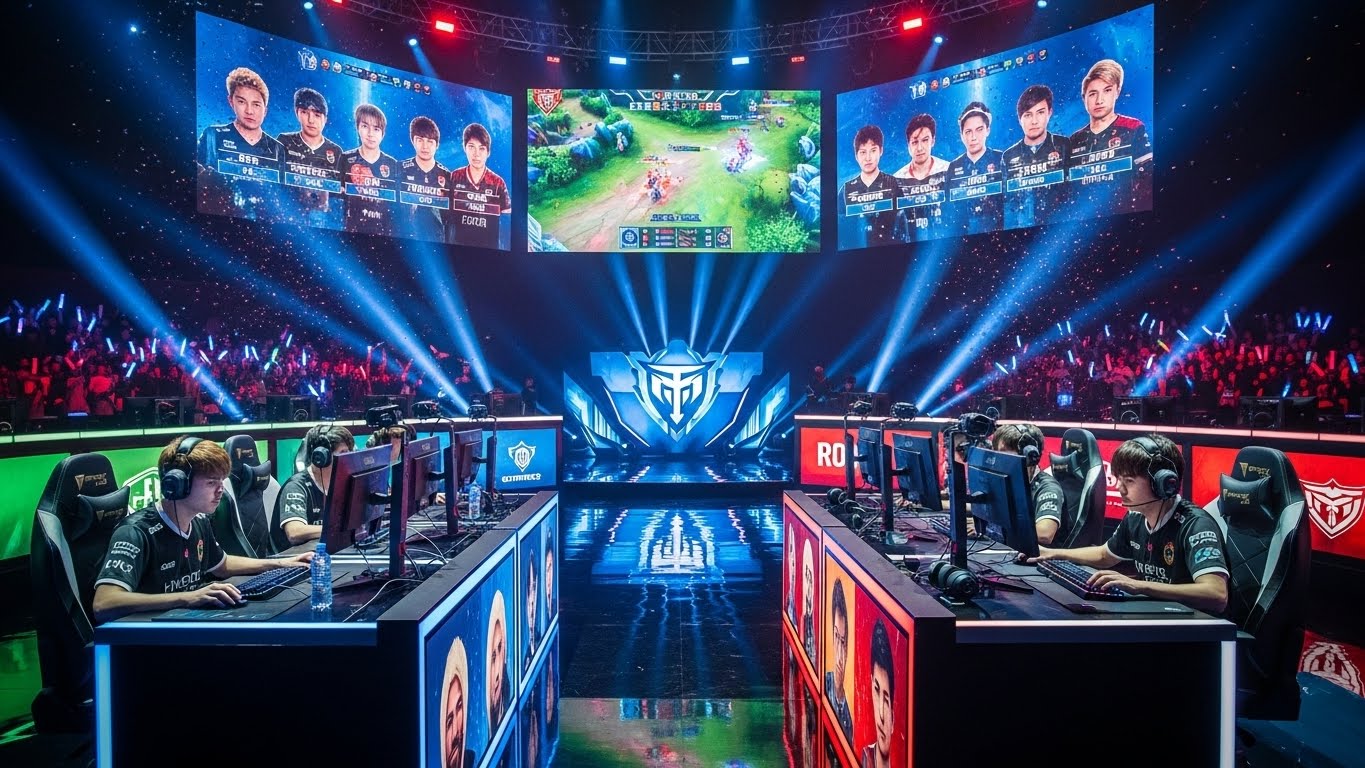
With the increasing popularity of competitive gaming, esports teams began to operate similarly to traditional sports organizations. Teams recruit top talent, hire coaches, and establish training programs designed to enhance player performance. Professional leagues and tournaments offer structured competition with significant prize pools, sponsorships, and media coverage. Teams often invest in facilities equipped with advanced technology, ensuring players have the tools to succeed at the highest level. This professionalization has elevated esports from casual competition to a highly organized global industry.
Popular Esports Titles
Certain games have shaped the esports landscape and defined its competitive standards. Multiplayer online battle arena games, such as League of Legends and Dota 2, offer strategic gameplay that rewards teamwork and planning. First-person shooters like Counter-Strike and Valorant focus on skill, precision, and rapid decision-making. Sports simulations like FIFA and NBA 2K replicate real-world sports dynamics, attracting fans from traditional sports communities. Each of these games has developed a competitive ecosystem, including professional leagues, streaming communities, and dedicated fan engagement.
The Life of an Esports Athlete
Being a professional esports player requires far more than casual gaming skills. Players maintain rigorous practice schedules, often training eight to ten hours daily. Physical fitness, mental health, and nutrition are increasingly emphasized, as focus, reaction time, and endurance play critical roles in performance. Coaches analyze gameplay to refine strategies, while psychologists help manage stress and prevent burnout. The competitive environment is intense, with high stakes, global audiences, and constant performance evaluation. Despite the challenges, successful esports athletes achieve global recognition, lucrative sponsorships, and opportunities to compete internationally.
Esports as a Spectator Sport
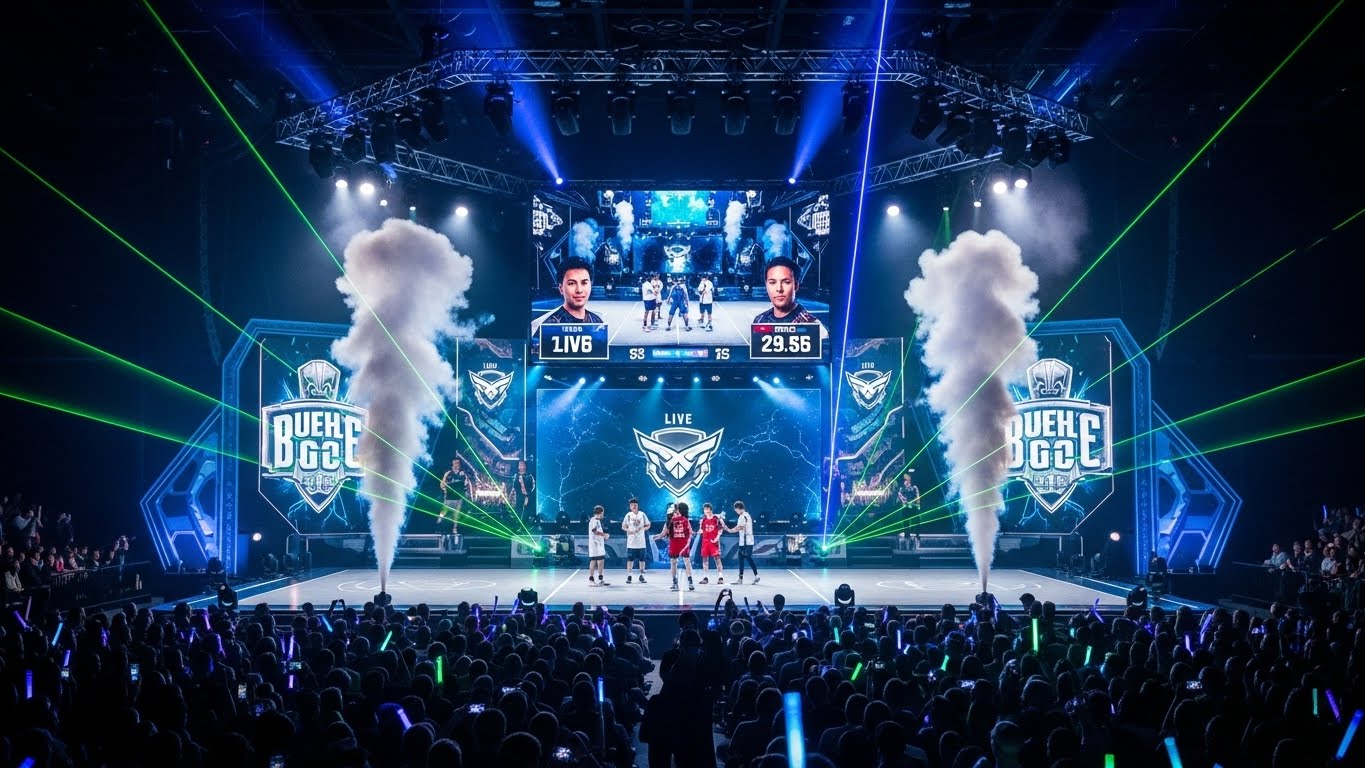
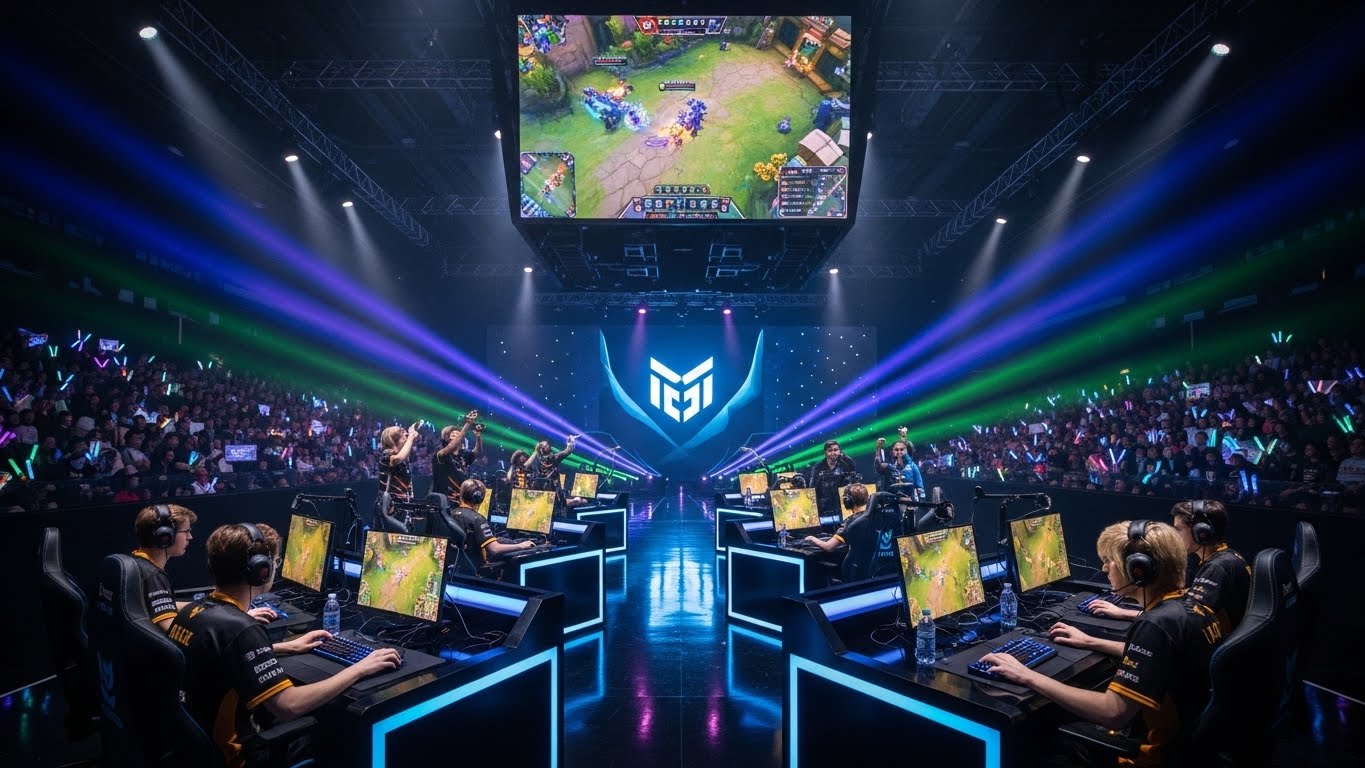
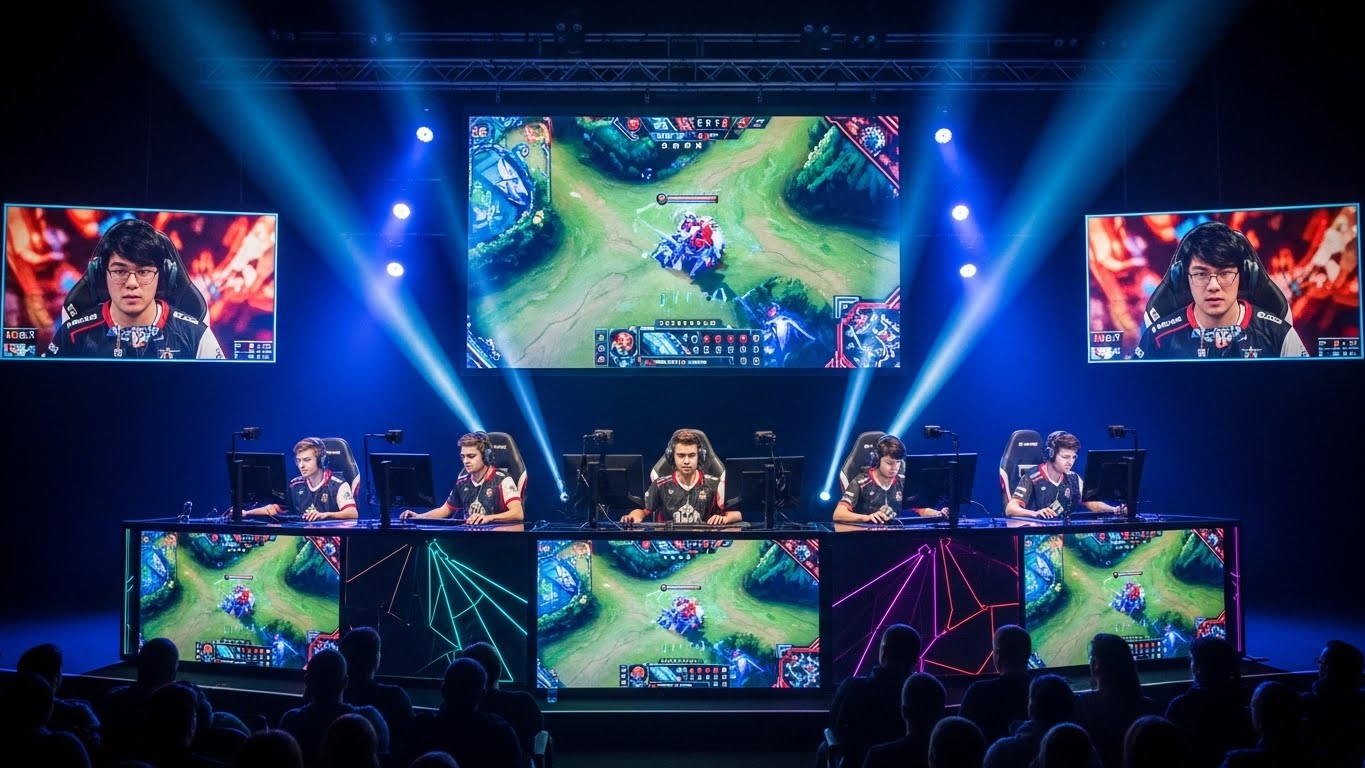
One of esports’ defining characteristics is its appeal to spectators. Millions of viewers watch tournaments live through streaming platforms, enjoying professional commentary, real-time analysis, and interactive experiences. Unlike traditional sports, esports allows fans to engage directly with the action from any location with an internet connection. Spectator involvement extends to fan communities, live chats, and social media interactions, creating a participatory culture. High-quality broadcasting and innovative production techniques have transformed esports into a visually captivating and highly engaging spectator sport.
The Influence of Streamers and Content Creators
Content creators and streamers play a vital role in the growth and popularity of esports. They produce tutorials, entertainment, commentary, and live gameplay that engage millions of viewers. Streamers often act as ambassadors for games, attracting new players and fostering community engagement. Their influence can shape gaming trends, highlight emerging talent, and promote competitive events. By blending skill, personality, and entertainment, streamers contribute to the cultural impact of esports and help build lasting fan communities.
The Global Reach of Esports
Esports has grown into a worldwide phenomenon, transcending geographic and cultural boundaries. Competitive gaming thrives in diverse regions, with each area developing its own strategies, leagues, and standout players. International tournaments foster rivalries, showcase talent, and unite fans across continents. Countries invest in esports infrastructure, training academies, and professional leagues, recognizing competitive gaming as a legitimate industry. The global nature of esports demonstrates its power to connect communities and bridge cultural gaps through a shared passion for gaming.
Educational and Career Opportunities
The growth of esports has created numerous educational and professional opportunities. Universities and institutions now offer scholarships and programs for aspiring esports athletes and industry professionals. Fields of study include game design, esports management, broadcasting, marketing, and analytics. Beyond playing professionally, careers in coaching, event production, content creation, and social media management provide diverse paths for those passionate about esports. These opportunities demonstrate that esports is not only a competitive pursuit but also a viable professional industry.
Technology Driving the Industry
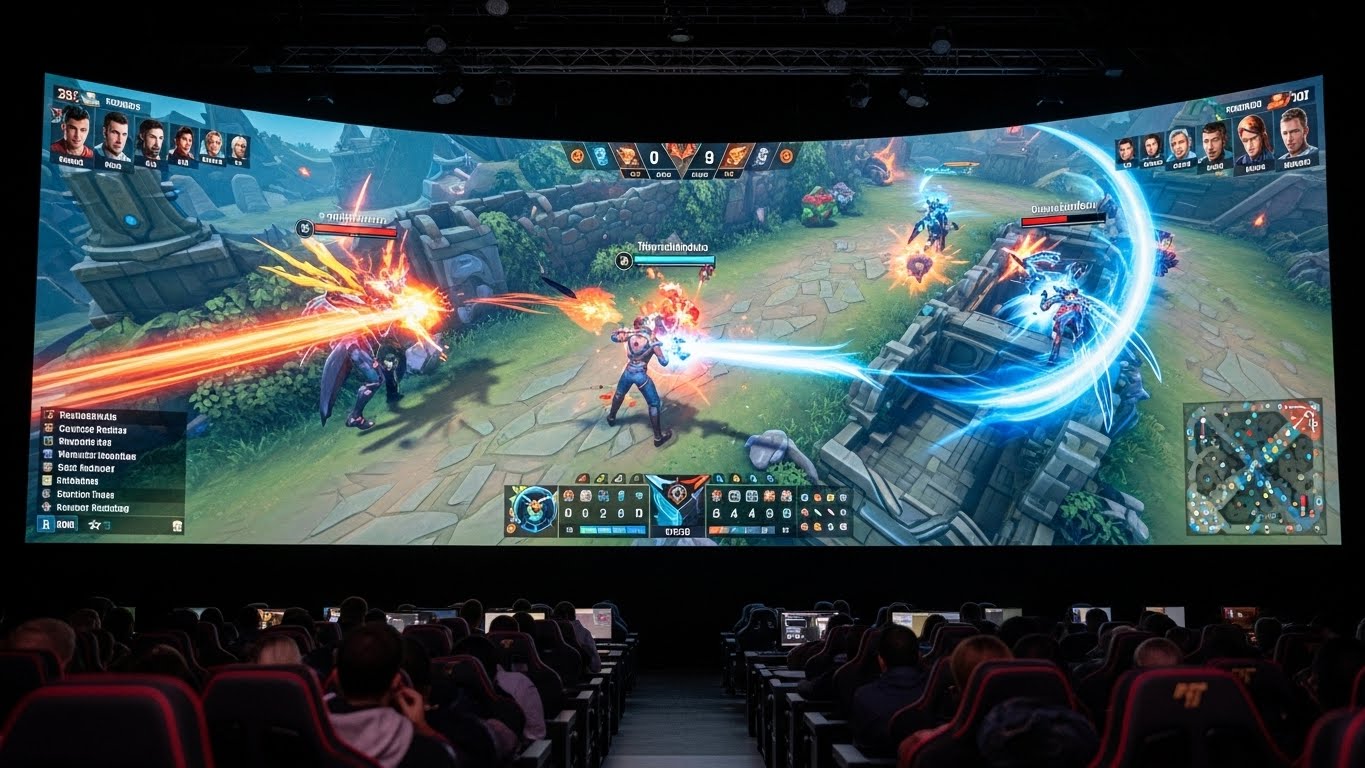
Advanced technology underpins the success of esports. High-performance hardware, fast internet, realistic game engines, and immersive graphics are essential for professional play. Emerging technologies such as virtual reality, augmented reality, and artificial intelligence are poised to redefine gaming experiences. Technological innovation also enhances the spectator experience through advanced analytics, interactive overlays, and immersive broadcasting. As technology continues to evolve, esports remains at the forefront of digital entertainment, providing increasingly sophisticated experiences for both players and fans.
Community and Cultural Impact
Esports thrives on community engagement. Fans interact through social media, fan clubs, tournaments, and live events, creating a sense of belonging and shared enthusiasm. Community participation fosters creativity, collaboration, and knowledge sharing. Cultural elements such as fan art, memes, and custom content enrich the experience, creating a unique subculture. Esports communities not only support professional players but also encourage new talent, building a sustainable ecosystem that ensures the growth and longevity of competitive gaming.
Challenges Facing the Industry
Despite its growth, esports faces several challenges. Player burnout, stress, and long hours are common issues that require careful management. Maintaining competitive integrity through anti-cheating measures and fair play regulations is critical. Financial stability varies across teams and organizations, and rapidly evolving game mechanics can disrupt competitive balance. The industry must address these challenges to ensure sustainable growth, protect players, and maintain fan engagement while fostering a fair and professional competitive environment.
The Future of Esports
The future of esports appears bright and expansive. Mainstream recognition, technological advancement, and investment are fueling continued growth. Traditional sports organizations are increasingly collaborating with esports teams, bridging physical and digital sports. Esports is likely to integrate further with education, media, and entertainment, creating new opportunities for players, professionals, and fans. With its unique blend of competition, technology, and community, esports is poised to remain a central part of global culture and the entertainment landscape for years to come.
Conclusion
Esports has evolved from humble beginnings into a global phenomenon that combines competition, technology, and community. It offers professional opportunities, entertainment, and cultural impact, creating a unique ecosystem that continues to expand. As technology advances and communities grow, esports will continue to redefine what it means to be an athlete, a spectator, and a participant in digital culture. The story of esports is ongoing, reflecting the limitless potential of competitive gaming in a connected, digital world.