 hubvault77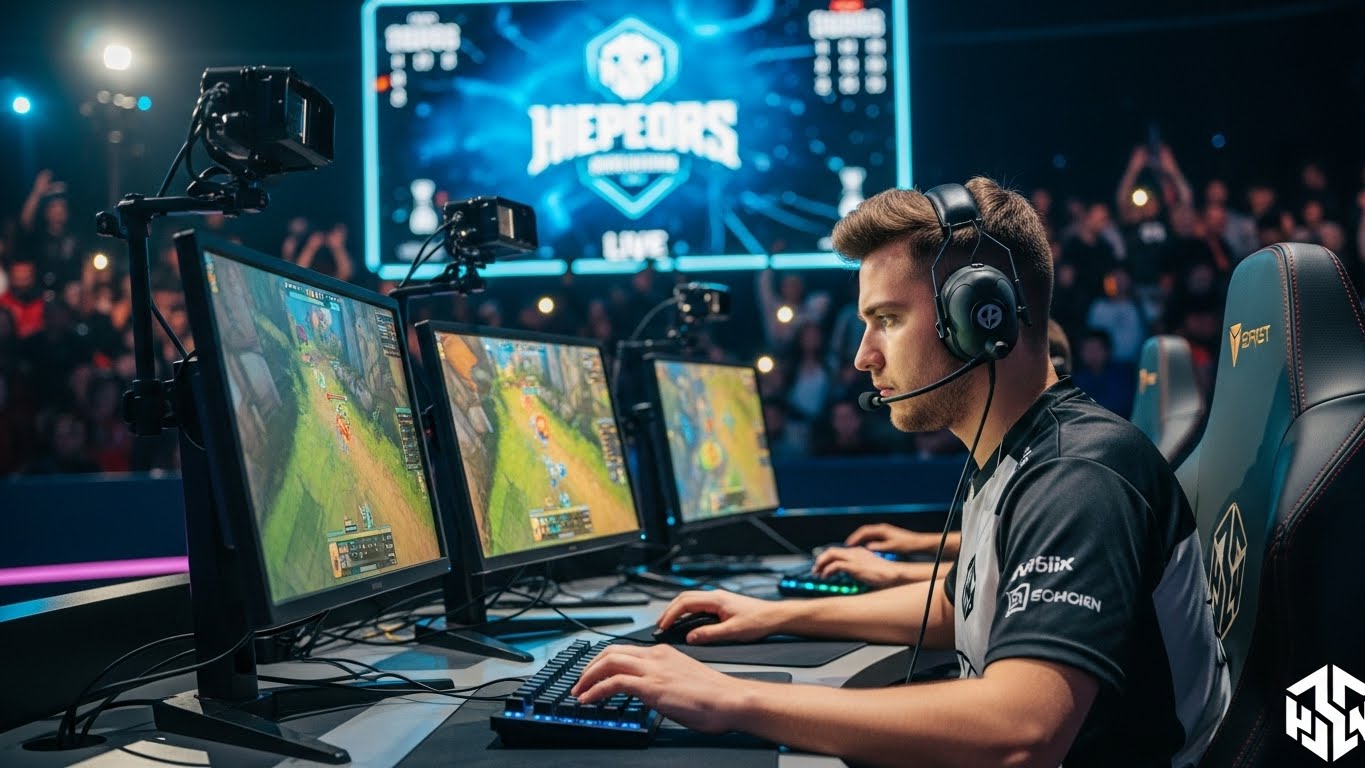
Introduction: The Rise of Competitive Gaming
In recent years, esports has shifted from being a niche hobby to a global cultural phenomenon. What was once limited to small gatherings of friends playing video games in living rooms has now transformed into a multibillion-dollar industry attracting millions of fans worldwide. Esports represents a unique fusion of technology, entertainment, and athleticism, creating a new form of competition that transcends traditional sports. The rise of esports reflects not only the growth of gaming as a pastime but also the power of digital communities and innovative technology to redefine how people compete and connect.
The Early Days of Competitive Gaming
Competitive gaming has a rich history dating back several decades. In the 1970s and 1980s, arcade competitions were the earliest form of organized play. Players competed for high scores, and winners were celebrated in local communities. As home consoles and computers became more widespread, multiplayer games offered players opportunities to test their skills in new ways. Early strategy games, fighting games, and shooters introduced competitive mechanics that encouraged players to refine techniques, analyze opponents, and develop teamwork. These early competitions laid the foundation for what would later become professional esports.
The Internet Revolution and Online Communities
The rise of the internet transformed esports from a local pastime into a global phenomenon. Online platforms allowed players to connect with others from across cities, countries, and even continents. Gamers began to form communities where strategies, tutorials, and tournament results were shared. These online communities created a sense of belonging and gave players opportunities to compete on a larger scale. The ability to play and communicate online broke down geographical barriers and allowed esports to grow faster than any other competitive activity in history.
Formation of Professional Teams
As competition grew more structured, professional esports teams began to emerge. Much like traditional sports organizations, these teams recruited players, hired coaches, and developed training programs. Players were contracted to practice regularly, study opponents, and refine in-game strategies. The professionalization of esports helped legitimize the industry, demonstrating that gaming could be a serious career path. These teams not only competed for prize money but also became brands in their own right, cultivating fanbases and shaping the culture around esports.
The Role of Streaming in Popularizing Esports
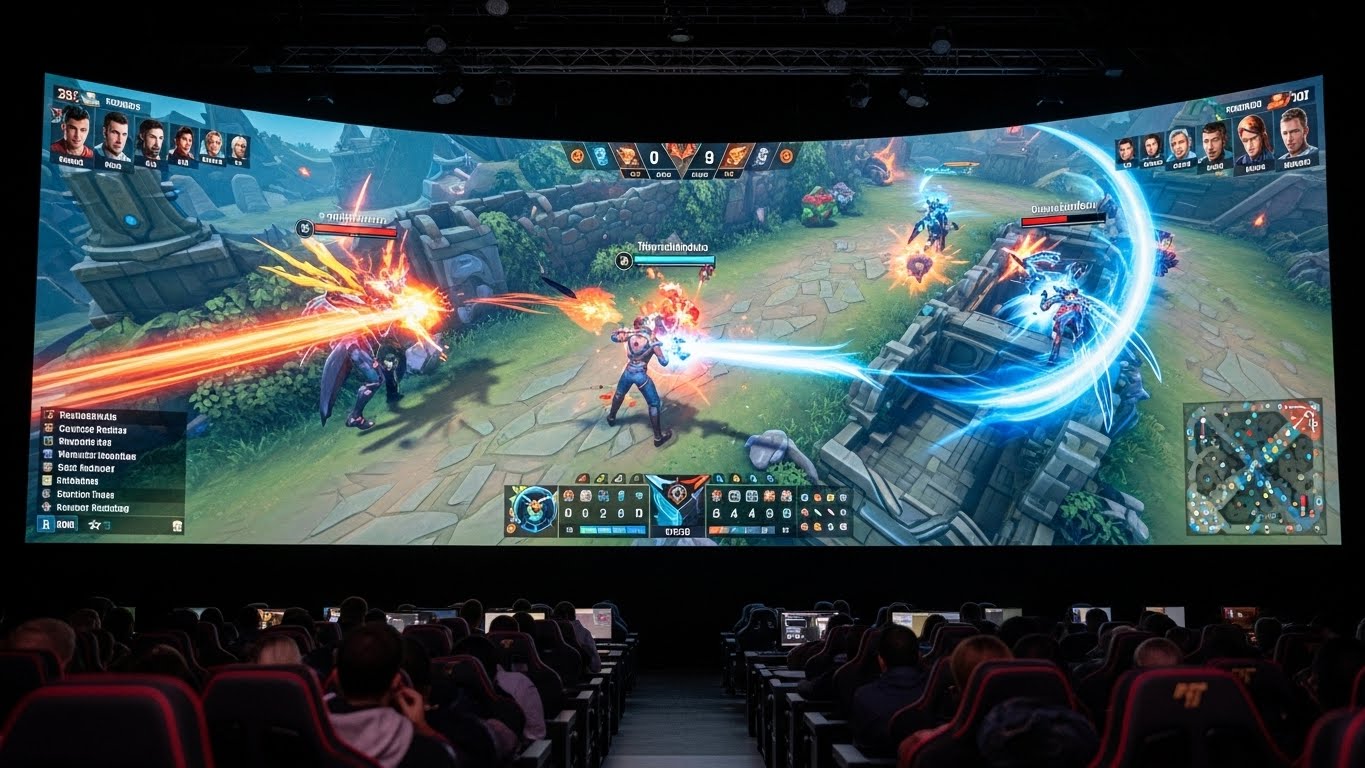
Streaming platforms revolutionized esports by providing fans with live access to gameplay. Players could broadcast matches in real time, allowing audiences to watch, interact, and engage with content from anywhere in the world. Streaming made esports accessible to millions, transforming it into a spectator sport. Professional commentary, analysis, and behind-the-scenes content elevated the experience, making esports tournaments exciting, immersive events. The rise of streaming personalities also helped build personal brands, connecting players with fans on a deeper level and expanding the reach of the esports ecosystem.
Global Tournaments and Esports Arenas
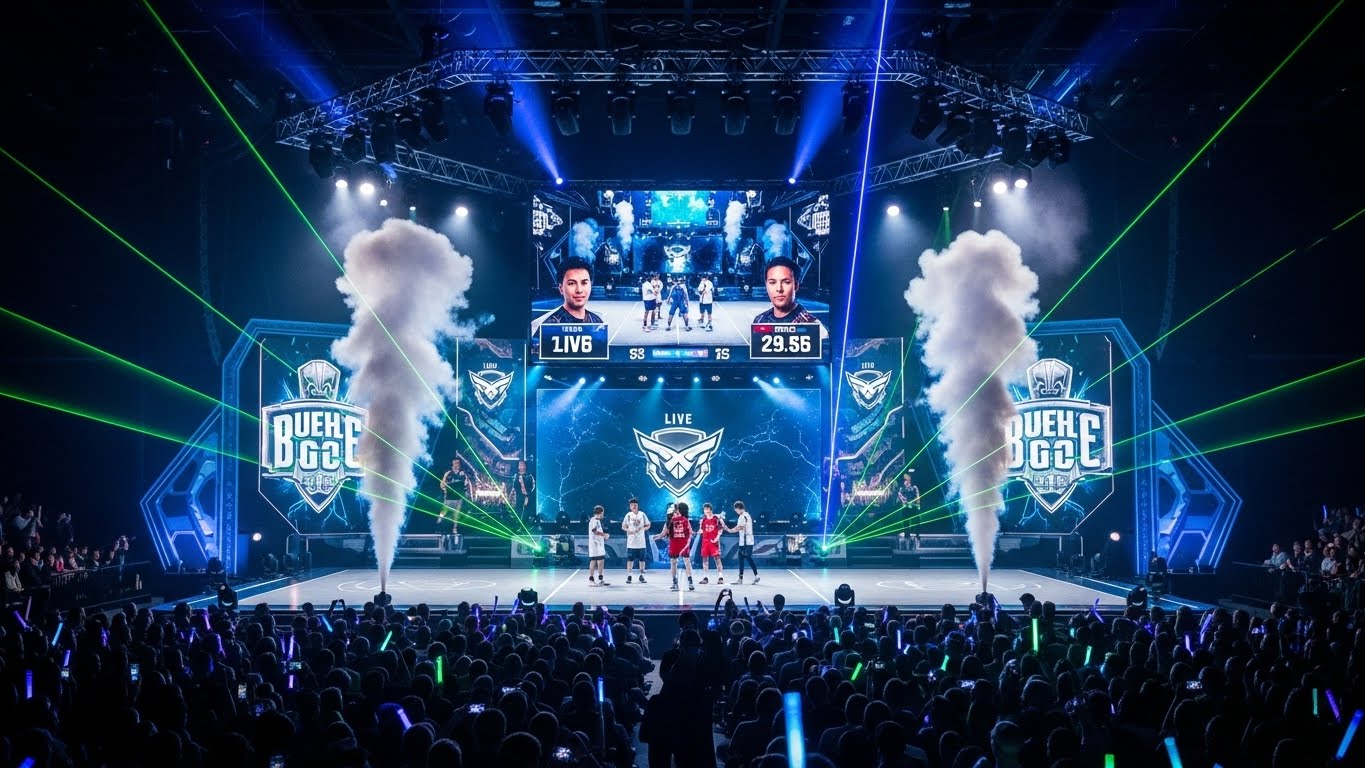
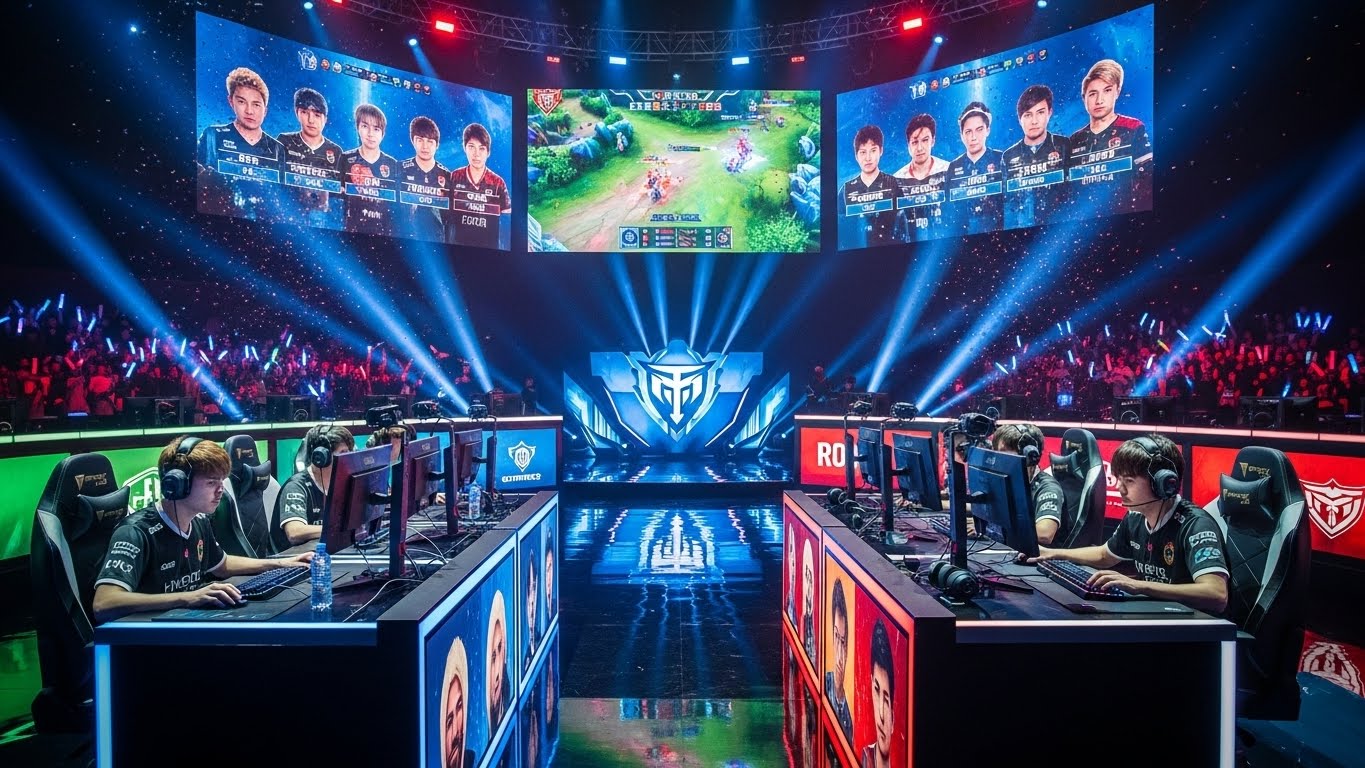
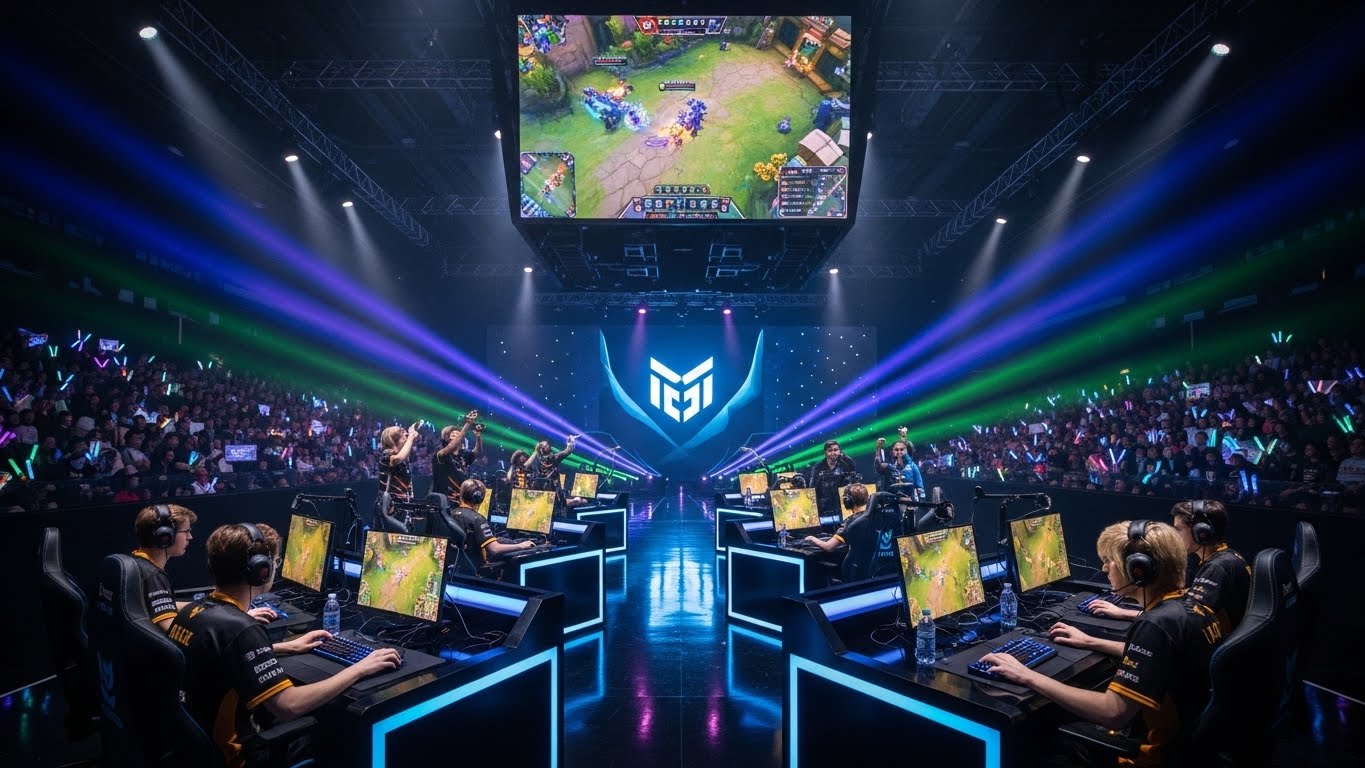
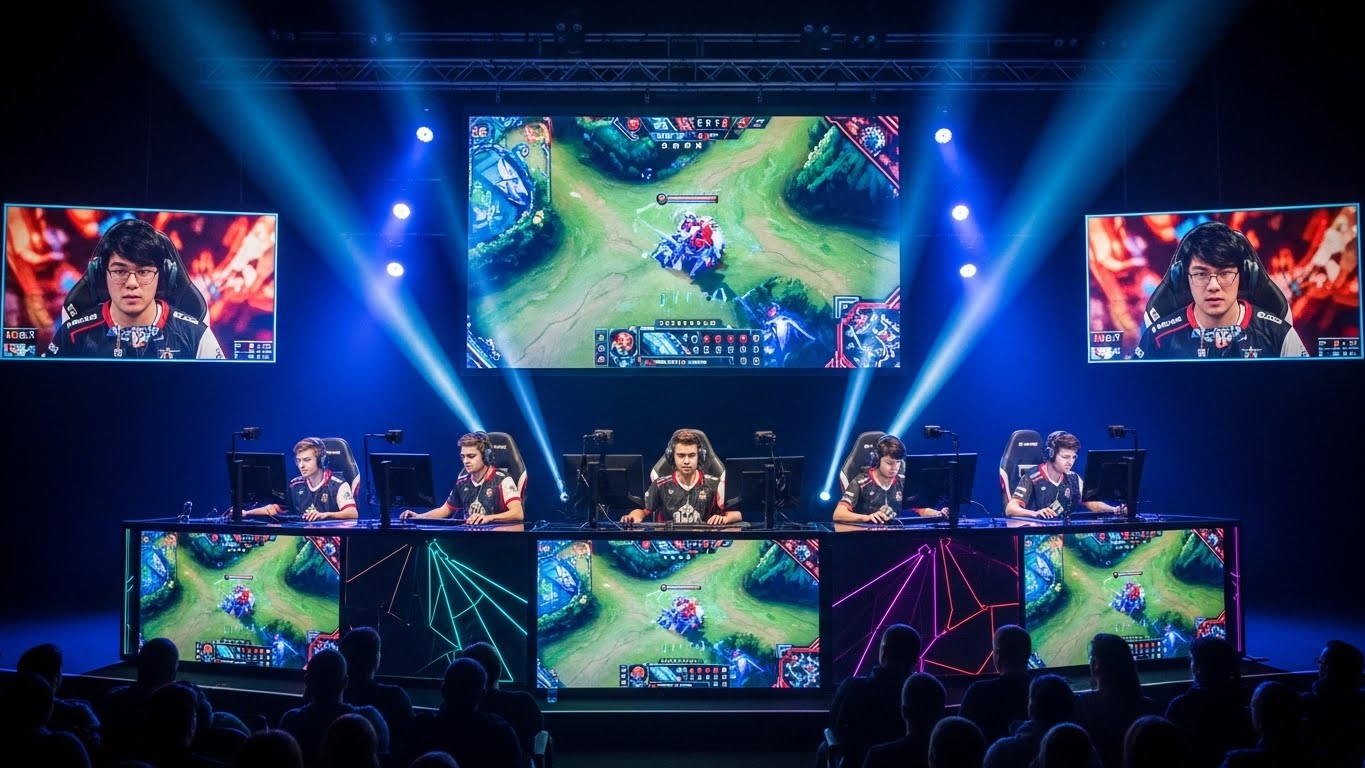
Modern esports tournaments are monumental events, attracting thousands of spectators and millions of online viewers. Dedicated arenas host competitions with elaborate stages, lighting, and production value comparable to traditional sports events. Global tournaments bring together top teams from different countries, creating intense competition and international fan engagement. Winning such events is a mark of prestige, and the stakes are high, with prize pools sometimes reaching millions of dollars. These events highlight the professional and entertainment value of esports, solidifying its place on the global stage.
The Life of a Professional Esports Player
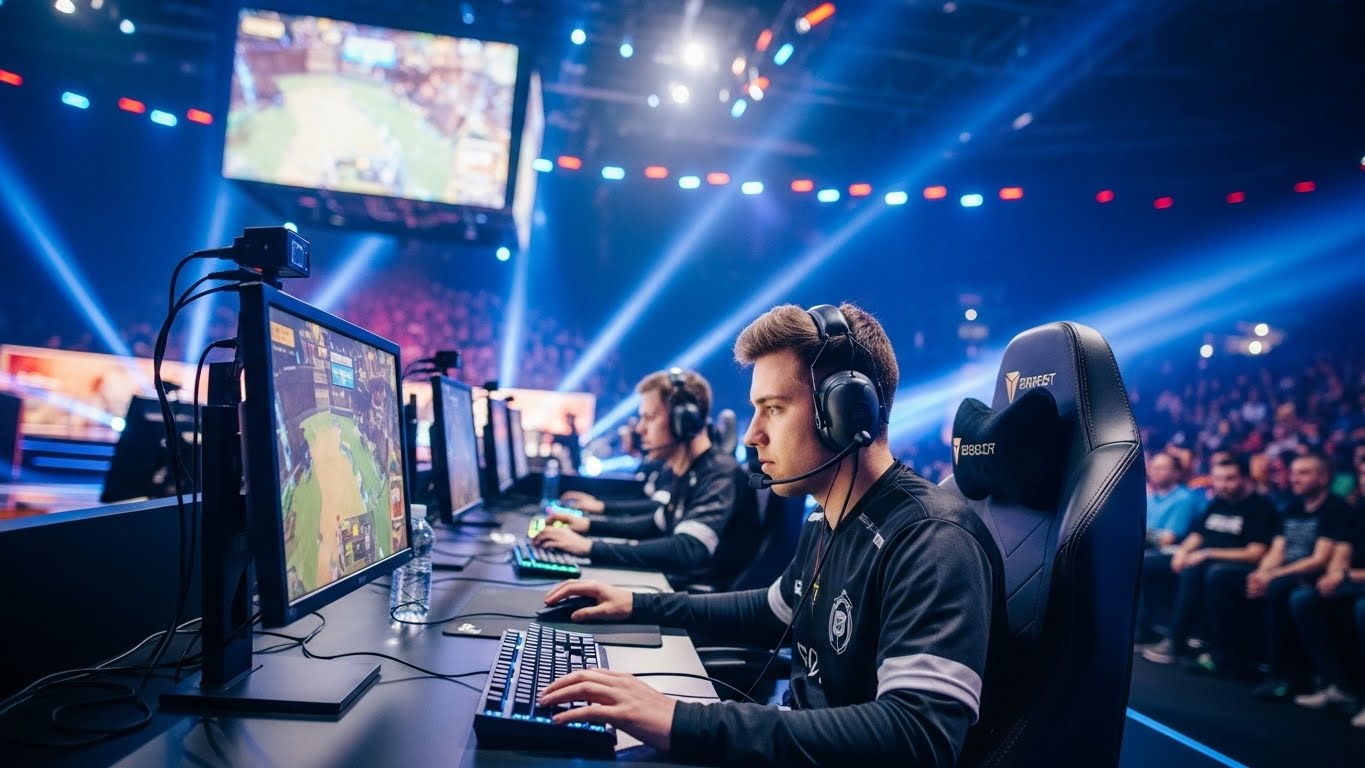
Professional esports players lead disciplined and demanding lifestyles. Contrary to the stereotype of casual gaming, players spend long hours practicing, reviewing gameplay footage, and working on strategies with their teams. Physical fitness and mental health are essential components of success, and many organizations employ trainers, nutritionists, and psychologists to support their players. Reflexes, decision-making, and communication skills are constantly honed, and the pressure to perform at peak levels is immense. The life of a professional player requires dedication, focus, and a commitment to continuous improvement.
Economic Impact of Esports
Esports has developed into a thriving economic ecosystem. Revenue streams include tournament prize money, sponsorships, advertising, merchandise, and media rights. Major companies recognize the influence of esports over younger audiences and invest heavily in the industry. Prize pools for international competitions are significant, and professional players can earn substantial incomes through salaries, sponsorships, and streaming. Beyond players, esports supports jobs for coaches, analysts, commentators, event organizers, and content creators, making it a diverse and dynamic industry with far-reaching economic implications.
Cultural Significance of Esports
Esports has reshaped how society views competition and achievement. What was once considered a casual pastime is now recognized as a legitimate form of skill and strategy. Educational institutions have embraced esports through scholarships and academic programs, highlighting its potential as a career path. Players are celebrated as role models, demonstrating qualities such as teamwork, perseverance, and strategic thinking. The cultural impact of esports extends beyond gaming, influencing media, entertainment, and even fashion. Communities built around esports foster a sense of identity and belonging, making gaming a shared cultural experience.
Diversity and Inclusion in Esports
As the industry grows, so does the focus on diversity and inclusion. Historically, esports faced challenges with representation, but efforts are being made to create opportunities for women, minority groups, and underrepresented players. Women’s leagues, mixed-gender teams, and grassroots initiatives are contributing to a more inclusive environment. Inclusive practices strengthen the community, encourage new talent, and ensure the sustainable growth of esports. A diverse player base enriches competition, fosters creativity, and broadens the appeal of esports worldwide.
Technological Innovations Shaping the Industry
Esports thrives at the intersection of technology and entertainment. Advances in gaming hardware, software, and networking continue to enhance the competitive experience. Virtual reality and augmented reality are emerging as new frontiers for immersive competition. Artificial intelligence and data analytics help teams improve strategies, optimize performance, and scout talent. As technology evolves, esports continues to push boundaries, offering innovative ways for players to compete and fans to engage.
The Future of Esports
The future of esports is promising and full of potential. With global connectivity, digital integration, and a growing fanbase, esports is poised to expand further into mainstream culture. Traditional sports are increasingly embracing esports elements, creating hybrid experiences that merge physical and digital competition. The industry is expected to innovate with new formats, technologies, and opportunities for education and entertainment. Esports is no longer just a trend; it is a permanent and influential force in the world of digital entertainment.
Conclusion: Esports as a Cultural and Competitive Force
Esports has grown from humble beginnings to become a global cultural and economic powerhouse. It represents innovation, skill, and connection, providing a platform for competition that transcends physical boundaries. From casual gaming to professional tournaments, from online communities to massive arenas, esports demonstrates the power of digital entertainment to unite people worldwide. Its influence continues to expand, shaping culture, technology, and the future of competition. Esports is more than a game; it is a movement redefining what it means to compete in the modern world.