 hubvault77
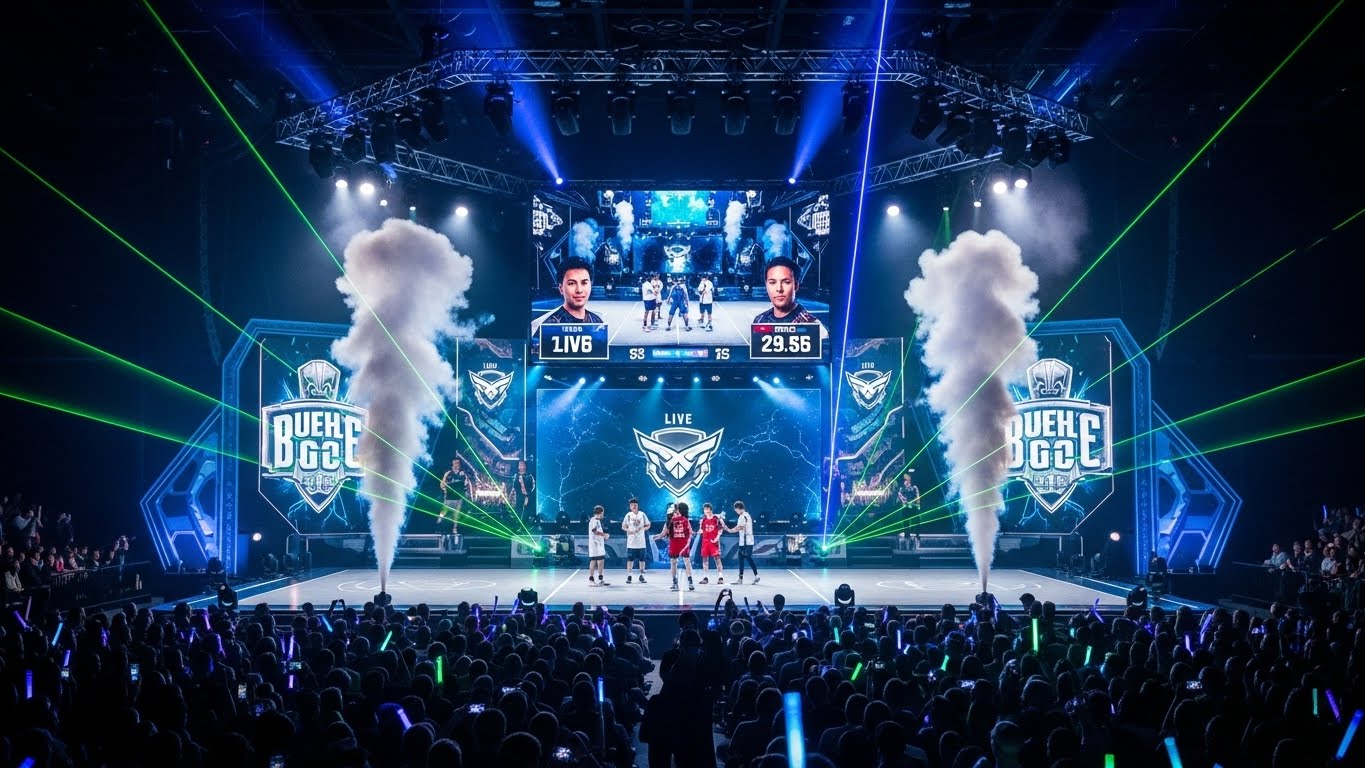
The world of competitive gaming has undergone a massive transformation over the past two decades, evolving from a niche hobby into a multi-billion-dollar industry. Esports, short for electronic sports, is no longer just a buzzword; it’s become a global phenomenon that attracts millions of players, fans, and viewers alike. From humble beginnings with local tournaments to massive international events, esports is now recognized as a legitimate form of entertainment and competition. This blog explores the rise of esports, what makes it so exciting, and the future of this digital revolution.
The Evolution of Esports
Esports has been around for decades, but it wasn’t until the late 1990s and early 2000s that it began to gain real traction. In the early days of competitive gaming, the focus was on local LAN (Local Area Network) parties, where players would gather in person to compete against each other. As internet speeds improved, however, online multiplayer games began to take center stage, and the first real esports tournaments started to appear.
One of the early games that helped bring esports to the forefront was StarCraft, a real-time strategy game developed by Blizzard Entertainment. Released in 1998, StarCraft became an instant hit, especially in South Korea, where it was broadcast on television and turned into a nationwide obsession. This led to the formation of professional esports leagues and the rise of gaming idols, particularly in South Korea, where the competitive gaming scene flourished.
As the 2000s progressed, esports expanded internationally. Games like Warcraft III, Counter-Strike, Dota, and League of Legends contributed to the rapid rise of online tournaments, which attracted ever-growing audiences. By the time streaming platforms like Twitch and YouTube became mainstream, esports had already begun to make its mark as a professional entertainment industry.
Factors Driving the Success of Esports
Several key factors have fueled the rapid growth of esports, transforming it into the global powerhouse it is today. From technological advancements to changes in audience behavior, the success of esports can be attributed to a combination of elements.
1. Technological Advancements
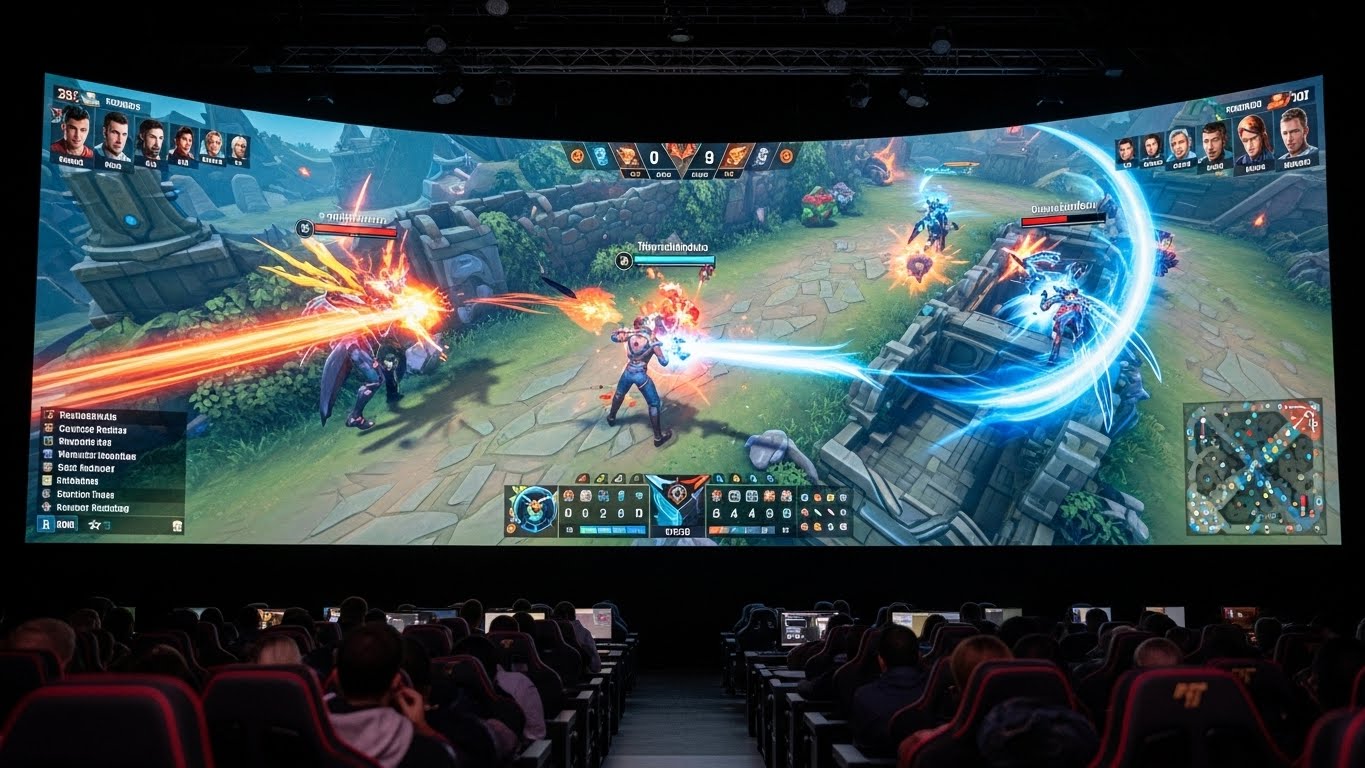
The rise of high-speed internet, improved gaming hardware, and better infrastructure has had a significant impact on the growth of esports. Faster internet connections allow for low-latency gameplay, enabling players from all corners of the world to compete in real-time without significant lag. As gaming graphics have become more sophisticated, games are now more immersive, exciting, and visually appealing, which enhances both the player and viewer experience.
Cloud gaming platforms like Google Stadia and Xbox Cloud Gaming are further revolutionizing the gaming world. These services allow players to access high-quality games without needing expensive hardware, thereby making esports more accessible to a wider audience. Additionally, the increasing popularity of virtual reality (VR) and augmented reality (AR) could usher in a new era for competitive gaming, offering entirely new ways to experience esports.
2. Streaming Platforms and Audience Engagement
The explosion of streaming platforms, particularly Twitch, has allowed esports to flourish by giving players and fans an interactive space to connect. Streaming provides a platform where professional players, amateur gamers, and even casual viewers can showcase their skills and personalities. This level of accessibility allows fans to follow their favorite players, teams, and tournaments in real-time, creating a sense of community and engagement that is rare in traditional sports.
Twitch, for instance, offers not just live broadcasts of esports tournaments, but also interactive content, including gameplay commentary, tutorials, and Q&A sessions. Fans can chat with streamers and fellow viewers during live broadcasts, adding a layer of interaction that traditional sports broadcasts cannot match. Furthermore, platforms like YouTube and Facebook Gaming have also joined the esports streaming scene, ensuring that the industry has a global presence across various platforms.
3. Professionalization of Esports
As esports grew in popularity, it began to resemble traditional sports in many ways. Professional teams and players emerged, with organizations dedicated to sponsoring, coaching, and training talent. Major esports games like League of Legends, Counter-Strike, Dota 2, and Overwatch now feature structured leagues, often with full-time players who dedicate themselves to training and competition.
Esports events and leagues have become highly organized, with professional broadcasters, analysts, and commentators offering expert commentary and in-depth analysis, much like traditional sports broadcasts. This has helped elevate esports into a respected entertainment form, not just for gamers, but also for the general public. Sponsorship deals with major brands like Coca-Cola, Intel, and Nike have further legitimized esports as a professional industry.
4. Global Fanbase and Market Potential
One of the most compelling factors driving the rise of esports is its broad, international appeal. Unlike many traditional sports, which are often constrained by geography, esports can be played and watched by anyone with an internet connection. Competitive gaming transcends borders, with tournaments like The International (Dota 2) and the League of Legends World Championship attracting millions of viewers from around the world.
Esports has created a global community where fans can interact across cultural and linguistic divides. This broad reach has made esports an attractive investment for companies seeking to tap into younger, tech-savvy audiences. As a result, sponsorship deals, media rights, and advertising revenue continue to grow, making esports a lucrative industry that rivals traditional sports in terms of financial power and viewership.
Key Elements of the Esports Ecosystem
The esports ecosystem is a dynamic and multifaceted network that includes professional players, teams, tournaments, fans, sponsors, and broadcasters. Let’s break down some of the core components that make esports such an exciting and rapidly growing industry.
1. Professional Esports Teams and Players
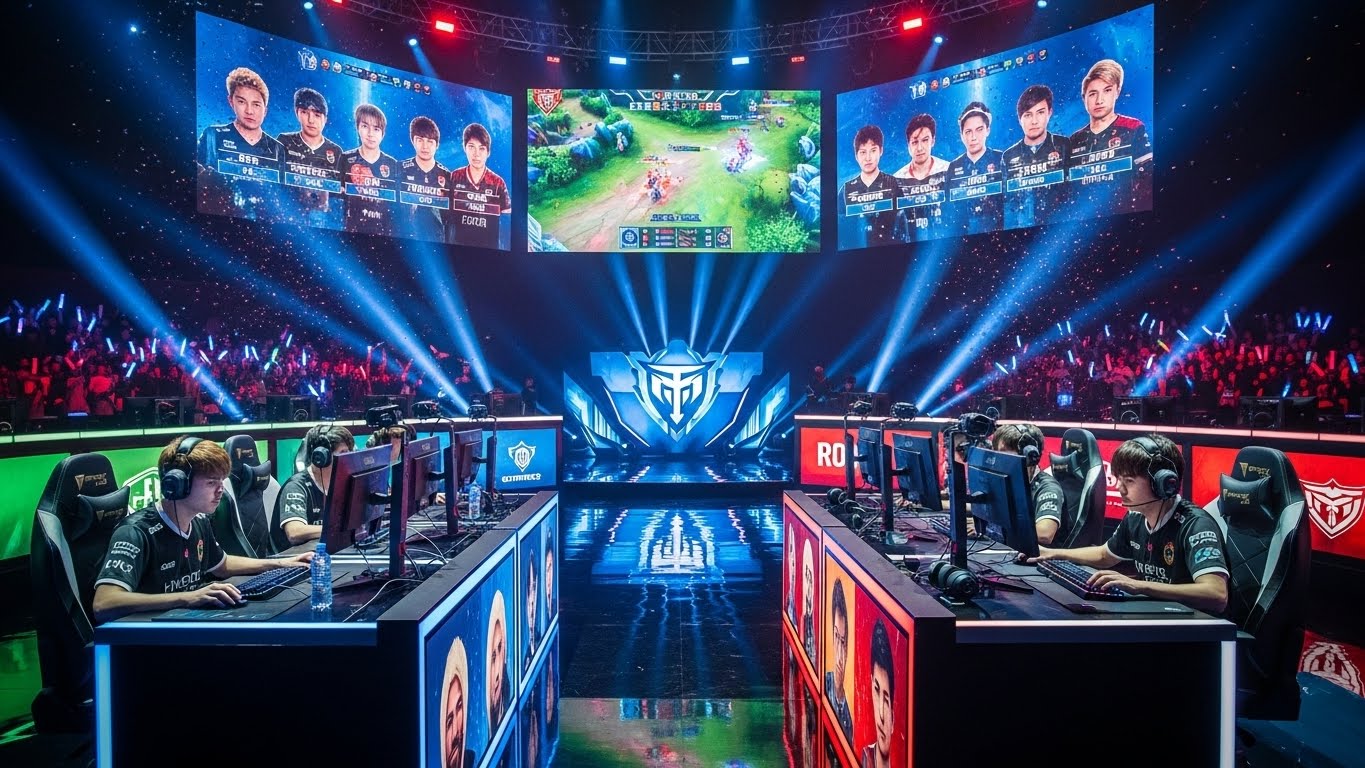
At the heart of the esports world are the professional players and teams who compete in tournaments and leagues. These players are the digital athletes of the gaming world, and their skills are honed through hours of practice and competitive play. Just like traditional athletes, professional esports players spend countless hours training, analyzing gameplay, and developing strategies to stay ahead of the competition.
Esports organizations often sign players to multi-year contracts, providing them with salaries, benefits, and sponsorship opportunities. In addition to the players themselves, teams also employ coaches, analysts, and team managers to ensure their success. Some of the most well-known esports organizations include T1 (League of Legends), FaZe Clan (various titles), and Astralis (Counter-Strike).
2. Esports Leagues and Tournaments
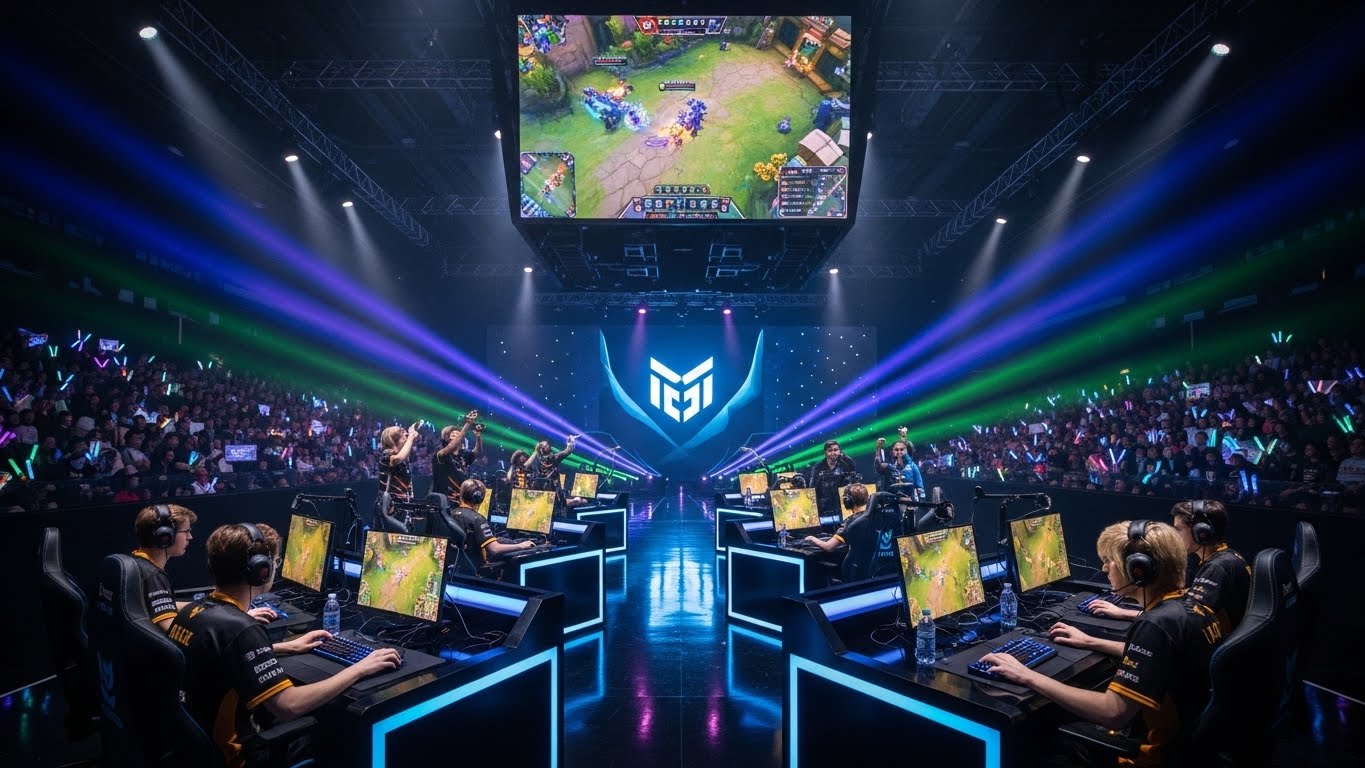
Competitive gaming thrives on the structure provided by professional leagues and tournaments. These events are where the best players and teams compete for titles, fame, and, most importantly, large prize pools. Leagues like the Overwatch League, League of Legends Pro League (LPL), and the Call of Duty League are just a few examples of the growing number of structured competitions that provide regular, high-level play.
Major esports tournaments are often broadcast live and can attract viewership in the millions. For instance, The International, the annual tournament for Dota 2, has consistently offered one of the largest prize pools in esports history. In 2021, the prize pool for The International reached over $40 million, showcasing the immense popularity and financial potential of esports events.
3. Sponsorships and Media Rights
Sponsorship plays a huge role in the financial success of esports. Companies from a wide range of industries, including technology, food and beverage, fashion, and automotive, have invested in esports. Sponsorship deals allow these brands to connect with the millions of young, tech-savvy consumers who follow esports.
Broadcasting rights also play a major role in the ecosystem. Networks like ESPN, TBS, and other major media outlets have started airing esports events, offering mainstream exposure to competitive gaming. The increasing presence of esports on traditional television channels signals the growing recognition of esports as a legitimate and valuable form of entertainment.
4. Fans and Community Engagement
Esports fans are an integral part of the ecosystem, providing support to players and teams through cheering, viewing, and engagement. Online communities surrounding esports games are incredibly passionate and vocal, and they play a huge role in creating hype around major events. Fans often interact with players through social media, live streams, and forums, discussing strategies, team performances, and upcoming matches.
The sense of community is one of the reasons why esports has become such a powerful force in the entertainment industry. Fans not only support their favorite teams but also contribute to the culture of esports by creating fan art, organizing tournaments, and hosting fan events.
The Future of Esports
The future of esports looks incredibly promising. As technology continues to advance, the possibilities for esports are limitless. With faster internet, better gaming hardware, and the rise of virtual and augmented reality, we may see new and exciting formats for competitive gaming emerge.
Increased mainstream adoption of esports, coupled with greater media coverage and corporate investment, will only further fuel its growth. Esports is likely to become an even more central part of global entertainment culture, attracting larger audiences, more sponsors, and increased opportunities for players.
However, esports also faces challenges. Issues such as player health and well-being, as well as concerns over toxicity and inclusivity within the gaming community, need to be addressed. Furthermore, the commercialization of esports could lead to questions about its authenticity and grassroots origins. It will be important for the industry to maintain a balance between professional growth and the values that made esports such a unique and grassroots movement in the first place.
Conclusion
Esports has come a long way from its humble beginnings as a niche hobby. Today, it’s a global powerhouse, attracting millions of players, fans, and investors from all corners of the world. Thanks to technological advancements, the rise of streaming platforms, and professionalization within the industry, esports has become a legitimate and respected form of competition and entertainment.