 hubvault77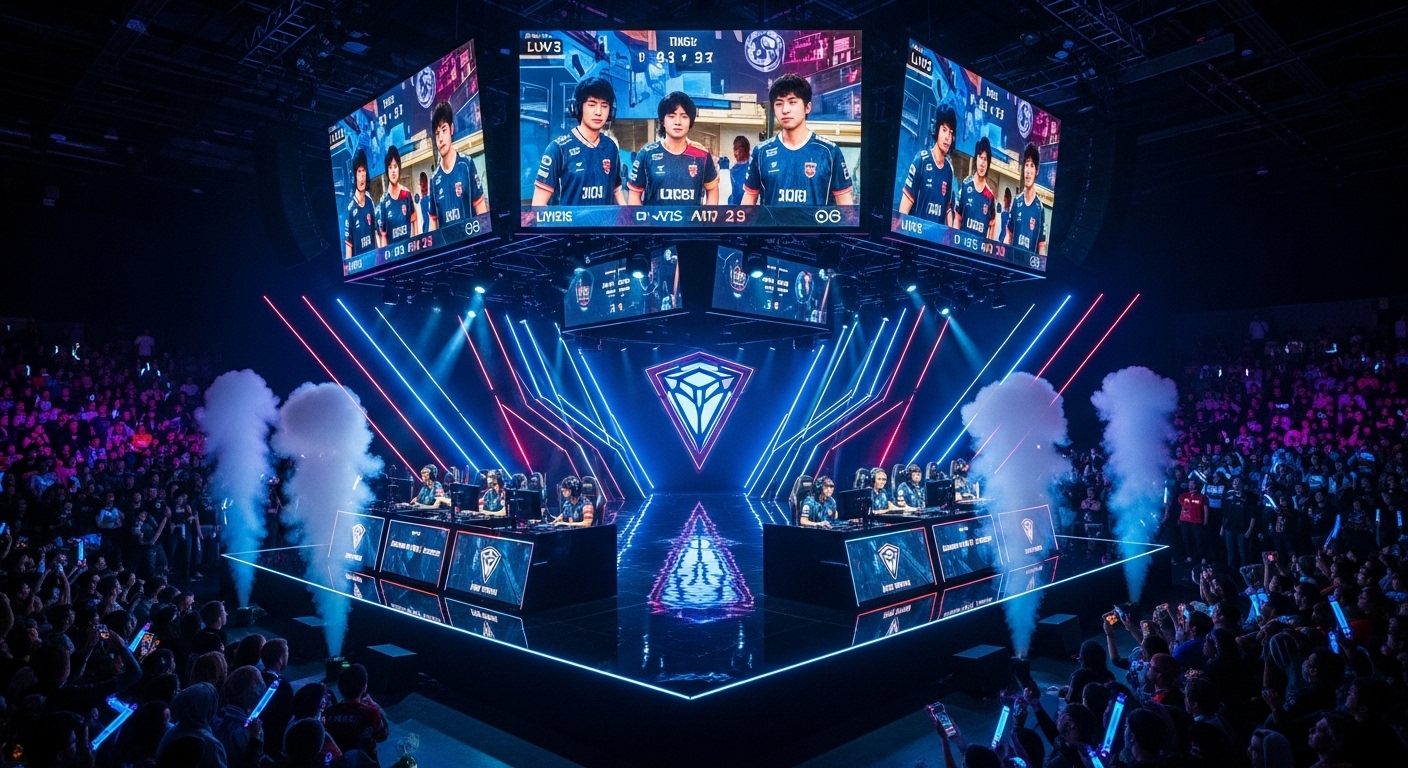
Introduction
Esports, short for electronic sports, has transformed the way we perceive competition in the digital era. Once considered a hobby for gamers, esports has emerged as a legitimate professional field attracting millions of fans, providing career opportunities, and impacting culture, education, and the economy. Unlike traditional sports, esports thrives entirely in the digital space, yet it demands extraordinary skill, teamwork, strategy, and focus. This blog explores the growth of esports, its global influence, challenges, and its potential to shape the future of entertainment and competition.
The Origins of Esports
The origins of esports date back to the 1970s and 1980s when arcade games became popular and early competitions focused on achieving high scores. Titles like Space Invaders, Pac-Man, and Pong laid the foundation for competitive gaming. The 1990s introduced multiplayer games such as Quake, StarCraft, and Counter-Strike, especially in South Korea, where professional gaming gained mainstream attention. With the rise of the internet, players could compete online, creating global communities and organized tournaments. Over the years, esports has evolved into a multi-genre industry including first-person shooters, real-time strategy, multiplayer online battle arenas, and battle royale games.
The Global Rise of Esports
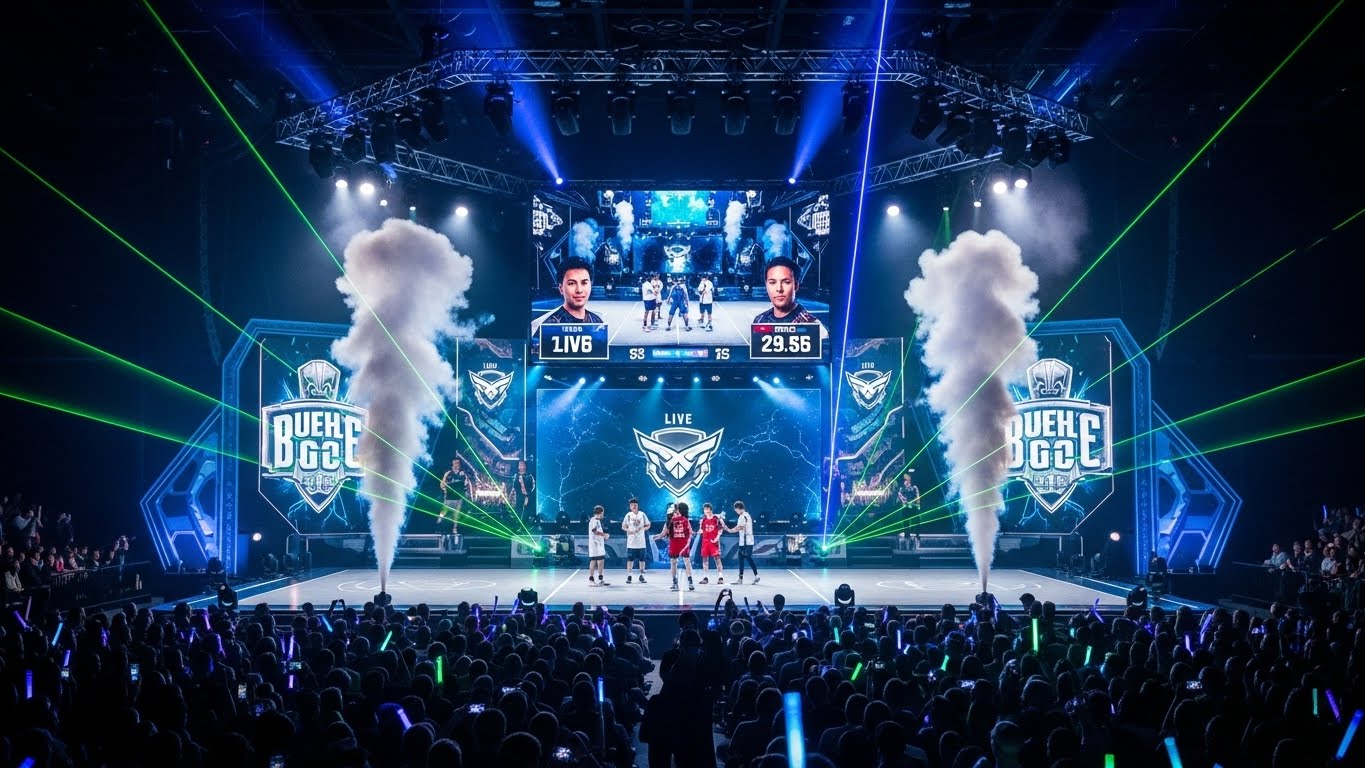
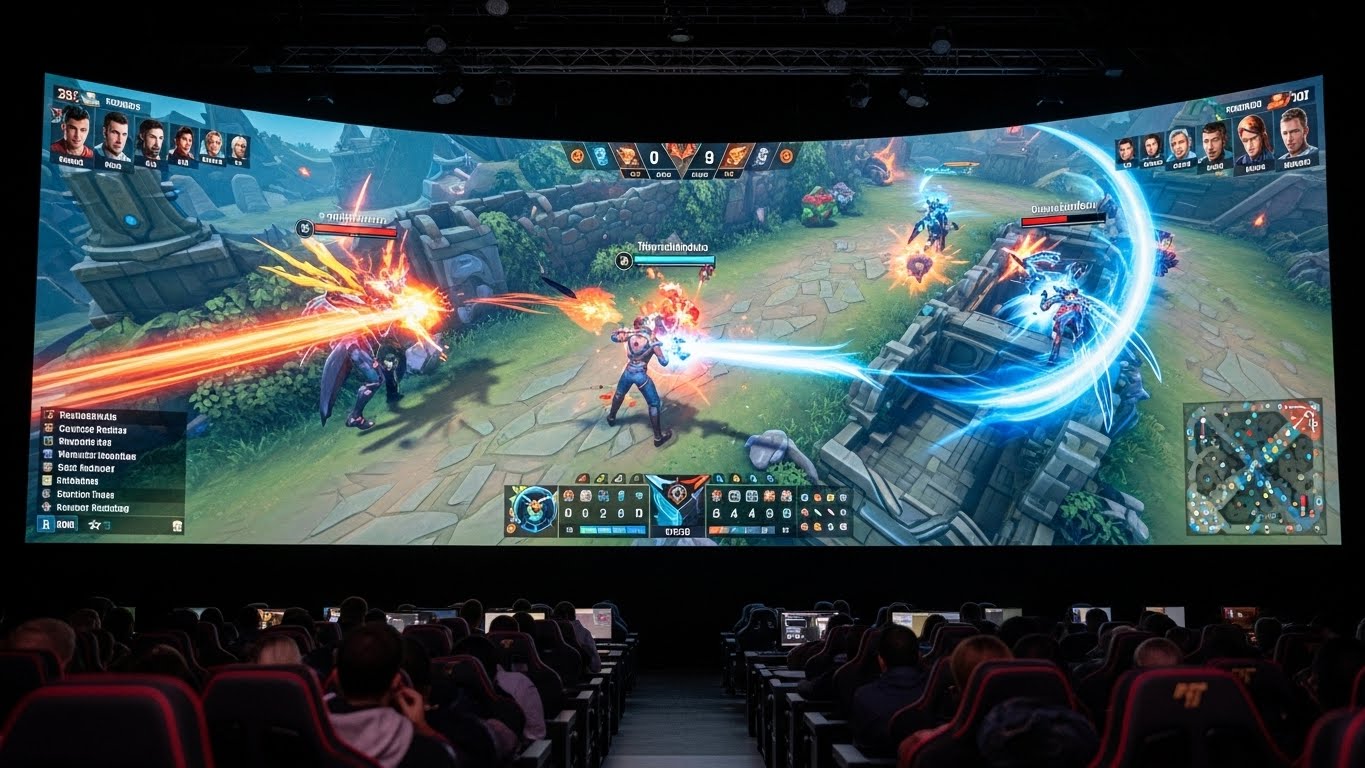
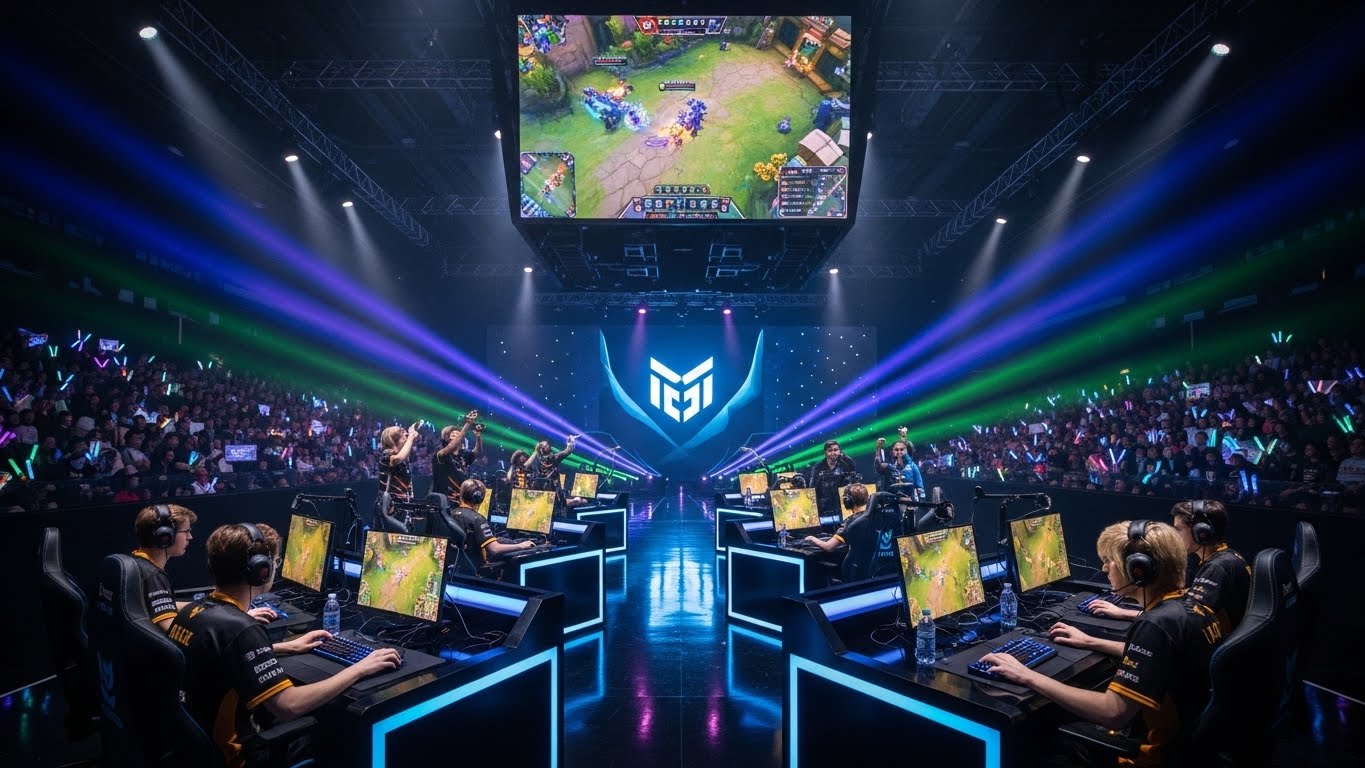
Esports has grown into a global phenomenon with a massive following. Millions of viewers tune into tournaments, both online and in stadiums, to watch their favorite teams and players compete. Games like League of Legends, Dota 2, Fortnite, and Call of Duty dominate the competitive scene and attract audiences comparable to traditional sports. The rise of streaming platforms has made esports accessible to anyone with an internet connection, allowing fans worldwide to watch live competitions, interact with players, and join vibrant communities. Esports’ global reach has made it an influential cultural force.
Mental and Physical Skills in Esports
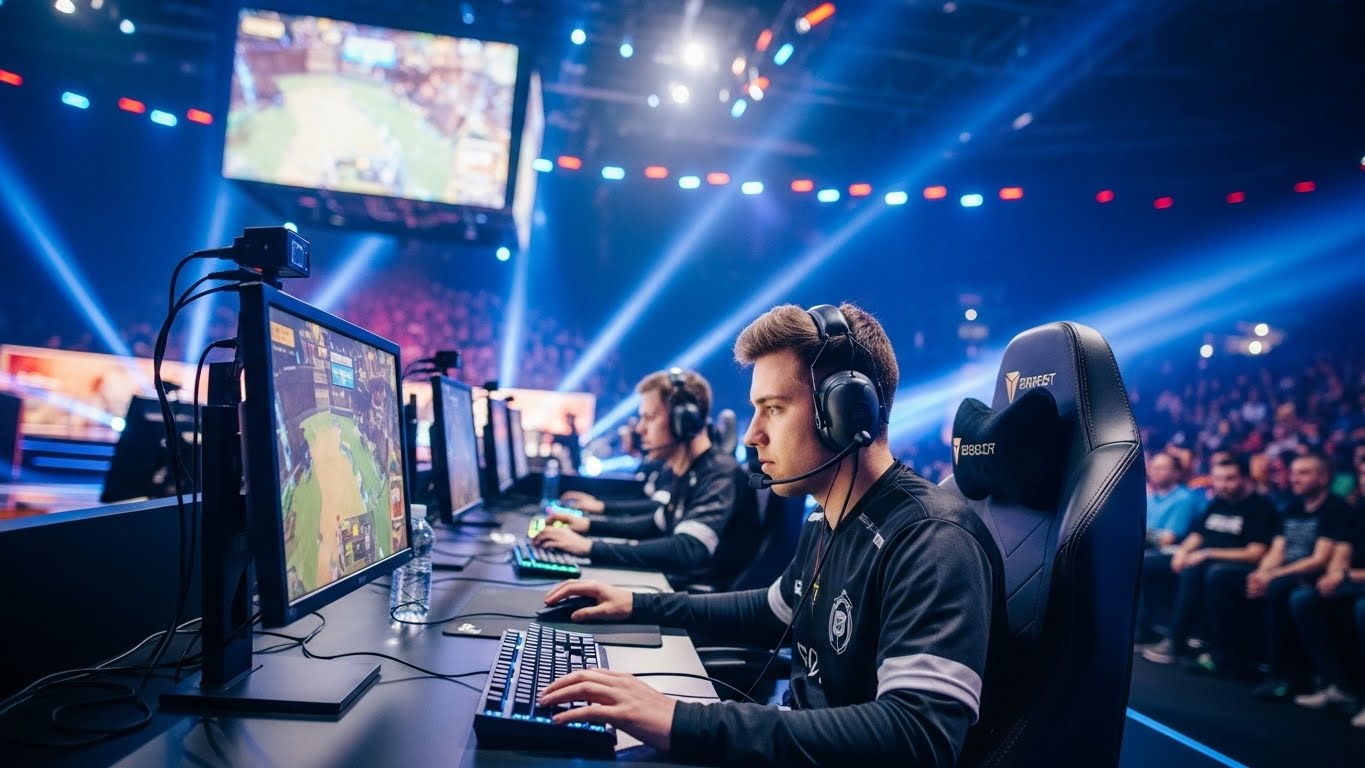
Although esports does not require traditional physical exertion, it demands unique mental and physical skills. Professional players rely on reflexes, hand-eye coordination, precise timing, and split-second decision-making. Endurance and focus are critical as matches can last several hours under intense pressure. Team-based games require communication, leadership, and coordination, while individual competitions test strategic thinking, adaptability, and mental resilience. Esports also develops problem-solving skills, multitasking abilities, and situational awareness, proving that competitive gaming is both physically and cognitively challenging.
Professionalization of Esports
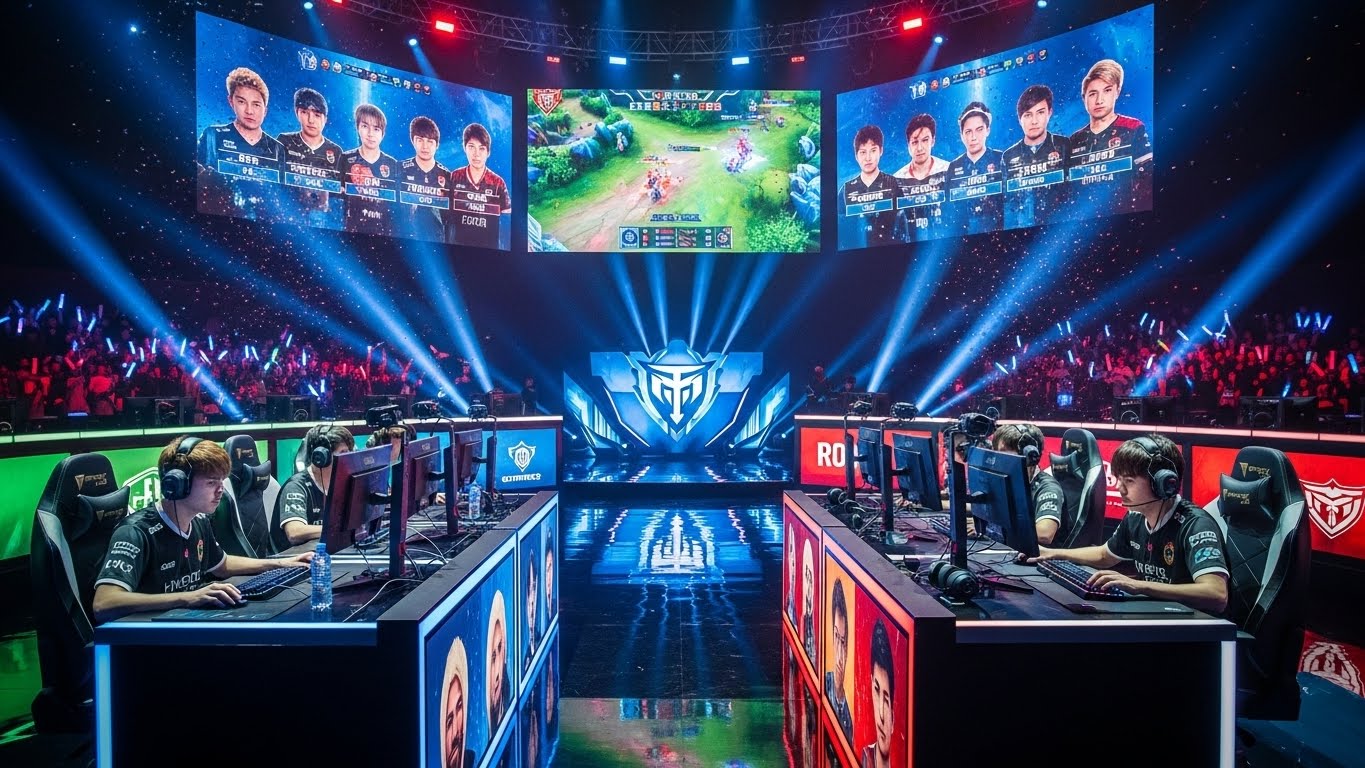
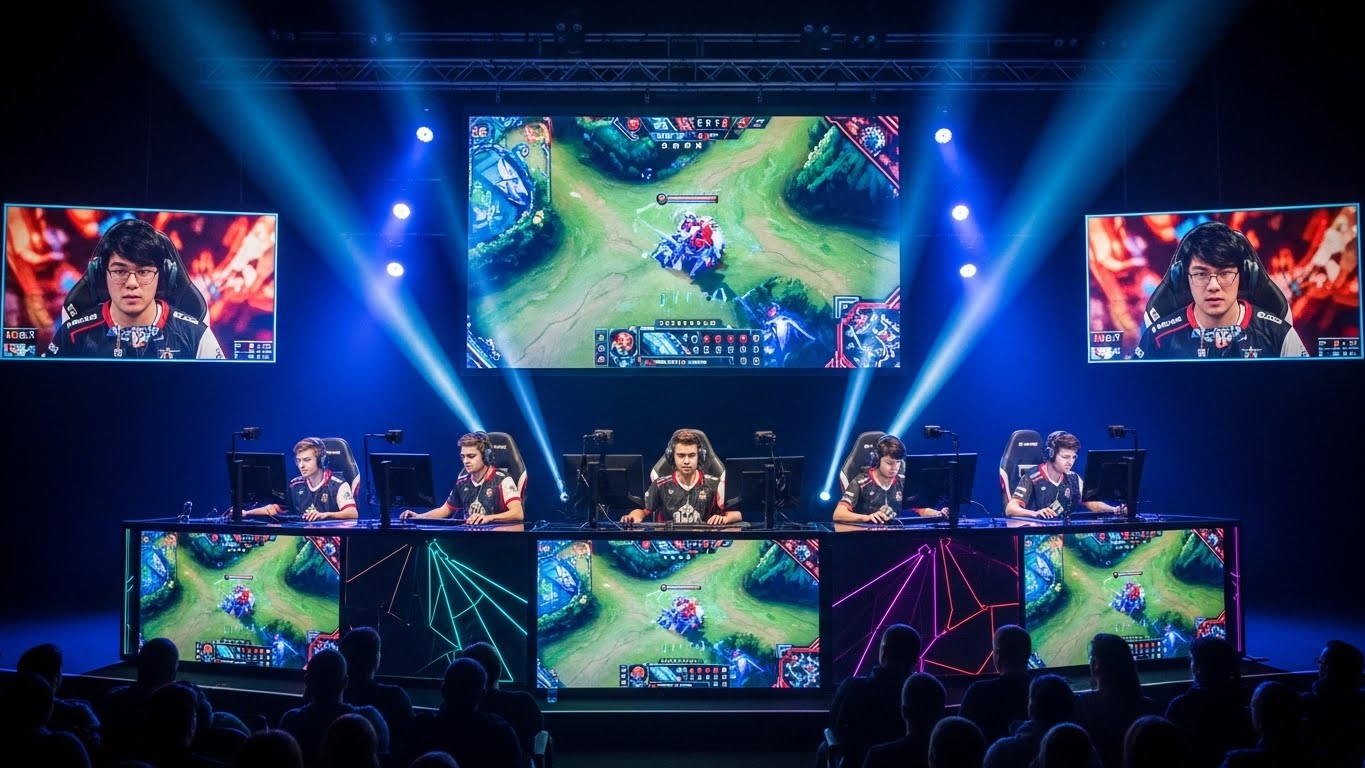
Esports has transitioned into a professional career with salaries, sponsorships, and prize money rivaling traditional sports. Teams operate like professional organizations, employing coaches, analysts, psychologists, and nutritionists to support players’ performance. Major tournaments offer multi-million-dollar prize pools, attracting global talent and increasing competition standards. Sponsorships from global brands and companies further strengthen the industry. Professionalization has provided players with stability, recognition, and growth opportunities while elevating esports’ credibility as a legitimate form of competition.
Technology and Esports
Technological advancements have been central to esports’ rise. High-performance computers, gaming consoles, fast internet, and sophisticated software enable competitive play at elite levels. Streaming platforms allow fans to watch live events, interact with players, and follow global tournaments. Analytics software tracks player performance, enhances strategy, and identifies areas for improvement. Emerging technologies such as virtual reality and augmented reality are beginning to offer immersive experiences that redefine gameplay and spectator engagement. Technology ensures that esports remains dynamic, competitive, and widely accessible.
Esports as Entertainment
Esports is more than a competition; it is a thriving entertainment industry. Tournaments are produced with professional commentary, cinematic visuals, and narratives that engage viewers. Fans follow favorite teams and players, participate in online discussions, and consume content across multiple platforms. Streamers, content creators, and analysts add variety and education to the ecosystem. Esports combines competition, storytelling, social engagement, and media production, creating a multifaceted entertainment experience appealing to diverse audiences.
Economic Impact of Esports
Esports is a multi-billion-dollar industry that significantly impacts the economy. Revenue streams include sponsorships, merchandise sales, advertising, ticket sales, and broadcasting rights. Global tournaments attract investment from brands and corporations while boosting local economies through tourism, events, and infrastructure development. Professional players and content creators earn income from salaries, tournament winnings, and partnerships. Additionally, esports drives innovation in gaming hardware, software, and digital media, showing that its economic influence extends far beyond the game itself.
Esports in Education
Educational institutions have begun integrating esports into their programs. Schools and universities are offering esports teams, scholarships, and academic programs. Participation teaches students teamwork, leadership, strategic thinking, and communication skills. Colleges provide coaching, training facilities, and academic support to competitive players. Esports programs also foster digital literacy, problem-solving, and career readiness in gaming, technology, and media sectors. By incorporating esports into education, institutions prepare students for professional opportunities while nurturing passion and skill development.
Youth Engagement and Community Building
Esports offers an inclusive and accessible platform for youth. Unlike traditional sports, esports can be played anywhere with internet access, allowing individuals from different backgrounds to participate. Youth engagement in esports promotes skill development, teamwork, strategy, and discipline. Online communities and fan networks provide social interaction, mentorship, and collaboration. Participation in esports teaches resilience, decision-making, and competitive spirit while creating opportunities for personal growth and professional pathways in gaming and technology.
Challenges in Esports
Despite its success, esports faces challenges that require attention. The pressure to perform at elite levels can lead to mental health issues, stress, and burnout. Long hours of practice and gaming may cause physical strain, including repetitive stress injuries, poor posture, and eye strain. Ethical concerns, such as cheating, match-fixing, and online harassment, threaten the industry’s integrity. Moreover, public perception sometimes questions esports’ legitimacy as a sport. Addressing these challenges requires proper regulation, player support systems, and education to ensure sustainable growth and ethical practices.
Emerging Trends in Esports
Esports continues to evolve with emerging trends such as mobile gaming, virtual reality competitions, and cross-industry collaborations. Mobile esports allows millions of players to participate using smartphones, increasing accessibility. Virtual reality introduces immersive gameplay, blending physical and digital experiences. Collaborations with traditional sports, music, and entertainment industries create hybrid events and new fan experiences. These trends reflect esports’ adaptability and its potential to continuously innovate while engaging broader audiences.
Global Reach and Cultural Impact
Esports has created a global community that transcends geography, language, and culture. Online tournaments connect players from around the world, fostering collaboration and competition. Fans engage with each other through social media, forums, and live streaming, forming communities united by shared passion. Esports promotes cultural exchange, networking, and inclusivity. Its influence extends beyond gaming, impacting entertainment, fashion, lifestyle, and social trends, solidifying esports as a powerful cultural force.
The Future of Esports
The future of esports is promising, with increasing investment, mainstream recognition, and technological advancements. Professional leagues and international tournaments continue to expand, while innovations such as augmented and virtual reality enhance gameplay and audience engagement. Esports may become an integral part of education, entertainment, and global culture, rivaling traditional sports. As the industry grows, player support, ethical regulation, and societal acceptance are expected to improve, solidifying esports as a lasting and transformative competitive platform.
Conclusion
Esports has evolved from casual gaming into a professional, global industry with cultural, economic, and educational significance. It demands mental and physical skills, fosters global communities, drives technological innovation, and provides entertainment for millions. While challenges like mental health pressures, physical strain, and ethical concerns exist, esports continues to grow in popularity and credibility. Beyond the digital screens, esports is redefining competition, engagement, and human potential, proving that the world of gaming is more than entertainment—it is a revolution.