 hubvault77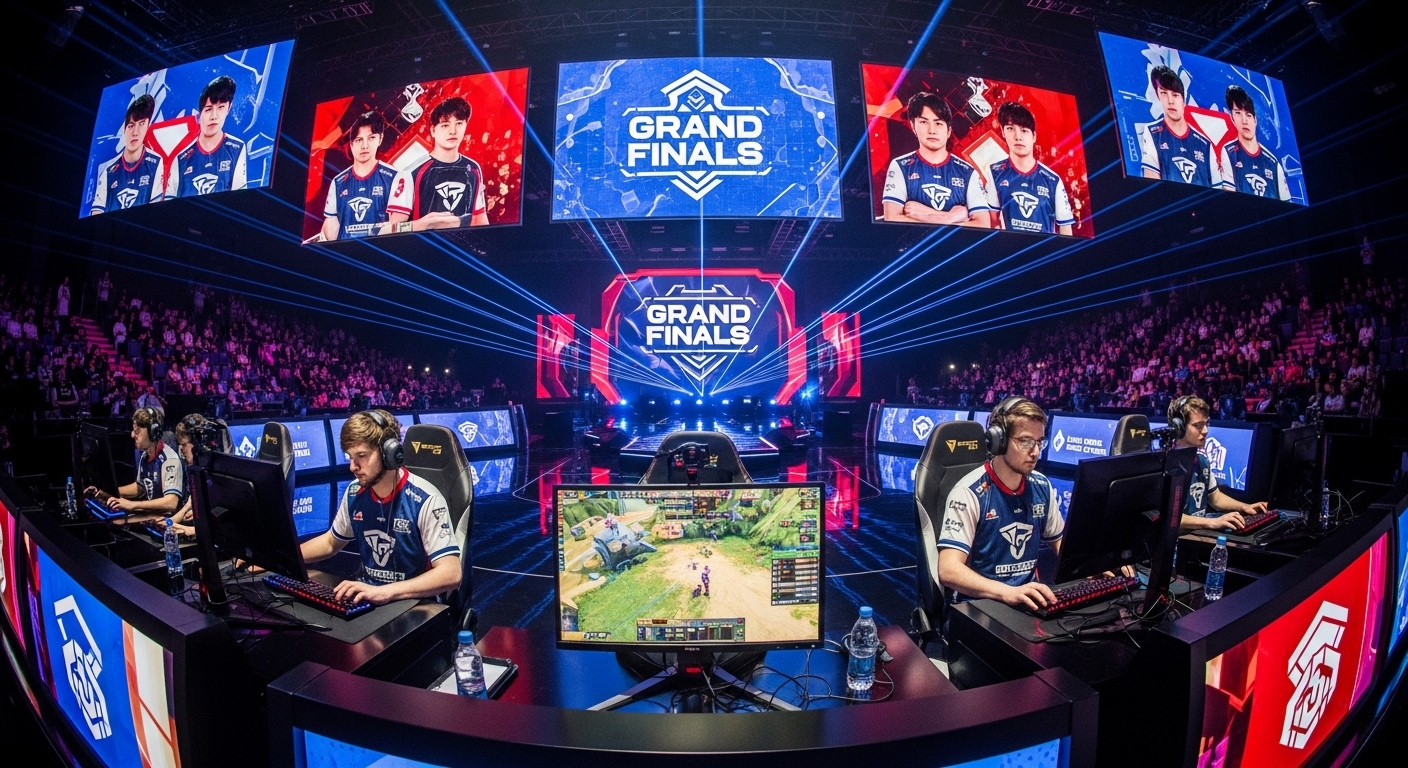
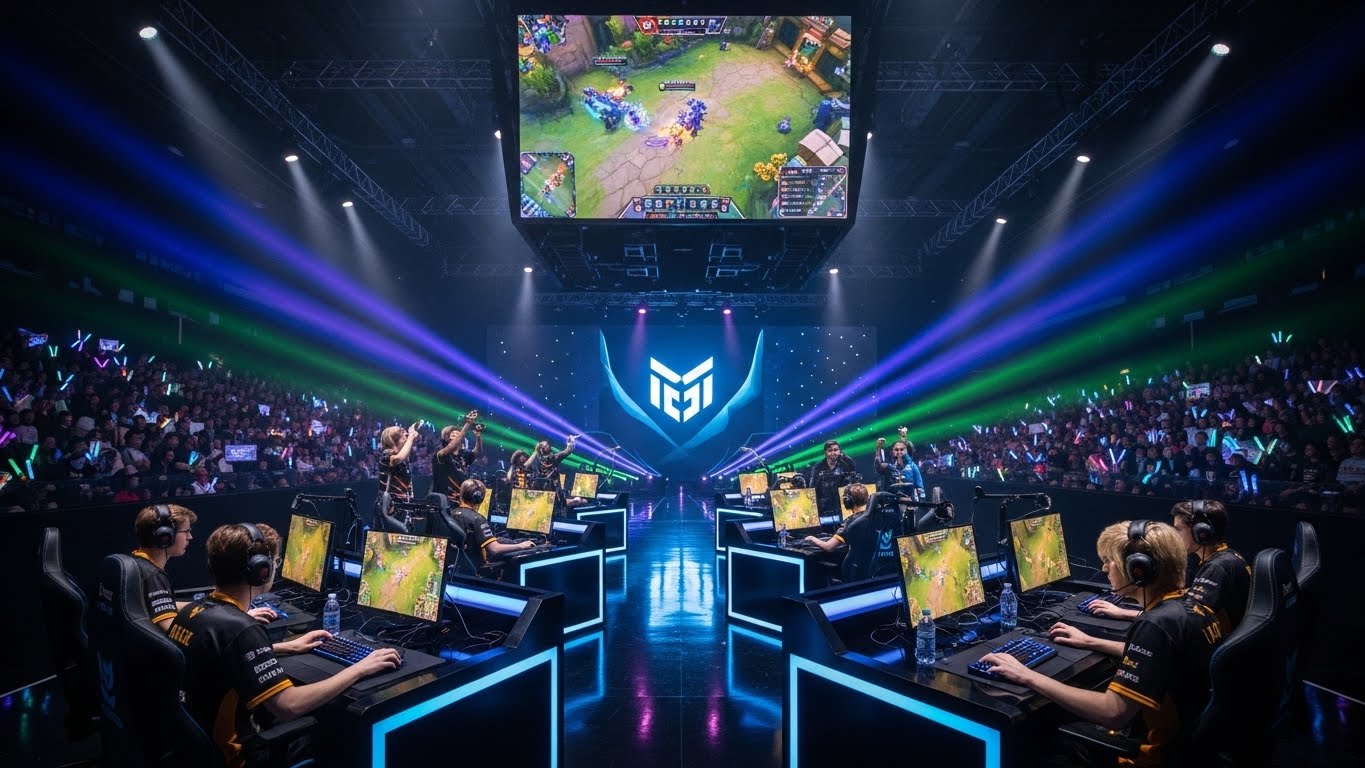
In the past few decades, the landscape of sports and entertainment has undergone a dramatic shift. While traditional sports like football, basketball, and soccer have long dominated the global stage, a new contender has emerged on the scene—esports. Competitive video gaming, once considered a niche hobby, has exploded into a multi-billion-dollar industry with a massive, worldwide fanbase. The meteoric rise of esports is not only changing the way people view gaming, but it’s also redefining what it means to be an athlete and a fan in the 21st century.
In this blog post, we’ll take a closer look at the phenomenon of esports, the factors driving its growth, the ways in which it’s transforming both the gaming and sports industries, and what the future holds for competitive gaming.
The Origins of Esports: From Arcade Games to International Tournaments
The roots of esports can be traced back to the early days of video gaming, when arcade games like Pong and Space Invaders were the first to introduce the concept of competitive play. However, it wasn’t until the 1990s that competitive gaming began to take its modern form. In 1997, one of the first major esports tournaments, the Red Annihilation tournament for Quake, drew hundreds of players and spectators, laying the groundwork for what would become a worldwide phenomenon.
As the 2000s approached, games like StarCraft, Warcraft III, and Counter-Strike gained popularity, and dedicated online gaming platforms began to emerge. These games not only provided the foundation for the modern esports scene but also introduced the concept of professional esports leagues and tournaments. The rise of broadband internet made it easier for players to connect with one another, creating a thriving online competitive environment.
By the mid-2000s, esports had reached a tipping point. Tournaments such as the World Cyber Games and ESL (Electronic Sports League) offered large cash prizes and attracted a growing number of viewers. Games like League of Legends and Dota 2 further pushed esports into the mainstream, offering increasingly sophisticated competition formats and substantial prize pools.
What Makes Esports So Popular?
Esports has grown at an extraordinary rate over the last decade, but what exactly makes it so appealing? There are several factors contributing to its rise in popularity.
1. Accessible to Everyone
Unlike traditional sports, which often require specialized equipment or physical training, esports is accessible to anyone with a computer or gaming console. All you need is a game and an internet connection, and you’re ready to compete. This accessibility has helped esports attract a global audience, including people from regions where traditional sports may be less prevalent.
Mobile gaming, in particular, has played a major role in making esports more inclusive. With smartphones becoming more powerful and affordable, millions of people can now enjoy competitive gaming. Games like PUBG Mobile, Clash Royale, and Arena of Valor have introduced esports to regions such as Southeast Asia, where mobile devices are often the primary means of gaming.
2. The Appeal of Streaming and Online Communities
A major factor in esports’ growth is the rise of live streaming platforms such as Twitch, YouTube Gaming, and Facebook Gaming. These platforms allow fans to watch their favorite players and teams compete in real time. But it’s not just about watching the games; it’s about connecting with a community of like-minded people. Viewers can chat, interact, and even donate to their favorite streamers, creating a sense of involvement and excitement around the events.
For many fans, esports is more than just about the games themselves; it’s about being part of a community. The interactivity of streaming platforms, the ability to follow players’ careers, and the constant engagement with fans all contribute to the appeal of esports.
3. Skill and Strategy
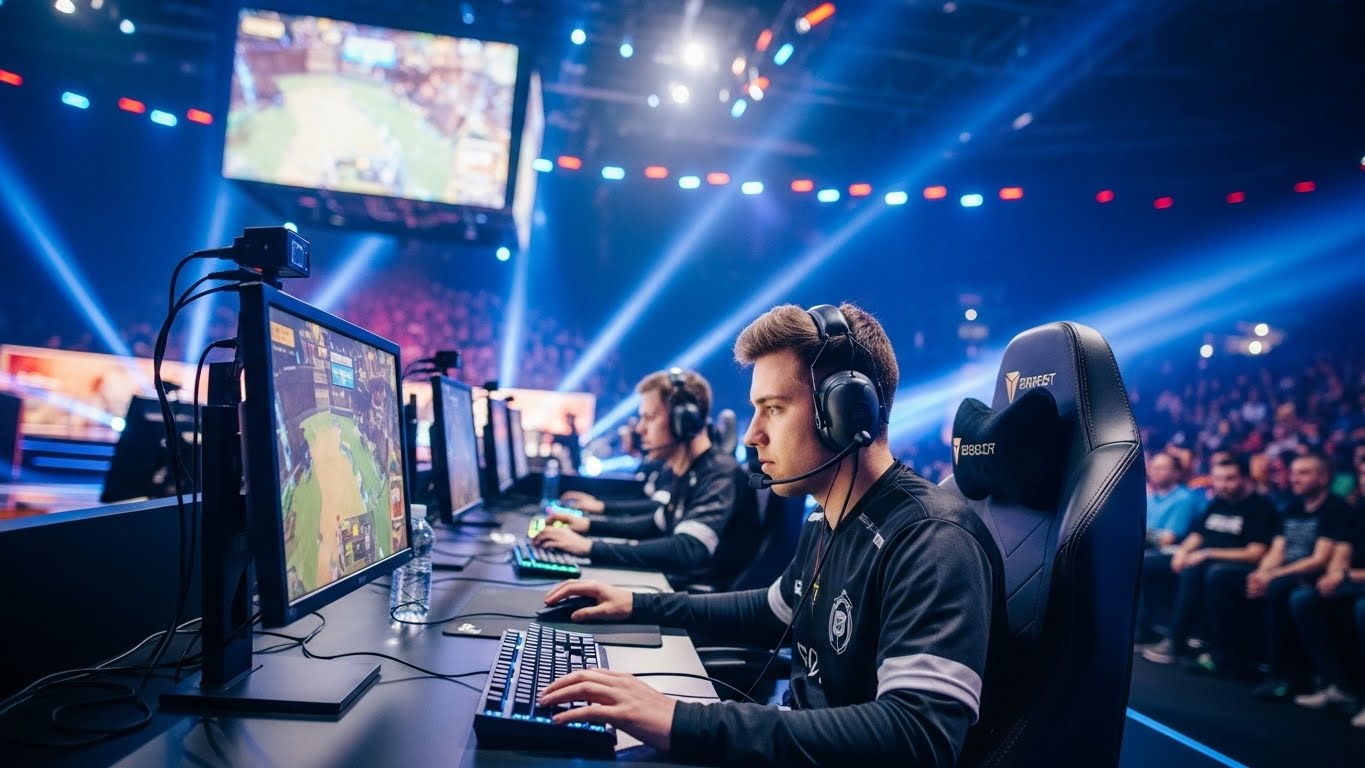
Esports isn’t just about quick reflexes; it requires an incredible amount of skill, strategy, and teamwork. Games like League of Legends and Overwatch demand high levels of coordination and tactical thinking. Esports players spend countless hours honing their skills, analyzing game data, and perfecting their strategies. This level of commitment mirrors that of traditional athletes, and it’s one of the reasons why esports is often referred to as “sports for the mind.”
Just like in traditional sports, players must work as a team, understand their roles, and execute strategies with precision. This makes esports just as exciting to watch as traditional sports, if not more so.
4. The Rise of Sponsorship and Investment
As esports has grown, it has attracted significant attention from major brands and investors. Sponsorship deals with global companies such as Intel, Red Bull, and Coca-Cola have pumped money into the industry, further legitimizing esports as a serious business. Companies recognize the enormous value of reaching the gaming audience, which is young, tech-savvy, and highly engaged.
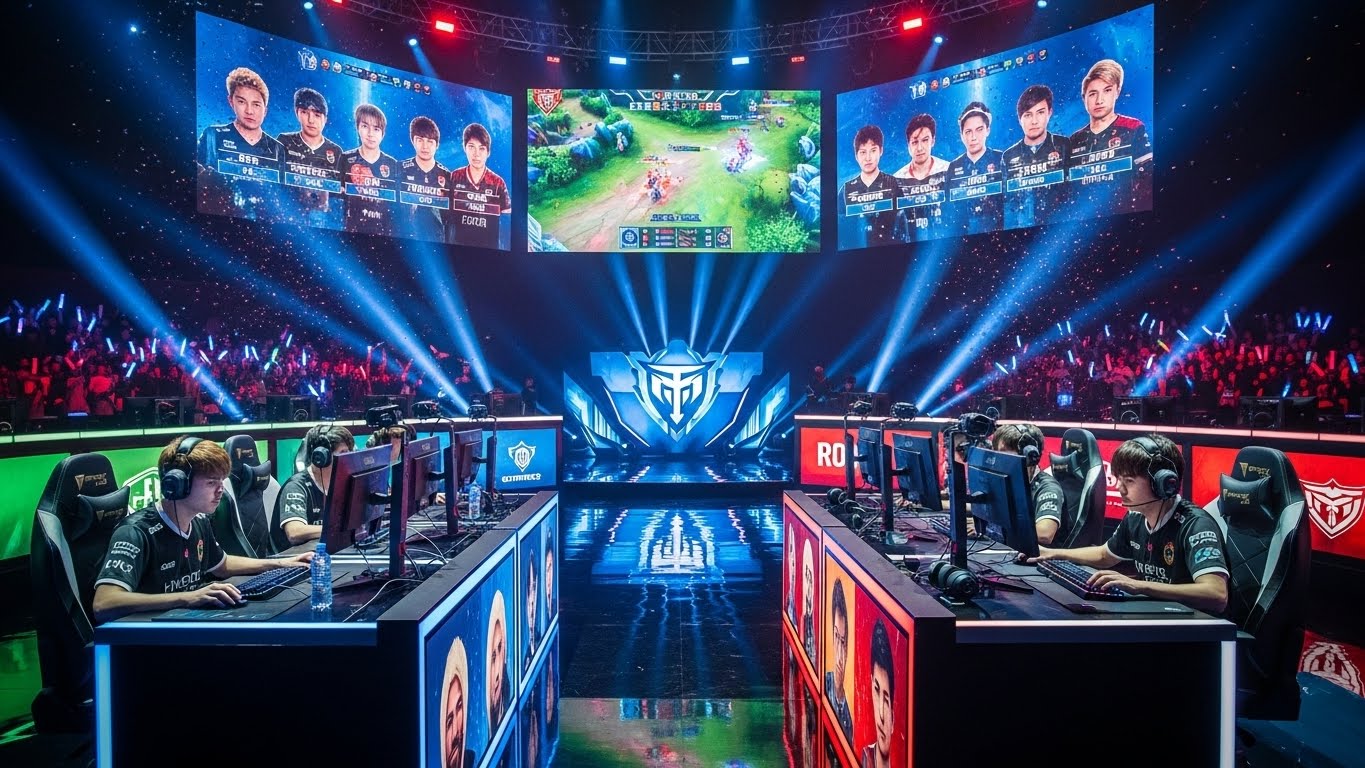
Esports organizations have also become increasingly professional, with many teams now having full-time coaches, analysts, and support staff, similar to traditional sports teams. Major tournaments such as The International (for Dota 2) and League of Legends World Championship have multimillion-dollar prize pools, attracting the best players and teams from around the globe.
The Impact of Esports on the Gaming Industry
Esports has had a profound impact on the gaming industry, shaping not only the way games are developed but also how they are marketed.
1. Game Design and Balance
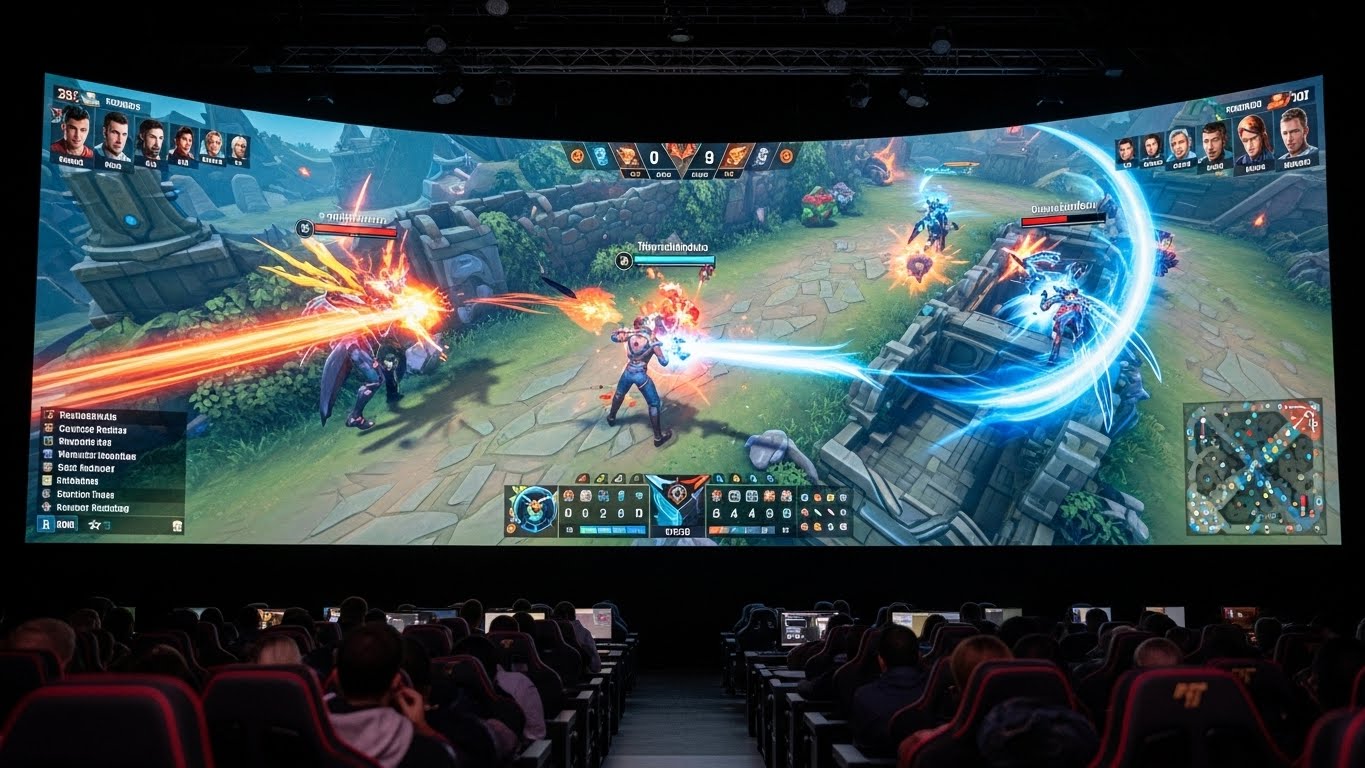
The competitive nature of esports has forced game developers to pay closer attention to the balance of their titles. For a game to be viable as an esport, it must be well-balanced and free from exploits or game-breaking bugs. Developers often tweak their games to ensure that no single character, strategy, or item is too overpowered, making the competition fair and exciting.
Games like League of Legends and Counter-Strike: Global Offensive receive regular updates to balance gameplay and introduce new content to keep players engaged. This ongoing support is vital for maintaining the longevity of a game’s competitive scene.
2. Game Marketing and Monetization
Esports has created new avenues for monetization in the gaming industry. In addition to selling the game itself, developers can generate revenue through in-game purchases, sponsorships, and merchandise sales. Tournaments and streaming platforms offer advertising opportunities, and brands are eager to tap into the vast audience that esports provides.
Streaming platforms have also opened up new revenue streams for content creators. Streamers can earn money through subscriptions, donations, and ad revenue, which incentivizes them to produce high-quality content and engage with their communities. This creates a cycle of content creation and consumption that keeps viewers coming back for more.
3. The Growth of Esports Leagues and Tournaments
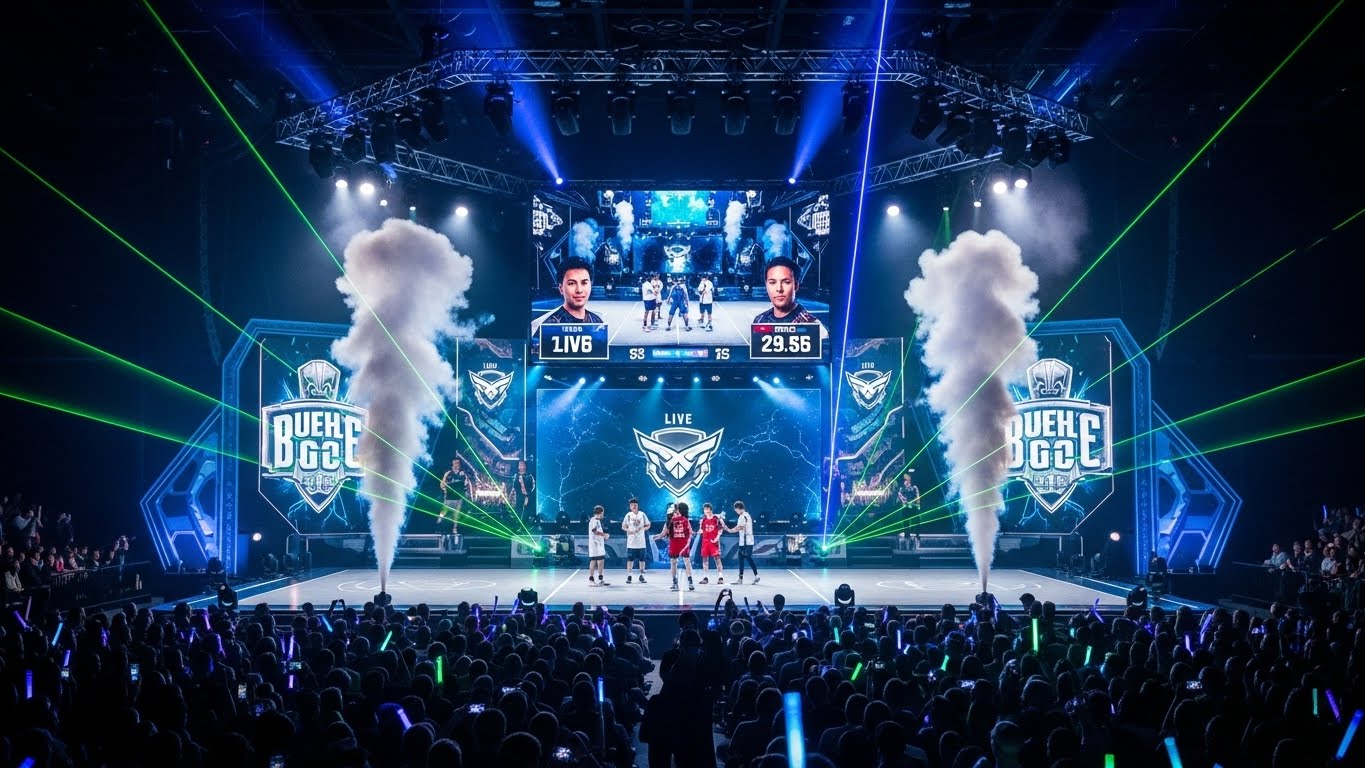
Professional esports leagues have also become an essential part of the gaming landscape. Just like traditional sports leagues, these esports leagues operate year-round, with regular seasons, playoffs, and championships. For example, the League of Legends Championship Series (LCS) in North America and the Overwatch League (OWL) have become household names in esports, attracting millions of viewers both online and in person.
Major tournaments like The International for Dota 2 and Fortnite World Cup offer prize pools that rival those of traditional sports. These tournaments are broadcast worldwide, drawing millions of viewers and creating an environment where top-tier players and teams can earn fame, recognition, and substantial prize money.
The Future of Esports: What Lies Ahead?
As esports continues to grow and mature, there are several key trends that are likely to shape its future.
1. Esports in Mainstream Media
Esports has already made its mark on television and streaming platforms, but the potential for further mainstream exposure is enormous. Major broadcasters like ESPN, Fox Sports, and NBC have already begun airing esports events, and in the future, it’s likely that esports will have an even bigger presence in traditional media. With esports continuing to appeal to younger audiences, it is only a matter of time before it becomes a staple in the media landscape alongside traditional sports.
2. The Rise of College Esports
Just as college basketball and football have given birth to professional leagues, college esports is gaining traction. Universities around the world are now offering scholarships for esports players, and many have established their own competitive teams. This is creating a pipeline of future esports professionals and broadening the appeal of competitive gaming to a new generation of students.
3. Virtual and Augmented Reality in Esports
The next frontier for esports may lie in virtual and augmented reality (VR/AR). These technologies have the potential to take the gaming experience to new heights, offering players and fans an immersive experience like never before. VR-based esports competitions could soon become a reality, providing an entirely new way to experience competitive gaming. As VR and AR technologies become more advanced and accessible, we may see a wave of innovation in how esports is played and viewed.
4. Global Expansion of Esports
Esports is already a global phenomenon, but its reach is only set to expand further. Countries in regions such as Africa, the Middle East, and Latin America are beginning to embrace esports in a big way, and new markets are opening up for tournament organizers, sponsors, and game developers. The growth of mobile esports, in particular, is helping to fuel this expansion, as mobile devices become the primary platform for gaming in many parts of the world.
Conclusion
Esports has gone from being a niche hobby to a global entertainment juggernaut, captivating millions of fans and creating new career opportunities for players, coaches, broadcasters, and content creators. The rise of competitive gaming has revolutionized the gaming industry and is now on its way to changing the very nature of sports and entertainment.