 hubvault77
Introduction
In the last few decades, the landscape of sports and entertainment has been completely transformed by a phenomenon that few could have predicted: esports. What once began as a niche hobby for a small group of gamers has evolved into a multi-billion-dollar industry, attracting millions of fans, professional players, and major sponsors worldwide. Today, esports is more than just a game—it’s a cultural movement that brings together technology, competition, and entertainment in ways that have reshaped how we perceive sports. This post will explore the rise of esports, its cultural impact, and the factors that continue to fuel its explosive growth.
The Early Beginnings of Esports
The story of esports can be traced back to the early days of video games. While competitive gaming has existed in various forms for as long as there have been video games, it wasn’t until the late 1990s and early 2000s that esports began to take shape as an organized and competitive industry. The first significant esports tournaments were small-scale LAN (local area network) events held by passionate communities of gamers, where players would gather to compete in titles like Quake, StarCraft, and Warcraft III.
One of the earliest events considered the birth of modern esports was the Red Annihilation tournament in 1997, where professional players from across the world competed in the Quake game. The event was broadcast on the internet, and its success set the stage for a new wave of gaming competitions. Around the same time, South Korea emerged as a key epicenter of esports. The country embraced competitive gaming in a way that few others did, creating an infrastructure for professional gamers and fostering a community that would later influence global esports culture.
The rise of broadband internet and the proliferation of personal computers allowed for online competitions to take place, creating a global network of players and viewers. These early days of esports were marked by grassroots movements, as local gaming tournaments gave birth to the international events that would come to define competitive gaming on a global stage.
The Birth of Major Esports Tournaments
As the esports community grew, so did the tournaments. One of the most significant milestones in the evolution of esports was the introduction of games designed specifically for competitive play, such as League of Legends, Dota 2, Counter-Strike, and StarCraft II. These games laid the foundation for esports leagues and tournaments that would become household names.
In 2011, the League of Legends World Championship was held for the first time, marking the beginning of one of the most watched esports tournaments in history. Dota 2’s International tournament, first held in 2011, also revolutionized the scene by offering the largest prize pool in esports history at the time. The International quickly became one of the most prestigious and celebrated tournaments in competitive gaming, drawing millions of viewers and setting new standards for what was possible in terms of both prize money and viewership.
Esports tournaments like BlizzCon, ESL One, and DreamHack began attracting thousands of spectators, with prize pools reaching millions of dollars. With the increase in viewership, media companies and broadcasters began to recognize the commercial potential of esports. This shift from grassroots competitions to large-scale professional leagues marked the beginning of esports’ ascension into the mainstream.
The Rise of Esports Streaming
The digital age has allowed esports to reach new heights, particularly through the advent of streaming platforms. The introduction of Twitch in 2011 marked a turning point for competitive gaming. Twitch, a live streaming platform dedicated to video game content, gave gamers and fans a place to interact in real-time. Esports events, once limited to small live audiences or niche broadcasts, became global spectacles streamed to millions of people across the world.
Twitch revolutionized the way viewers engage with esports. Fans could watch their favorite players and teams compete live, while also interacting with them through chat. This direct connection between players and viewers has become a defining feature of the esports experience. As esports grew, Twitch became synonymous with the sport, and by 2014, Amazon acquired the platform for nearly a billion dollars, signaling the incredible potential of esports as a global business.
The streaming industry has continued to expand, with YouTube Gaming and Facebook Gaming also playing key roles in the ecosystem. These platforms have allowed for the growth of individual streamers, many of whom have turned their channels into full-time careers, earning revenue through subscriptions, advertisements, sponsorships, and donations from fans. The opportunity for players and influencers to monetize their gaming has created an entirely new economy within the entertainment industry.
Esports as a Professional Career
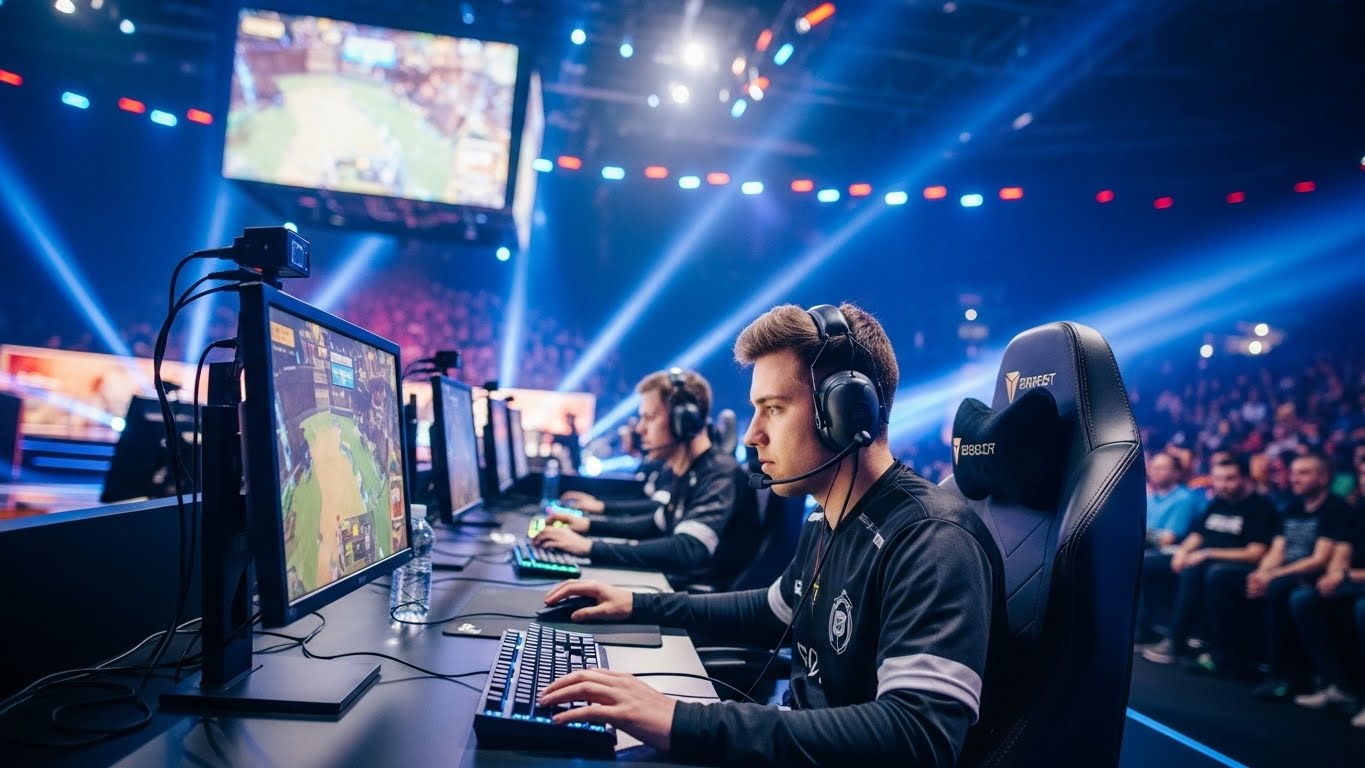
What once was considered an informal hobby has now become a legitimate profession for thousands of gamers around the world. Professional esports players are now full-time athletes, training for hours a day, just like athletes in traditional sports. The level of skill, strategy, and teamwork required to compete at the highest levels is immense. Professional players compete in leagues with sponsorship deals, team management, coaches, and analysts—mirroring the structure of traditional sports leagues.
Esports players now sign contracts, receive salaries, and are supported by teams and organizations that offer resources to help them succeed. Some of the most prominent esports organizations in the world, such as Cloud9, Team Liquid, FaZe Clan, and G2 Esports, have garnered millions of fans and built strong brand identities. These organizations sign the top players in games like League of Legends, Overwatch, Counter-Strike, Valorant, and Fortnite.
Many professional players also build personal brands, becoming celebrities within the esports community. Players like Ninja, Shroud, Faker, and PewDiePie have become global icons, with sponsorship deals, merchandise, and endorsement opportunities. In fact, some players earn more from streaming, content creation, and endorsements than they do from tournament winnings. The rise of esports as a career has created new role models and opportunities for gamers worldwide, particularly among younger generations.
Esports as a Spectator Sport
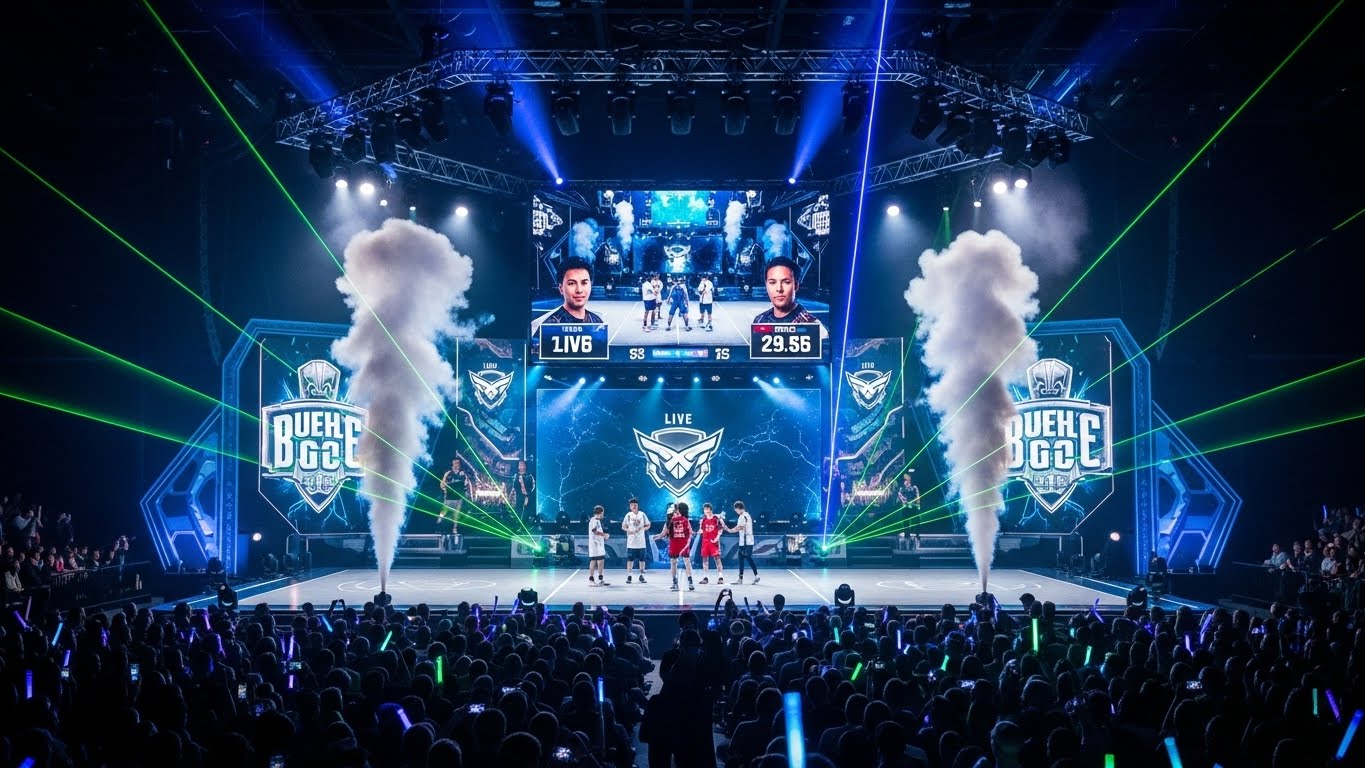
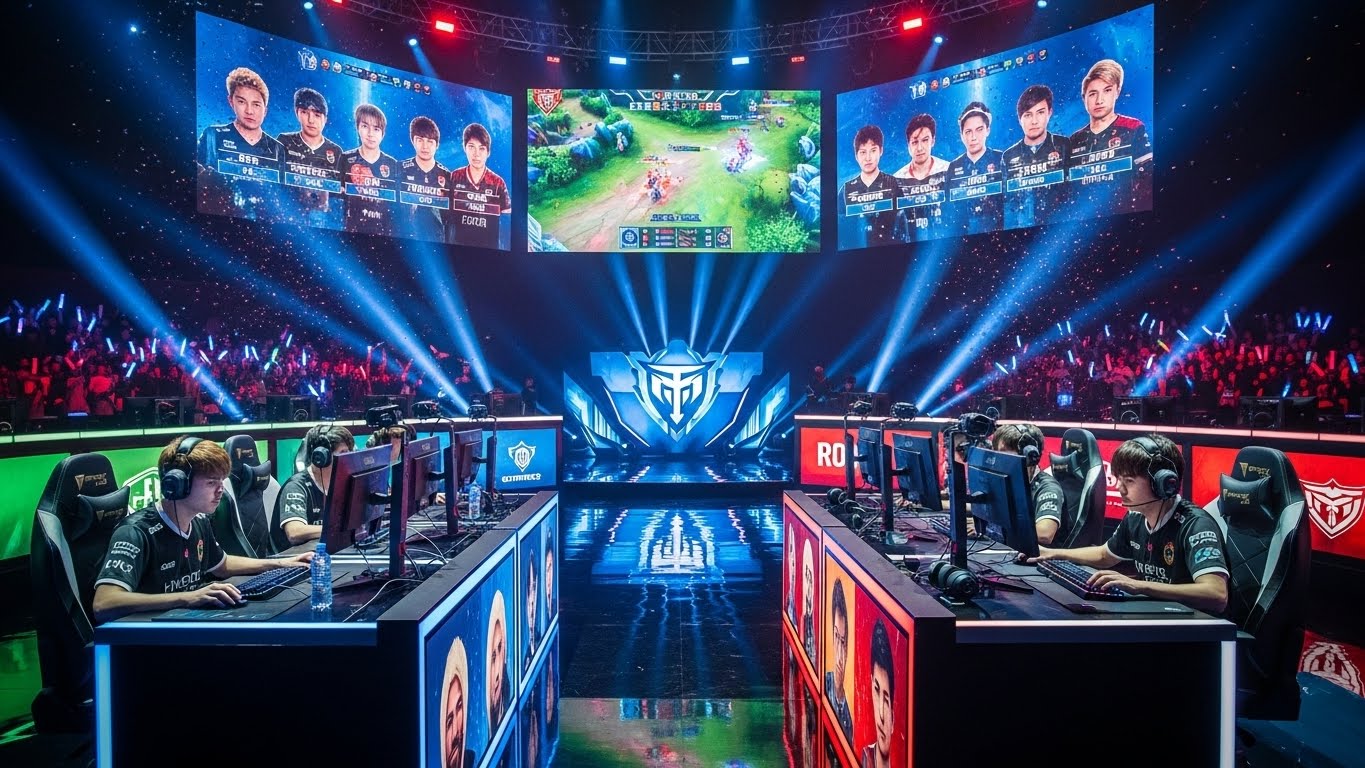
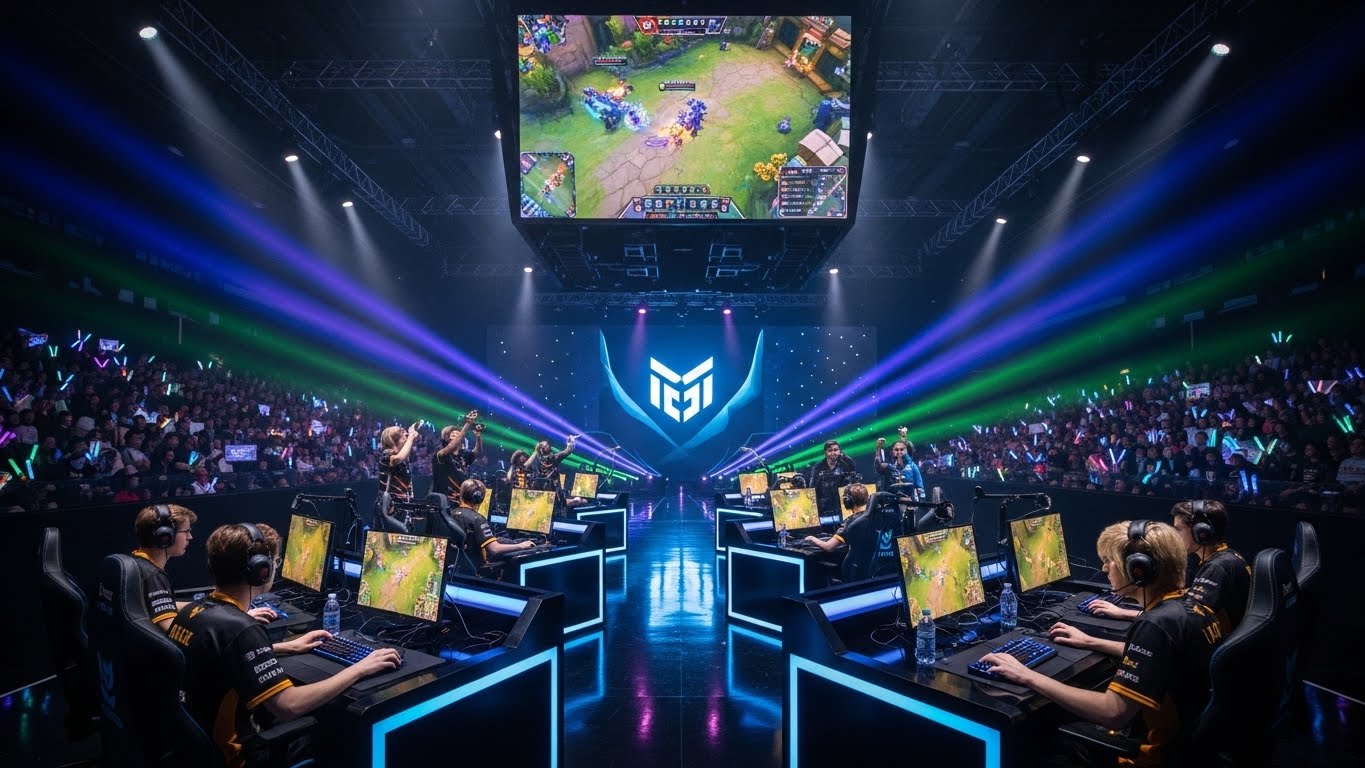
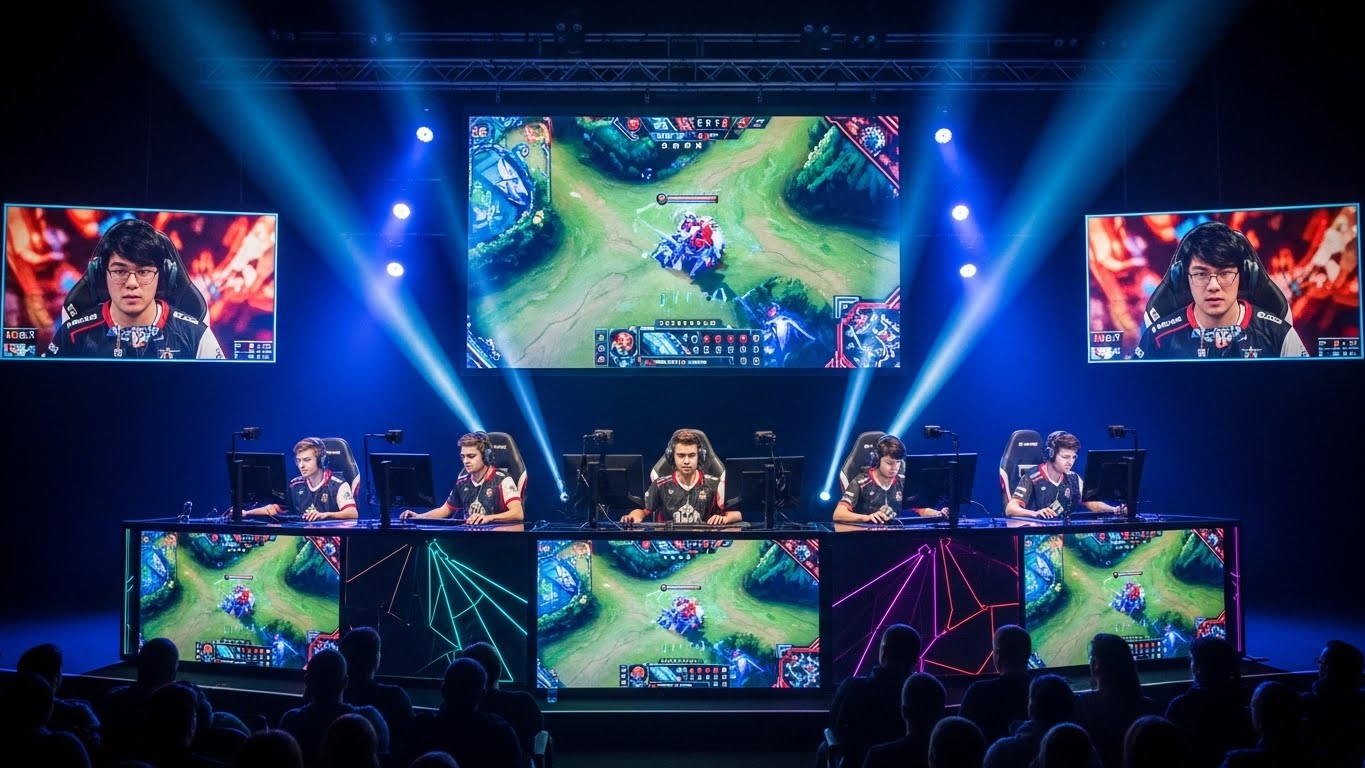
Esports has become one of the most watched sports in the world, with millions of fans tuning in to watch live broadcasts of tournaments. The League of Legends World Championship, The International for Dota 2, and Call of Duty League have become major events, attracting larger audiences than traditional sports in some cases. The League of Legends World Championship alone has drawn over 100 million viewers for its annual grand finals, rivaling the viewership of some of the biggest traditional sports events.
Unlike traditional sports, esports has a global, 24/7 presence. There is always a live competition happening somewhere in the world, and fans can tune in at any time to watch their favorite games. This accessibility has contributed to the explosive growth of esports, especially among younger, digitally-savvy audiences who are more likely to engage with content online rather than through traditional media.
Esports also creates a unique fan experience. Fans are not just passive observers—they are often active participants in the events, interacting with players, teams, and fellow fans in real-time via chat and social media. The communal aspect of esports sets it apart from traditional sports, as fans become a part of the experience, building relationships and forming communities around shared interests.
The Future of Esports
Esports is just getting started, and its future looks incredibly promising. The rise of virtual reality (VR) and augmented reality (AR) technologies could provide even more immersive experiences for players and fans alike. In the future, we could see esports competitions that take place entirely in virtual worlds, where players and spectators interact in real-time in fully immersive environments.
The continued growth of mobile gaming also presents a massive opportunity for esports. Mobile esports, especially in regions like Asia, have already become huge, with games like PUBG Mobile and Arena of Valor attracting millions of players and fans. As mobile gaming continues to evolve and improve, it will become a more prominent aspect of the esports ecosystem.
Additionally, esports will continue to expand into new regions. Countries like China, South Korea, and the United States are already home to thriving esports cultures, but other nations are quickly catching up. The rise of esports leagues and tournaments in regions like Latin America, Southeast Asia, and Africa will ensure that esports becomes a truly global phenomenon.
Challenges and Opportunities
Despite its growth, esports faces several challenges. One of the most pressing issues is the sustainability of its growth. As more companies invest in esports, the industry must find ways to balance commercialization with maintaining its grassroots and community-driven origins. Ensuring that esports remains accessible to all players, regardless of skill level or financial resources, is essential for its long-term success.
Moreover, the mental and physical health of professional players is a growing concern. The demanding schedules, long hours of practice, and intense competition can take a toll on players’ well-being. Esports organizations must prioritize the health and longevity of their players by offering support systems and ensuring that players maintain a healthy work-life balance.
Conclusion
Esports has come a long way from its humble beginnings as a niche hobby. It is now a global, multi-billion-dollar industry that has transformed the way we think about competition, entertainment, and sports. The rise of esports has created opportunities for players, fans, and brands alike, while also reshaping the broader landscape of digital entertainment.
As esports continues to grow and evolve, it will undoubtedly play an even more significant role in global culture, bringing together people from all walks of life to compete, watch, and celebrate the world of gaming. The esports revolution is only just beginning, and its future is as exciting and dynamic as the games themselves.