 hubvault77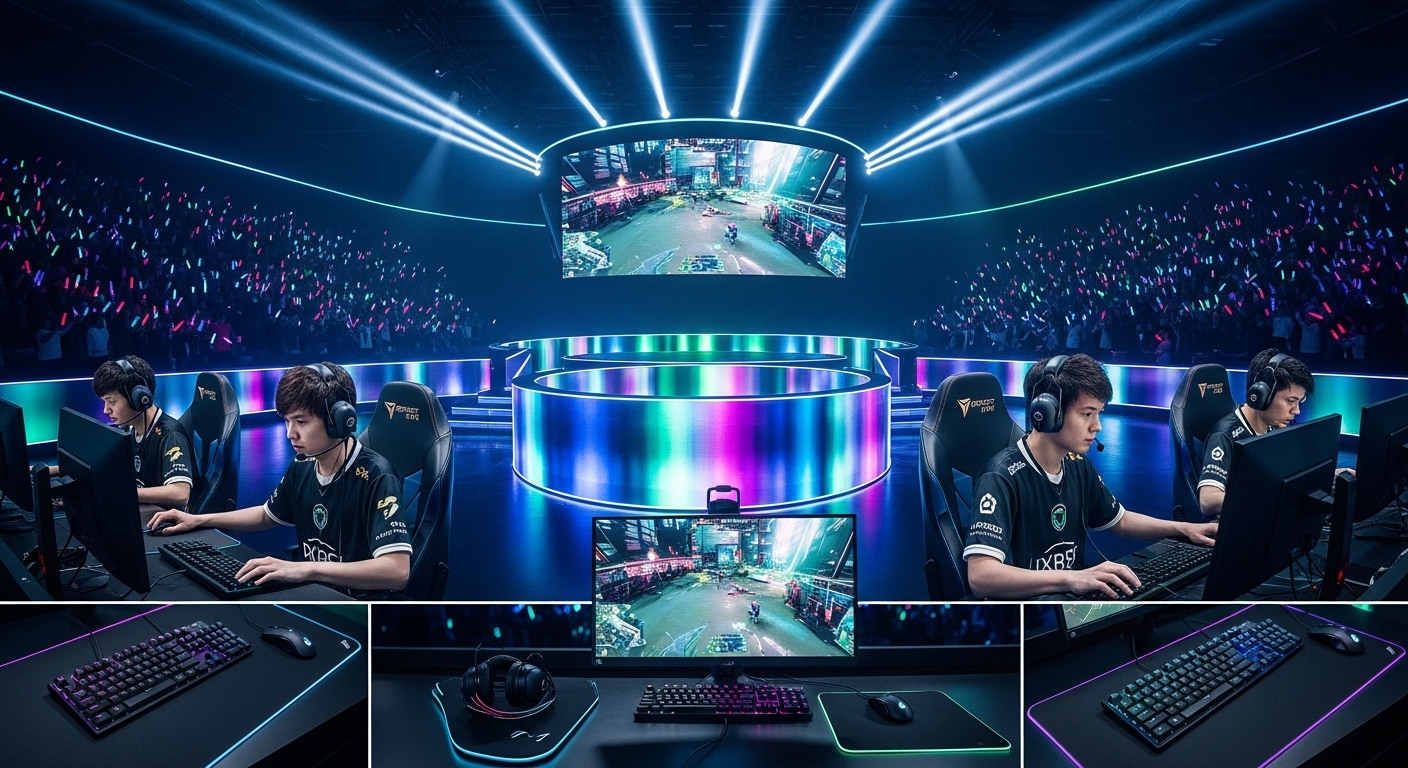
In the world of sports and entertainment, a revolution has quietly taken place. Over the past two decades, esports has emerged from the shadows of casual gaming into a multi-billion-dollar global industry. What once began as a hobby for tech-savvy enthusiasts has now evolved into a mainstream phenomenon, drawing millions of players, viewers, and sponsors from across the globe. Esports, or competitive gaming, has reshaped the way we think about competition, skill, and digital entertainment. But what exactly is driving this surge in popularity? In this blog post, we will explore the origins, growth, and future of esports, while examining the cultural impact and the opportunities it presents.
The Rise of Esports: From Niche to Global Phenomenon
Esports traces its origins back to the early days of video gaming. Long before large-scale tournaments and professional leagues existed, gaming was largely a solitary activity or a small social event among friends. However, in the late 1990s and early 2000s, competitive gaming began to take shape as a serious endeavor. This period marked the advent of LAN (local area network) parties, where gamers would connect their computers to compete in multiplayer matches, often for fun and bragging rights. These early events were small in scale but laid the foundation for what would become a global competitive scene.
In the early 2000s, esports saw its first major breakthroughs with the rise of games like StarCraft, Warcraft III, and Counter-Strike. These titles became the backbone of the competitive gaming community, with players engaging in online matches and tournament events. One of the first significant milestones came in 2000 with the creation of the World Cyber Games (WCG), an international competition that brought together top players from all over the world. The WCG helped establish esports as a legitimate competitive activity, and its success demonstrated that people were willing to pay attention to professional gaming.
As internet speeds improved and gaming hardware became more accessible, esports continued to grow. Streaming platforms like Twitch, which launched in 2011, provided a new way for players to broadcast their gameplay live to audiences around the world. This marked a critical turning point in the development of esports, as it opened up opportunities for fans to follow their favorite players, teams, and events in real-time. By the mid-2010s, esports had firmly established itself as a global entertainment force, attracting sponsorships from major companies, partnerships with traditional sports organizations, and millions of viewers tuning in from all corners of the globe.
Esports: A Professional Career Path
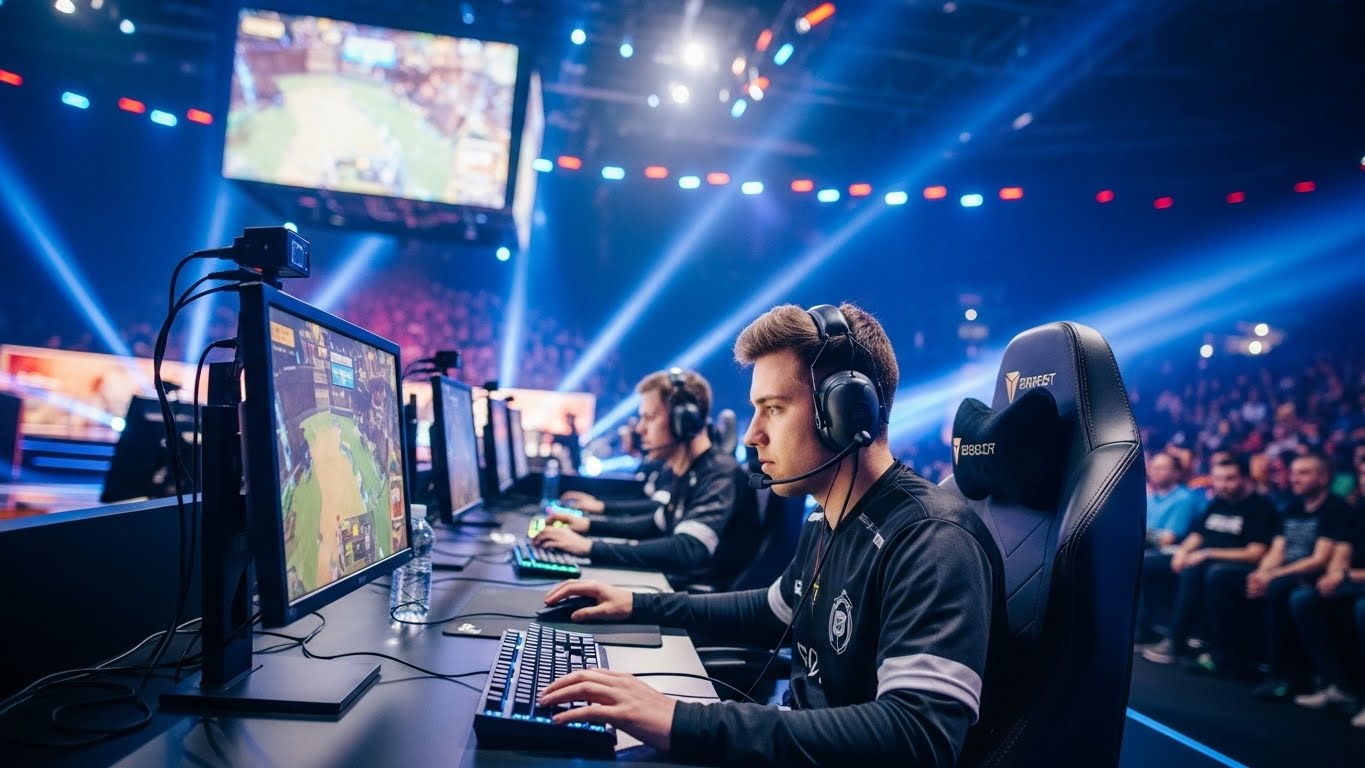
One of the most significant shifts in the esports industry has been the emergence of professional players. Just as athletes train for years to compete at the highest levels in traditional sports, esports players are now dedicating their lives to mastering their craft and earning a living through competitive gaming. This new career path has been made possible by the massive growth of the industry, which now supports not only players but also coaches, analysts, team managers, and other professionals who contribute to the success of esports organizations.
To become a professional esports player, individuals often start their careers at a young age. While some might begin playing casually or for fun, others take the path of competitive gaming early on, entering amateur leagues and tournaments as teenagers. Many esports organizations scout talented players from these lower-level competitions, offering contracts to promising individuals and creating opportunities for them to compete in major tournaments.
The path to becoming a professional in esports is rigorous, with players spending hours each day honing their skills, learning new strategies, and improving their game sense. For many players, success in esports comes with tremendous sacrifice—often giving up a traditional education or career in favor of training and competing full-time. As esports continues to grow, it’s increasingly common to see players not only competing but also taking on ambassadorial roles, acting as representatives of their teams or games in public events and media.
The financial rewards for top esports players can be substantial. While prize money in tournaments varies from game to game, some esports events offer multi-million-dollar prize pools, with the winners taking home a share of the spoils. However, many professional players also supplement their income through sponsorship deals, merchandise sales, and live streaming on platforms like Twitch, where top-tier players can earn substantial amounts through donations, subscriptions, and ad revenue.
Esports and the Spectator Experience
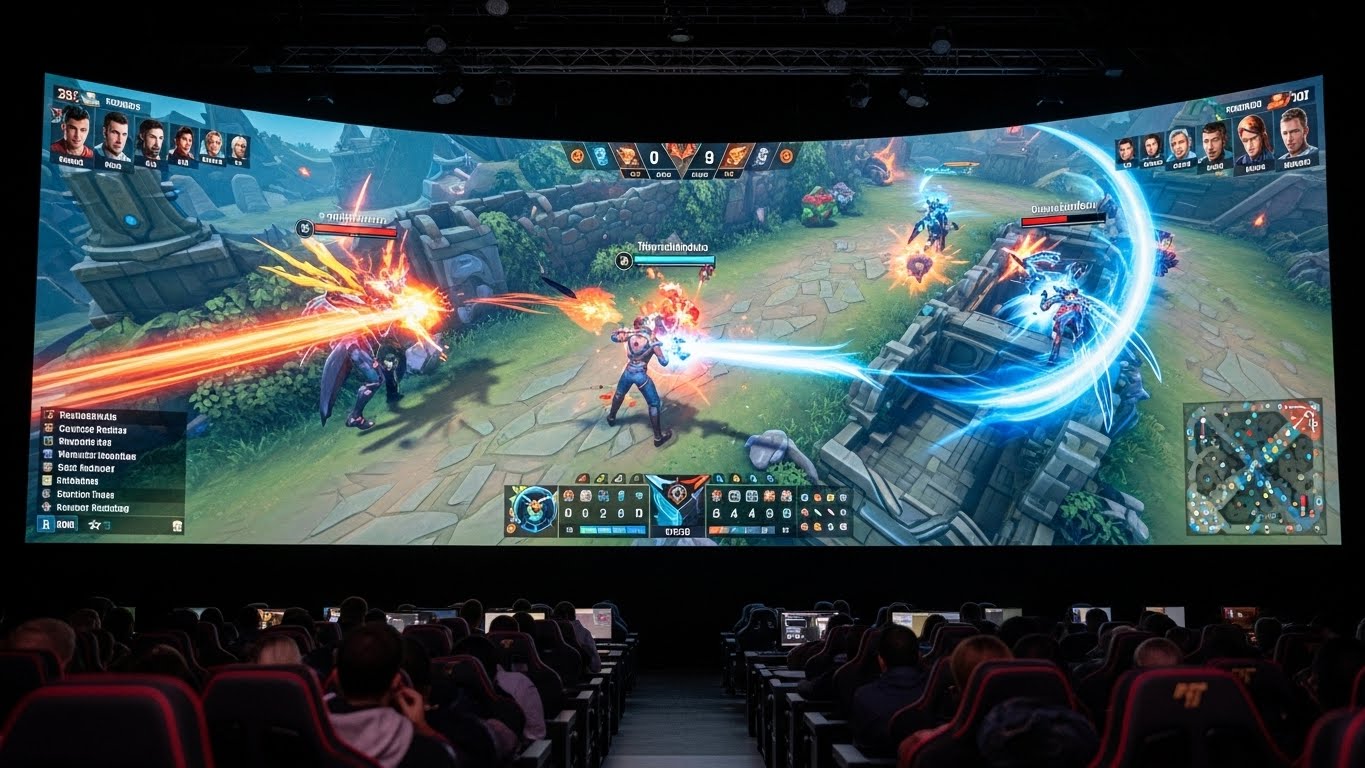
What sets esports apart from other forms of competitive entertainment is its highly engaged fanbase. Unlike traditional sports, where fans attend stadiums or watch broadcasts on television, esports thrives on digital platforms where fans can interact with players and other viewers in real-time. Platforms like Twitch, YouTube Gaming, and Facebook Gaming have become central hubs for watching live esports events, allowing viewers to tune into major tournaments and leagues from the comfort of their homes or even on the go.
The spectator experience in esports is unique because of the interactive nature of digital gaming. Fans can engage directly with streamers and players during live broadcasts by chatting in real-time, asking questions, or sending messages of encouragement. The ability to interact with the content creates a sense of community, where fans feel more connected to the action and the players themselves.
In addition to live streaming, esports events are often broadcast on traditional TV networks and cable channels, further elevating their status in the mainstream entertainment landscape. Some tournaments, like the League of Legends World Championship or The International for Dota 2, draw viewership numbers that rival those of traditional sports events, making them some of the most-watched live broadcasts in the world.
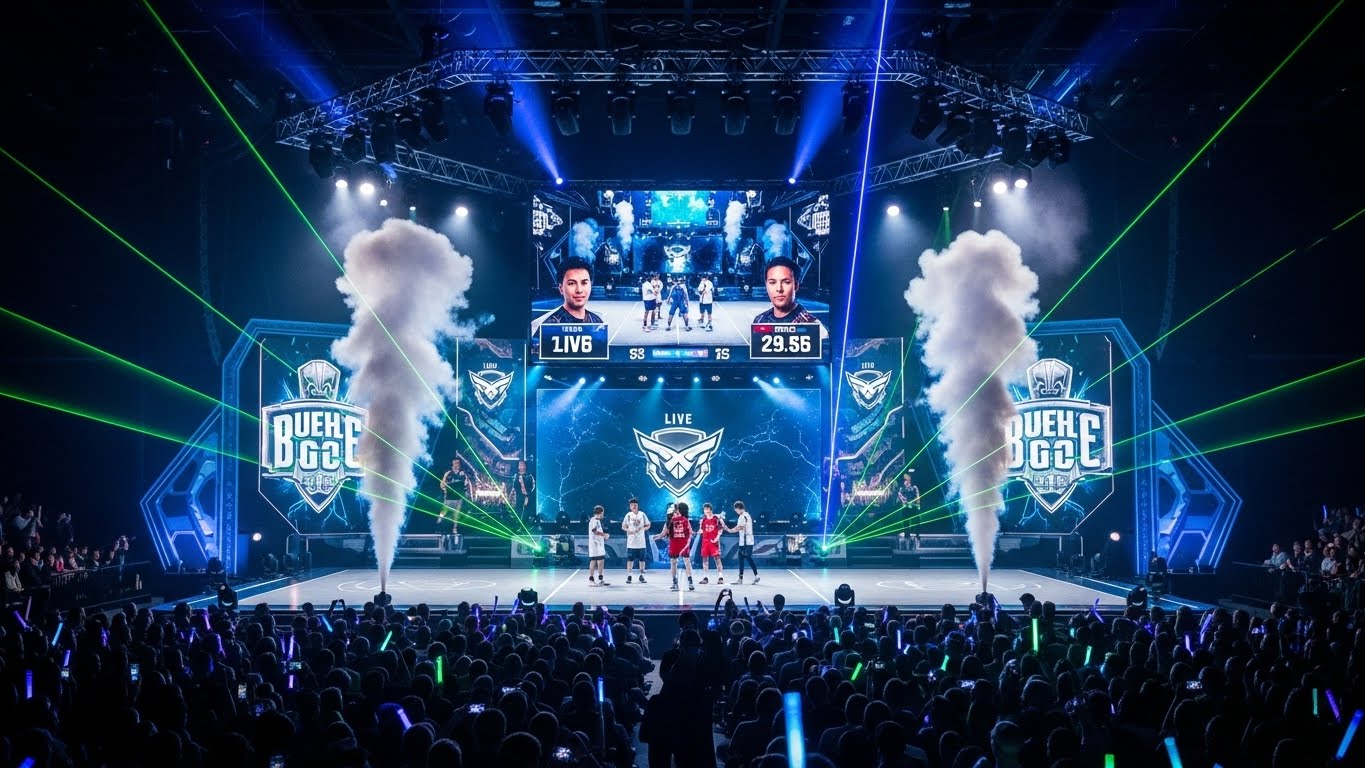
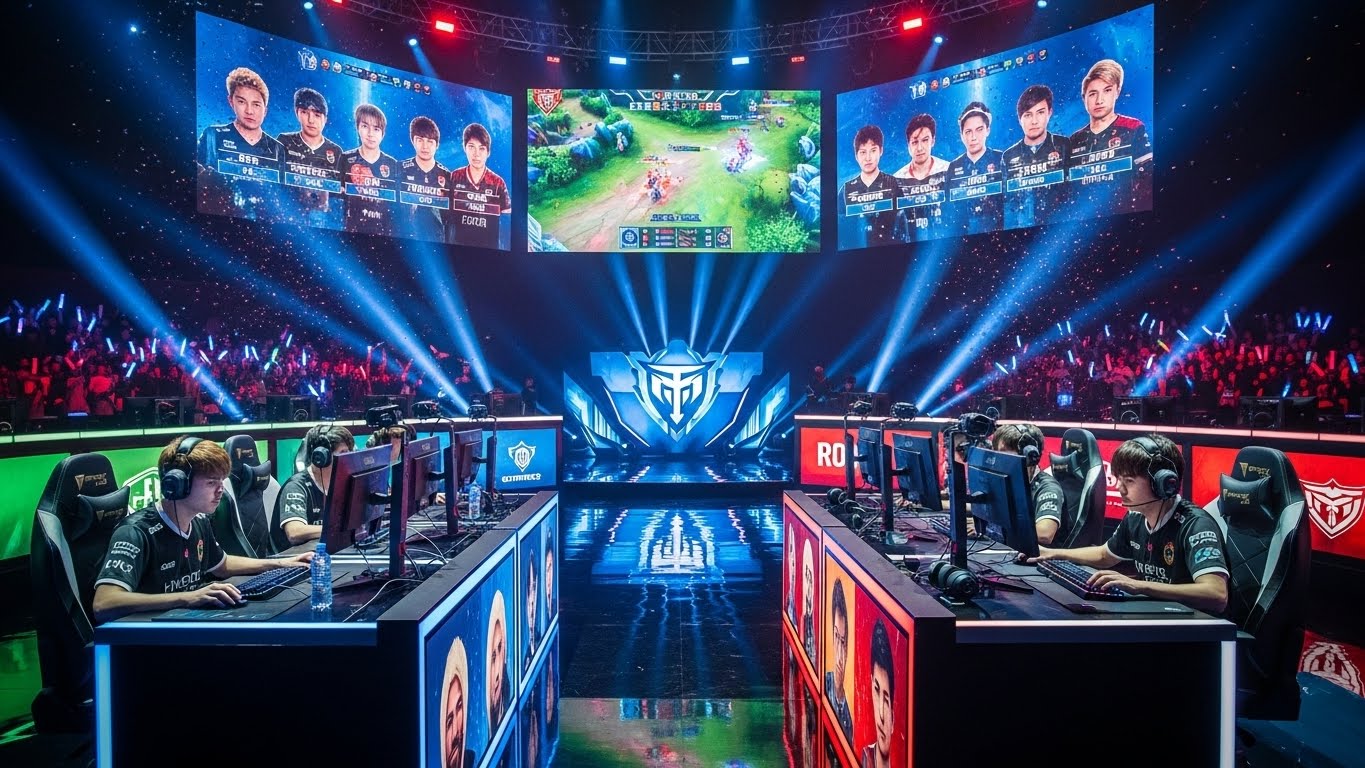
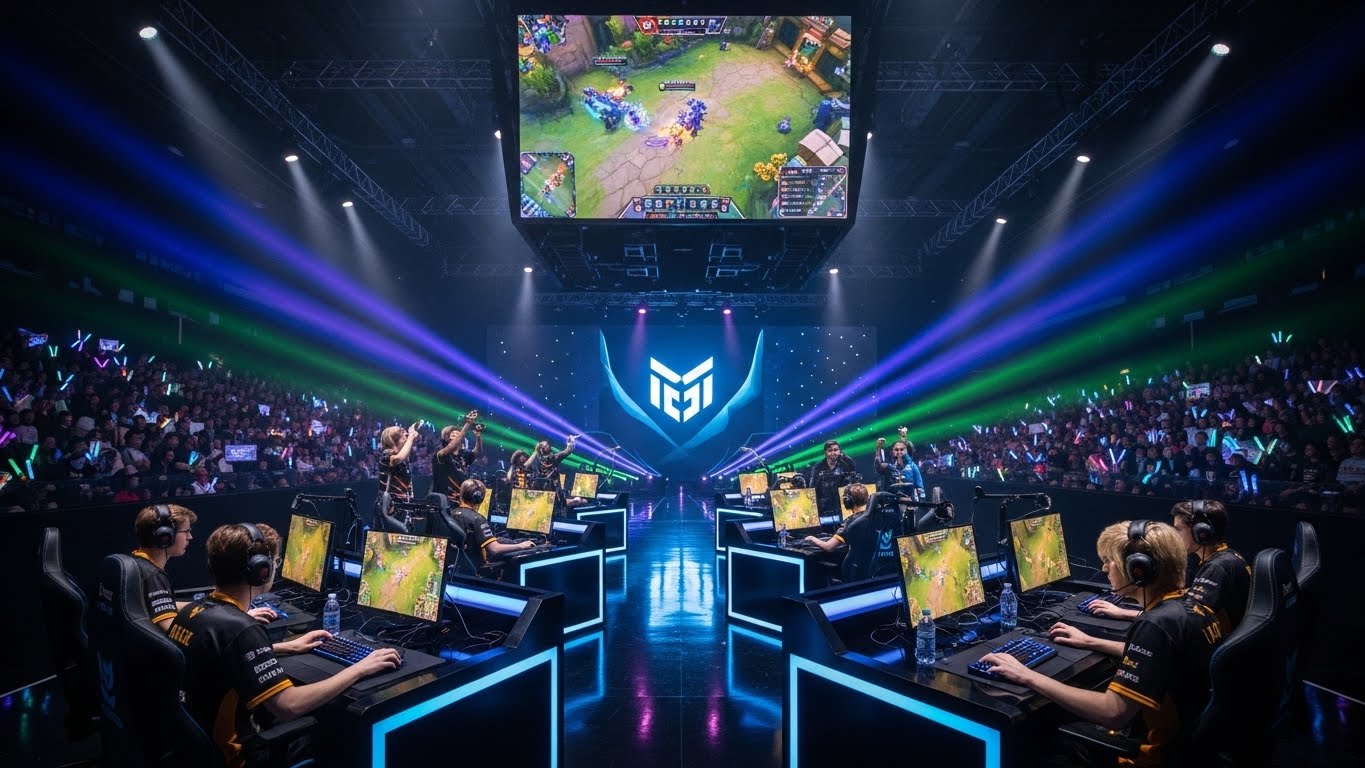
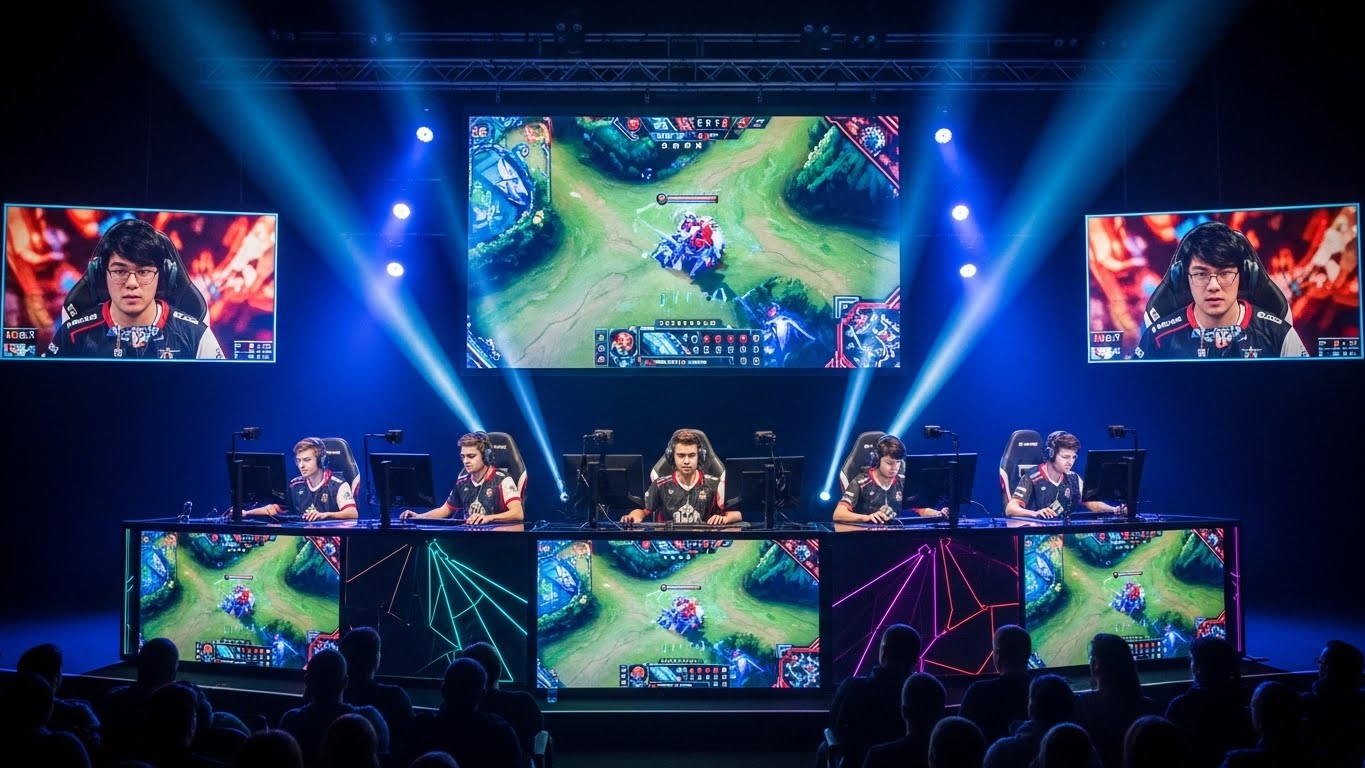
The rise of esports as a spectator sport has also led to the development of large-scale live events. Major tournaments are now held in iconic venues such as arenas and stadiums, where thousands of fans gather to watch their favorite teams battle it out for the title. These events often feature live commentary, expert analysts, and elaborate stage setups, similar to the production value seen in traditional sports broadcasts. The experience of attending an esports event in person is electric, as fans cheer for their teams, celebrate victories, and commiserate with losses.
The Role of Esports in Social Media and Content Creation
Another key component of esports’ success is the role of social media and content creation. Esports players, coaches, and analysts have become influencers in their own right, building massive online followings through platforms like Twitter, Instagram, and YouTube. By sharing insights into their training routines, game strategies, and personal lives, esports figures connect with fans on a deeper level, fostering loyalty and engagement.
Esports content creators have also found new ways to monetize their brand through sponsorships, merchandise sales, and partnerships with game developers and other companies. This creates a symbiotic relationship between the players, the esports teams, and the brands that support them, helping to grow the ecosystem even further.
Additionally, the rise of esports has led to an explosion of gaming-related content on platforms like YouTube, where fans can find everything from game tutorials and highlight reels to team vlogs and analysis videos. This ever-expanding content landscape allows fans to consume esports-related material in various formats, making the competitive gaming scene more accessible than ever before.
The Future of Esports: Opportunities and Challenges
As esports continues to evolve, the future looks bright, yet there are still several challenges to overcome. One of the most exciting developments in the esports world is the growing crossover between traditional sports and gaming. Traditional sports leagues like the NBA, NFL, and European football clubs have begun investing in esports, either by creating their own esports teams or by sponsoring existing organizations. This convergence of industries could lead to new opportunities for collaboration and growth, further legitimizing esports as a global entertainment phenomenon.
However, there are also challenges that need to be addressed. One of the main concerns in the esports industry is the health and well-being of players. The long hours spent practicing and competing can take a physical and mental toll on players, leading to issues like burnout, stress, and even injuries related to repetitive strain. Esports organizations are starting to recognize the importance of player health, with some offering support services such as mental health counseling and physical fitness programs.
Another challenge is the issue of regulation and fair play. As esports grows in popularity, there is an increasing need for standardized rules, player protections, and anti-cheating measures. The esports community has made strides in these areas, but as the industry expands, it will be crucial to establish clear guidelines to ensure that competitions remain fair and transparent.
Finally, as technology continues to evolve, the future of esports will undoubtedly be shaped by innovations such as virtual reality (VR), augmented reality (AR), and artificial intelligence (AI). These technologies could provide even more immersive and interactive experiences for both players and spectators, further enhancing the appeal of competitive gaming.
Conclusion: Esports as a Global Cultural Force
Esports has come a long way since its humble beginnings, and today it stands as one of the most exciting and dynamic industries in the world. With its rapidly growing fanbase, professionalized players, and innovative content creation, esports has solidified itself as a dominant force in entertainment. The rise of streaming platforms, social media, and live events has helped transform competitive gaming into a spectator sport enjoyed by millions.
As the esports industry continues to evolve, it will face both opportunities and challenges. From player health and well-being to the future of technology, there are many aspects of esports that need to be carefully managed as the industry grows. Nevertheless, one thing is certain: esports is here to stay. Its impact on gaming culture, entertainment, and society as a whole cannot be understated, and the future of competitive gaming looks brighter than ever. Whether you’re a seasoned player, a casual fan, or someone just discovering the world of esports, there’s no doubt that this digital arena is changing the landscape of entertainment for years to come.