 hubvault77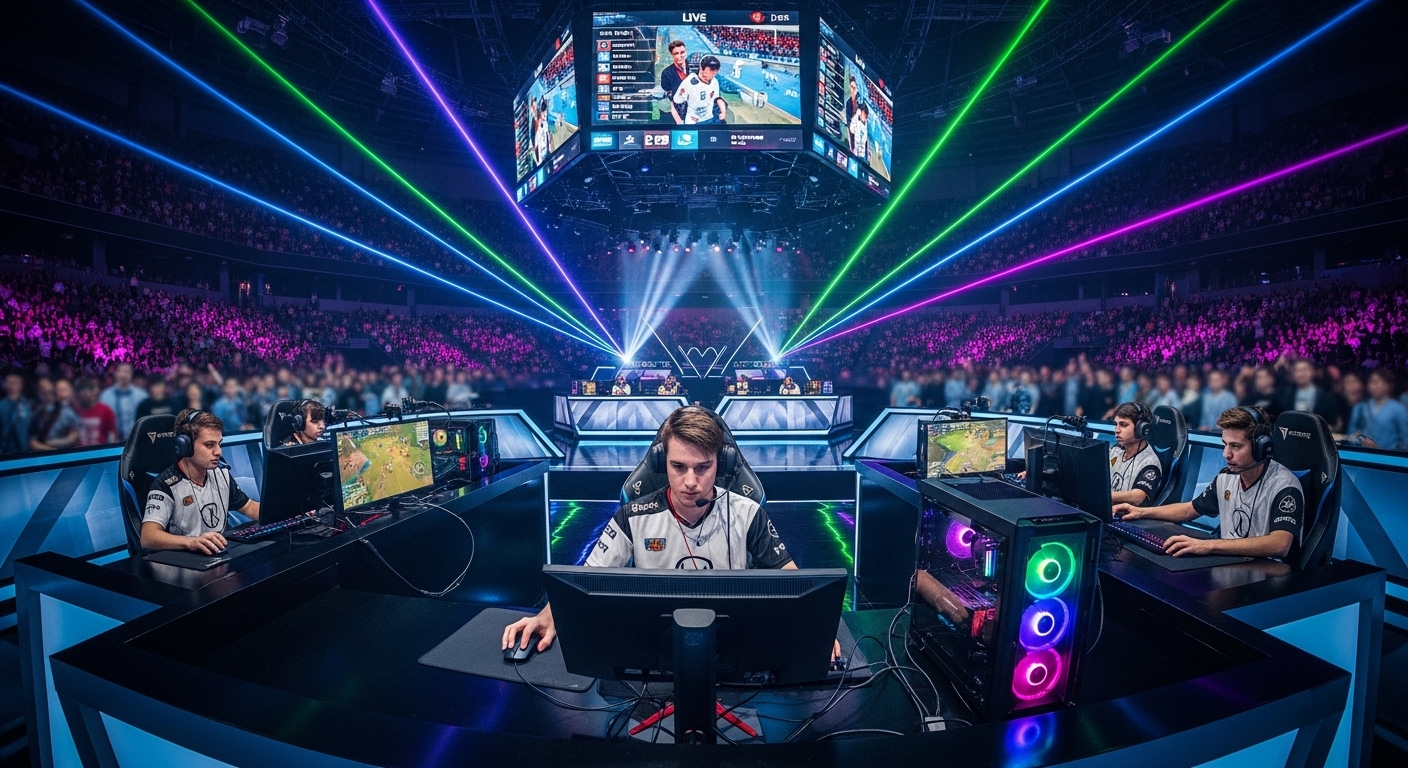
Esports, or electronic sports, has transformed from a niche hobby into a worldwide competitive industry. What once was considered just casual gaming has now evolved into a professional and highly lucrative field. With millions of viewers, multi-million dollar tournaments, and professional players gaining celebrity-like status, esports is now firmly embedded in global entertainment and culture.
Understanding Esports
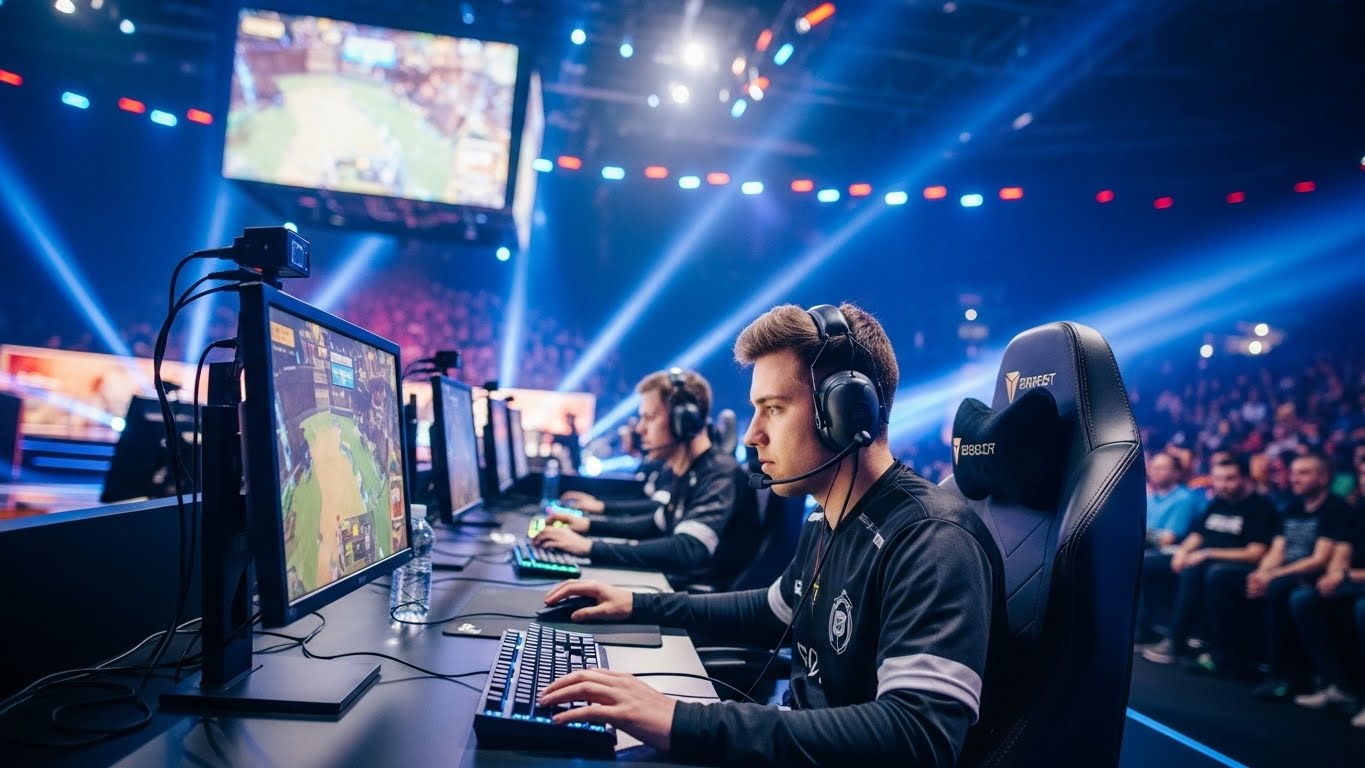
At its core, esports refers to competitive gaming where players, either individually or in teams, compete in video games for prizes, recognition, and glory. Unlike casual gaming, esports demands strategic thinking, intense practice, teamwork, and precision. It spans multiple genres including first-person shooters, multiplayer online battle arenas, sports simulations, fighting games, and real-time strategy games.
The appeal of esports is universal. Players of all ages and backgrounds can participate, while fans enjoy watching high-level gameplay, tactical maneuvers, and thrilling matches. Its accessibility through digital platforms allows people to engage with esports anywhere in the world, contributing to its rapid growth.
The History of Esports
The history of competitive gaming dates back to the 1970s when video games first became popular. The earliest known gaming competition was the 1972 “Intergalactic Spacewar Olympics” held at Stanford University. Participants competed in the game Spacewar, marking the humble beginnings of organized competitive gaming.
By the 1980s, arcade games like Pac-Man, Donkey Kong, and Street Fighter led to nationwide tournaments. The popularity of video arcades encouraged players to compete for high scores and local recognition. The introduction of home consoles expanded esports to living rooms, allowing players to practice and compete without visiting an arcade.
The 1990s marked a significant milestone with the rise of multiplayer PC games. Titles like Quake, Warcraft, and StarCraft began to dominate the esports scene. LAN (Local Area Network) parties emerged, bringing players together to compete in person. This era also saw the birth of professional gaming communities and online forums, which connected gamers globally and laid the foundation for organized esports leagues.
The Golden Era of Esports
The 2000s can be considered the golden era of esports, as the industry moved from niche to mainstream. Games like Counter-Strike, Dota, and StarCraft II captured global attention. The introduction of streaming platforms and live broadcasts further accelerated esports’ reach. Platforms such as Twitch and YouTube Gaming allowed fans to watch tournaments in real-time, bringing esports into the living rooms of millions of viewers.
Major tournaments started offering substantial prize pools, attracting more players and teams to compete professionally. International competitions, such as the World Cyber Games and the Electronic Sports World Cup, gained significant popularity. Esports was no longer just a hobby—it had become a viable career path for skilled players.
Popular Esports Games
Esports encompasses a wide variety of game genres, each with its own competitive community and fanbase. Some of the most popular esports games include:
Multiplayer Online Battle Arena (MOBA)
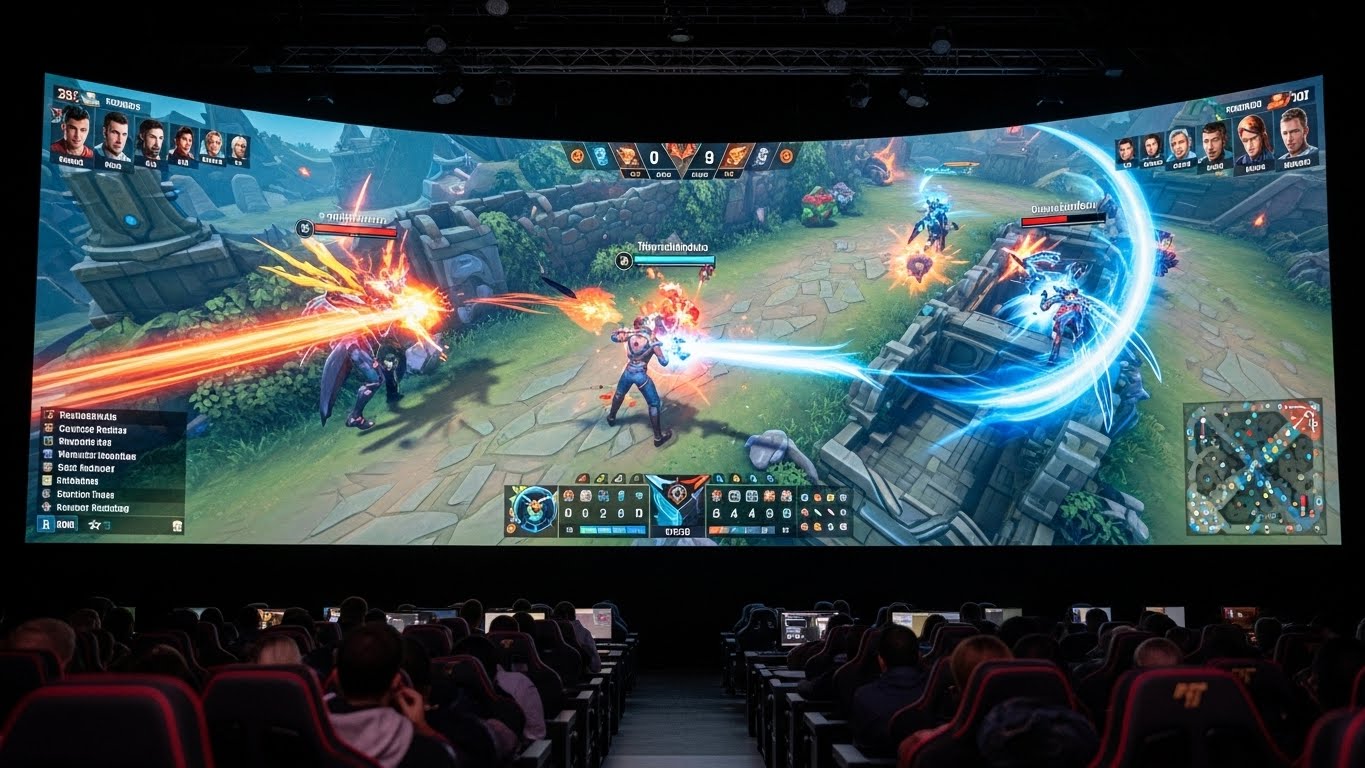
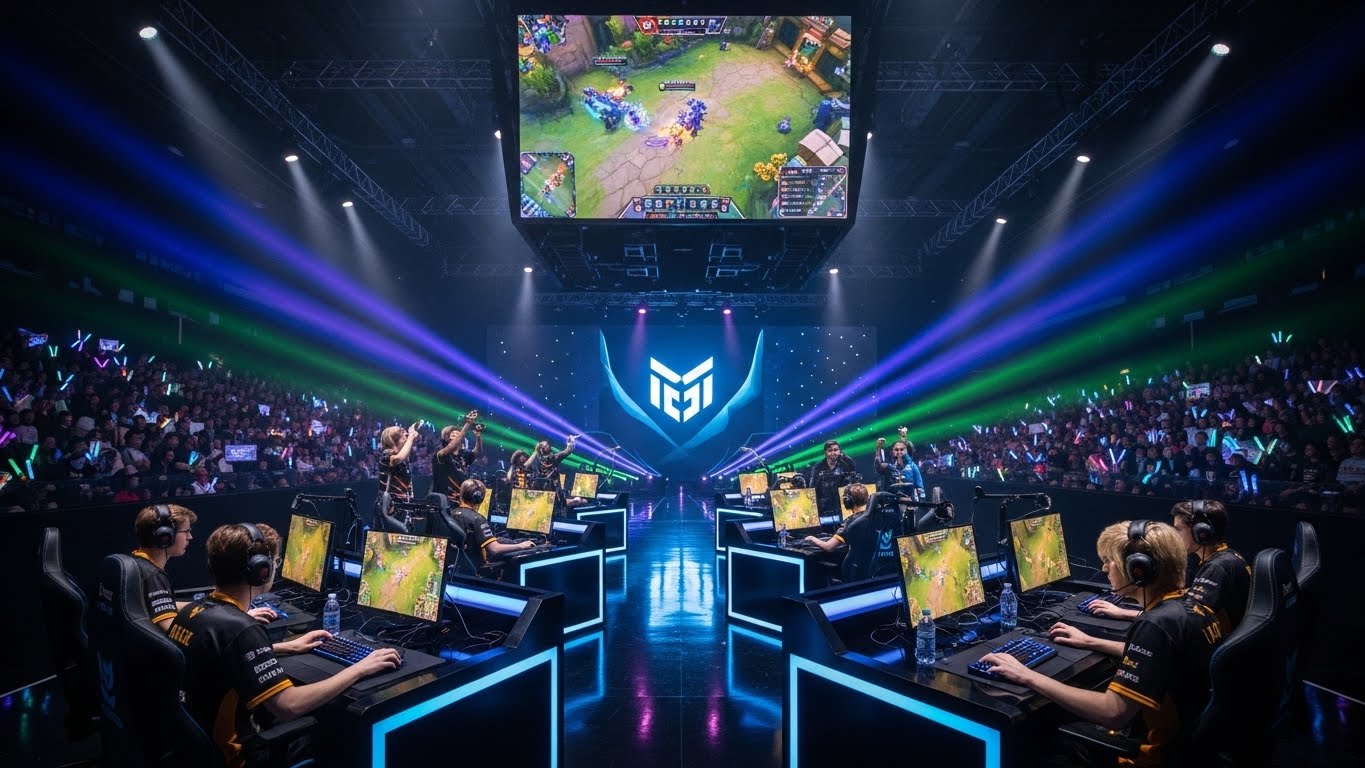
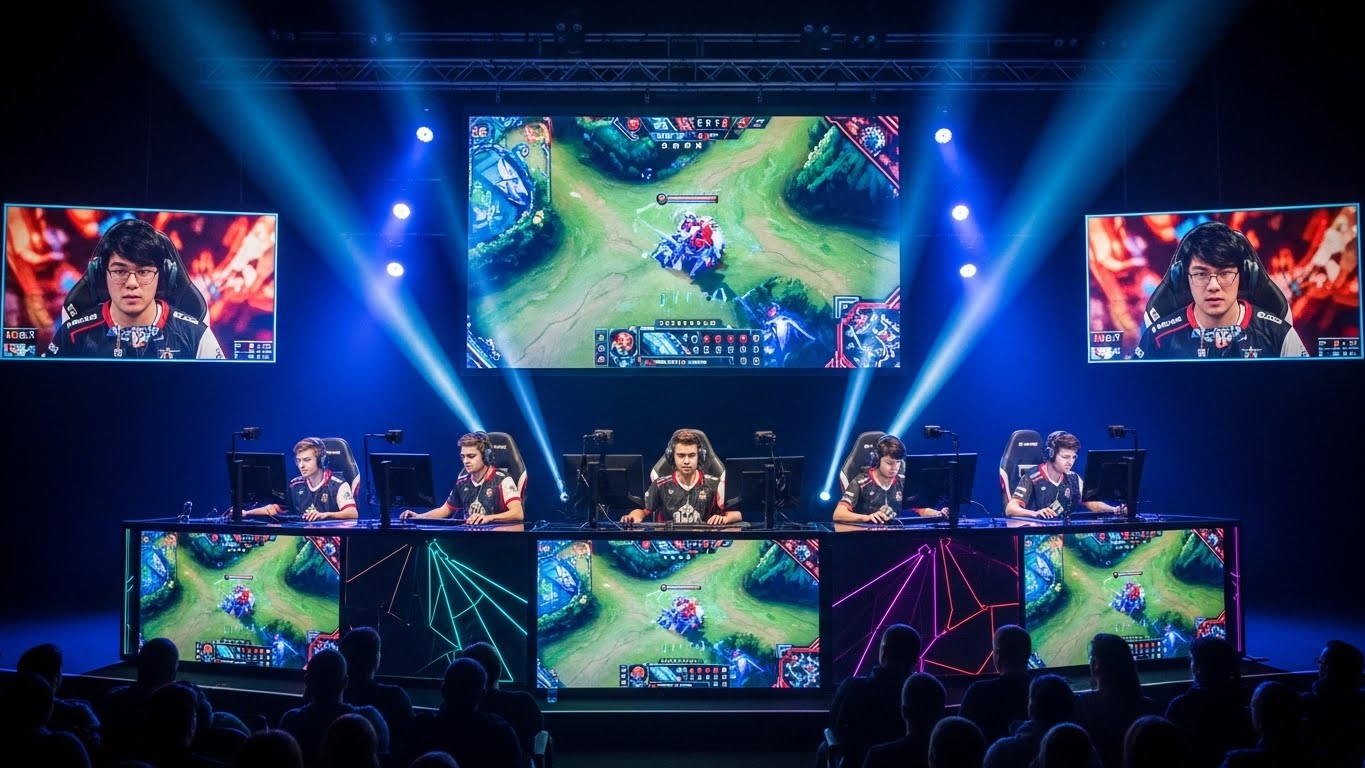
MOBA games like League of Legends and Dota 2 are among the most-watched esports titles. Players work in teams to destroy the opposing team’s base while defending their own. Strategic teamwork, map control, and hero selection are critical to victory. The competitive scene for MOBAs is intense, with world championships drawing millions of viewers and offering multi-million dollar prize pools.
First-Person Shooter (FPS)
FPS games such as Counter-Strike: Global Offensive, Call of Duty, and Valorant focus on precision shooting, strategy, and quick reflexes. Teams must coordinate attacks, control objectives, and outmaneuver their opponents. FPS esports has a strong following due to the fast-paced and adrenaline-filled gameplay, making it a favorite among spectators and professional players alike.
Battle Royale
Battle Royale games like Fortnite and Apex Legends have revolutionized esports with their large-scale survival gameplay. Players or teams fight until only one remains, combining strategy, resource management, and combat skills. The unpredictable nature of these games makes tournaments exciting and viewer-friendly.
Fighting Games
Fighting games such as Street Fighter, Tekken, and Super Smash Bros focus on one-on-one combat. Success requires skillful combos, timing, and deep knowledge of character abilities. Fighting game competitions, known as the FGC (Fighting Game Community), have passionate fans and host legendary tournaments worldwide.
Sports Simulations
Esports also includes digital versions of traditional sports like FIFA, NBA 2K, and Madden NFL. These games simulate real-world sports, attracting fans who enjoy both the sport and the competitive gaming aspect. Leagues and tournaments for sports simulations have grown exponentially, bridging the gap between traditional sports and esports.
The Competitive Structure
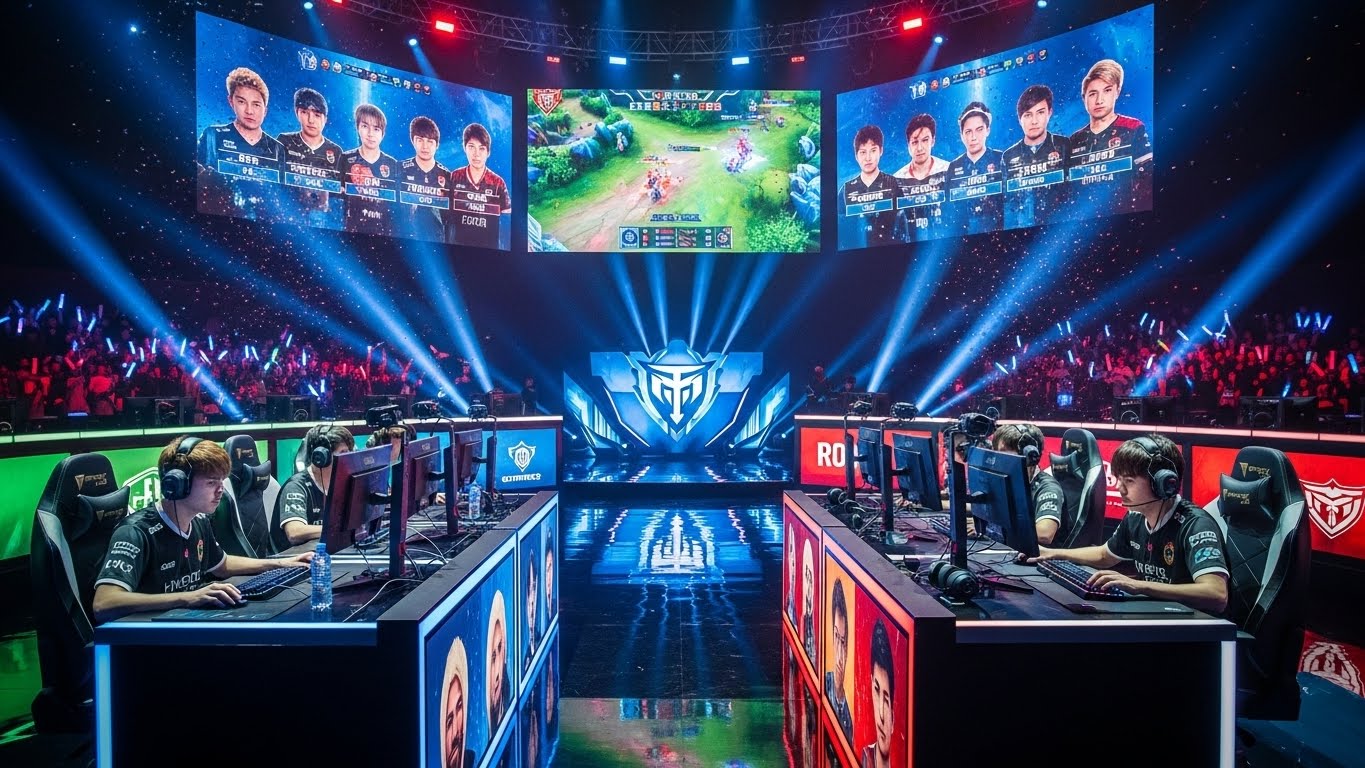
Esports competitions are structured similarly to traditional sports leagues. Players or teams compete in regional qualifiers, leagues, and international championships. Professional organizations recruit and sponsor players, providing salaries, coaching, and training facilities. Esports teams often have analysts, strategists, and managers who contribute to their success.
Tournaments and Championships
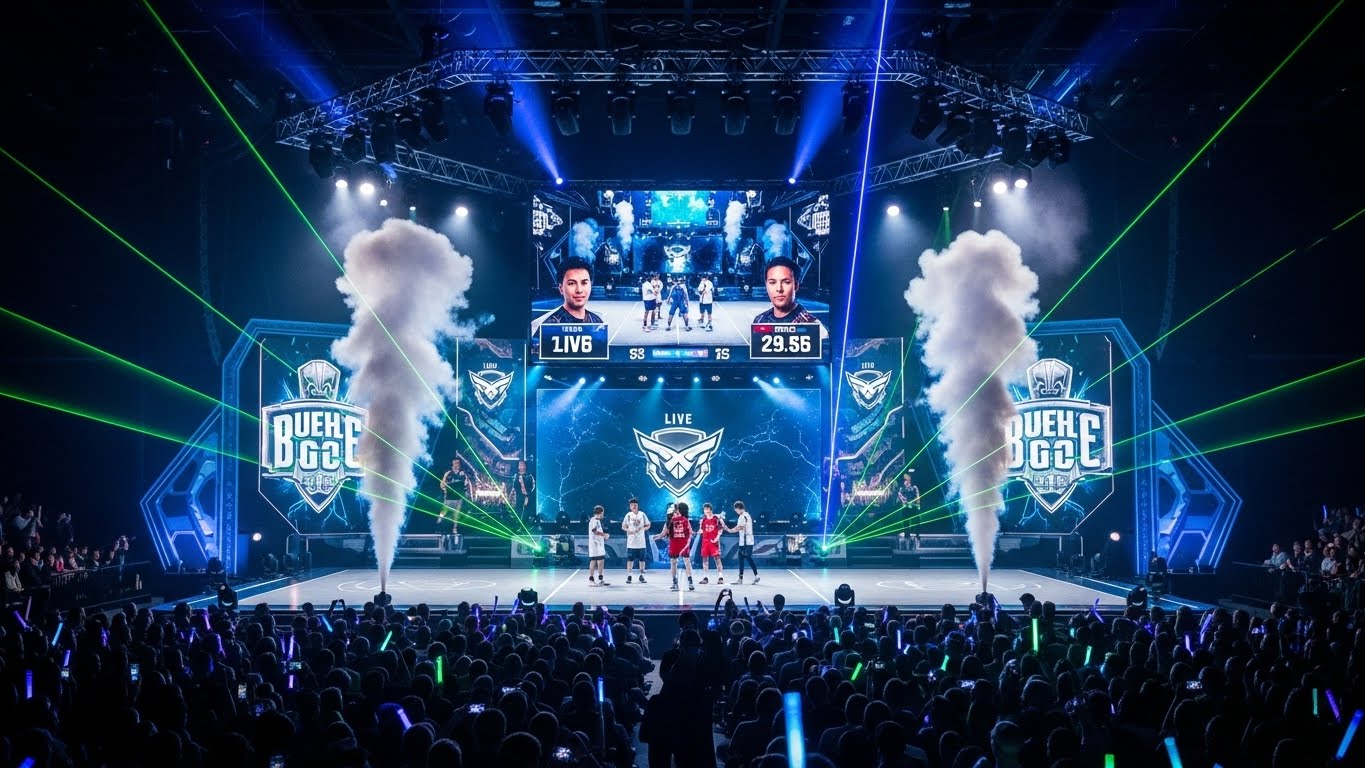
Major esports tournaments attract global attention. Events such as The International (Dota 2), League of Legends World Championship, and Fortnite World Cup have multi-million dollar prize pools and millions of viewers. These events are meticulously organized, with live broadcasts, commentary, and professional production quality, making them comparable to major sporting events.
Ranking and Recognition
Player rankings and achievements are crucial in esports. Rankings are based on individual performance, team results, and tournament victories. High-ranking players gain recognition, sponsorships, and invitations to exclusive events. This ranking system motivates players to improve and compete at the highest level.
Career Opportunities in Esports
Esports has grown into a multi-faceted industry, offering a wide range of career opportunities beyond professional gaming. Careers in esports include coaching, analysis, broadcasting, event management, game development, and marketing. Content creation and streaming have also become lucrative avenues, allowing gamers to earn income by building a fanbase online.
Professional esports players often start young, dedicating hours each day to practice. With proper training, networking, and exposure, players can achieve recognition and financial success. Sponsors and brand partnerships also contribute significantly to a player’s earnings.
The Cultural Impact of Esports
Esports has influenced popular culture and entertainment. It has inspired documentaries, reality shows, merchandise, and collaborations with traditional sports. Esports celebrities have fan followings comparable to athletes and movie stars. The community-driven nature of esports also fosters social connections, creating a global network of fans, players, and enthusiasts.
The rise of esports has also influenced education. Some universities now offer esports scholarships and degree programs focused on game design, management, and esports studies. This demonstrates how esports has transcended mere gaming and has become a legitimate academic and professional field.
Challenges Facing Esports
Despite its growth, esports faces several challenges. The industry requires regulation, fair play enforcement, and mental health support for players. The intense pressure, long practice hours, and high stakes can lead to burnout and physical strain. Additionally, issues like cheating, toxicity in gaming communities, and unequal opportunities for players in different regions need to be addressed.
Sustainability is another concern. The esports ecosystem relies heavily on sponsorships, viewership, and event revenue. Economic fluctuations or changes in audience interest could impact the industry’s stability. However, the increasing integration of esports into mainstream media and global entertainment suggests a promising future.
The Future of Esports
The future of esports looks bright. Advancements in technology, such as virtual reality, augmented reality, and cloud gaming, are expected to enhance the gaming experience. Esports is likely to continue expanding globally, reaching new audiences and markets. Collaborative events with traditional sports, celebrity involvement, and cross-industry partnerships will further solidify esports as a cultural phenomenon.
Esports will continue to shape the future of entertainment, competition, and digital interaction. With its dynamic nature and endless possibilities, it is more than a trend—it is a revolution in how people play, watch, and engage with games.
Conclusion
Esports has come a long way from its humble beginnings as a casual gaming activity. Today, it is a billion-dollar industry with a massive global following, professional players, and a thriving competitive scene. Its impact extends beyond gaming, influencing culture, education, and careers. As technology evolves and the community grows, esports will continue to redefine entertainment and competition in the digital age.