 hubvault77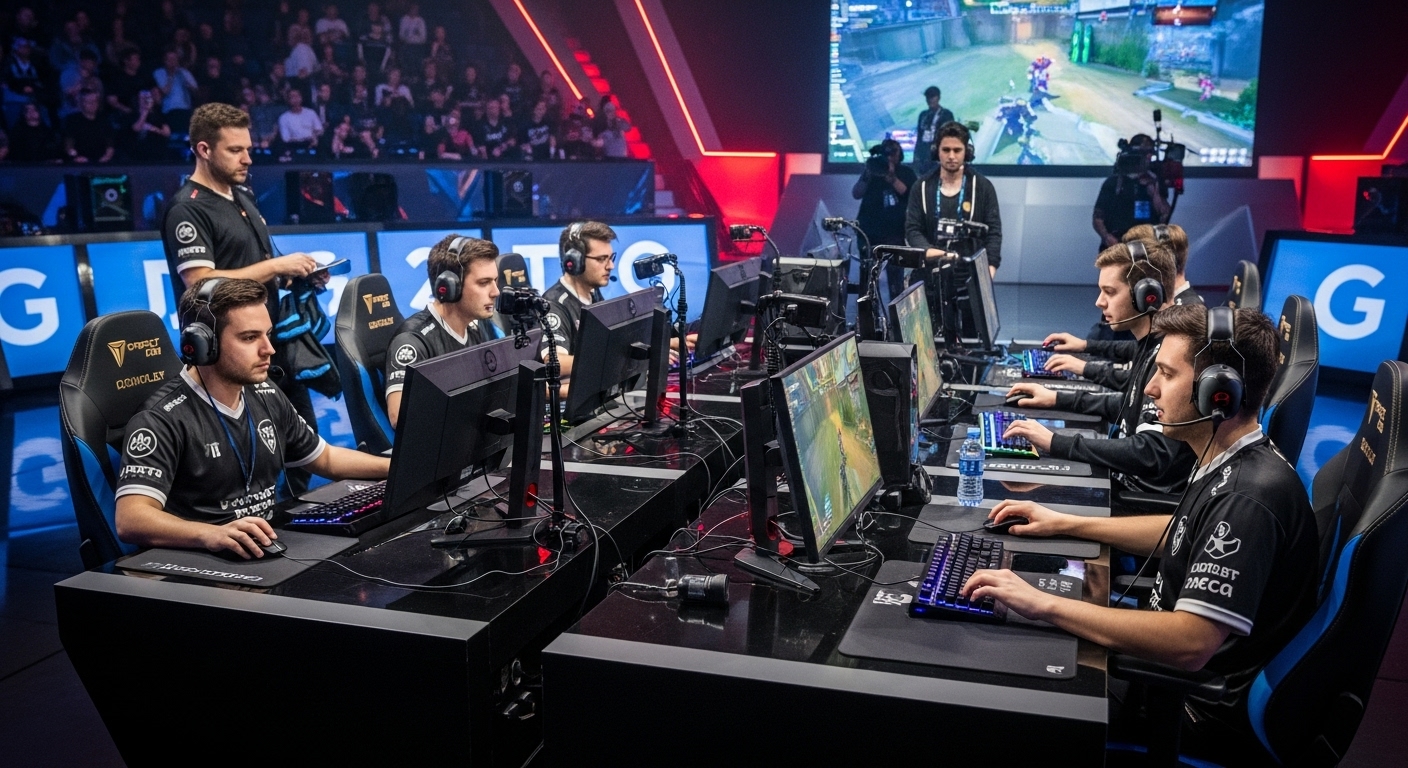
Introduction: The Evolution of Competitive Gaming
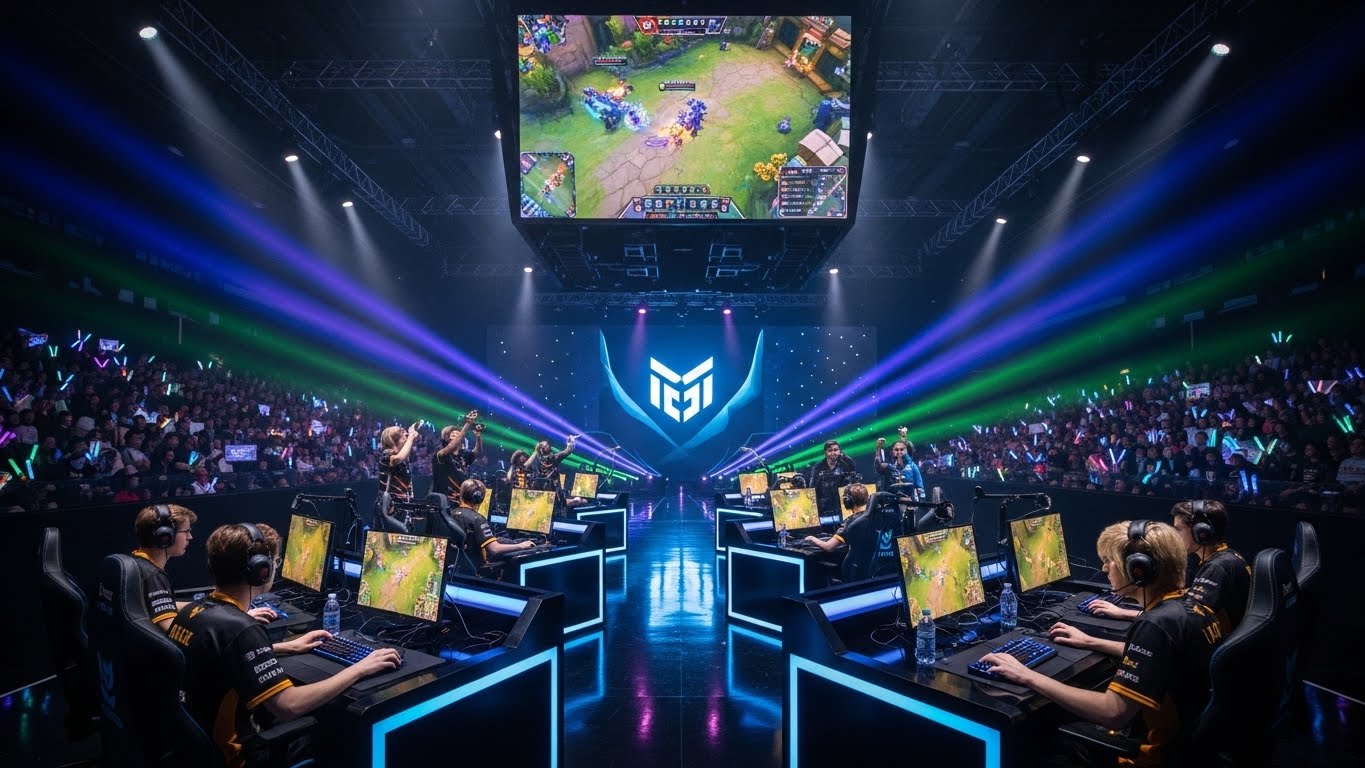
A few decades ago, the idea that people could make a living by playing video games seemed absurd. Gaming was seen as a hobby — something people did to relax, not as a serious career. Fast forward to today, and esports, or electronic sports, has become a billion-dollar global industry. From massive arenas filled with cheering fans to streaming platforms with millions of viewers, esports has evolved into one of the most powerful and rapidly growing entertainment phenomena of the 21st century.
Esports represents a fascinating blend of competition, technology, and community. It showcases how digital entertainment can rival traditional sports in skill, intensity, and popularity. What began as small LAN parties and local tournaments has now transformed into a global spectacle with professional players, coaches, analysts, and organizations that rival established sports teams in structure and prestige.
This blog delves deep into the world of esports — its origins, rise, structure, global impact, cultural influence, and what the future holds for this modern-day digital colosseum.
The Origins of Esports: From Arcades to Online Arenas
The story of esports begins in the 1970s and 1980s when video games first gained popularity in arcades and home consoles. Early competitive gaming events were modest but pivotal. The very first known video game competition took place in 1972 at Stanford University, where students competed in a game called Spacewar! for a prize of a magazine subscription.
In the 1980s, as arcade games like Pac-Man and Donkey Kong became cultural phenomena, competitive gaming began to take shape. High-score competitions became popular, and players competed to get their names on leaderboards. It was during this era that gaming magazines started publishing the top scores, creating early forms of recognition for the best players.
The real transformation, however, began with the advent of the internet in the 1990s. Games like Quake, StarCraft, and Counter-Strike brought multiplayer gaming to online platforms, enabling players from around the world to compete directly against one another. This shift from local competition to global connectivity marked the beginning of esports as we know it today.
The 2000s: The Birth of Organized Esports
The early 2000s were a turning point. With faster internet connections, better graphics, and more sophisticated games, competitive gaming began to attract larger audiences. Professional leagues began to form, such as Major League Gaming (MLG) in North America and the World Cyber Games (WCG) in Asia.
During this era, games like Warcraft III, Counter-Strike 1.6, StarCraft: Brood War, and Halo became staples of the esports scene. South Korea emerged as a global powerhouse, particularly with StarCraft, where professional players were treated like celebrities. Televised matches, sponsorships, and team houses appeared, setting a precedent for how esports could be structured and monetized.
Esports was no longer a pastime for hobbyists; it had become a legitimate career path. Players trained for hours each day, and teams began to hire coaches and analysts to refine strategies. The infrastructure around esports started to resemble that of traditional sports — with leagues, tournaments, media coverage, and fan communities forming rapidly.
The 2010s: The Golden Age of Esports
The 2010s saw esports explode into mainstream culture. With the launch of streaming platforms such as Twitch and YouTube Gaming, the reach of esports expanded dramatically. Millions of fans could now watch their favorite teams and players compete live from anywhere in the world.
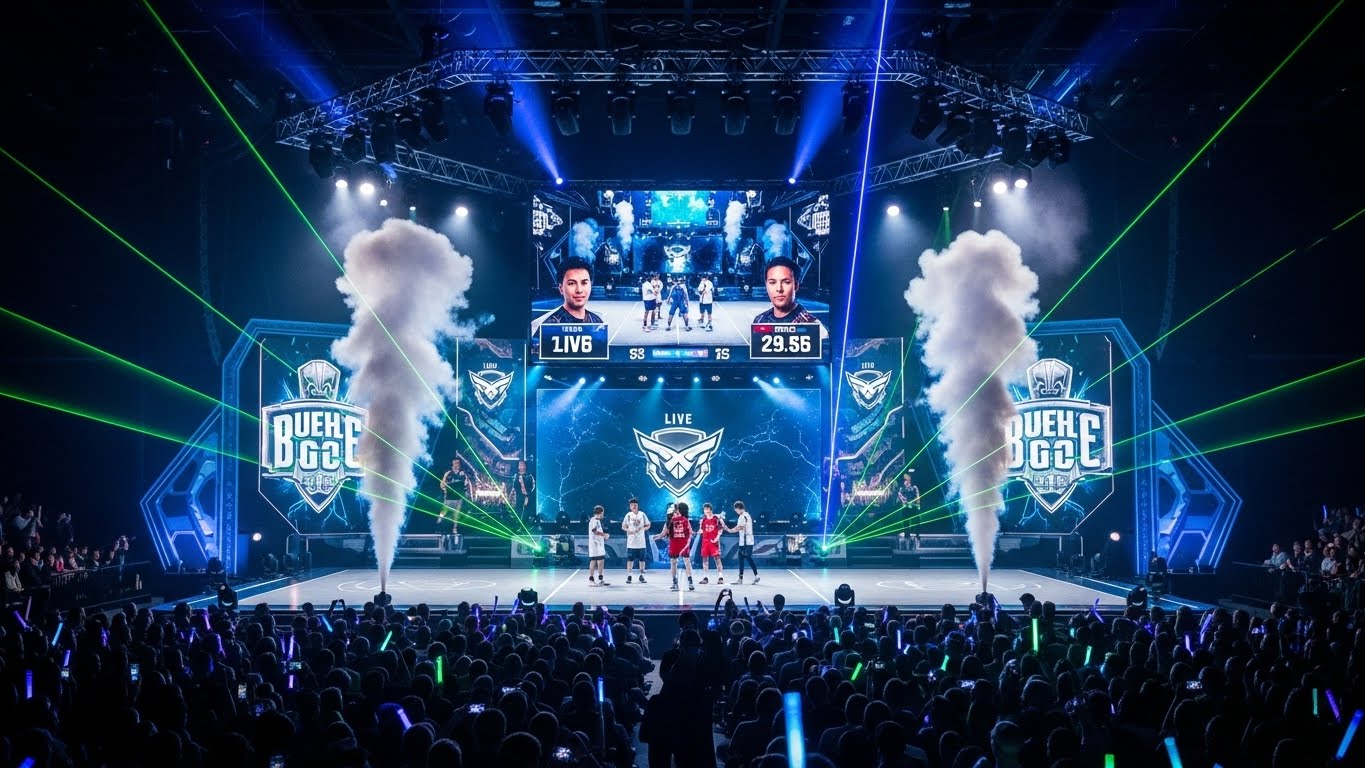
Games like League of Legends, Dota 2, Overwatch, and Counter-Strike: Global Offensive defined the decade. Tournaments such as The International and the League of Legends World Championship began to fill entire stadiums and offered multi-million-dollar prize pools.
In 2013, The International 3 made headlines with a prize pool of over 2.8 million dollars — a figure that would grow exponentially in the years that followed. By 2019, The International 9 had a prize pool exceeding 34 million dollars, showcasing just how lucrative esports had become.
Beyond the money, the cultural shift was undeniable. Universities began offering scholarships for esports athletes, just as they did for football or basketball players. Governments in countries like the United States, South Korea, and China started recognizing professional gamers as athletes, legitimizing esports on a global scale.
The Structure of Modern Esports
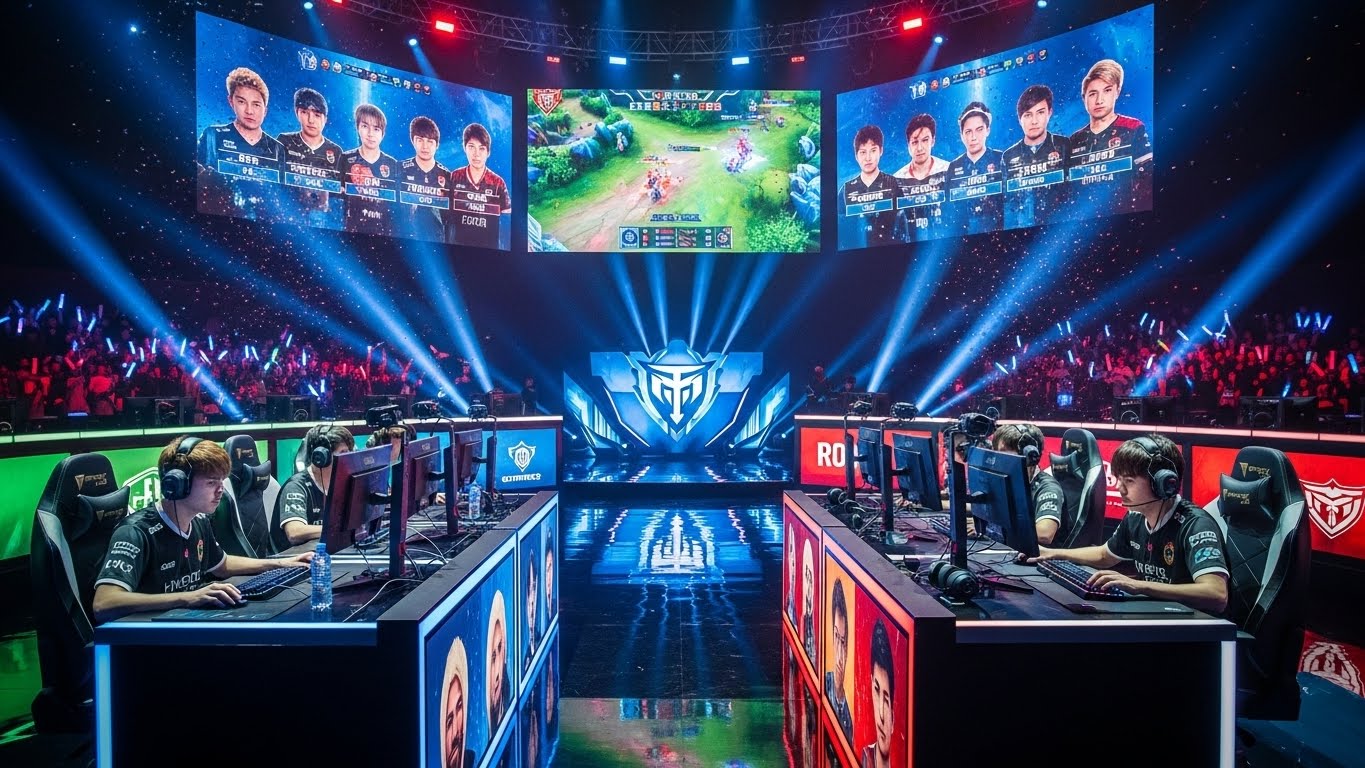
Esports today operates much like traditional sports, with teams, leagues, tournaments, sponsors, and dedicated fans. Each game has its own ecosystem.
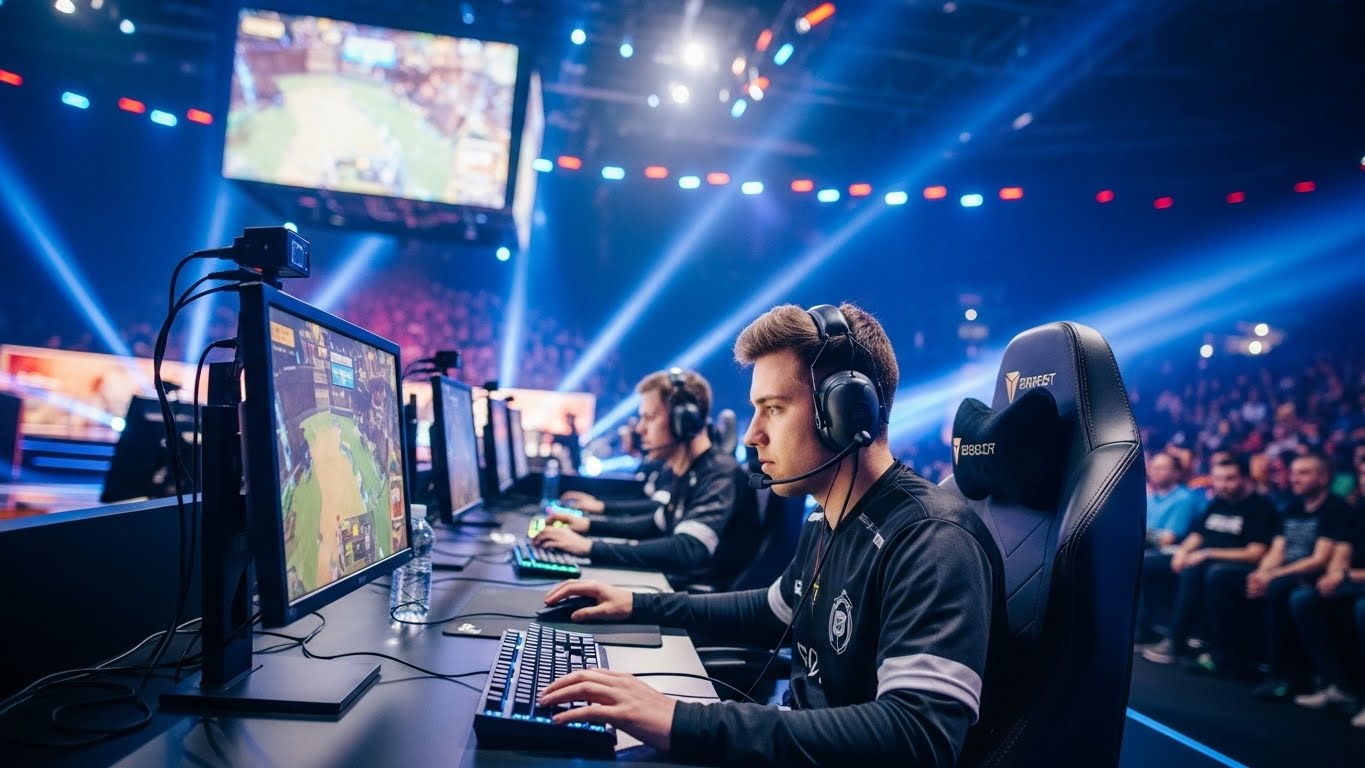
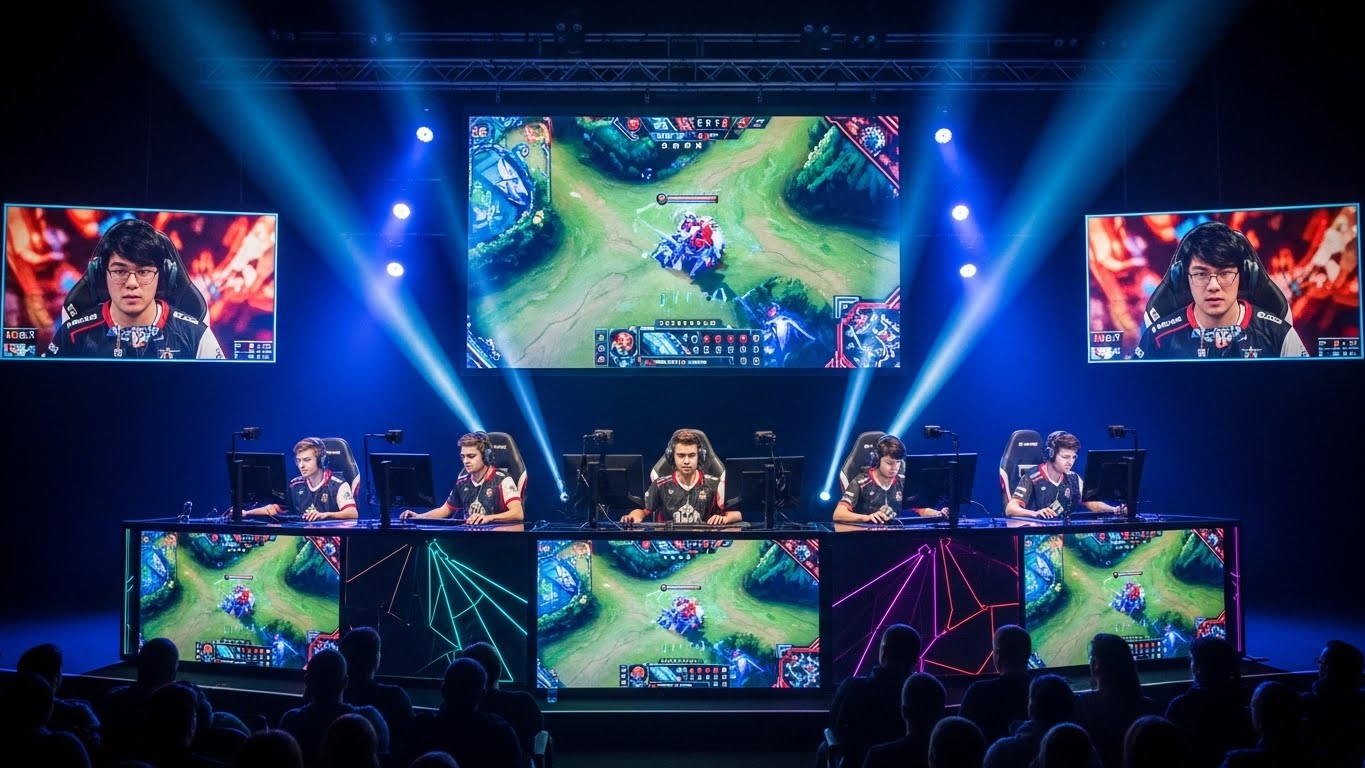
In team-based games such as League of Legends, Valorant, or Overwatch, professional teams are composed of players who specialize in specific roles. They train daily, study opponents’ playstyles, and develop strategies with the help of coaches and analysts.
Individual-based esports, such as StarCraft II, FIFA, or Tekken, focus on the player’s personal skill, reaction time, and adaptability. These competitors often rely on solo practice and one-on-one coaching.
Most esports competitions are structured in seasons or tournament brackets. Major events like The International, CS:GO Majors, or EVO Championship Series bring together the best teams and players in the world.
Sponsorships and media rights play a huge role in the industry’s economics. Companies ranging from energy drink brands to technology giants invest heavily in esports to reach younger audiences. Additionally, merchandising, ticket sales, and streaming partnerships generate significant revenue, making esports a self-sustaining and rapidly expanding market.
The Globalization of Esports
One of the most fascinating aspects of esports is its global reach. Unlike many traditional sports that are region-specific, esports is truly international. Players from North America, Europe, Asia, and even Africa and South America compete on equal footing.
South Korea remains a dominant force, particularly in games like StarCraft and League of Legends. China has also emerged as a major hub, with massive tournaments, dedicated esports arenas, and government support. Europe has produced top-tier teams in games like Counter-Strike and Dota 2, while North America has established strong organizations and a massive fan base.
In recent years, regions like the Middle East, India, and Latin America have shown rapid growth in esports engagement, thanks to improved internet access and the popularity of mobile gaming. Games such as PUBG Mobile, Free Fire, and Mobile Legends have made esports more accessible, allowing players from diverse economic backgrounds to participate.
The Culture of Esports: Community, Fandom, and Identity
At its core, esports is not just about competition; it’s about community. Fans form deep emotional connections with teams and players, much like traditional sports fans do. Online forums, social media, and streaming platforms have created spaces for fans to interact, discuss strategies, and celebrate victories.
The culture of esports is uniquely digital. Memes, highlight clips, and in-game moments often go viral, creating shared experiences that unite fans across the globe. Cosplay, fan art, and online content surrounding esports have built a rich subculture that blends gaming, creativity, and fandom.
Esports has also played a role in shaping modern youth identity. Many young people see esports players as role models, proving that passion and skill in gaming can lead to professional success. Moreover, esports fosters values such as teamwork, communication, and strategic thinking — qualities that extend beyond gaming.
Technology’s Role in Shaping Esports
The growth of esports is inseparable from the advancement of technology. High-speed internet, powerful gaming PCs, and sophisticated software have made online competition smooth and accessible.
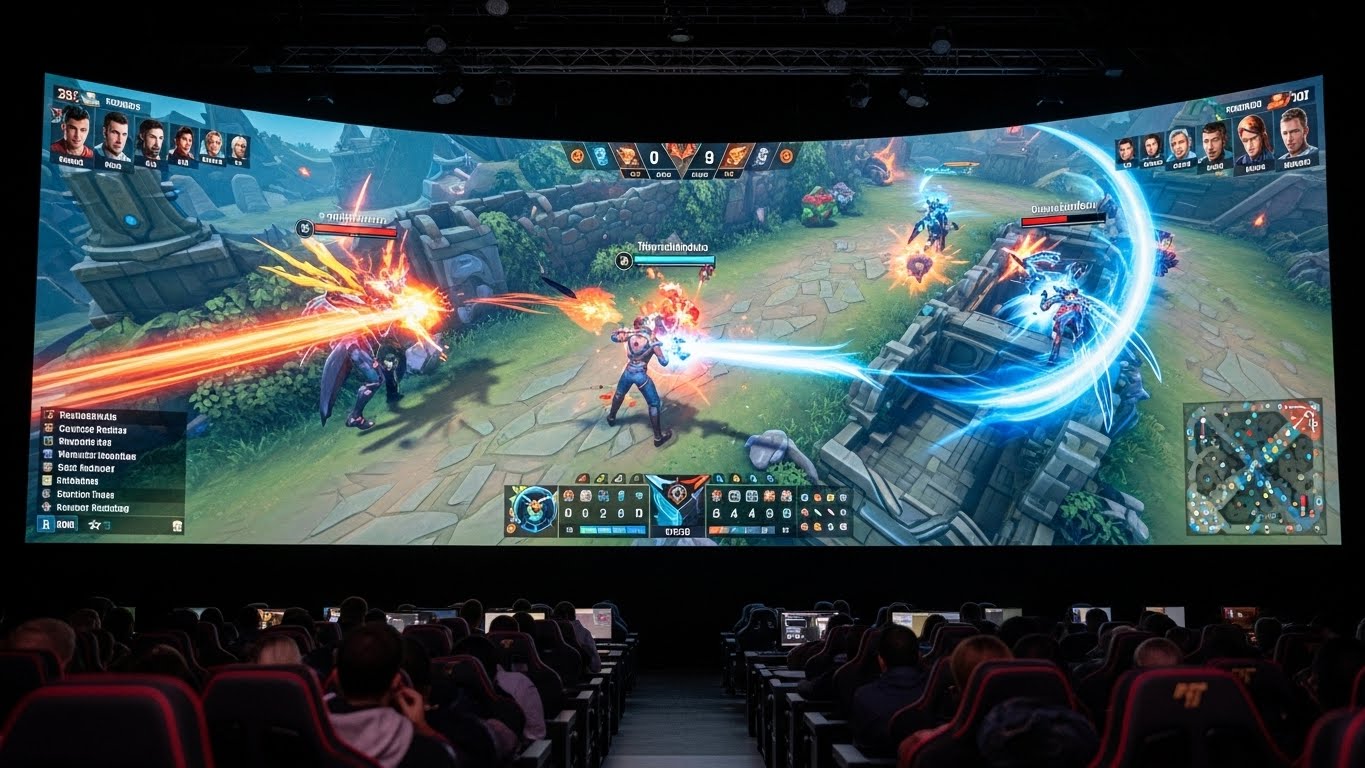
Streaming platforms have arguably been the most transformative. They allow fans to watch matches live, follow their favorite players, and even support them directly through subscriptions or donations. The interactive nature of streaming — with live chats and commentary — has made esports more engaging than passive sports broadcasts.
Virtual reality (VR) and augmented reality (AR) are also beginning to influence the industry. Developers are experimenting with ways to make esports experiences more immersive, whether through VR tournaments or AR-enhanced live events. As technology continues to evolve, esports will likely expand into new forms of interactive entertainment.
The Economics of Esports: A Billion-Dollar Industry
Esports is not just a cultural movement — it is a massive business. According to various industry reports, the global esports market has surpassed the billion-dollar mark, driven by sponsorships, advertising, media rights, and merchandise sales.
Top esports organizations now operate like professional sports franchises, with management teams, marketing departments, and talent scouts. Players can earn substantial salaries, and the most popular streamers supplement their income through brand deals and fan donations.
Brands have realized the marketing potential of esports. With a young, tech-savvy, and engaged audience, esports provides companies a direct channel to one of the most desirable demographics in modern advertising. From energy drinks and hardware companies to luxury brands, everyone wants a piece of the esports pie.
Challenges Facing Esports
Despite its success, esports faces several challenges that must be addressed for the industry to continue thriving.
One major concern is player burnout. The intense training schedules and constant travel can take a physical and mental toll on players, many of whom start their professional careers in their teens. Mental health awareness in esports has become a growing topic, and organizations are beginning to invest in psychological support for their players.
Another challenge is maintaining competitive integrity. Issues such as cheating, match-fixing, and performance-enhancing drugs (like stimulants) have occasionally surfaced, threatening the credibility of esports tournaments. Stronger regulations, anti-cheat software, and standardized rules are helping mitigate these problems.
Esports also faces the challenge of long-term sustainability. Not every game maintains popularity indefinitely, and as trends shift, entire ecosystems can fade. Developers and organizations must adapt quickly to remain relevant in the fast-paced gaming world.
The Role of Education and Esports
One of the most interesting developments in recent years has been the rise of esports in education. Many schools and universities now offer esports programs, scholarships, and even dedicated degrees in esports management, game design, and broadcasting.
These programs recognize that esports involves more than just playing games — it includes business, marketing, technology, psychology, and event management. Students learn valuable skills that are applicable across multiple industries.
Moreover, esports clubs in schools help students develop teamwork, communication, and leadership skills, while also promoting inclusivity and community building among gamers.
The Future of Esports
Looking ahead, esports shows no signs of slowing down. With advancements in technology, continued investment from major corporations, and growing acceptance from mainstream audiences, esports is poised to become an even larger part of global entertainment.
Mobile esports will likely dominate new markets, given the accessibility of smartphones. Virtual reality and mixed reality experiences could redefine how fans engage with tournaments, potentially allowing them to “stand” beside their favorite players in digital arenas.
There’s also potential for esports to be included in global sporting events. In fact, esports was featured as a demonstration event at the 2018 Asian Games and made its debut as an official medal event at the 2022 Asian Games. Discussions continue about whether esports could one day become part of the Olympic Games — a testament to its growing legitimacy.
As esports continues to blend the boundaries between technology, sport, and entertainment, it stands as a reflection of the digital age itself — dynamic, inclusive, and ever-evolving.
Conclusion: A New Era of Competition
Esports represents far more than just people playing video games. It is a global movement that brings together millions of players and fans from all walks of life. It celebrates skill, strategy, creativity, and community in ways that few other forms of entertainment can.
From humble beginnings in university labs and local arcades to sold-out stadiums and million-dollar tournaments, esports has journeyed a long way. It has transformed how we perceive competition, redefining what it means to be an athlete and how we experience sports in the digital age.
As technology advances and the world becomes increasingly interconnected, esports will continue to thrive as a symbol of the 21st century’s unique fusion of play, innovation, and global community. It’s not just the future of gaming — it’s the future of entertainment itself.